Guest — sign in to save your enquiries.
My account
The hometown of Confucius, the sacred site of the Three Confucian Sites — Qufu brings 2,500 years of Confucian heritage within easy reach.
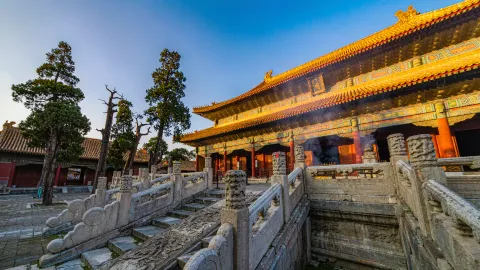
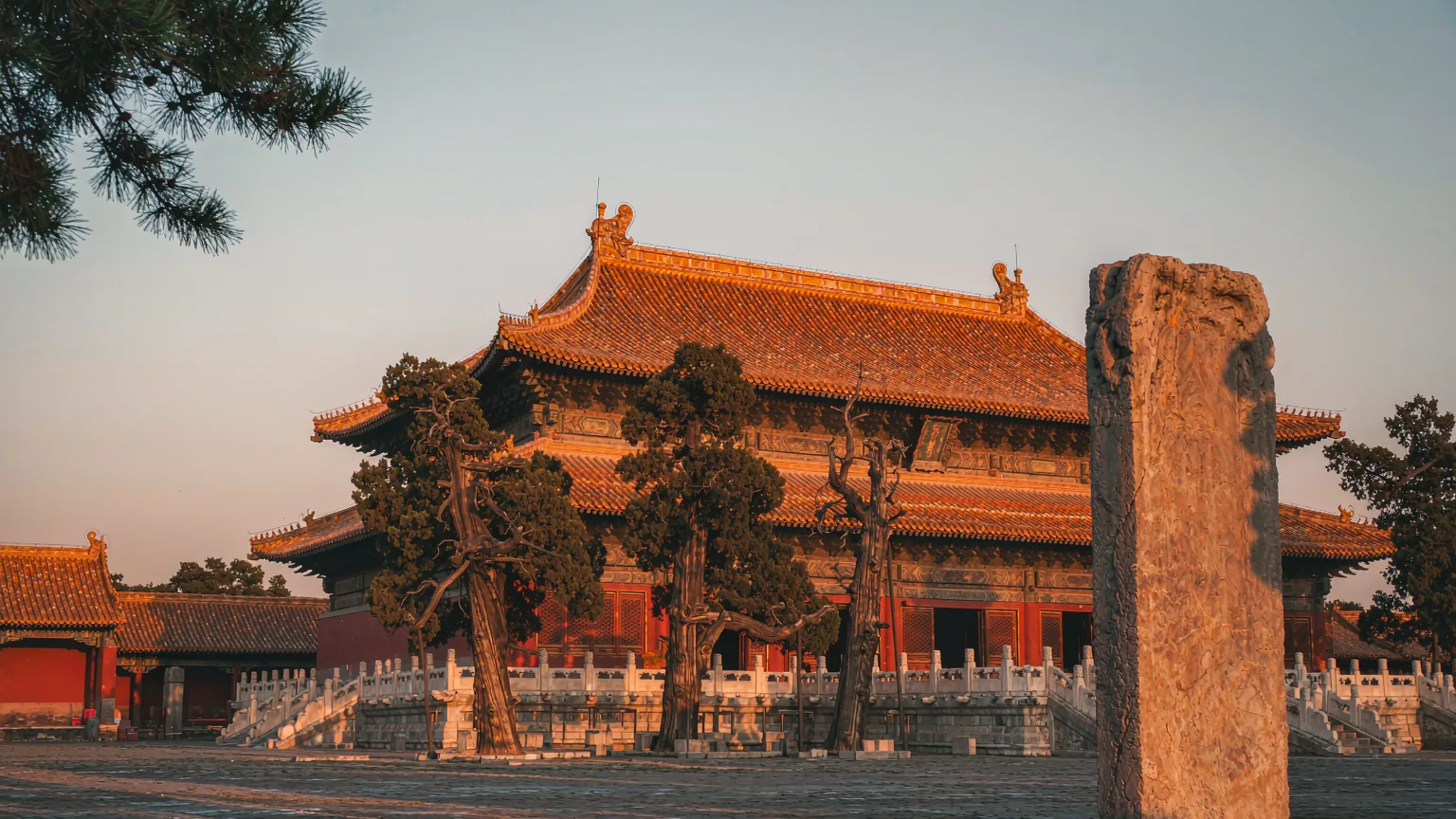
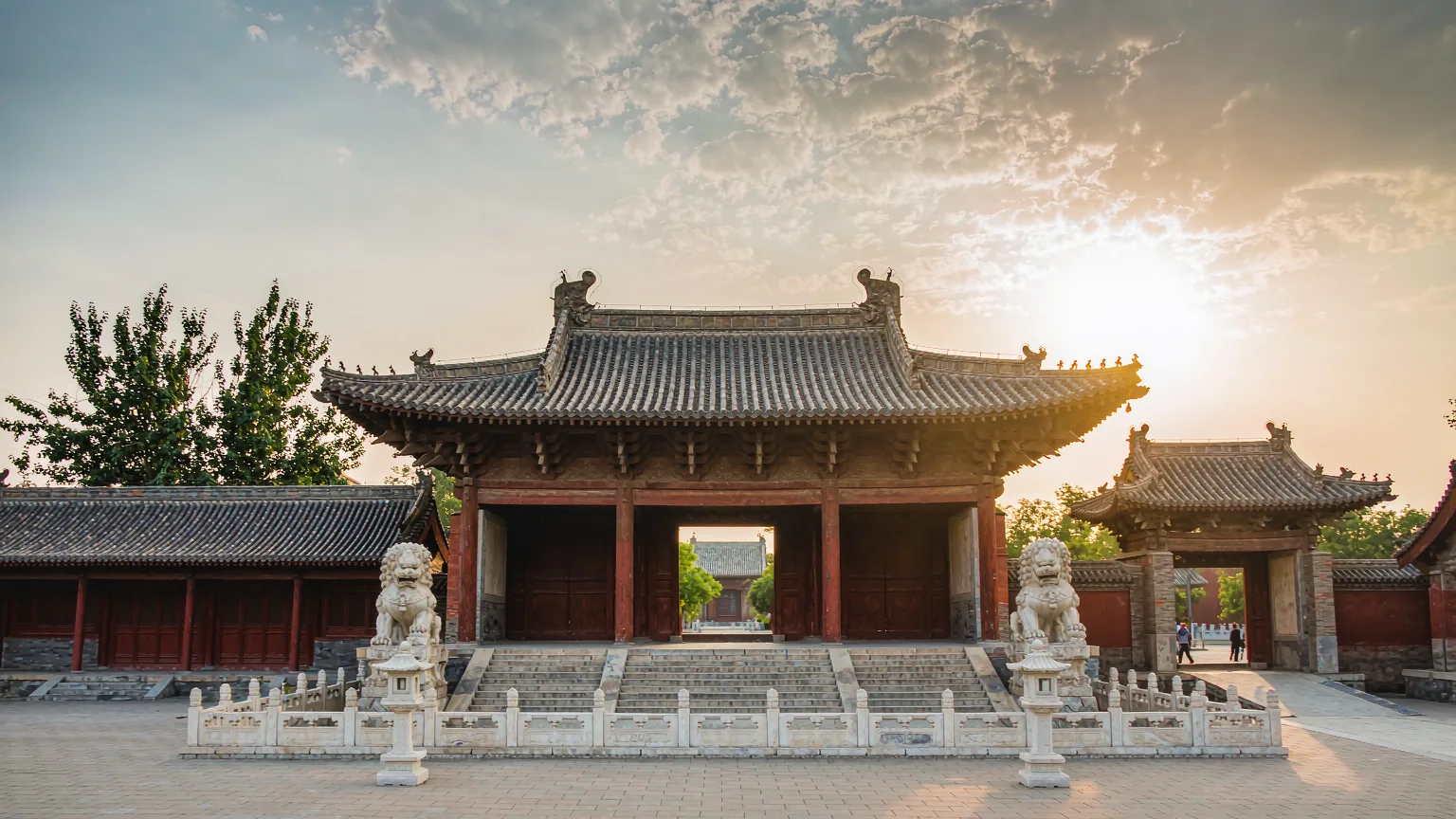
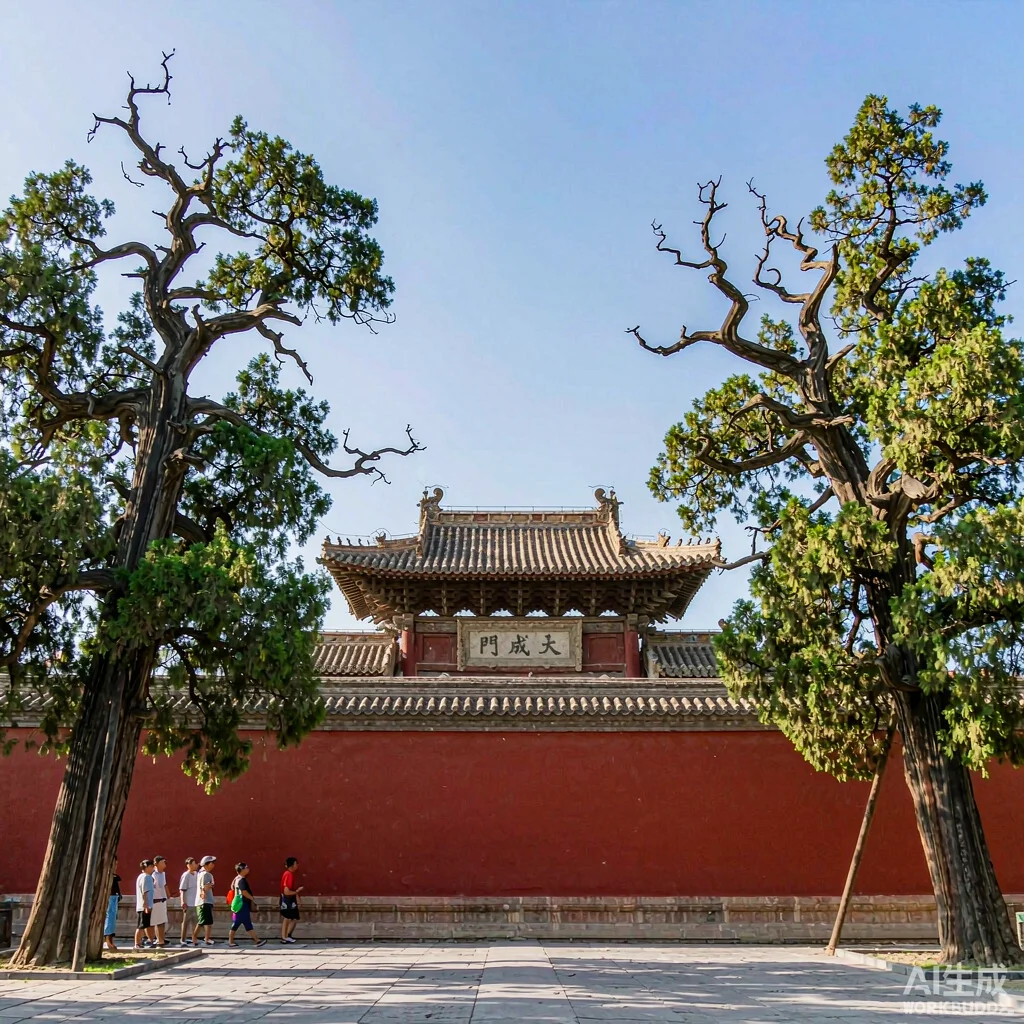
Qufu, in Shandong Province, is the birthplace of Confucius (551–479 BC) and the spiritual heart of Confucianism for over two and a half millennia. For nearly 2,000 years it served as the ancestral home of the Kong clan and the site of imperial rites honoring China's greatest philosopher. Emperors from the Han to the Qing dynasties made pilgrimages here, expanding the Temple of Confucius into a sprawling complex of halls, steles and ancient cypresses that rivals Beijing's Forbidden City in scale and solemnity. In 1994 UNESCO inscribed the Temple, Cemetery and Family Mansion of Confucius—the 'San Kong'—as a World Heritage Site.
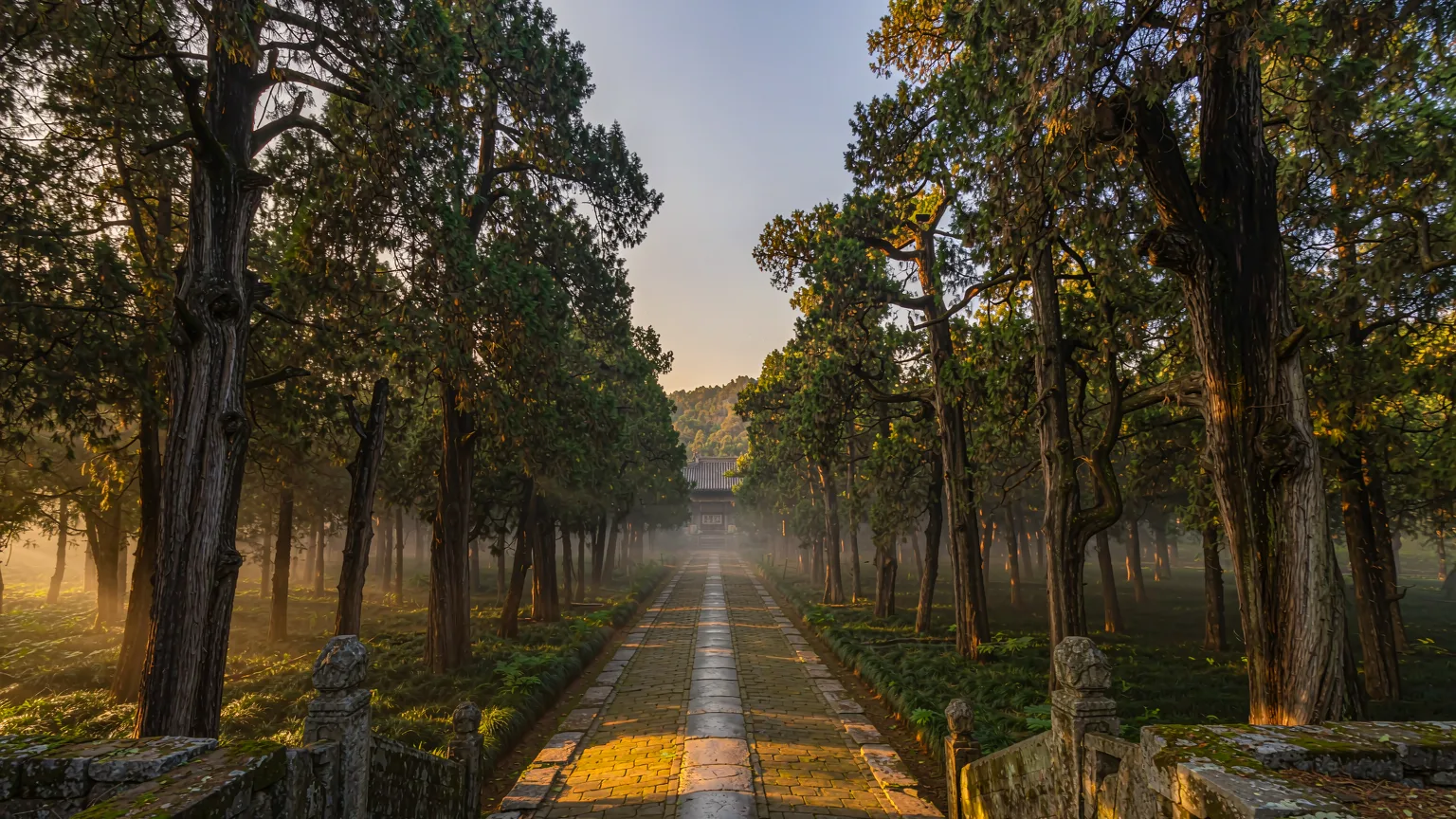
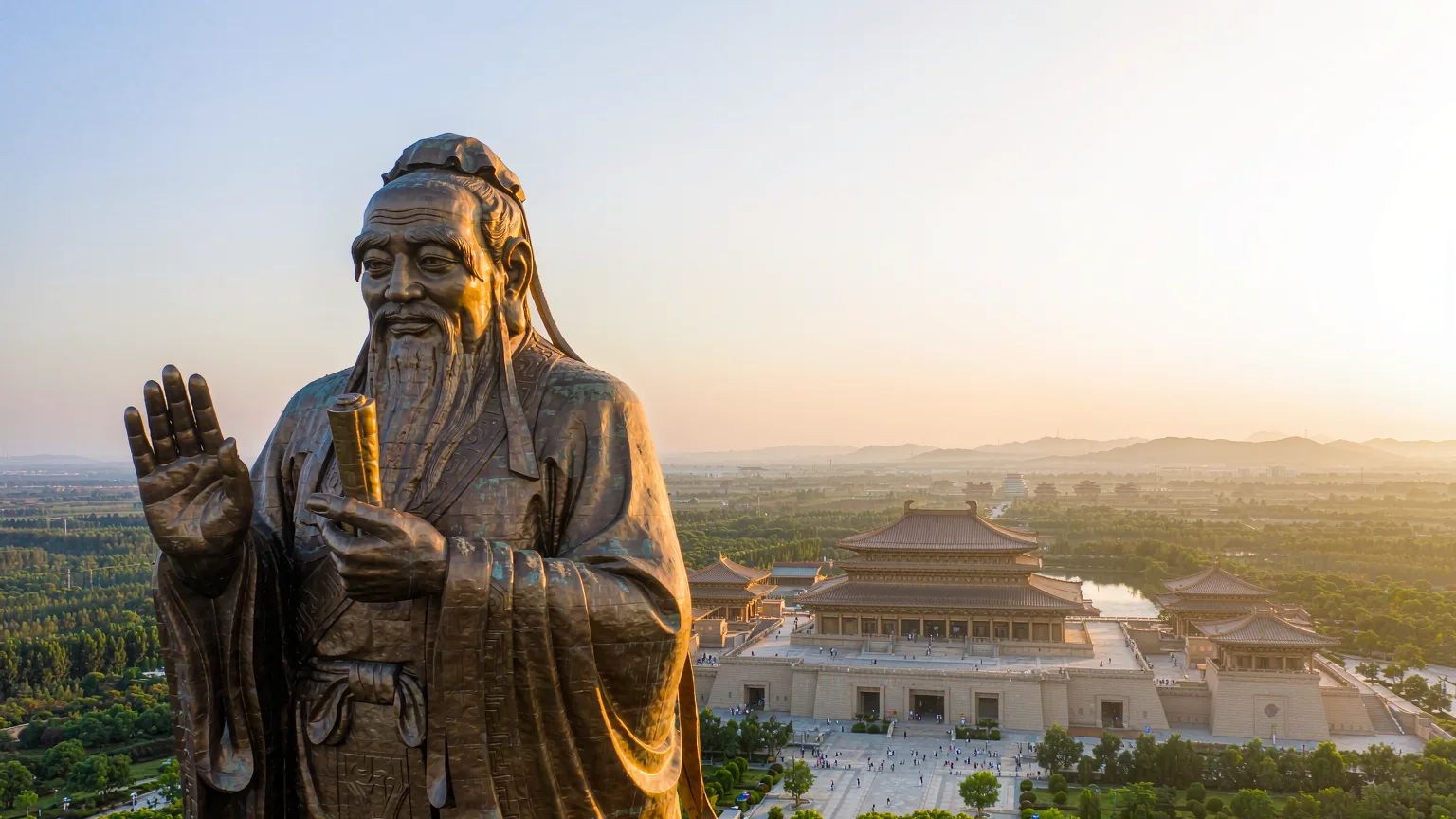
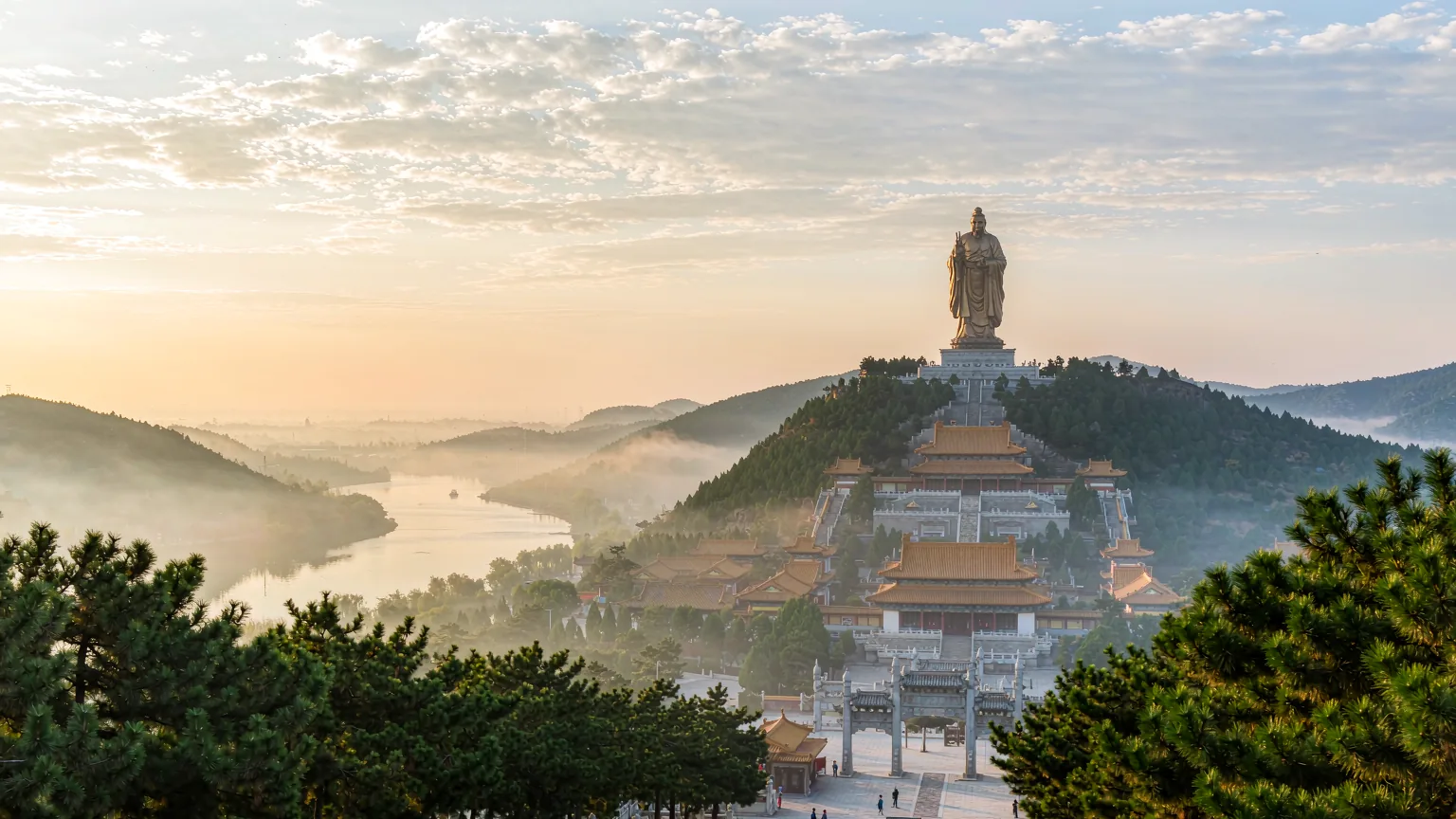
The city is compact and walkable, centered on the Ming-era walled old town where the Temple of Confucius (Kong Miao) and the Confucius Family Mansion (Kong Fu) stand side by side. North of the walls lies the Cemetery of Confucius (Kong Lin), a vast forested burial ground where Confucius and tens of thousands of his descendants rest. East of the city, the Nishan Scenic Area marks the legendary birthplace of the sage, now home to the striking Confucius Statue and the Nishan Confucius Temple. The newer town and the high-speed rail station area lie to the east and south, connected by broad avenues and shuttle buses.
Travelers come to Qufu for a profound cultural immersion: walking the same stone paths Confucius trod, watching the dawn gate-opening ceremony at the Temple, and tracing the evolution of Confucian thought through steles, halls and gardens. The pace is gentle, the crowds far thinner than in Beijing or Xi'an, and the experience deeply rewarding for anyone interested in Chinese philosophy, history or traditional architecture. English signage is limited but improving, and local guides can unlock the layers of meaning behind every hall and inscription.
Qufu covers approximately 896 km² and has a population of about 650,000. It is a county-level city under the administration of Jining, Shandong Province, with several urban districts and the UNESCO-listed 'San Kong' (Temple, Cemetery and Mansion of Confucius) at its heart.

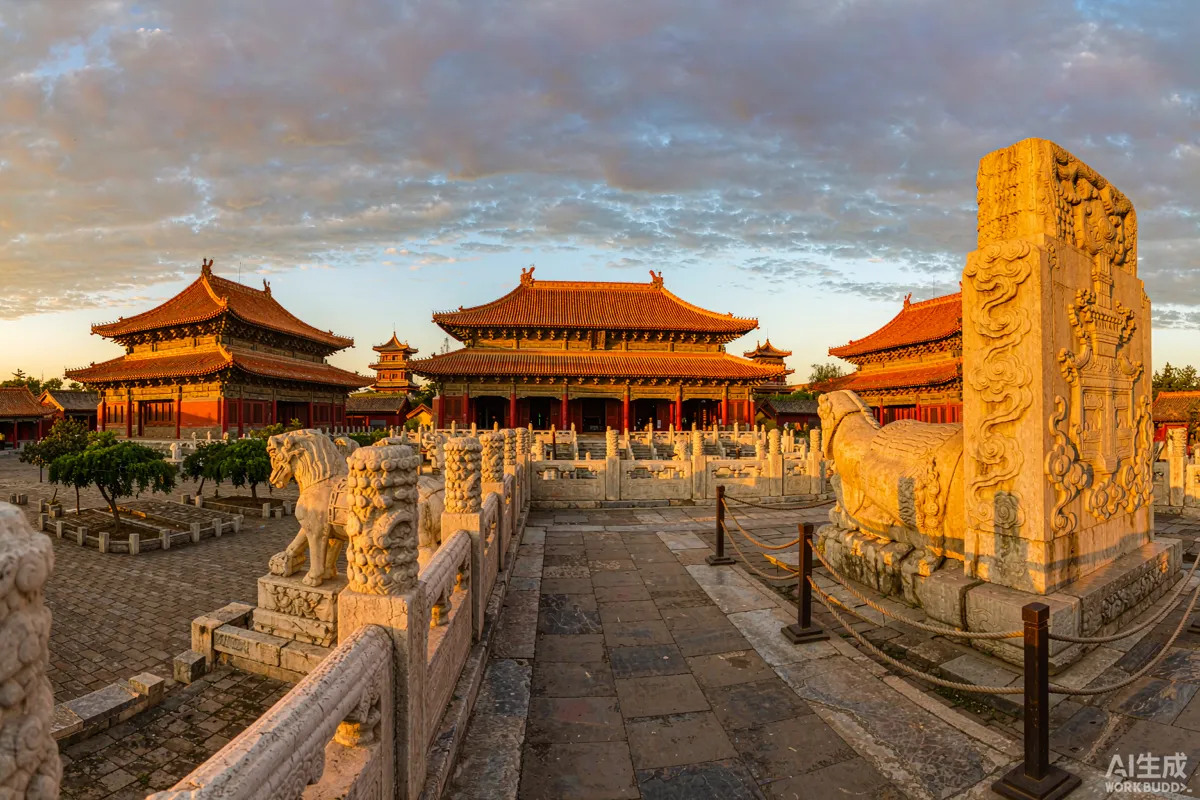
Three Confucian Sites Pilgrimage · Night Tour of Nishan · Full Confucian Culture Experience
View details →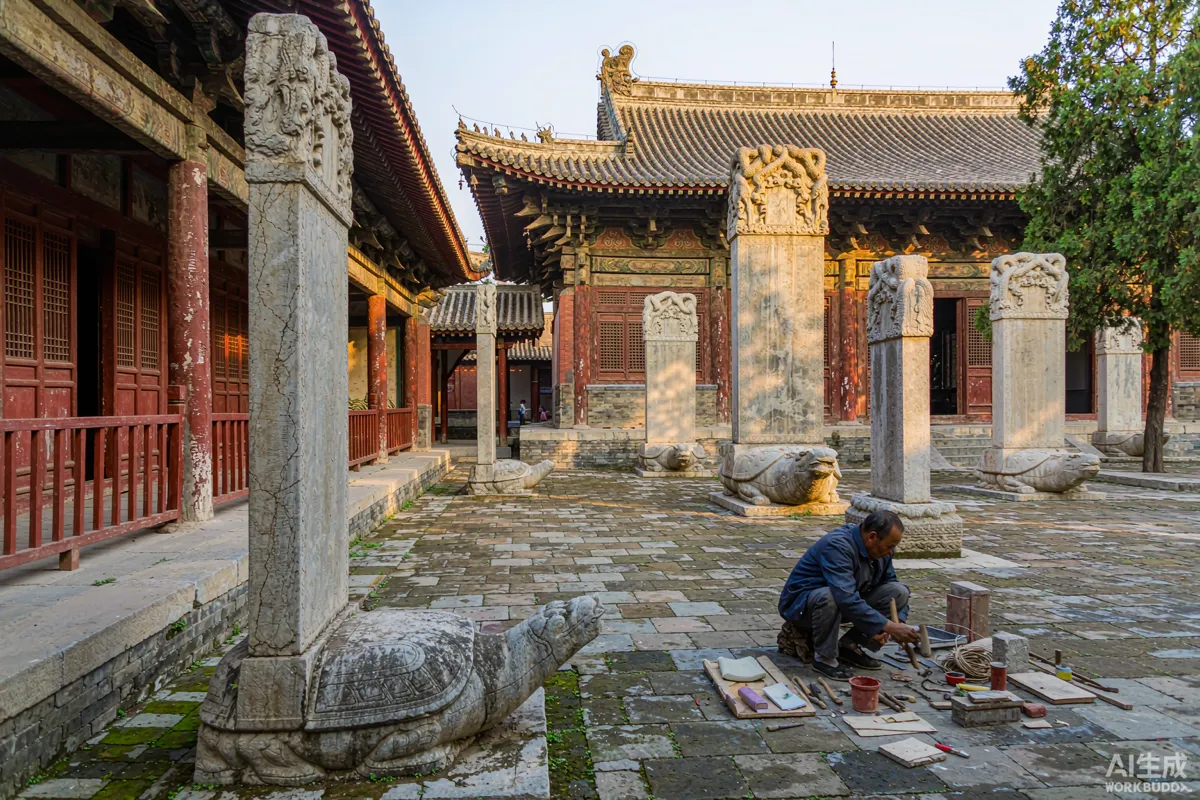
Exploring Ancient Sites · Intangible Cultural Heritage Handicrafts · Confucian Memories in Museums
View details →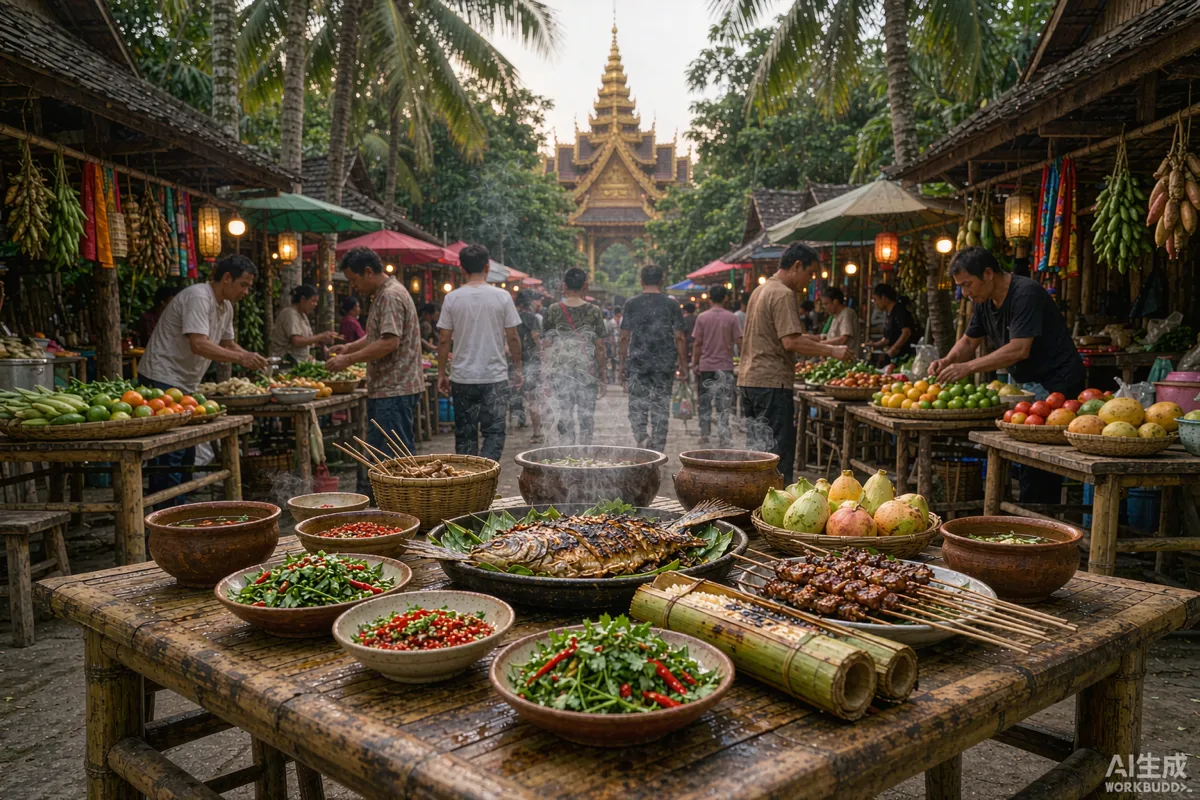
Exploring Confucius Mansion Cuisine · Market Snacks · Morning Pancakes and Porridge Shops
View details →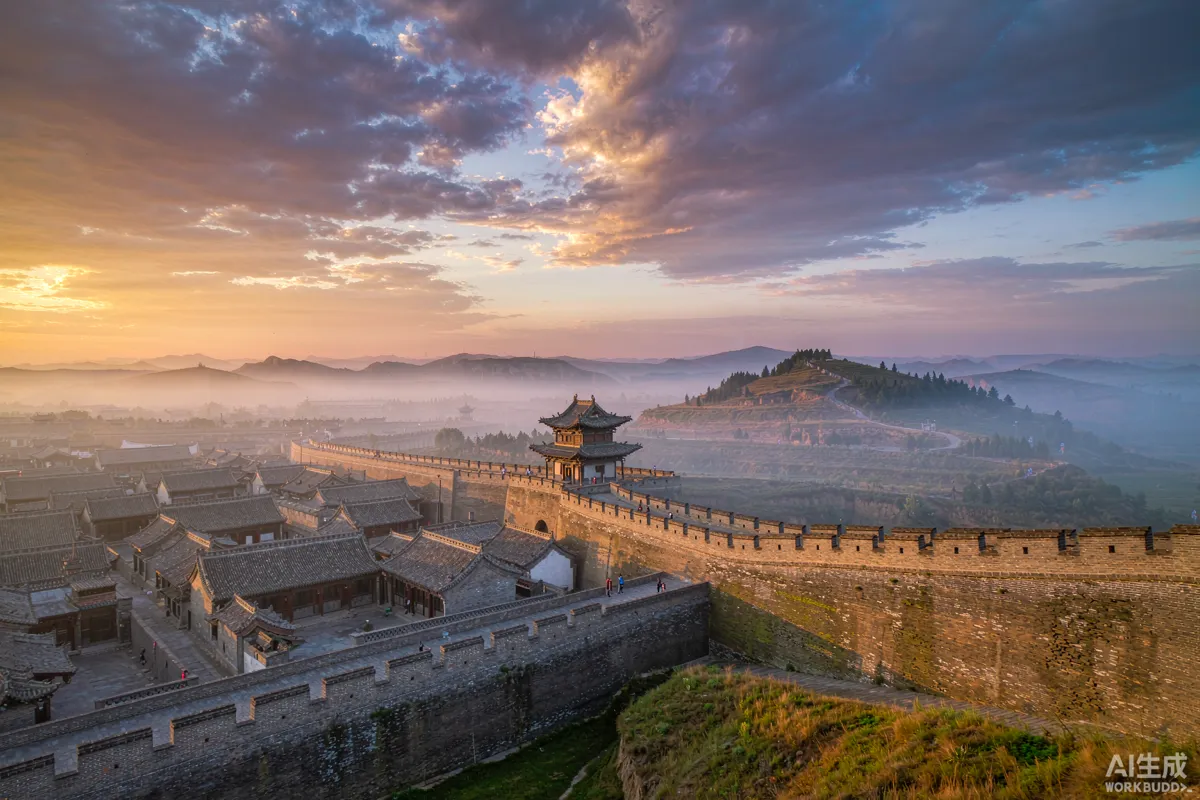
Nishan Hiking · Shimenshan Photography · Si River Cycling · Stargazing Camping
View details →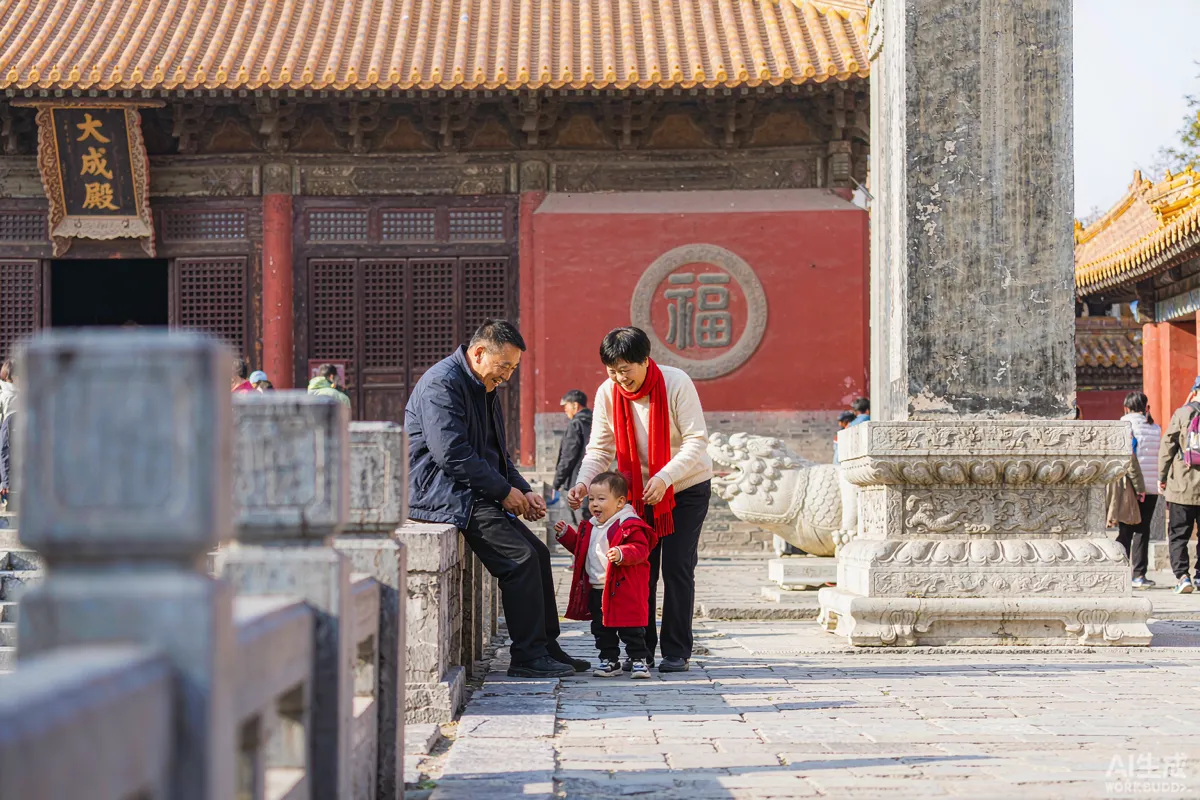
Analects Recitation · Hanfu Experience · Nishan Family Park
View details →| Fleet | Airport pickup & drop-off | Chauffeur by the day | Intercity transfers |
|---|---|---|---|
 Economy | from $84Book → | from $280Book → | from $170Book → |
 Comfort | from $134Book → | from $448Book → | from $272Book → |
 Luxury | from $202Book → | from $672Book → | from $408Book → |
 Special vehicles | For groups of 7+, please contact our trip designer for a quote | ||
prices may vary by date & route
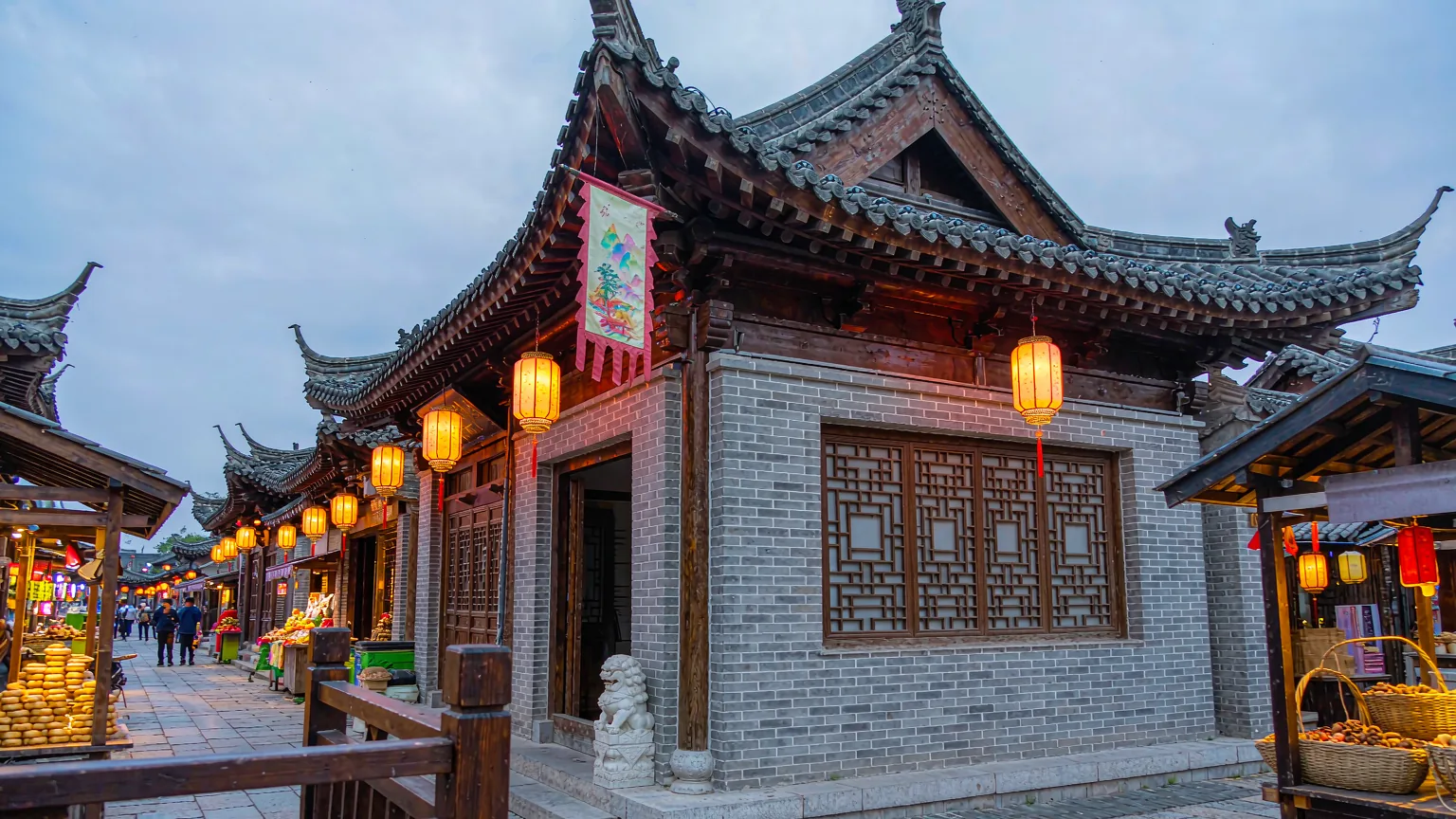
Qufu is a small city with an outsized place in Chinese history. As the birthplace of Confucius, it has been a site of pilgrimage for emperors, scholars and ordinary people for over two millennia. The city's layout is defined by its Ming Dynasty walls, which enclose the Temple of Confucius and the Family Mansion, while the Cemetery lies to the north. The sacred sites are collectively known as the 'San Kong' (Three Confucian Sites) and form the core of any visit.
Beyond the old town, Qufu is a modern county-level city with a growing university presence and a new high-speed rail station that puts it within easy reach of Jinan, Beijing and Shanghai. The Nishan Scenic Area, east of the city, has been developed as a major cultural tourism destination, featuring a towering Confucius statue and a new temple complex. Despite these modern additions, the ancient heart of Qufu remains remarkably intact and atmospheric.
Qufu is well connected by high-speed rail. Qufu East Railway Station (曲阜东站) is on the Beijing–Shanghai High-Speed Line, with frequent trains to Beijing (about 2.5 hours), Shanghai (about 3.5 hours) and Jinan (about 30 minutes). From the station, taxis and buses take about 20–30 minutes to reach the old town. The older Qufu Railway Station, on the conventional line, is closer to the city center but slower.
Within Qufu, the main Confucian sites are within walking distance of each other in the old town. The Temple of Confucius and the Family Mansion are adjacent, and the Cemetery is a short taxi or pedicab ride north. Local buses and taxis are inexpensive, and cycle rickshaws are a charming way to get around. For Nishan Scenic Area, about 25 km southeast of the city, taxis or tour buses are the best option.
Qufu's cuisine is rooted in Shandong (Lu) cooking, one of China's eight great culinary traditions, known for its emphasis on fresh ingredients, clear flavors and meticulous technique. Local specialties often carry Confucian connotations, with dishes named after philosophical concepts or prepared according to traditional recipes from the Kong family kitchens. The city's restaurants range from simple noodle shops to formal banquet halls, and many are clustered around the old town and near the Temple of Confucius.
Shopping in Qufu focuses on cultural souvenirs and local products. The streets around the Temple of Confucius and the old town are lined with shops selling calligraphy supplies, Confucian classics, carved seals, and traditional handicrafts. For everyday items, the newer commercial areas have supermarkets and department stores. Remember to bargain politely at small stalls, though fixed prices are common in larger shops.
Qufu is not a city for clubbing or late-night bars; its evenings are quiet and cultural. After dark, the illuminated old town and the area around the Temple of Confucius offer pleasant strolls. Some hotels and cultural centers host traditional music or tea ceremonies. For a memorable experience, check if there is a night performance or light show at the Nishan Scenic Area, which sometimes runs evening programs. Otherwise, enjoy a relaxed dinner and an early night before a morning of sightseeing.
Qufu has a temperate monsoon climate with four distinct seasons. Spring and autumn are the most comfortable times to visit, with mild temperatures and lower humidity. Summer can be hot and humid, while winter is cold and dry. The busiest times are during Chinese public holidays, especially the National Day Golden Week (early October) and the Confucius Memorial Ceremony on September 28, when crowds swell. For a peaceful experience, aim for weekdays in April–May or September–October.
| Period | Temperature | Conditions |
|---|---|---|
| Mar–May | 6-22°C | Spring: mild and pleasant, with blooming flowers. Best for walking tours. |
| Jun–Aug | 22-32°C | Summer: hot and humid, occasional rain. Carry water and sun protection. |
| Sep–Nov | 10-26°C | Autumn: cool and dry, ideal weather. Peak season around National Day and Confucius ceremony. |
| Dec–Feb | -4-8°C | Winter: cold and dry, occasional snow. Fewer crowds, but some sites may have shorter hours. |
Every private guide is licensed and vetted. Choose a tier that fits your trip — rates are per guide, per day, in USD.
A dependable all-rounder for an easy, well-planned day.
An experienced specialist with deeper local insight.
A senior expert — and, on request, medical-travel accompaniment.
Hand-picked, licensed guides based right here. Tap book to start a conversation and lock in your dates.

Most travellers spend 3 days in Qufu, though many stay longer once they arrive. If you want to combine Qufu with other cities — pandas, mountains, food streets — our consultants design one private itinerary at your own pace.
Yes. MyGuideTrip arranges vetted, licensed local guides in Qufu and across China. Your guide speaks fluent English, stays with you for the entire trip, and handles tickets, transport and restaurant picks. Meet them on the Guides page.
Qufu is best known for the Temple of Confucius, watch the city gate opening ceremony and experience a thousand years of Confucian sacrificial music and ritual. The recommended itineraries below cover these highlights with smart timing to beat the crowds.
Send us your dates, group size and interests — a dedicated consultant replies within 24 hours with a tailor-made Qufu itinerary covering guide, driver, hotels and tickets. Start with a free consultation below.
Tell us a little about your trip and we'll get back to you within 24 hours.
We'll reply within 24 hours.