
Guest — sign in to save your enquiries.
My account
The Temple of Confucius in Qufu is the ancestral temple where China has honoured its greatest sage for over two millennia. As a UNESCO World Heritage Site and one of China's three great ancient architectural complexes, it offers a profound journey into Confucian thought and imperial ritual. With our private guide, you'll navigate its vast courtyards and decode the steles and halls that tell China's intellectual story.
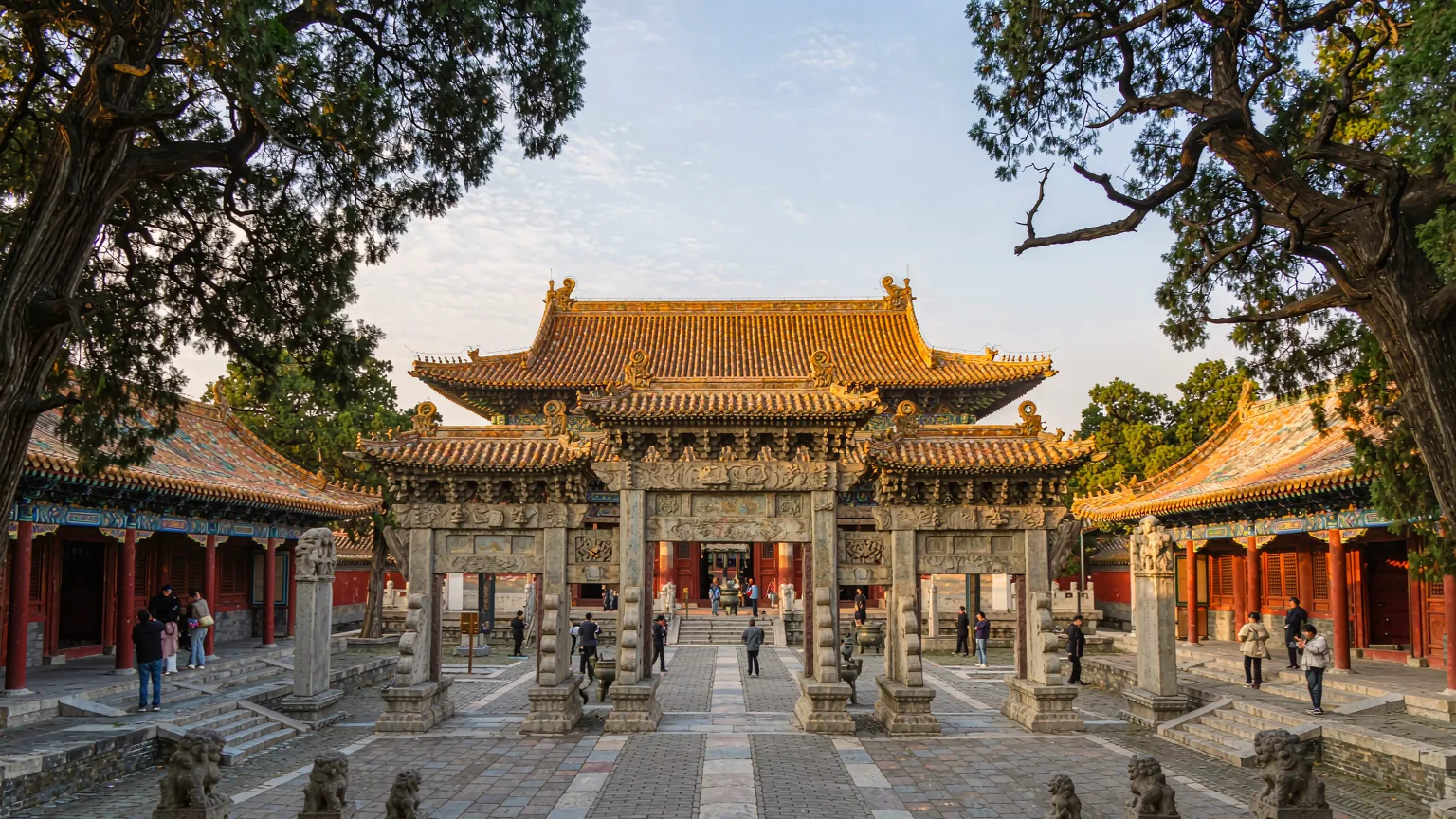
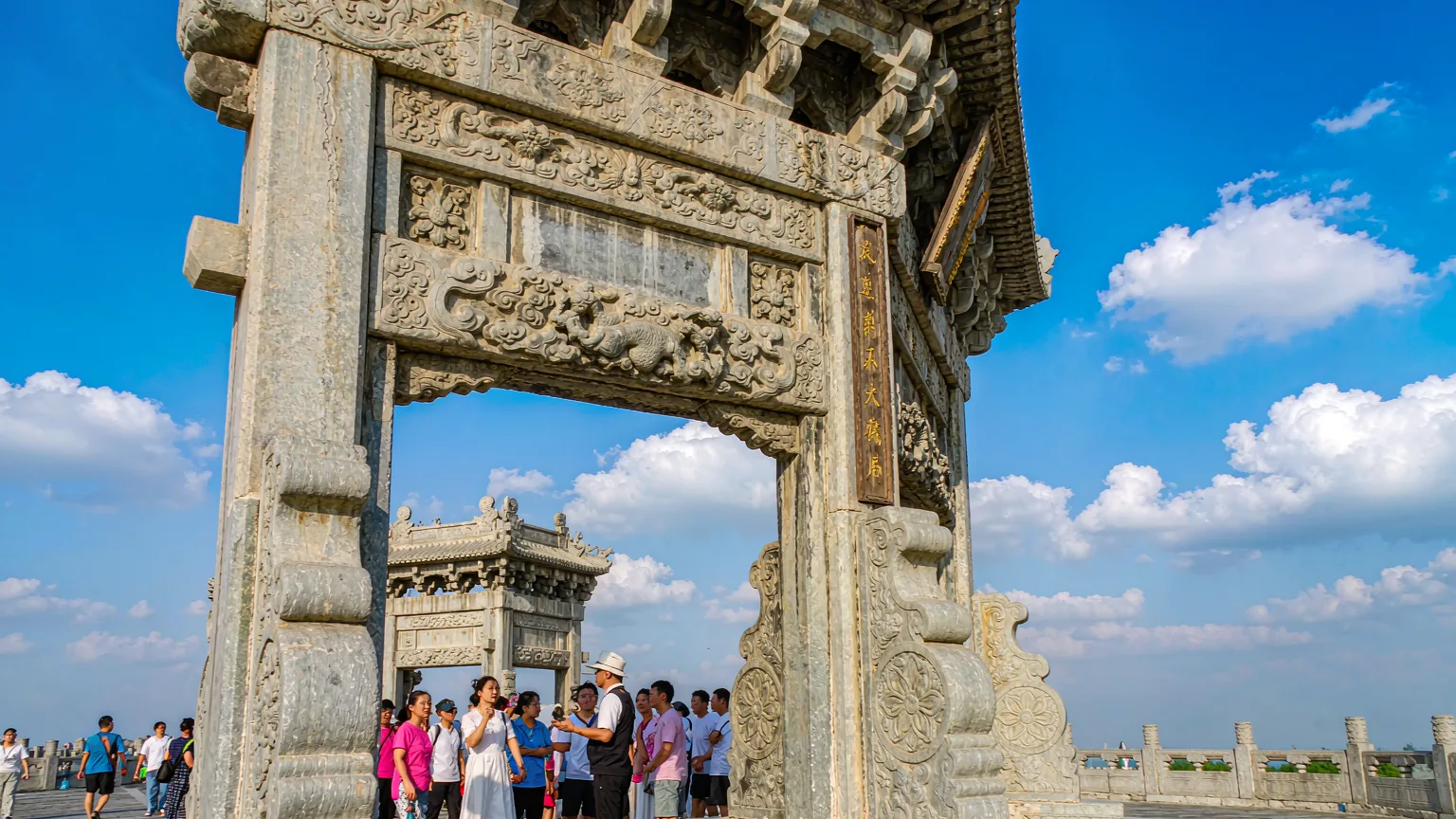
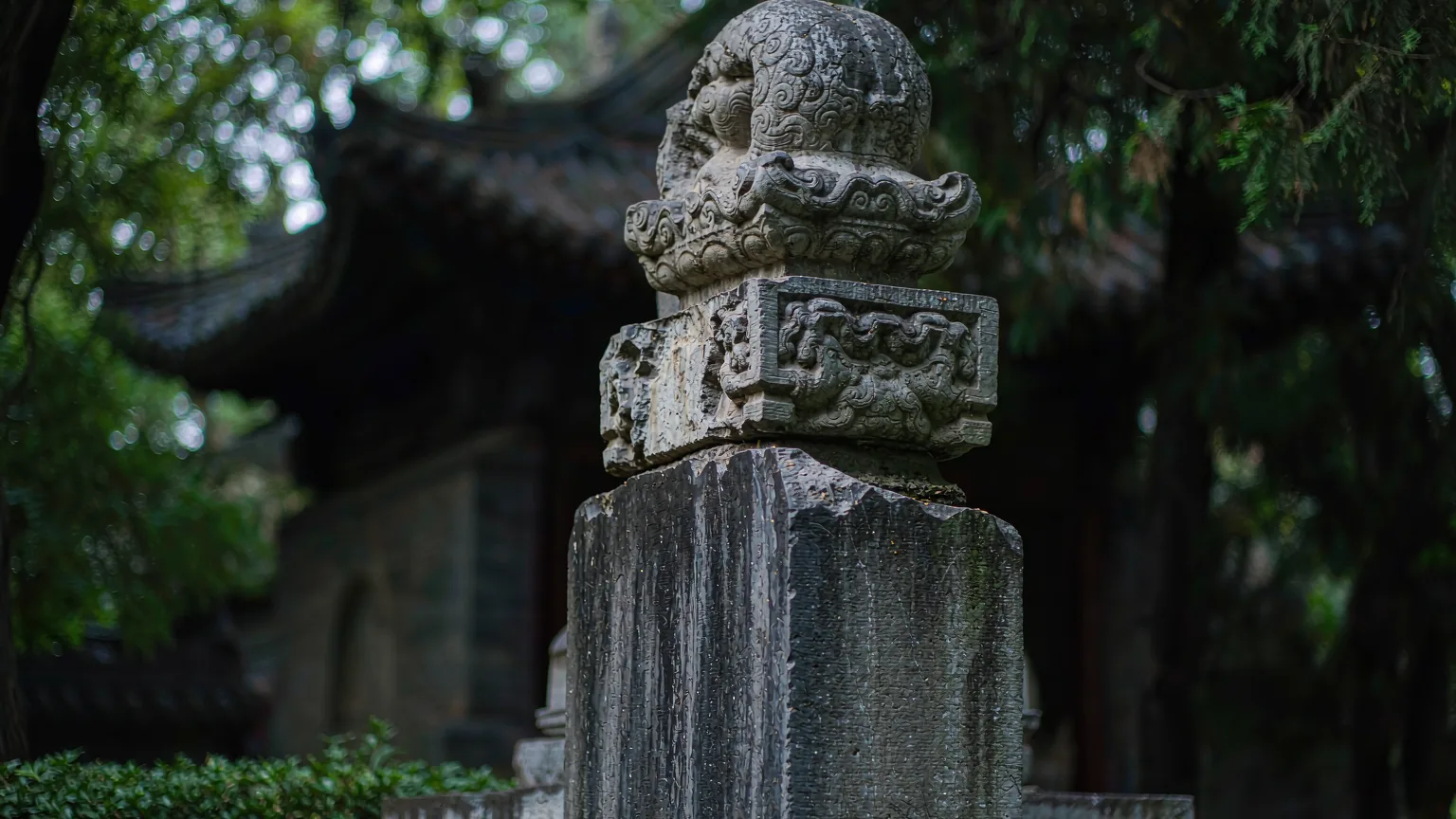
Founded in 478 BCE, one year after Confucius's death, the Temple of Confucius began as a modest shrine in his hometown of Qufu. Over the centuries, emperors expanded it into a sprawling complex of nine courtyards, 466 rooms, and 54 steles, modelling it after the Forbidden City. It served as the primary site for imperial sacrifices to the sage, with rituals performed by emperors themselves or their delegates. The temple's layout reflects Confucian ideals of harmony and hierarchy, and its survival through dynastic changes underscores Confucius's enduring influence on Chinese civilisation.
Today, the temple is part of the "Temple and Cemetery of Confucius and the Kong Family Mansion" UNESCO World Heritage Site, inscribed in 1994. Visitors can explore the Great Achievement Hall (Dacheng Hall), one of China's largest wooden halls, and the Apricot Pavilion, where Confucius is said to have taught. The complex also houses the Kong Family Mansion, the hereditary residence of Confucius's descendants. For those interested in Chinese philosophy and architecture, this site is indispensable, and our guides bring its stories to life with scholarly insight.
Qufu is easily reached by high-speed rail from Beijing (about 2.5 hours) or Shanghai (about 3 hours) to Qufu East Station. From there, a taxi or our private transfer takes you to the temple (15 minutes). We recommend combining the Temple, Cemetery, and Kong Family Mansion into a full-day tour, as they are within walking distance of each other. Our guide will handle tickets and timing, so you can focus on the experience.
Admission to the Temple of Confucius is ¥80 (or ¥150 for a combined ticket including the Cemetery and Kong Family Mansion). Opening hours are 8:00–17:30 (until 17:00 in winter). Book via our team or at the gate; foreign credit cards are accepted at official counters, but WeChat Pay or Alipay linked to an international card is more convenient for on-site purchases.
The best time to visit is during spring (April–May) or autumn (September–October), when the weather is mild and the cypress trees are lush. Avoid the first week of October (National Day) and Chinese New Year, when crowds surge. Early morning, right at opening, offers the most peaceful experience and better lighting for photography.
The main courtyards are mostly flat, but some halls have steps. Wheelchairs can navigate the primary paths, though assistance may be needed at certain points.
Yes, they are close together and a combined ticket covers all three. Allow 4–5 hours to explore at a relaxed pace.
Signage is limited in English. We recommend our guided tour or renting an audio guide for deeper context.
There is no strict dress code, but modest attire is respectful. As it's an active cultural site, avoid overly revealing clothing.
Tell us your dates, group size and preferences — a dedicated consultant will reach out within 24 hours.