Guest — sign in to save your enquiries.
My account
Thirteen Dynasties Ancient Capital, Longmen Grottoes and White Horse Temple tell of a thousand years of Buddhist charm, and in April the peonies captivate the whole city.
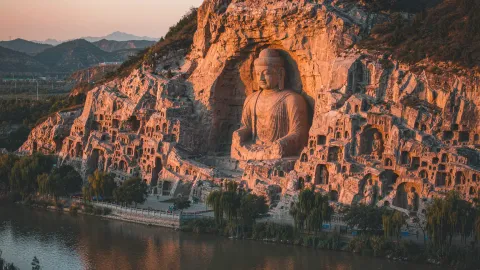
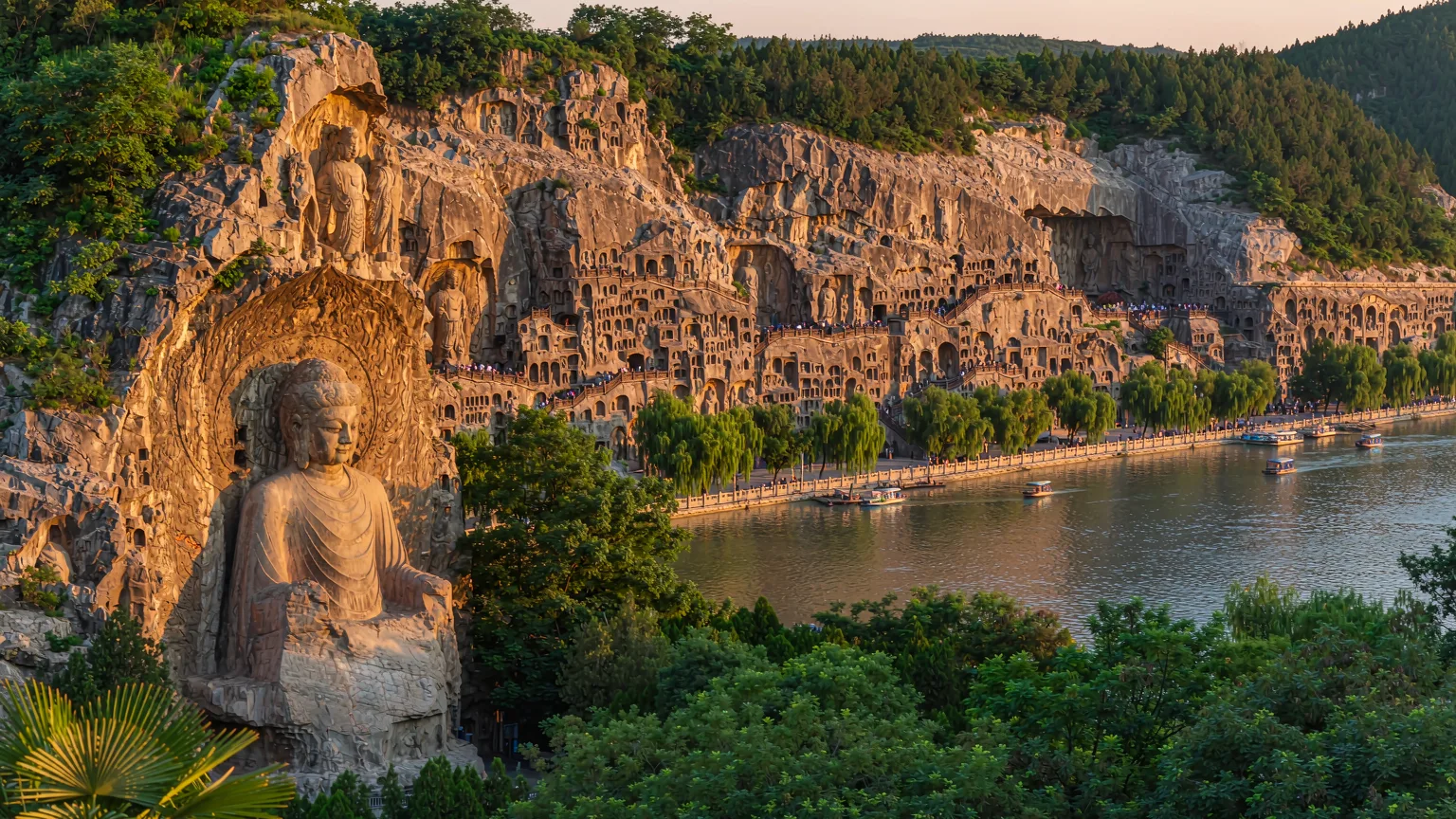
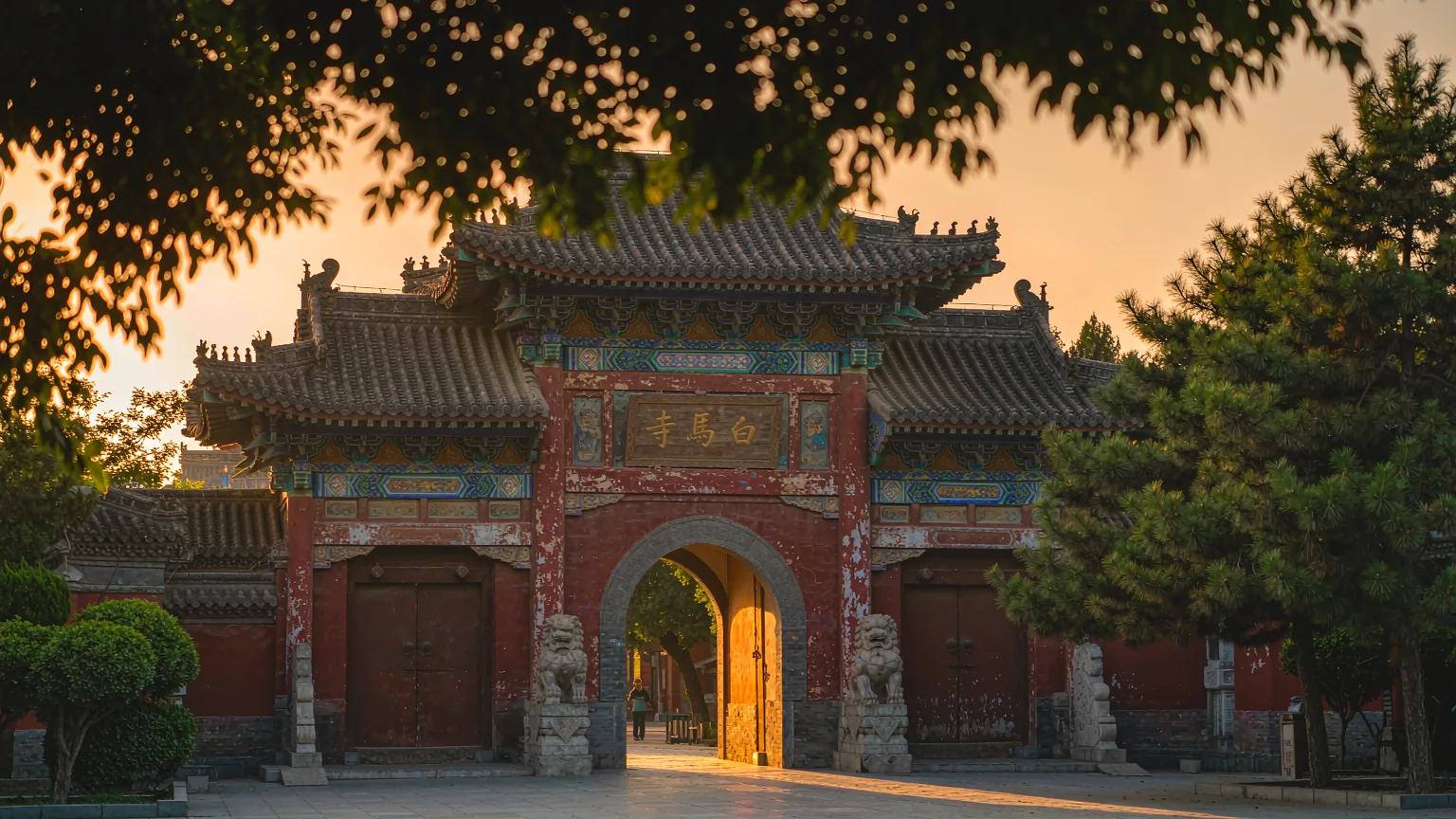
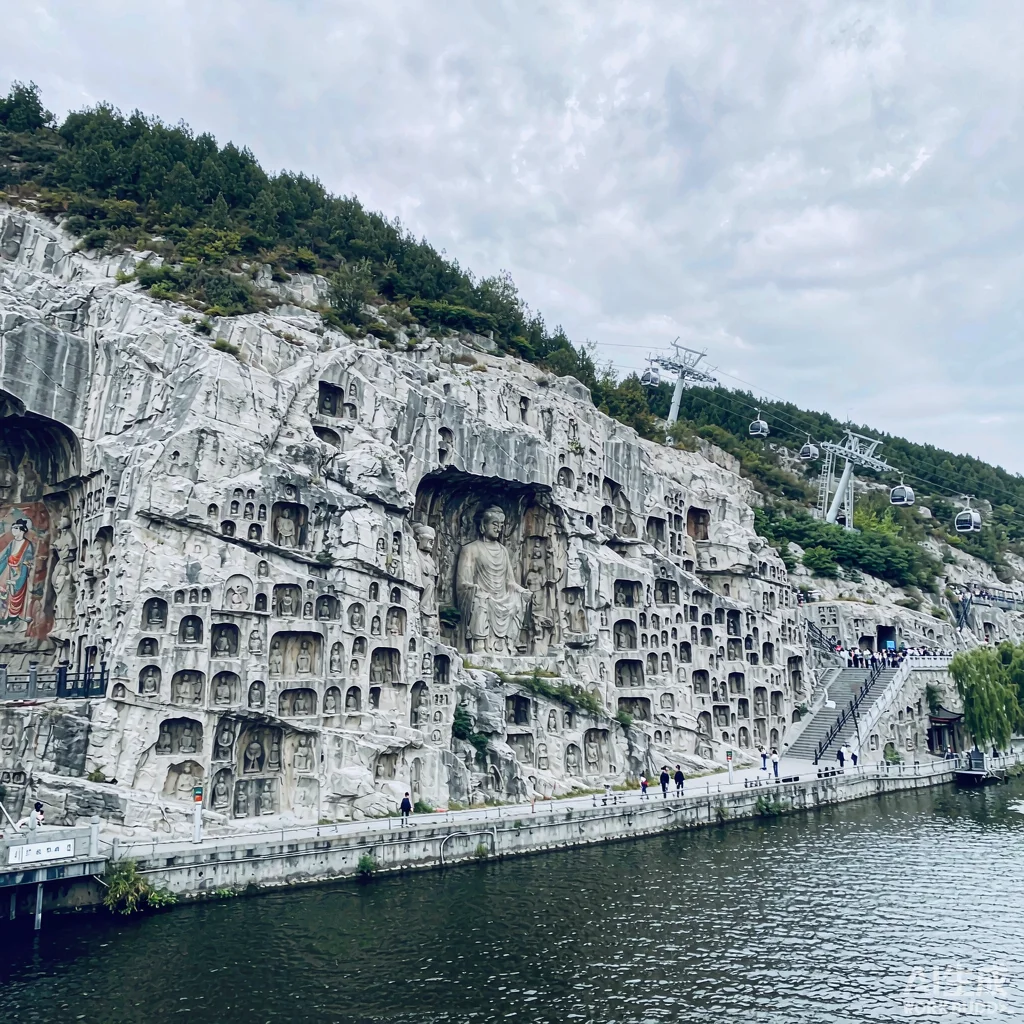
Luoyang is one of China's four great ancient capitals and the cradle of Chinese civilization. Stretching back more than 4,000 years, it served as the capital of thirteen dynasties, including the Eastern Zhou, Eastern Han, Wei, Sui and Tang, and was known as Luoyi, Dongdu and Shendu. It was here that Buddhism took root in China at the White Horse Temple, the first Buddhist temple in the country, and here that the Longmen Grottoes carved thousands of Buddhist figures into limestone cliffs along the Yi River. Luoyang is also the birthplace of the peony as an imperial flower and the ancestral home of countless Chinese surnames.
The city sits in the Yiluo Basin of western Henan, cradled by the Yellow River to the north and the Qinling foothills to the south. Modern Luoyang spreads across nine urban districts, from the historic Laocheng (Old City) and Chanhe Hui District in the east to the industrial Jianxi District in the west, and the fast-growing Luolong District in the south, which holds the city's high-speed rail station and the new Luoyang Museum. The Luo River cuts through the center, dividing the old and new halves of the city, while the Yi River flows south past the Longmen Grottoes.
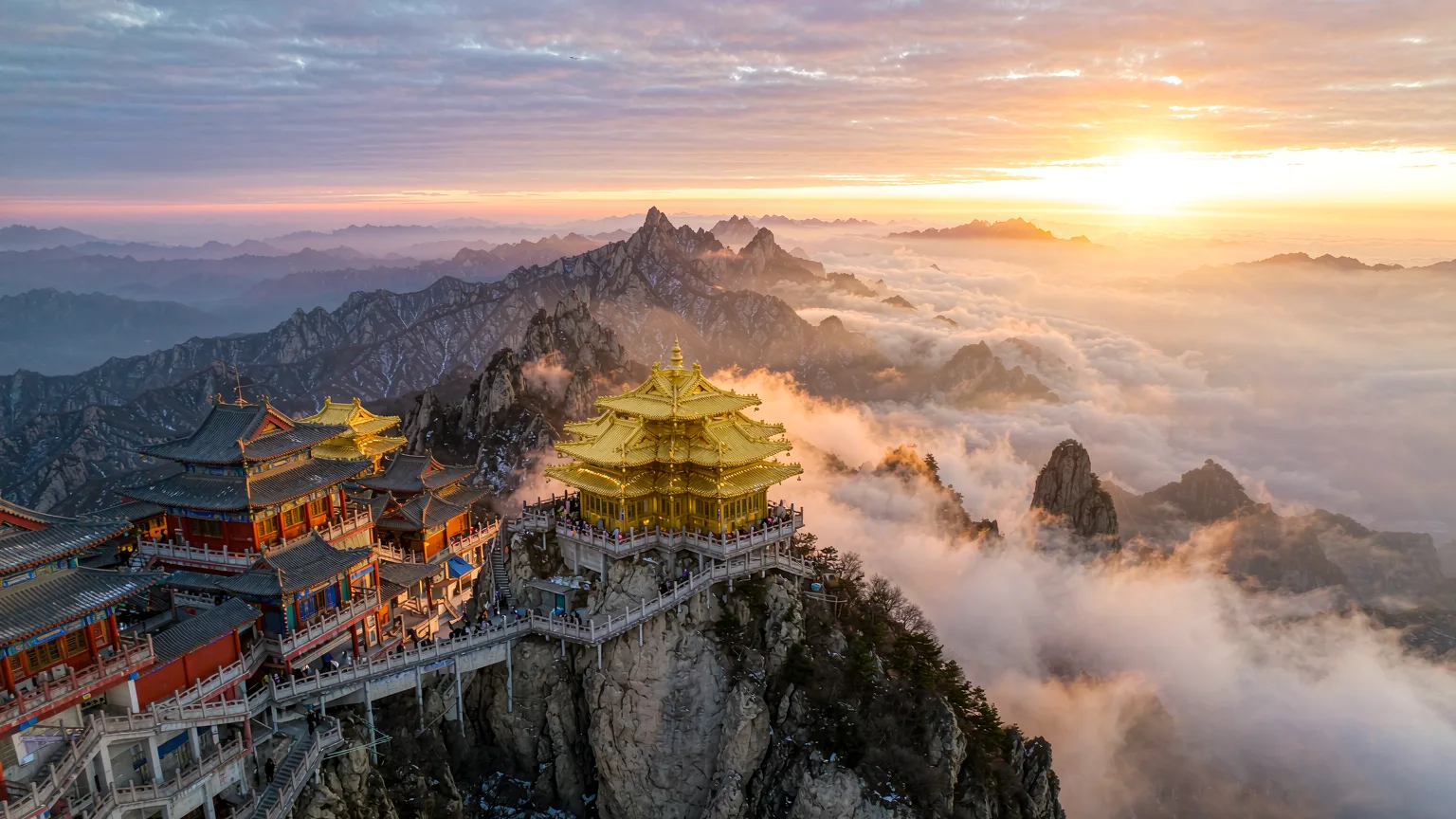
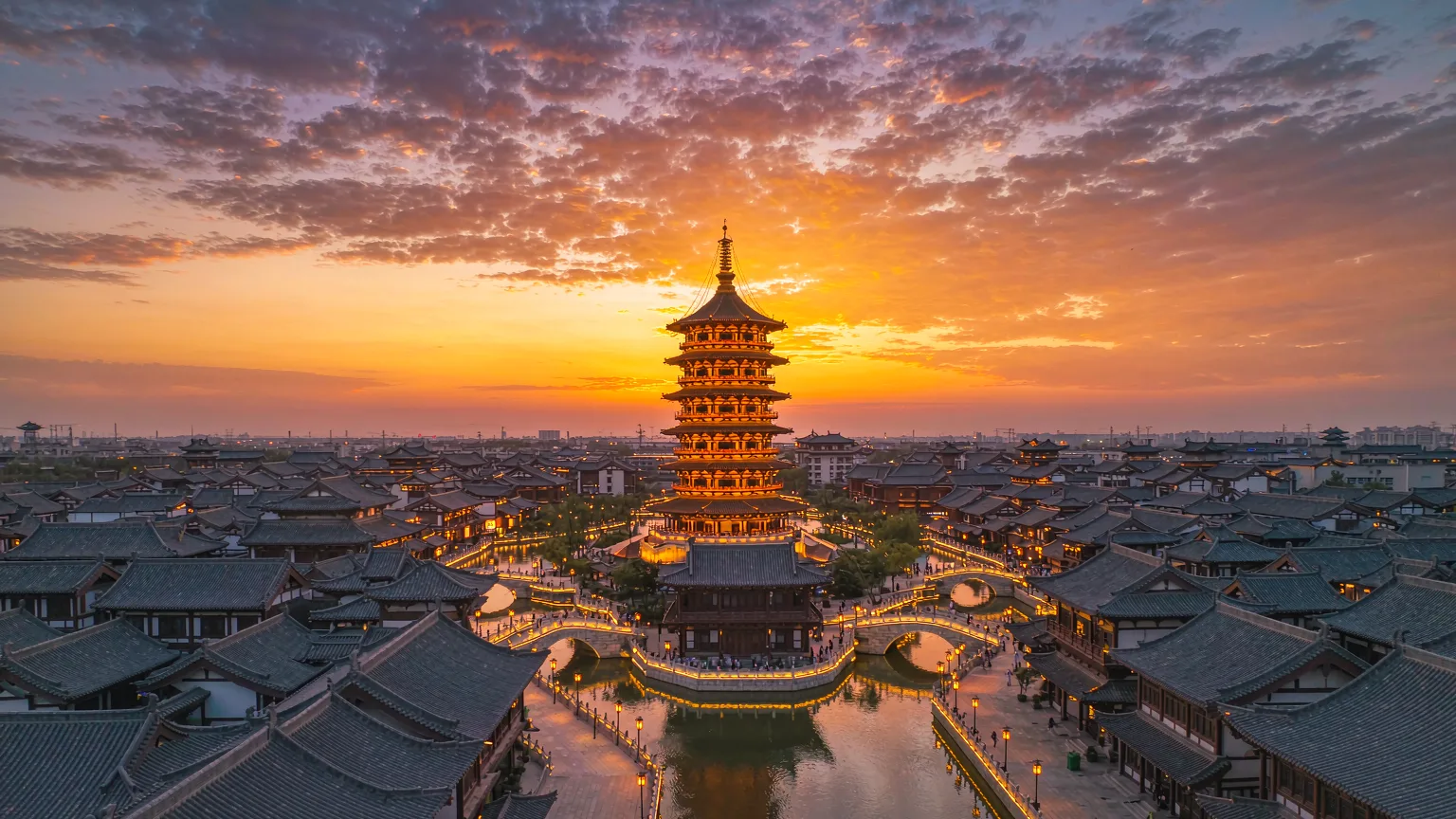
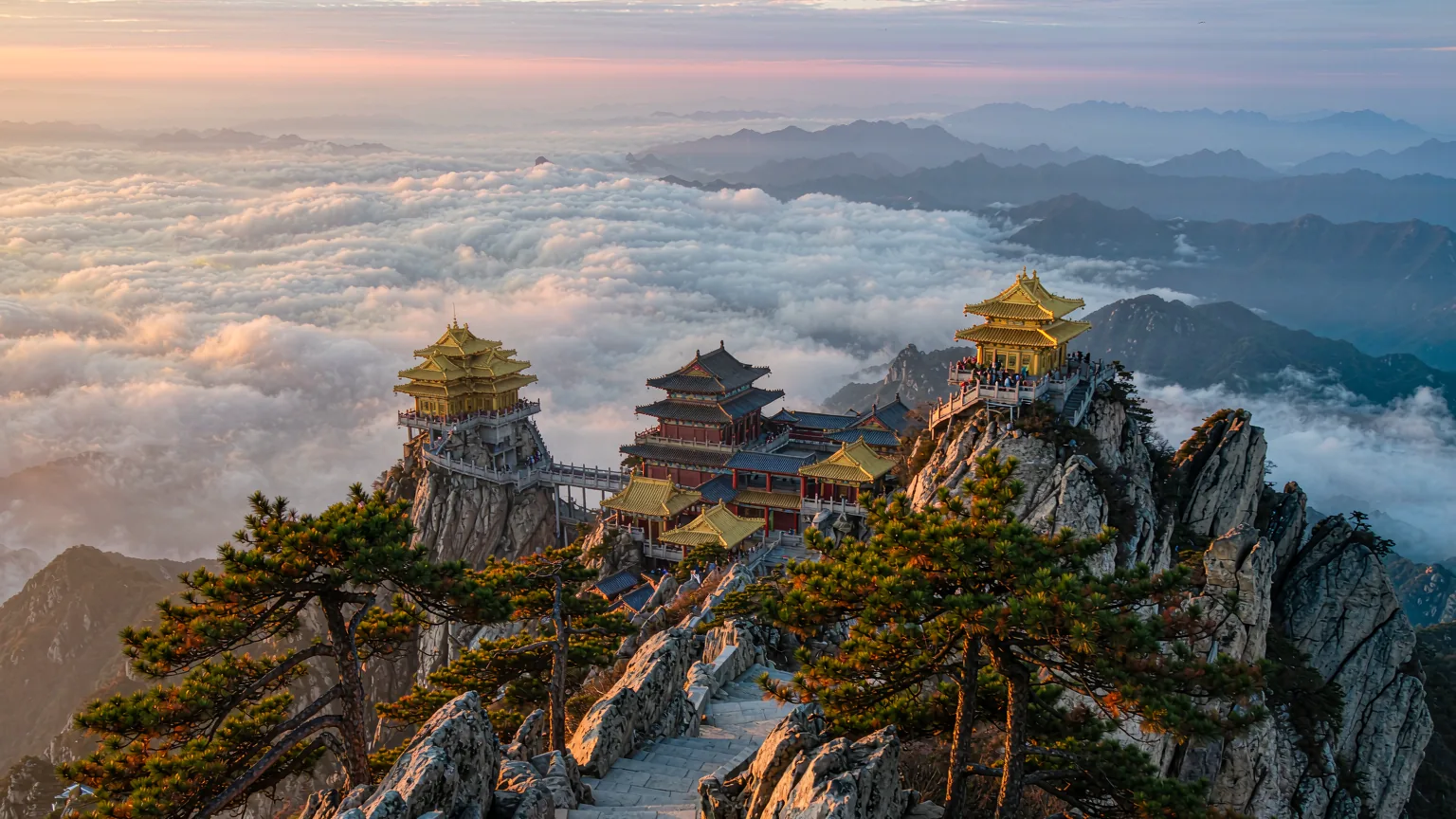
For travelers, Luoyang is a compact, walkable destination where ancient and modern coexist. You can wander the reconstructed Luoyi Ancient City at dusk, watch peonies bloom in Wangcheng Park in April, climb Laojun Mountain for sunrise over the clouds, or spend a full day at the Longmen Grottoes and the White Horse Temple. The city is also a gateway to the Shaolin Temple and the ancient capital of Kaifeng, both within easy reach by high-speed rail. With its rich history, excellent food and warm hospitality, Luoyang rewards those who linger.
Luoyang covers 15,230 km² and has a population of about 7.05 million. It is divided into 7 urban districts, 7 counties and 1 county-level city. As one of China's Four Great Ancient Capitals, Luoyang is home to two UNESCO World Heritage Sites: the Longmen Grottoes and the Silk Roads: the Routes Network of Chang'an-Tianshan Corridor (which includes the Luoyang section).

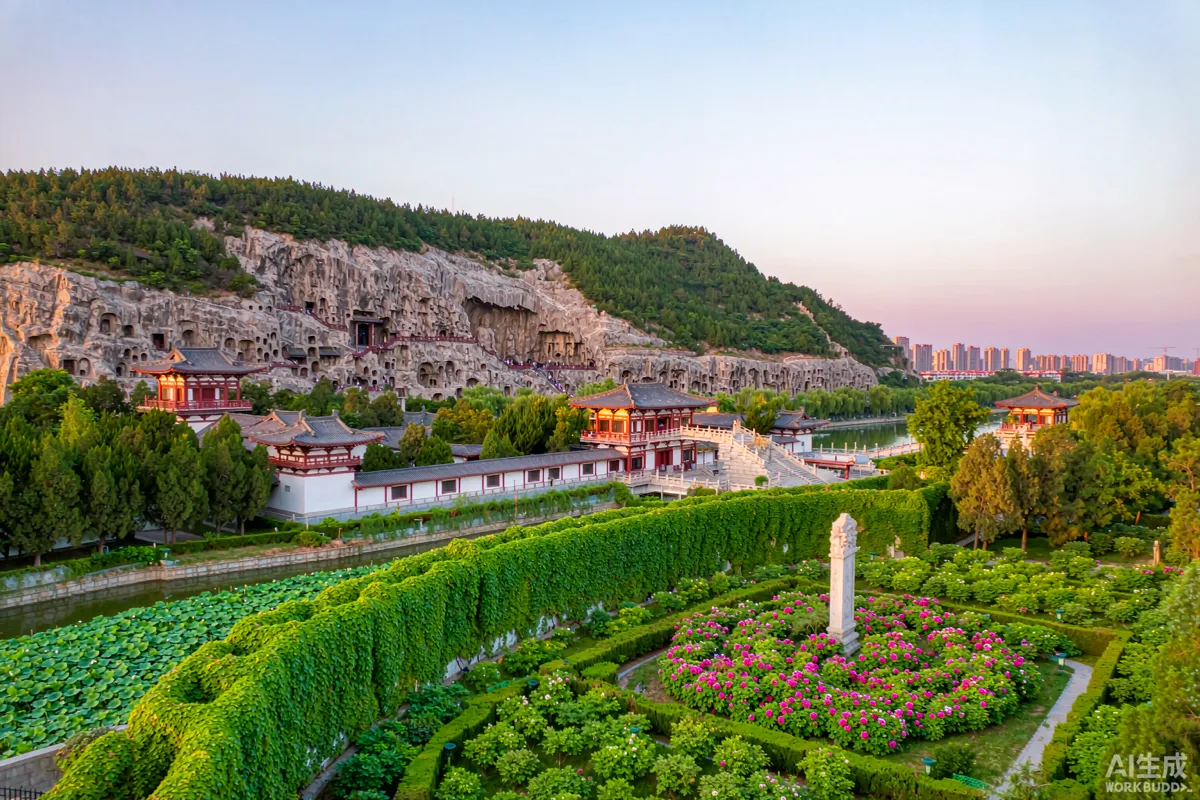
Longmen Grottoes · White Horse Temple · Luoyi Ancient City · 3-Day Overview of the Millennia-Old Imperial Capital
View details →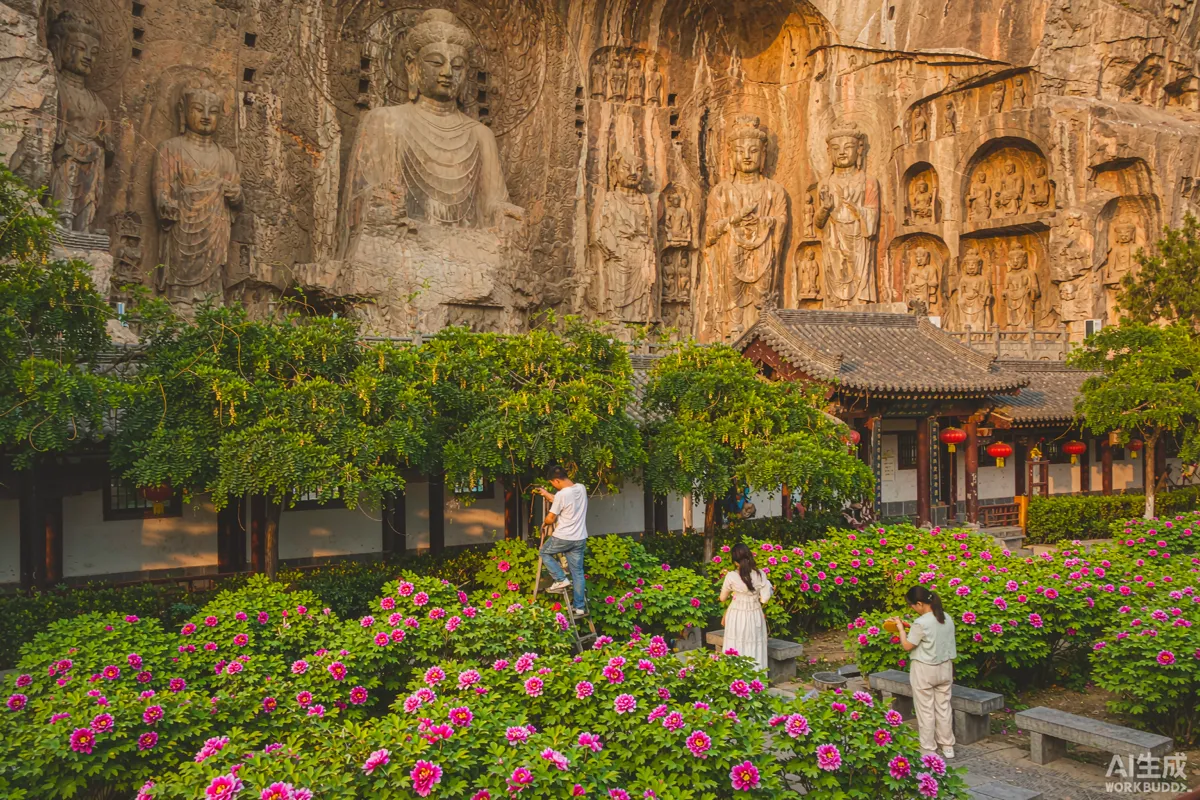
Two-Day Intensive Study of Museums, Grottoes, Intangible Cultural Heritage & Local Culture
View details →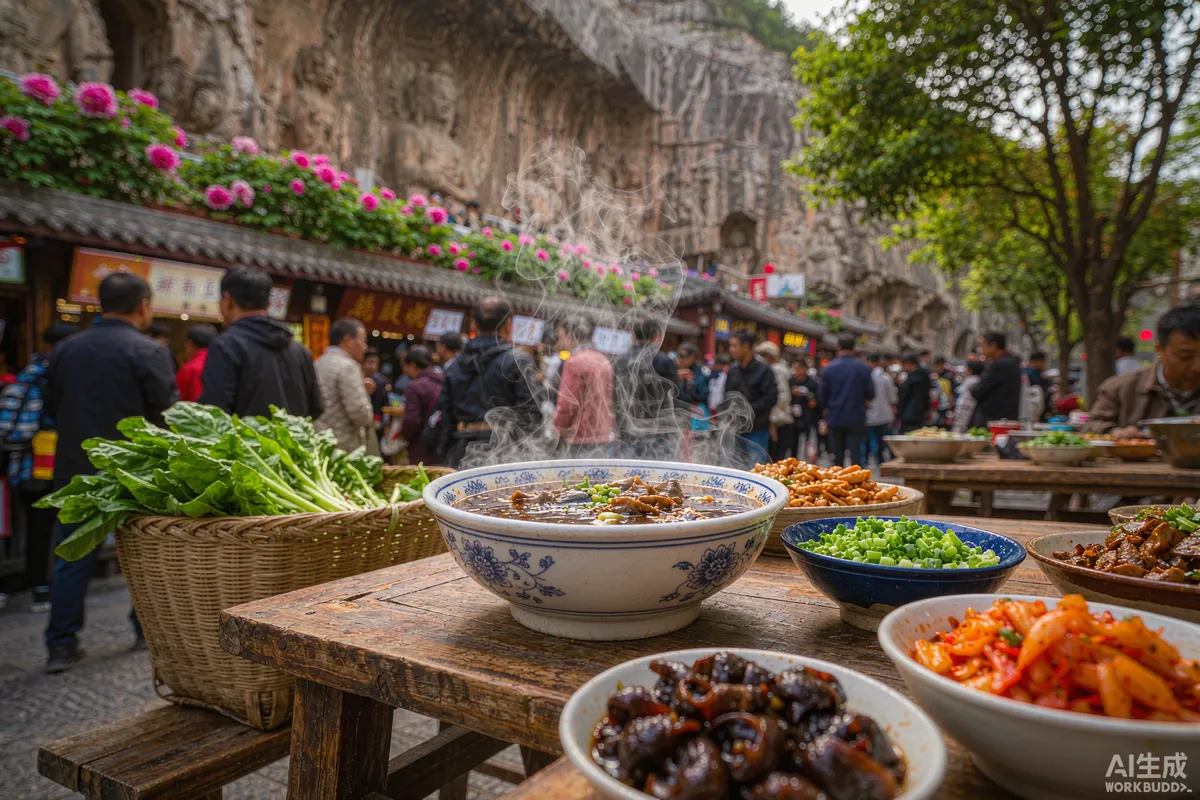
Soup Culture · Street Snacks · Wet Market 2-Day Food Hunt
View details →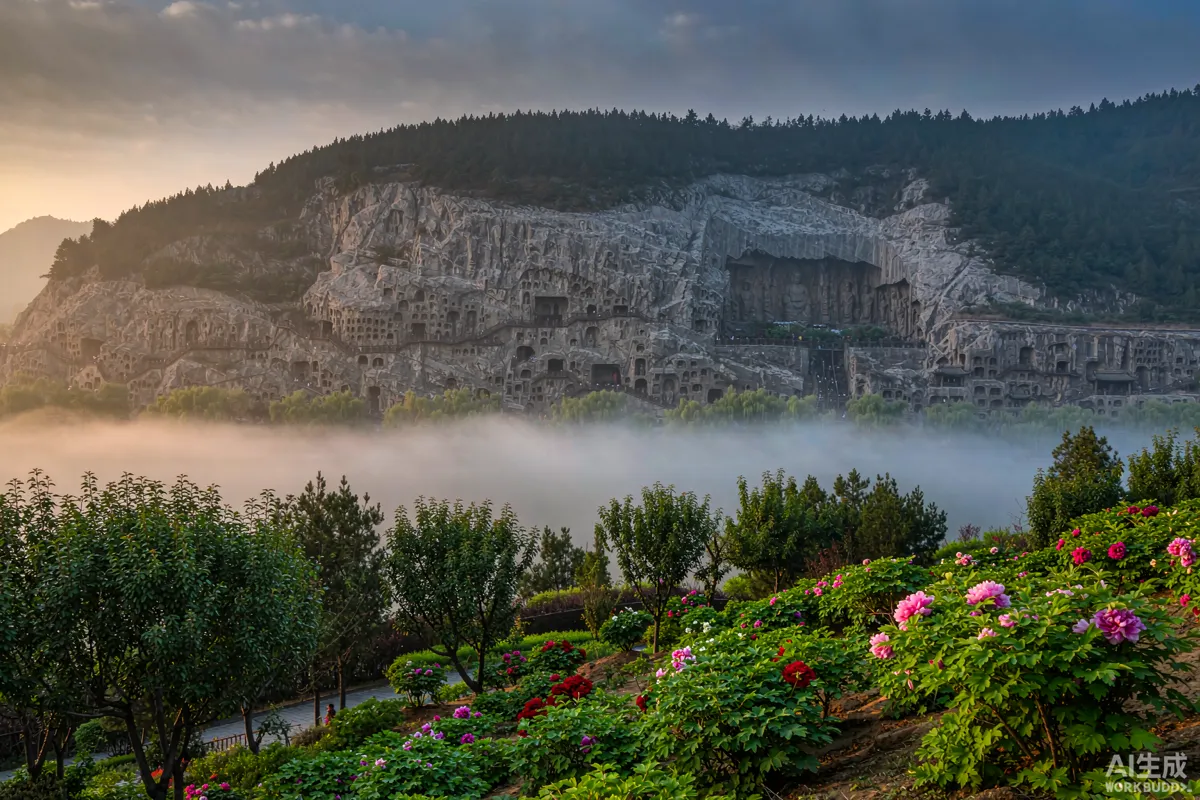
Laojun Mountain · Baiyun Mountain · Canyon Hiking · 4-Day Landscape Photography
View details →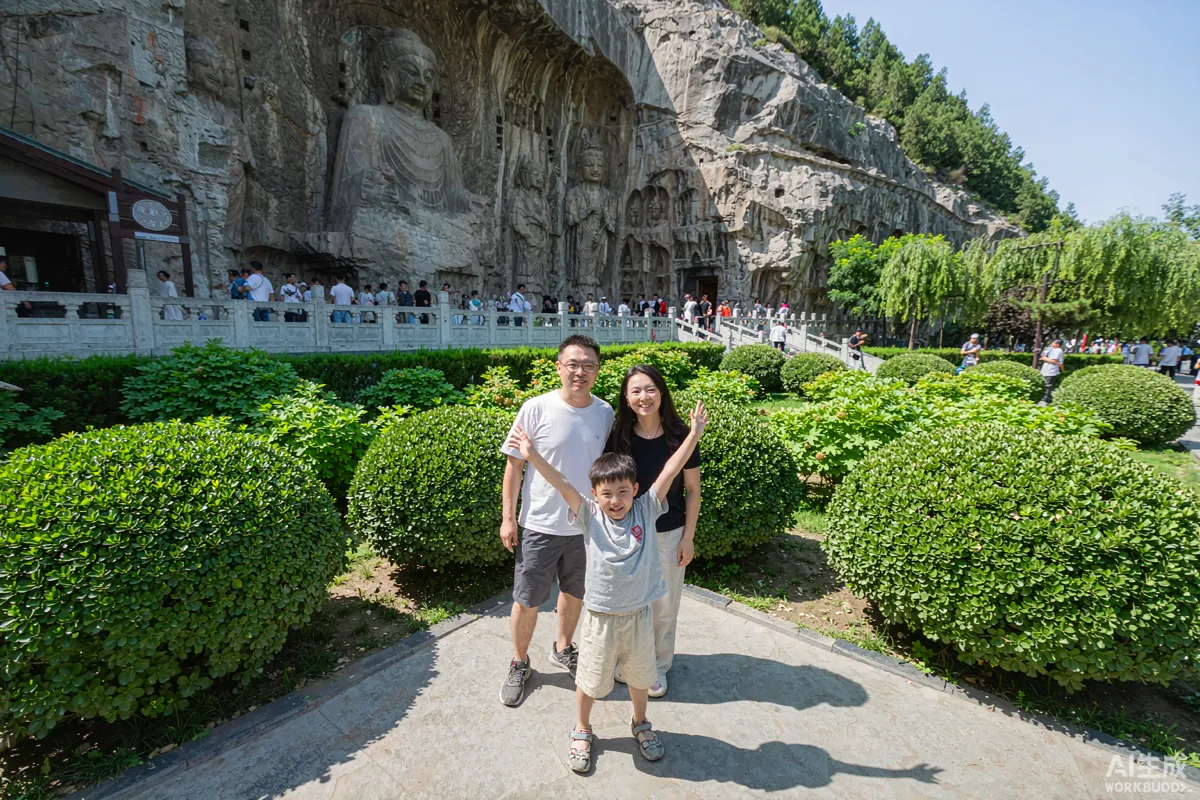
3-Day Relaxed Family Trip: Grottoes Exploration · Animal Kingdom · Parent-Child Handicrafts
View details →| Fleet | Airport pickup & drop-off | Chauffeur by the day | Intercity transfers |
|---|---|---|---|
 Economy | from $84Book → | from $280Book → | from $170Book → |
 Comfort | from $134Book → | from $448Book → | from $272Book → |
 Luxury | from $202Book → | from $672Book → | from $408Book → |
 Special vehicles | For groups of 7+, please contact our trip designer for a quote | ||
prices may vary by date & route
Luoyang is a city where history is layered into every street. As the capital of thirteen dynasties, it was the political, economic and cultural heart of China for over 1,500 years. The city's golden age came during the Tang Dynasty, when it was known as Dongdu (Eastern Capital) and later Shendu (Divine Capital), and its population exceeded one million. Today, Luoyang blends its ancient heritage with a modern industrial base, particularly in the Jianxi District, home to major machinery and aerospace enterprises.
The city's layout is defined by its rivers and mountains. The Luo River flows through the center, separating the historic old town on the north bank from the newer districts to the south. The Yi River, a tributary, cuts through the southern suburbs, where the Longmen Grottoes are carved into the cliffs. To the north, the Yellow River marks the city's boundary, while the Funiu Mountains rise to the south. This geography has shaped Luoyang's development, with the high-speed rail station and new civic buildings clustered in Luolong District.
Luoyang is well connected by high-speed rail. Luoyang Longmen Station, located in the south of the city, is on the Zhengzhou-Xi'an high-speed line, with frequent trains to Xi'an (about 1.5 hours), Zhengzhou (40 minutes), Beijing (4 hours) and Shanghai (6 hours). The older Luoyang Railway Station, north of the city center, serves conventional trains. Luoyang Beijiao Airport has limited domestic flights, but most travelers arrive via Zhengzhou Xinzheng International Airport, about 2 hours away by high-speed rail or 3 hours by road.
Within the city, the metro system has two lines (Line 1 and Line 2) that connect the main railway stations, the old town, and the Luolong District. Buses are extensive and cheap, but can be crowded. Taxis and ride-hailing apps like Didi are readily available and affordable. For the Longmen Grottoes, take metro Line 2 to Longmen Avenue Station and transfer to a bus, or take a taxi directly. The White Horse Temple is about 12 km east of the city center and is best reached by taxi or bus. Cycling is also a pleasant way to explore the flat central districts.
Luoyang cuisine is hearty, rustic and deeply rooted in the Central Plains. The city is famous for its water banquet (shuixi), a traditional feast of eight cold and sixteen hot dishes served in a flowing sequence, often at weddings and festivals. Another signature is Luoyang soup, a breakfast staple of spicy beef or mutton broth with noodles or pancakes. Don't miss the peony-shaped pastries, a sweet tribute to the city's famous flower, and the local specialty of donkey meat soup. For a quick bite, try the street stalls in the Old City, where you can sample fried dough sticks, steamed buns and savory pancakes.
Luoyang offers a mix of modern shopping malls and traditional markets. The main commercial areas are around Wangcheng Park and the Old City, where you can find everything from high-end brands to local handicrafts. For souvenirs, look for peony-themed items, such as peony tea, peony essential oils, and peony porcelain. Tang Sancai (tri-colored glazed pottery) is another classic Luoyang craft, with its distinctive green, yellow and white glazes. The city is also known for its bronze ware and calligraphy supplies. For a modern shopping experience, visit the Wangfujing Department Store or the Wanda Plaza in Luolong District.
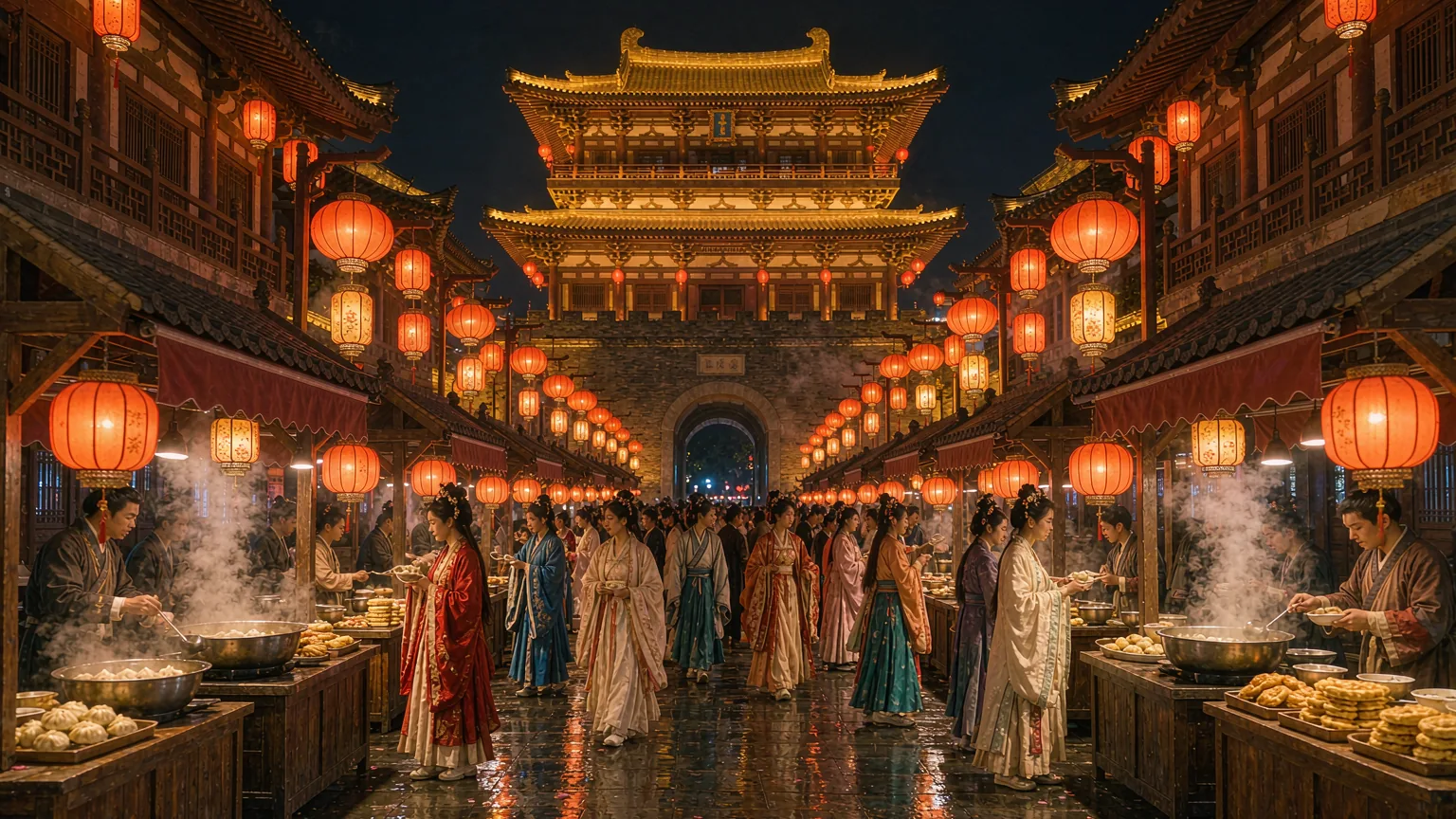
Luoyang's nightlife is more relaxed than that of megacities like Beijing or Shanghai, but it has its own charm. The reconstructed Luoyi Ancient City comes alive after dark with lantern-lit streets, traditional performances and snack stalls. For a more modern scene, head to the bars and clubs around Nanchang Road or the Luolong District, where you'll find live music venues and cocktail lounges. The night market at Laocheng is perfect for sampling local street food and picking up souvenirs. For a cultural evening, consider the large-scale song and dance show 'The Peony' or a night cruise on the Luo River.
The best time to visit Luoyang is in spring (April to May) when the peonies bloom, and in autumn (September to October) when the weather is cool and dry. Summer can be hot and humid, while winter is cold and dry. The annual Peony Festival in April draws large crowds, so book accommodation early. Avoid the first week of October (National Day holiday) and the Spring Festival period if you prefer fewer crowds.
| Period | Temperature | Conditions |
|---|---|---|
| Mar–May | 6-22°C | Spring is mild and pleasant, with peonies in full bloom in April. The best season for sightseeing. |
| Jun–Aug | 25-35°C | Hot and humid, with occasional thunderstorms. Carry an umbrella and stay hydrated. |
| Sep–Nov | 10-25°C | Autumn is cool and dry, with clear skies. Ideal for outdoor activities and hiking. |
| Dec–Feb | -3-8°C | Cold and dry, with occasional snow. Dress warmly and enjoy fewer crowds. |
Every private guide is licensed and vetted. Choose a tier that fits your trip — rates are per guide, per day, in USD.
A dependable all-rounder for an easy, well-planned day.
An experienced specialist with deeper local insight.
A senior expert — and, on request, medical-travel accompaniment.
Hand-picked, licensed guides based right here. Tap book to start a conversation and lock in your dates.

Most travellers spend 3 days in Luoyang, though many stay longer once they arrive. If you want to combine Luoyang with other cities — pandas, mountains, food streets — our consultants design one private itinerary at your own pace.
Yes. MyGuideTrip arranges vetted, licensed local guides in Luoyang and across China. Your guide speaks fluent English, stays with you for the entire trip, and handles tickets, transport and restaurant picks. Meet them on the Guides page.
Luoyang is best known for the Vairocana Buddha at Longmen Grottoes. The recommended itineraries below cover these highlights with smart timing to beat the crowds.
Send us your dates, group size and interests — a dedicated consultant replies within 24 hours with a tailor-made Luoyang itinerary covering guide, driver, hotels and tickets. Start with a free consultation below.
Tell us a little about your trip and we'll get back to you within 24 hours.
We'll reply within 24 hours.