Toilets, Water and Health Basics: What's True and What's Outdated
Squat-toilet horror stories are 15 years stale. What's actually true about bathrooms, tap water and staying healthy on a China trip in 2026.
Toilets: the upgrade is real
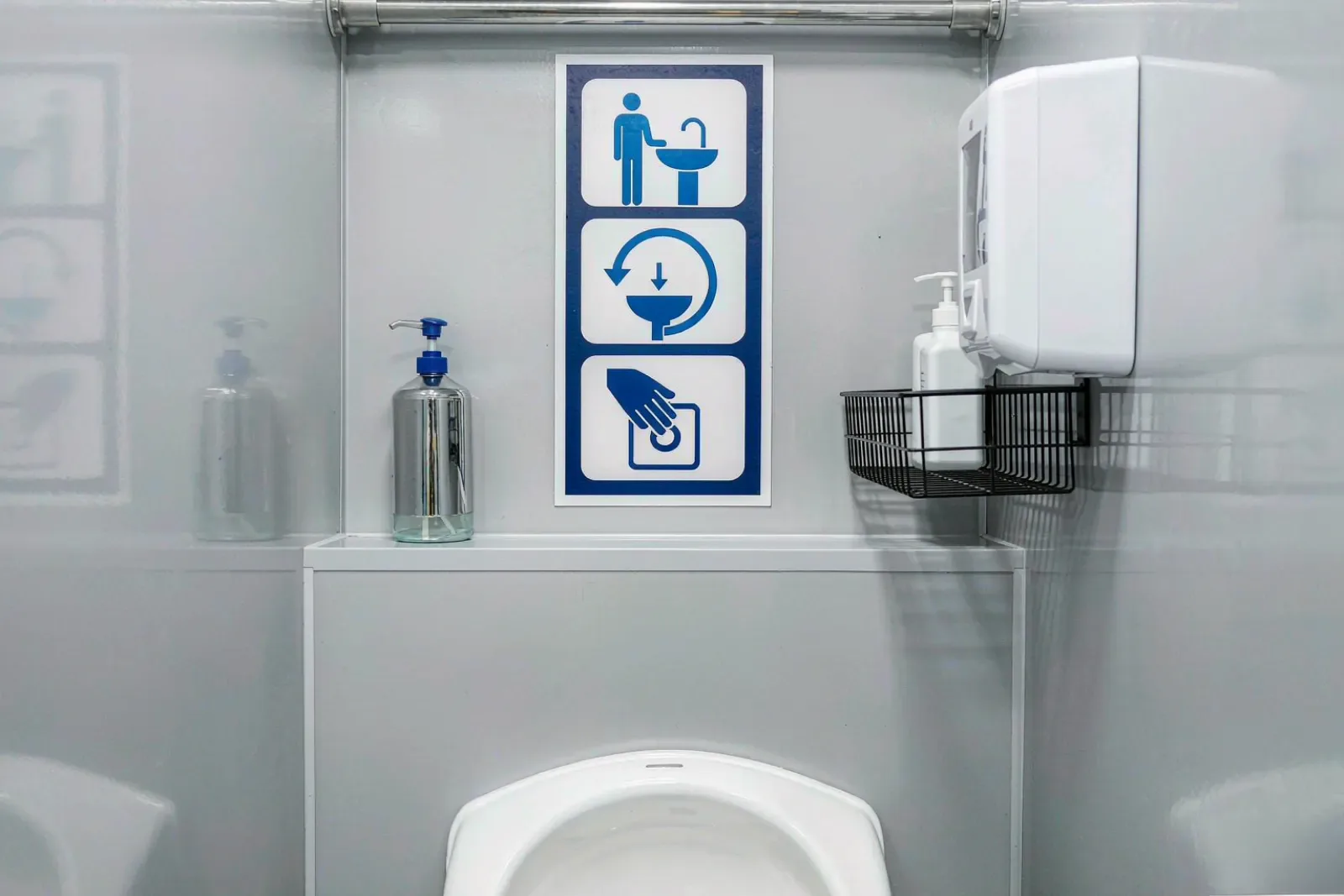
Malls, metro stations, airports and all 4–5 star hotels provide clean Western sit-down toilets, free of charge and usually papered. Older scenic sites and roadside stops still favour squat toilets — manageable, but carry a pocket tissue pack (¥1, sold everywhere) because rural stalls rarely stock paper. Museums' basement floors and mall food courts are your reliable comfort breaks.
Tap water: still no
Tap water is not potable anywhere in China. Hotel rooms provide two free bottles daily; convenience stores sell 550 ml bottles for ¥2. Brushing teeth with tap water is generally tolerated in cities but why bother — use bottled. Boiled water in hotel kettles is intended for tea and fine as such. Ice in chain restaurants and hotels is factory-made and safe.
Eating safely without paranoia
The rule that works: eat where turnover is high. A noodle shop emptying six times at lunch is safer than an empty fancy restaurant. Street food with visible high-heat cooking (jianbing, chuan'r) is fine; skip pre-made cold items sitting at ambient temperature. The first 48 hours of Sichuan pepper oil may rearrange your digestion — it's the spice, not the hygiene.
Pharmacies and clinics
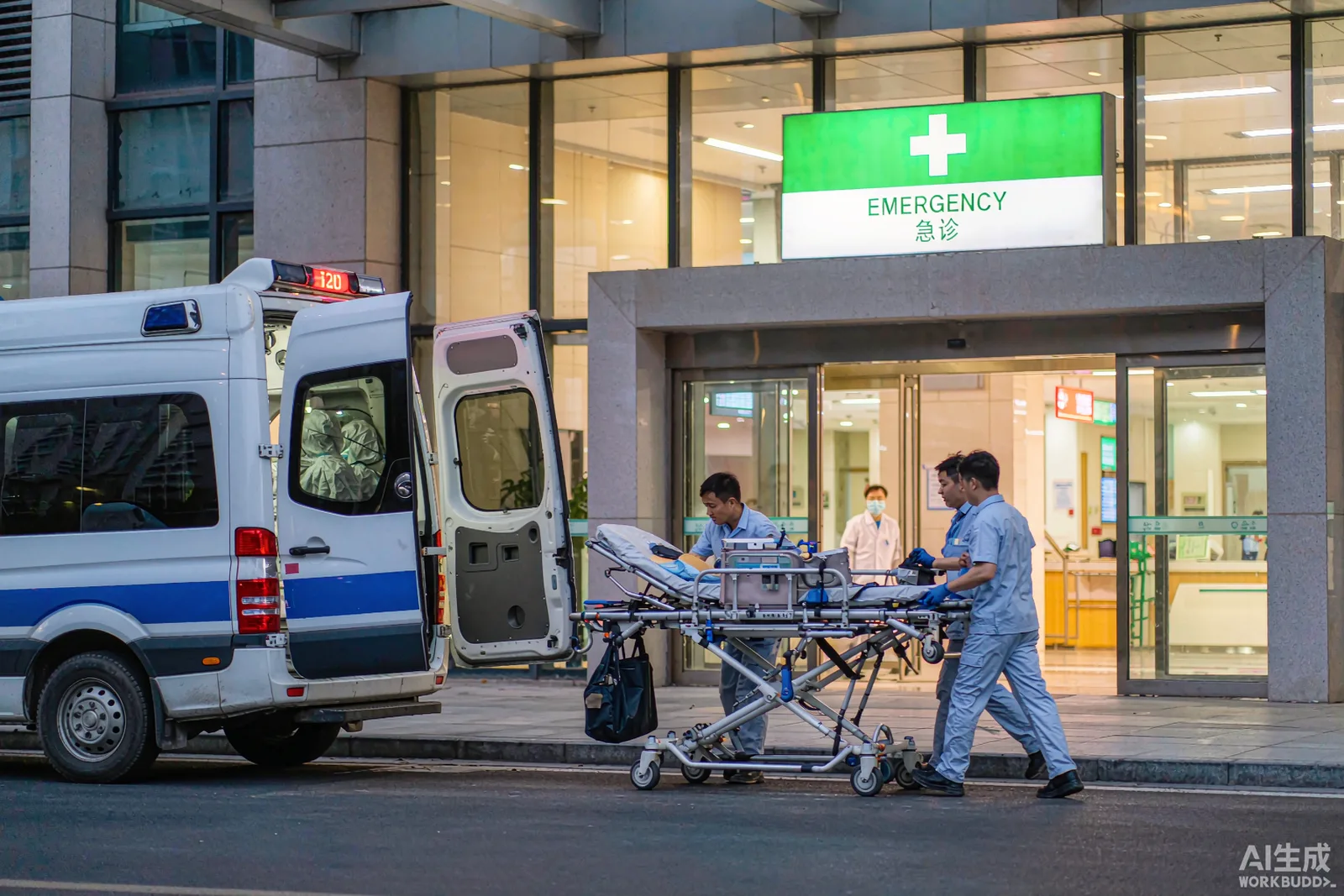
Pharmacies (green cross) sell oral rehydration, antihistamines and stomach remedies over the counter for a few yuan — show a photo of your medicine box to the pharmacist. For anything serious, international departments at West China Hospital (Chengdu) and United Family clinics (Beijing/Shanghai) offer English service; travel insurance covering private hospitals is worth having before you fly.
Related guides