Medical Emergency in China: What Foreigners Should Do (2026 Guide)
A fish bone in the throat, a motorcycle crash abroad, chest pain in a hotel — emergencies are where China's medical system surprises visitors most, in both speed and cost. This is the practical playbook: numbers to call, choices to make, and what it all costs.
The numbers to know before you need them
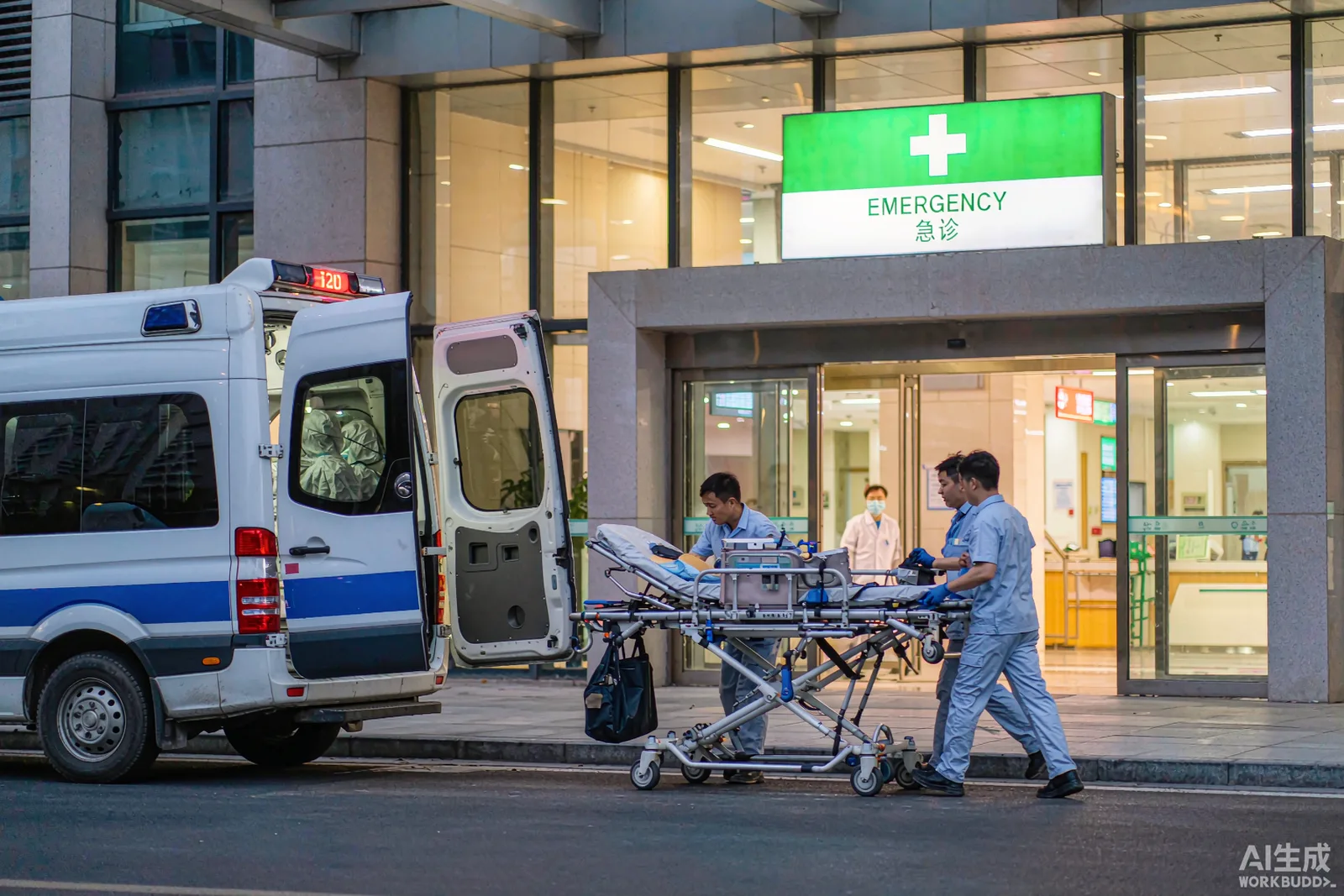
- 120 — medical emergency ambulance. Operators handle Chinese; hotels and bilingual neighbors bridge the gap, and dispatch accepts location pins from messaging apps.
- 110 — police, who coordinate for accidents, crime and when language blocks a 120 call.
- 119 — fire and rescue.
- Your embassy's emergency line — save it before arrival; consulates assist with hospital liaison and family contact in serious cases.
- Your insurer's 24-hour assistance line — the number that authorizes guarantees and arranges direct billing.
Program these before your trip, not during the emergency. A screenshot of your blood type, allergies and medications in your phone's health app (and in Chinese) is the cheapest life insurance available.
What an ER visit actually looks like
Chinese emergency departments triage fast — average response times at tertiary hospitals run under five minutes — and operate on a pay-per-service model: register a small fee at the ER window, pay for each test or treatment as ordered. The famous anecdote is real: an Australian resident in Chengdu who swallowed a fish bone was seen, scoped, and discharged in 30 minutes for about RMB 300 (US$42) — against his home estimate of four hours' wait and US$1,000+.
Two practical choices matter more than the movie version of "the ER":
- Tertiary-hospital ER (三甲医院急诊) for anything serious — trauma, chest pain, stroke symptoms, severe breathing trouble. They're staffed 24/7 with the full specialist back-up; larger cities have designated international-friendly hospitals.
- International clinics (United Family, Raffles, parkway-style) for urgent-but-not-catastrophic needs when you want English-first service — higher cost, direct billing with major insurers, real appointments.
For true emergencies, go to the nearest tertiary ER — distance beats amenities every time. stabilize first, transfer later if needed.
Payment during emergencies
The pay-per-service model means small immediate payments, not a giant end-of-trip bill — a functional feature when you're a foreigner: costs stay incremental and itemized. Cards and mobile payment work at ER counters; cash reserves cover the rare offline kiosk. Travel insurance with emergency coverage reimburses against the fapiao receipts — keep every one. For hospitalization, deposits apply as with planned care, and your insurer's assistance line can issue guarantee letters that replace cash deposits.
One flag worth knowing: some hospitals ask for deposit confirmation before non-life-threatening procedures. In a genuine emergency, treatment starts first — Chinese ERs do not refuse critical patients for payment — but a working card and your insurer's line make everything smoother.
When it's cross-border: the evacuation reality
Serious cases sometimes raise the evacuation question. The direction of flow has changed: China's system increasingly handles what used to be flown out. In May 2026, a Cambodia crash victim with spinal injuries became the first stretcher-case medical transfer from Cambodia to Shanghai — an "air ICU" flight landing the patient directly into surgical care, part of a broader cross-border emergency corridor linking Southeast Asia to Chinese hospitals. Within China, the tertiary network's depth means most conditions stabilize locally.
Practical rules: if you're stable enough to choose, choose the tertiary ER over flying home; if your insurer proposes evacuation, ask whether destination treatment in China is clinically equivalent and financially simpler (it usually is, and cheaper by an order of magnitude).
After the emergency: the four follow-ups
- Get the bilingual medical report before leaving the hospital — hospitals issue them routinely; this document drives every insurance claim and any follow-up care at home.
- File the insurance claim with original fapiao receipts, the report, and proof of payment.
- Notify your embassy if the case involved crime, serious injury, or repatriation questions.
- Book follow-up — the ER will refer you to outpatient clinics; international desks can slot a follow-up within days, and discharge summaries support care continuity once home.
Emergencies are the one category where no one plans a medical trip to China — but knowing the system turns the worst travel week into a manageable one, and the anecdotes about speed and cost are, on the evidence, true.
Related guides