Guest — sign in to save your enquiries.
My account
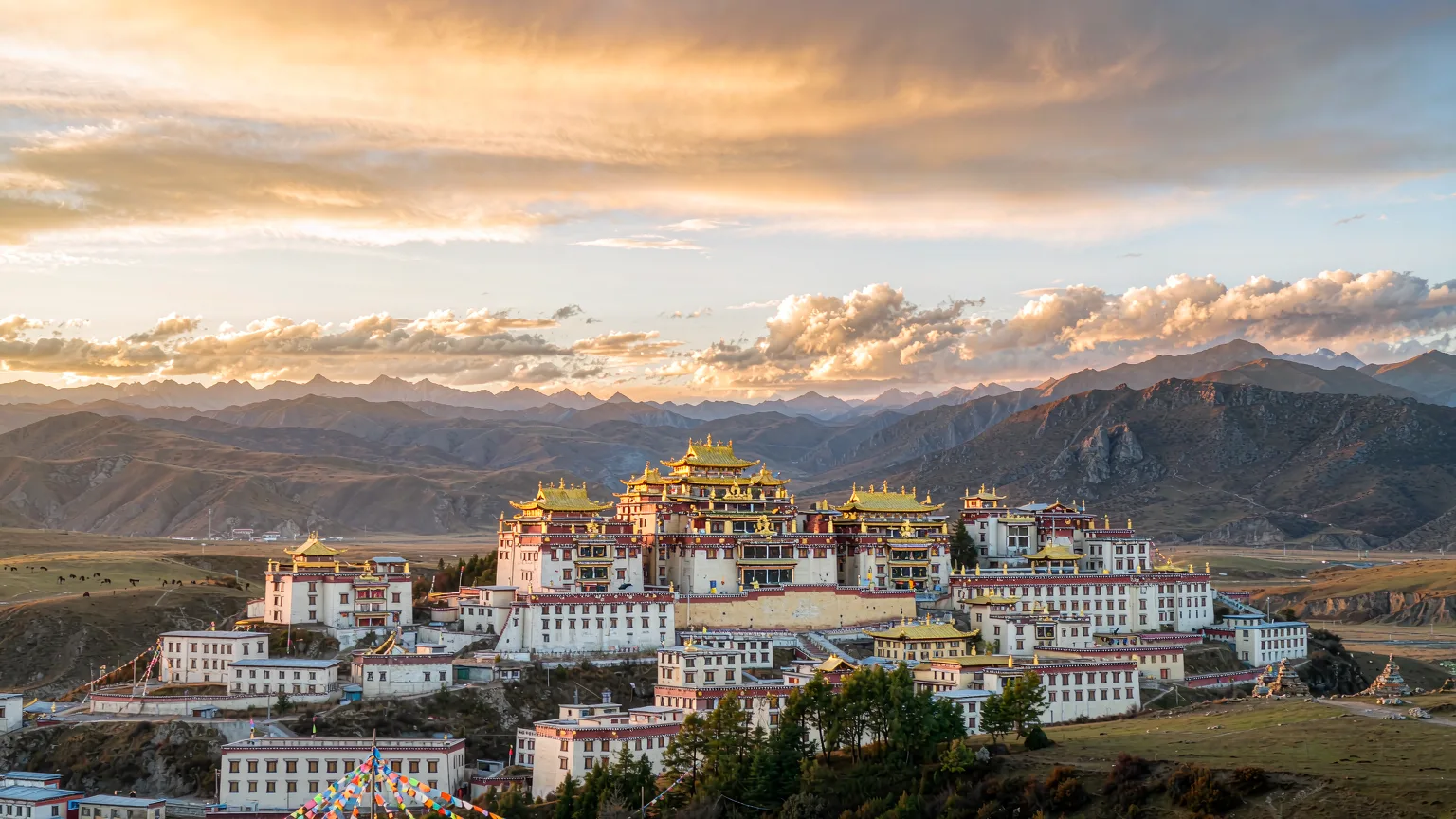
The Lost Horizon — Shangri-La recreates a pure land on earth with the golden roofs of Songzanlin Monastery, the lake scenery of Pudacuo, and Tibetan charm.

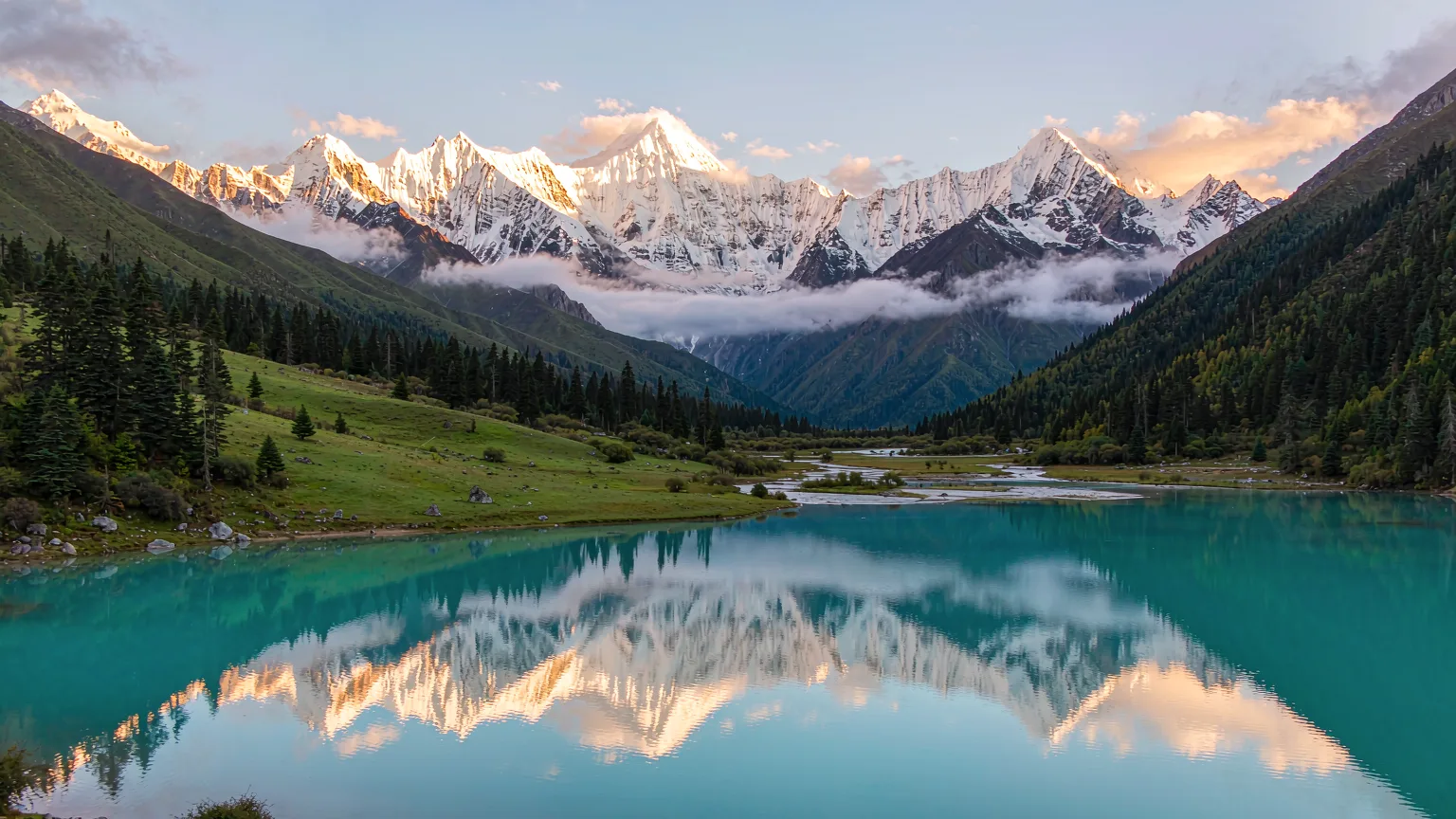
Shangri-La, known in Chinese as 香格里拉, is a dreamlike destination in the Diqing Tibetan Autonomous Prefecture of Yunnan Province, southwestern China. Renamed from Zhongdian in 2001 to echo the mythical paradise of James Hilton's novel 'Lost Horizon', this high-altitude town sits at 3,160 meters on the Qinghai-Tibet Plateau. It is the gateway to a region of snow-capped peaks, pristine lakes, and vast grasslands, where Tibetan culture thrives alongside stunning natural beauty. The area is part of the Three Parallel Rivers UNESCO World Heritage Site, celebrated for its extraordinary biodiversity and dramatic landscapes.
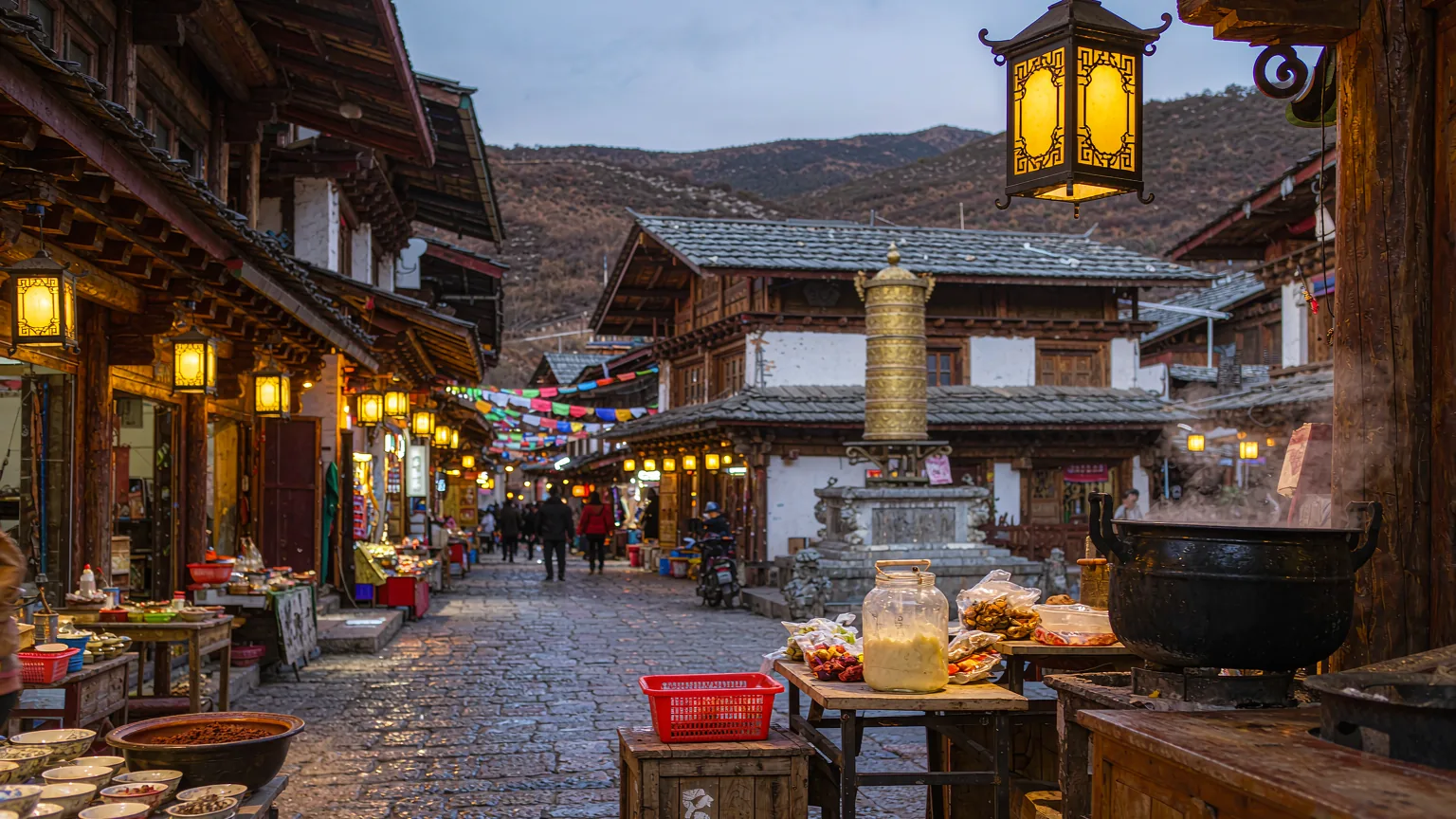
Shangri-La is not a city of districts but a sprawling scenic region encompassing the town of Zhongdian and surrounding Tibetan villages, monasteries, and protected areas. The town itself is compact, with the old town of Dukezong at its heart, featuring cobblestone streets, traditional Tibetan houses, and the world's largest prayer wheel. Beyond the town, the landscape unfolds into the Pudacuo National Park, the sacred Meili Snow Mountains, and the deep gorges of the Jinsha (Yangtze) River. Each area offers a unique blend of cultural heritage and natural wonders, connected by winding mountain roads.
Travelers to Shangri-La experience a profound sense of serenity and adventure. They can explore ancient monasteries like Songzanlin, hike through alpine forests and meadows, and immerse themselves in Tibetan Buddhist traditions. The region's high altitude demands acclimatization, but rewards visitors with breathtaking vistas, rare wildlife such as the black-necked crane, and the warm hospitality of local Tibetan communities. Whether spinning prayer wheels in Dukezong, boating on Napa Lake, or trekking to remote villages, Shangri-La offers an unforgettable journey into a timeless land.
Shangri-La covers an area of approximately 11,613 square kilometers and has a population of around 170,000, predominantly Tibetan. It is part of the Diqing Tibetan Autonomous Prefecture and is renowned as a gateway to the Three Parallel Rivers UNESCO World Heritage Site.

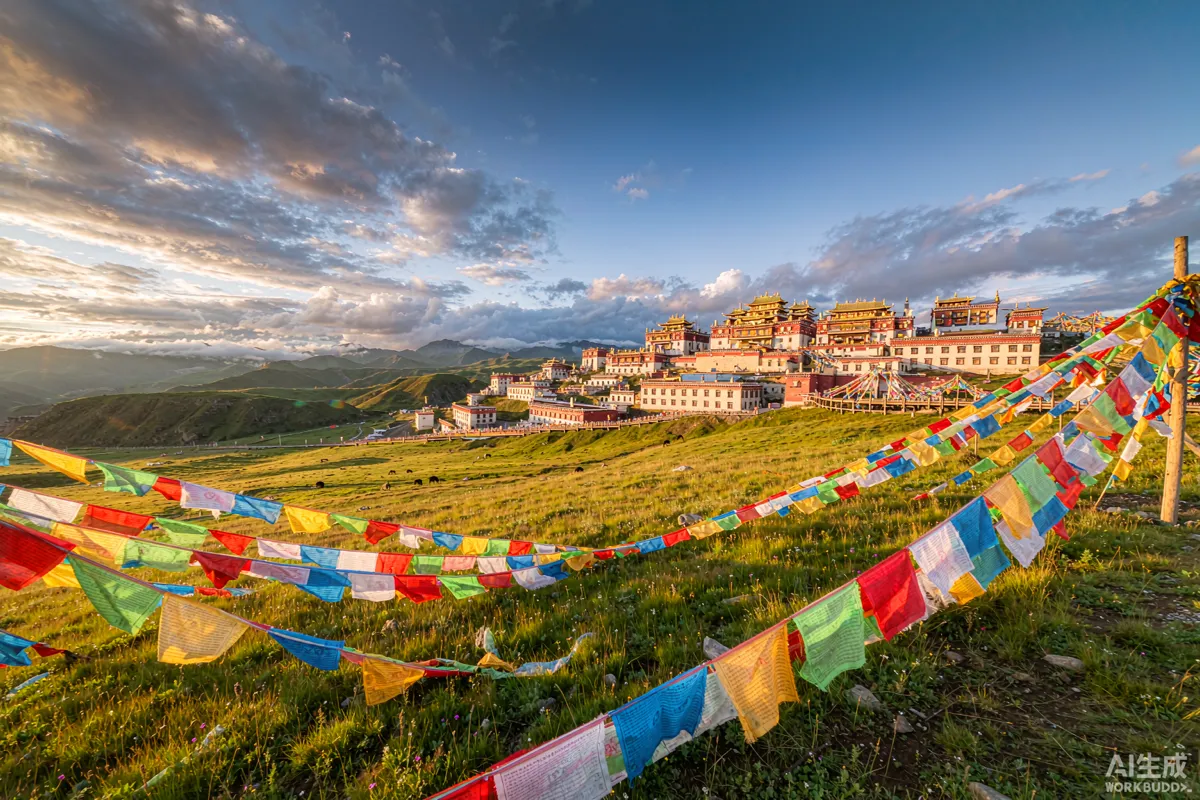
Songzanlin Monastery · Dukezong Ancient Town · Pudacuo National Park · Must-visit for first-time visitors
View details →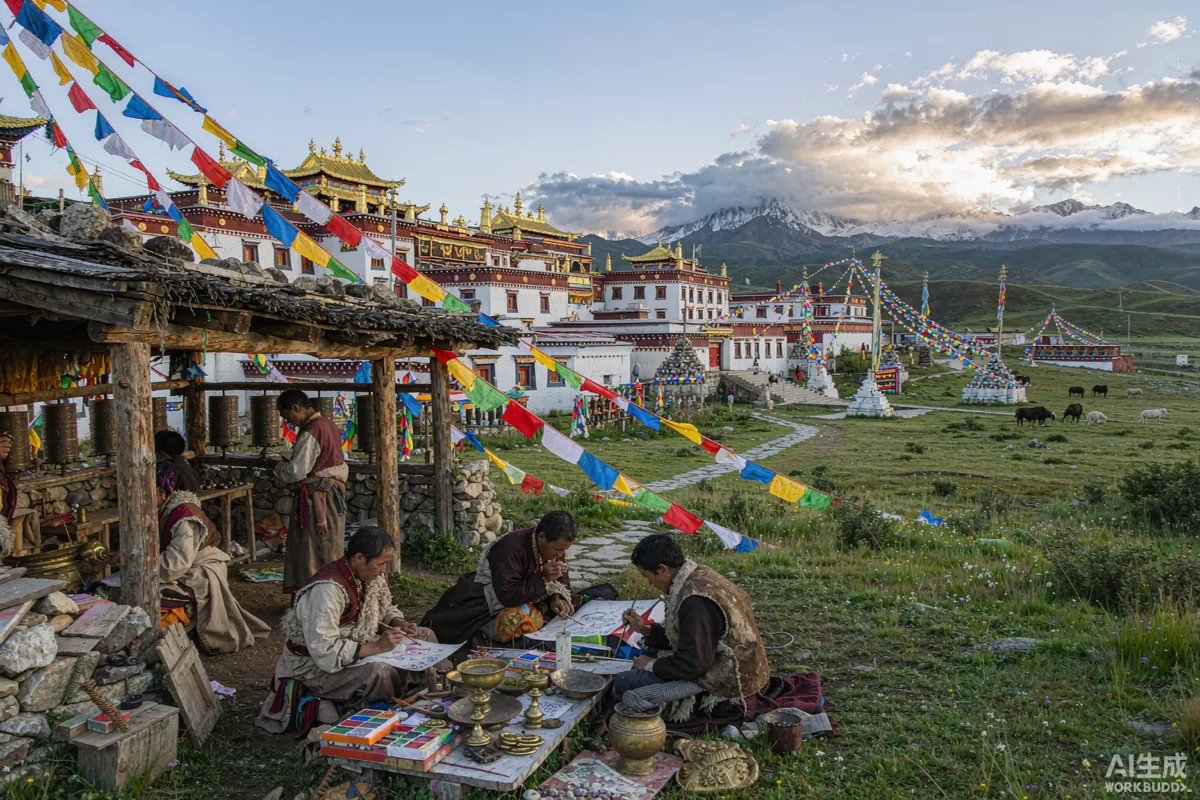
Songzanlin Monastery · Scripture Library · Intangible Heritage Thangka · Immersive Local Culture
View details →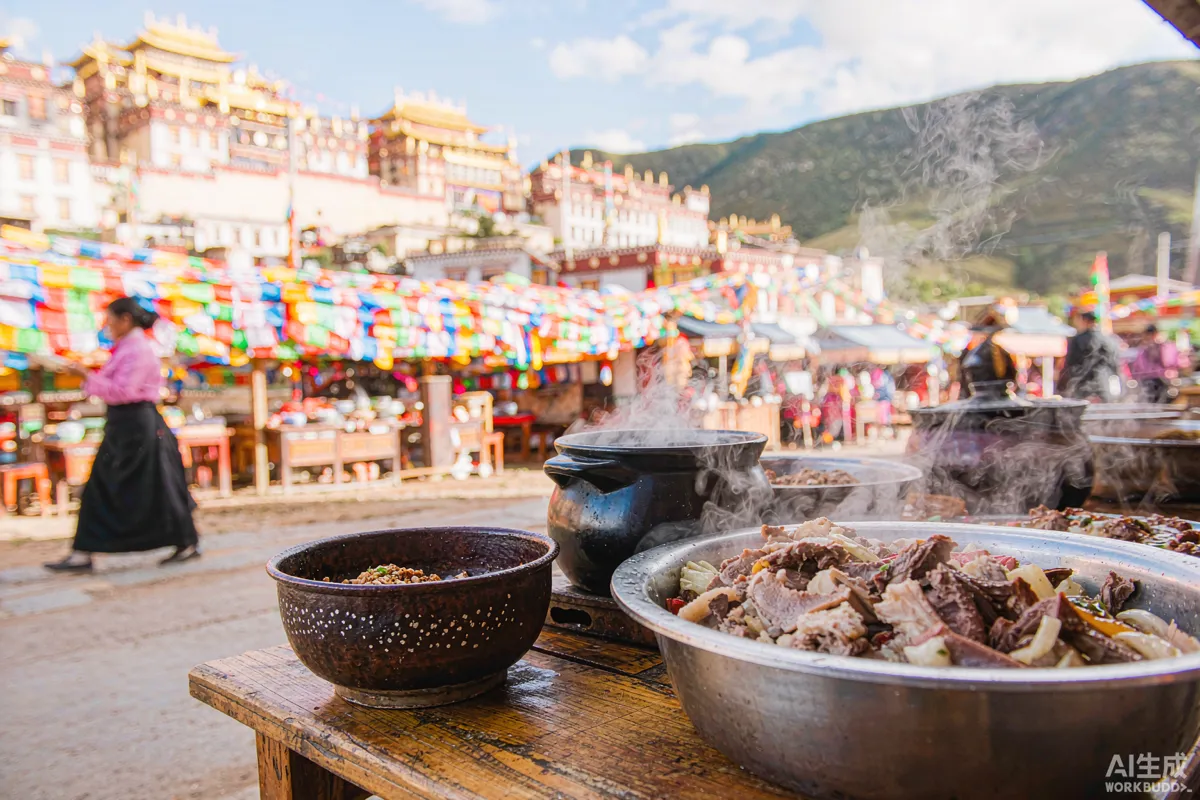
Wet Market · Butter Tea · Yak Hot Pot · Local Street Life
View details →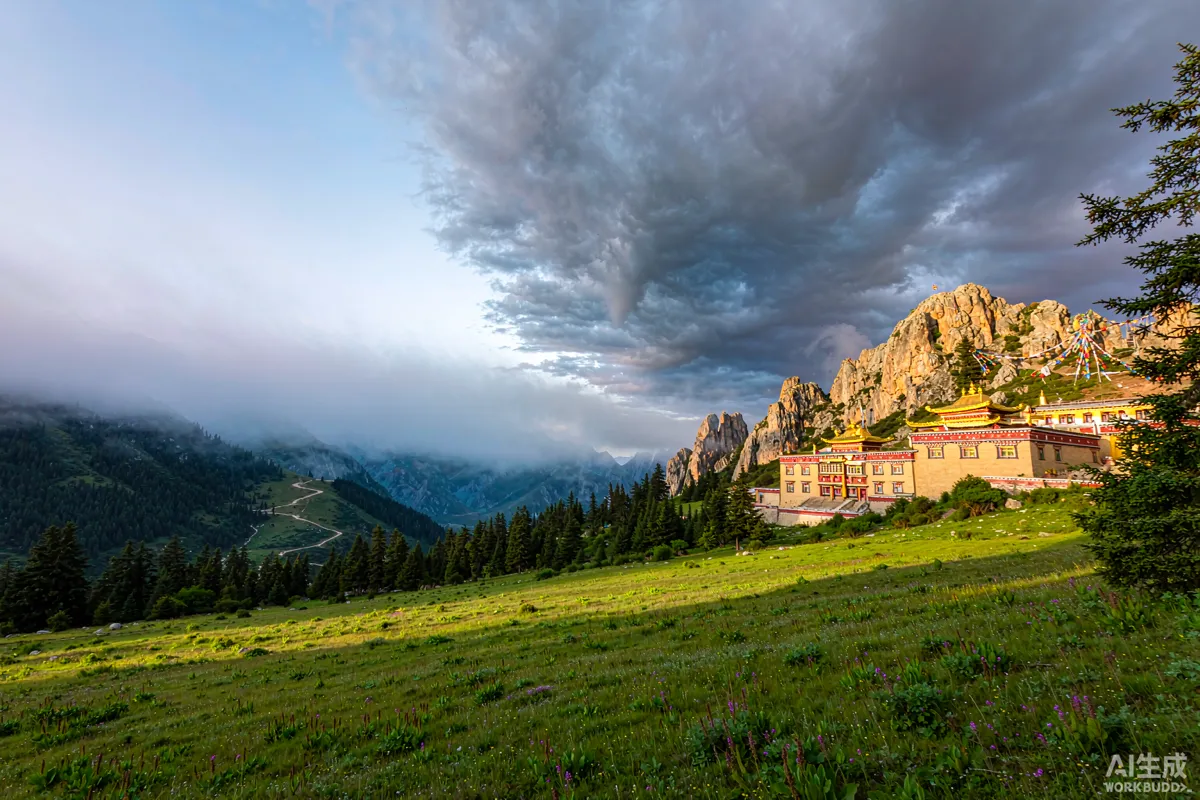
Tiger Leaping Gorge Trek · Pudacuo · Napahai · Snow Mountain Photography
View details →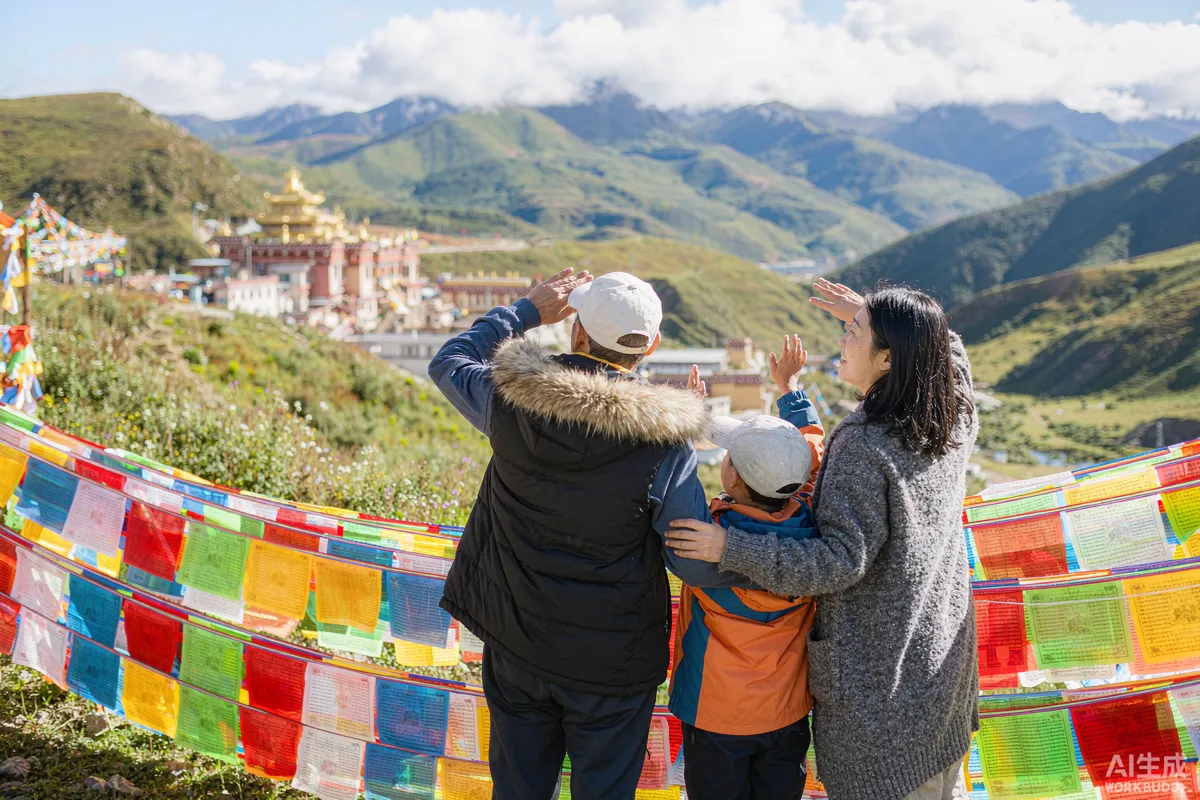
Songzanlin Monastery · Dukezong Ancient Town · Pudacuo · Family Tibetan Cultural Experience
View details →| Fleet | Airport pickup & drop-off | Chauffeur by the day | Intercity transfers |
|---|---|---|---|
 Economy | from $84Book → | from $280Book → | from $170Book → |
 Comfort | from $134Book → | from $448Book → | from $272Book → |
 Luxury | from $202Book → | from $672Book → | from $408Book → |
 Special vehicles | For groups of 7+, please contact our trip designer for a quote | ||
prices may vary by date & route
Shangri-La, formerly Zhongdian, is a high-altitude scenic region in Yunnan Province, China, at the crossroads of Tibetan, Han, and Naxi cultures. It gained fame as the inspiration for the mythical Shangri-La in James Hilton's novel. The region is characterized by dramatic landscapes: snow-capped mountains, deep gorges, alpine lakes, and vast grasslands. It is a key part of the Three Parallel Rivers UNESCO World Heritage Site, recognized for its exceptional biodiversity.
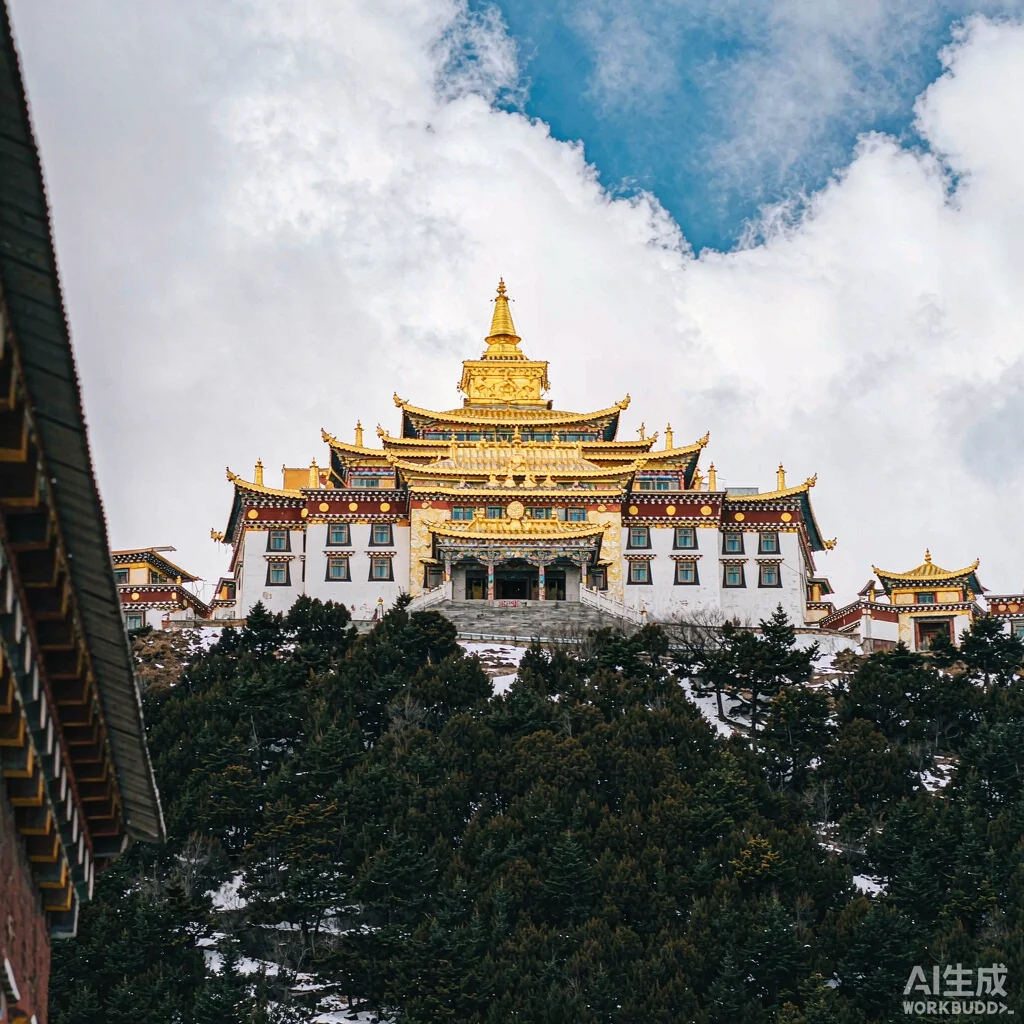
The heart of Shangri-La is the town of Zhongdian, home to the ancient Dukezong Tibetan quarter with its cobblestone streets and the giant Prayer Wheel. Nearby, the Songzanlin Monastery, often called the 'Little Potala Palace', is a major spiritual center. The surrounding area includes Pudacuo National Park, Napa Lake, and the sacred Meili Snow Mountains, offering endless opportunities for exploration and cultural immersion.
Shangri-La can be reached by air via Diqing Shangri-La Airport (DIG), which has flights from major Chinese cities like Kunming, Chengdu, and Lhasa. Alternatively, travelers can take a scenic bus or drive from Lijiang (about 4-5 hours) or Kunming (about 8-10 hours). The journey offers stunning views of the Himalayas. Within the region, local buses, taxis, and private vehicles are available, but the best way to explore is by hiring a car or joining a tour.
For remote attractions like Meili Snow Mountain, it's advisable to arrange transportation in advance. The high altitude may affect travel, so allow time to acclimatize. Public buses connect the main town to Pudacuo National Park and other nearby sites, but schedules can be limited. Many travelers opt for guided tours to navigate the mountainous terrain comfortably.
Shangri-La's cuisine is a hearty blend of Tibetan and Yunnan flavors, perfect for the high-altitude climate. Must-try dishes include yak meat, butter tea, tsampa (roasted barley flour), and Tibetan hot pot. The local diet is rich in dairy and meat, providing energy for the cold weather. Many restaurants in Dukezong Ancient Town offer traditional Tibetan meals in cozy settings.
Shopping in Shangri-La focuses on Tibetan handicrafts and local specialties. The streets of Dukezong are lined with shops selling prayer flags, thangka paintings, silver jewelry, and yak wool products. These make for meaningful souvenirs that support local artisans. Remember to bargain politely in markets.
Nightlife in Shangri-La is low-key and cultural. Visitors can join Tibetan dance and song performances in local halls, or simply enjoy the starry skies and quiet atmosphere. Some bars in Dukezong offer live folk music, providing a relaxed way to end the day.
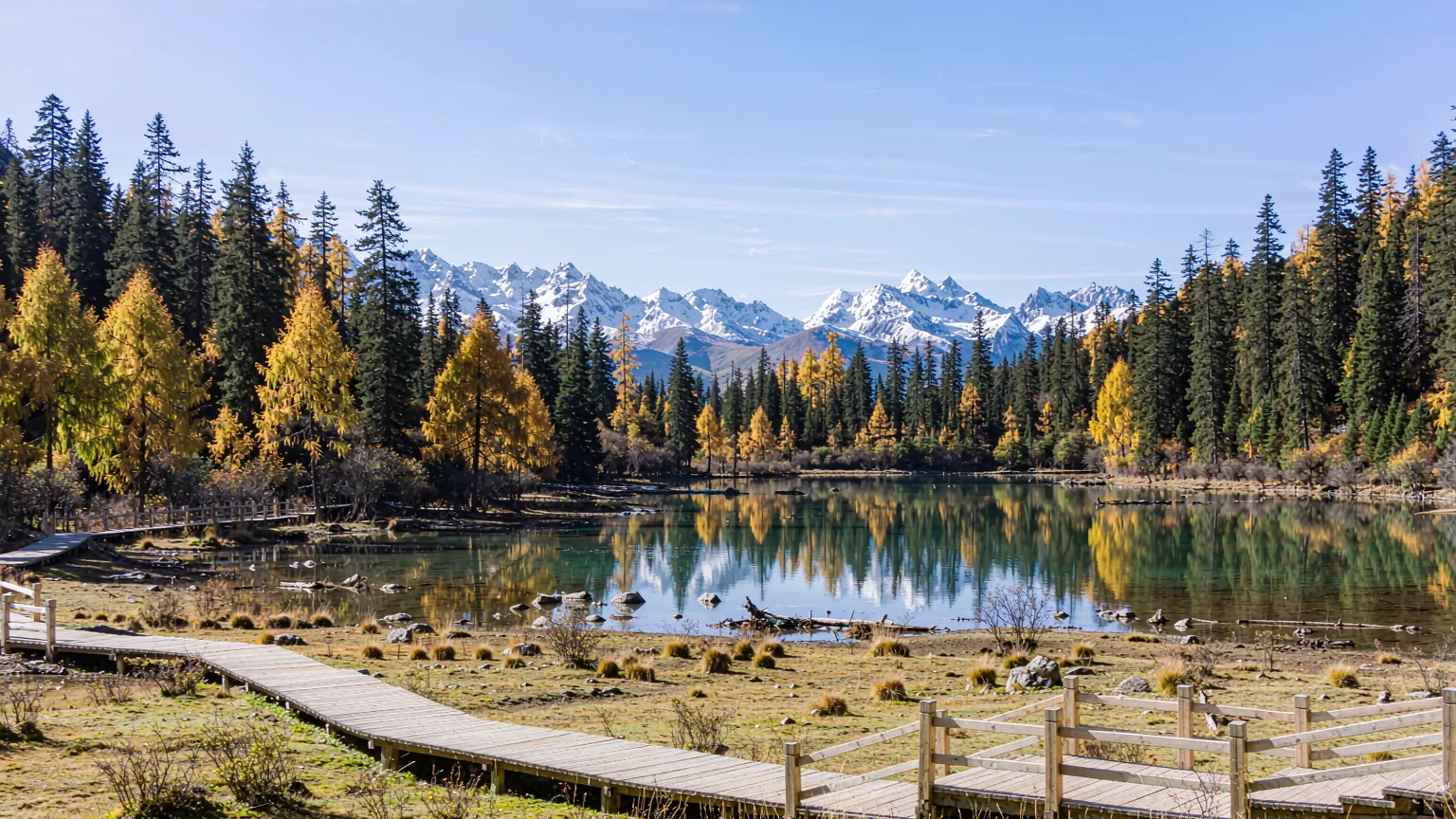
The best time to visit Shangri-La is from May to October, when the weather is mild and the landscapes are lush. Spring brings blooming flowers, summer offers green meadows, and autumn displays golden foliage. Winter can be harsh with cold temperatures and snow, but it offers a serene, uncrowded experience.
| Period | Temperature | Conditions |
|---|---|---|
| Mar–May | 0-15C | Spring: flowers bloom, but temperatures can be chilly, especially at night. |
| Jun–Aug | 10-22C | Summer: warm and rainy, with lush green landscapes; peak tourist season. |
| Sep–Nov | 5-18C | Autumn: clear skies, golden foliage, and comfortable temperatures; ideal for photography. |
| Dec–Feb | -10-8C | Winter: cold and snowy, but sunny days; few tourists and a magical snowy scenery. |
Every private guide is licensed and vetted. Choose a tier that fits your trip — rates are per guide, per day, in USD.
A dependable all-rounder for an easy, well-planned day.
An experienced specialist with deeper local insight.
A senior expert — and, on request, medical-travel accompaniment.
Hand-picked, licensed guides based right here. Tap book to start a conversation and lock in your dates.

Most travellers spend 3 days in Shangri-La, though many stay longer once they arrive. If you want to combine Shangri-La with other cities — pandas, mountains, food streets — our consultants design one private itinerary at your own pace.
Yes. MyGuideTrip arranges vetted, licensed local guides in Shangri-La and across China. Your guide speaks fluent English, stays with you for the entire trip, and handles tickets, transport and restaurant picks. Meet them on the Guides page.
Shangri-La is best known for Ganden Sumtseling Monastery to see the golden roofs and prayer wheels of the «Little Potala Palace». The recommended itineraries below cover these highlights with smart timing to beat the crowds.
Send us your dates, group size and interests — a dedicated consultant replies within 24 hours with a tailor-made Shangri-La itinerary covering guide, driver, hotels and tickets. Start with a free consultation below.
Tell us a little about your trip and we'll get back to you within 24 hours.
We'll reply within 24 hours.