Chengdu Panda Base: The Ultimate Visitor's Guide
Almost everyone who visits Chengdu wants the same thing: pandas, awake, close, and unbothered by crowds. This guide covers timing, routes, seasons, and the truth about volunteer programs — the details that decide whether your panda day is magical or a queue in the drizzle.
Why opening time decides everything
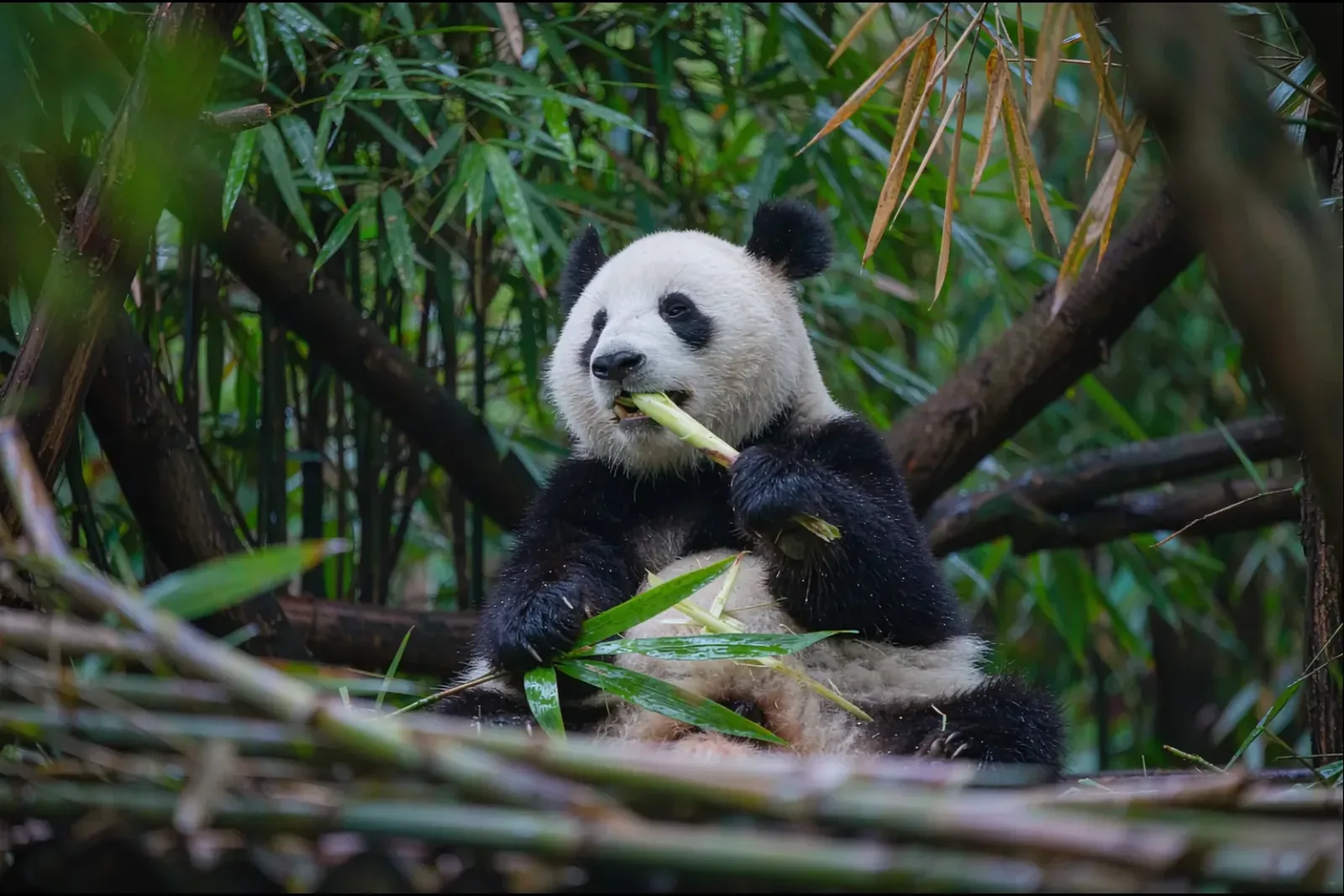
Giant pandas are crepuscular — active at dawn and dusk, sleeping most of the day. The base opens around 7:30–8:00 am, and the two hours after opening are when pandas feed. Hours vary and change with the season — your guide confirms current opening times — but the rule holds year-round: be through the gate at opening. By 10:30 am the animals are mostly asleep, and by midday the crowds are massive.
Two practical tricks: buy tickets in advance (they sell out on Chinese holidays, 3–7 days ahead is wise), and when you enter, head straight for the furthest enclosures — most visitors drift to the enclosures near the entrance first. Working backwards against the flow is the single best route decision you can make.
A route that works
The base is bigger than it looks — a few square kilometres of bamboo-lined paths across several hills. Take the internal shuttle to the Moon Nursery and the far enclosures first, then walk back downhill past the red panda area. Red pandas are a highlight many visitors miss entirely; they roam semi-freely in a wooded section and are often more active than the giants.
- Plan 2.5–4 hours total; serious panda fans happily spend half a day.
- Paths are shaded but hilly — comfortable shoes over style.
- Nursery viewing (baby pandas) depends on season and luck; late summer into autumn offers the best chance of cubs.
- No responsible facility allows holding pandas. Keepers' feeding demonstrations are the closest ethical experience.
Seasons at the base
March–May brings cool air, fresh bamboo and spring cubs from the previous season — arguably the best all-round visit. Summer is lush but hot and humid; pandas retreat to air-conditioned indoor rooms, which are viewable. Autumn is excellent: mild, greener crowds thinner than national-holiday weeks. Winter is quiet and pandas tolerate cold well; overcast skies are the main cost. For the full seasonal picture, see our month-by-month guide to Chengdu.
The volunteer program: the truth
The famous "panda volunteer" experience — cleaning enclosures, preparing food, up-close keeper work — does not run at the Chengdu base itself. Genuine one-day keeper programs operate at other facilities in the Chengdu area, such as the Dujiangyan panda base, run through official channels, priced from around ¥1,000+ (about $140) — check latest availability and prices when booking. It is real work in rubber boots, not a photo opportunity, and it must be reserved well in advance, especially in summer. We can arrange and vet this for you through our Chengdu tours.
Weather, crowds and what to bring
The base sits under mature bamboo and ginkgo canopy, so shade is generous even in summer — but Chengdu's humidity is real. Bring water, sun protection for the open plazas, and a light rain layer in the wet season. Paths are paved and mostly stroller-friendly, with steps on the steeper hill sections. Weekdays in spring and autumn are the calmest; Chinese public holidays are the opposite — arrive earlier than early, or let a guide re-plan the day entirely.
Getting there and combining your day
The base sits in Chengdu's northern suburbs, about 40 minutes from the city centre. Metro plus shuttle works; a private car is easier when timing is this critical — five minutes late costs you the best hour. Many guests pair the base with an afternoon in our three-day Chengdu plan: pandas at opening, then Kuanzhai Alleys and a teahouse once the animals nap.
Travelling with children? The base is the star attraction in our family guide. And if you want context on how a day here fits a longer China trip, our local guides build panda mornings into every Chengdu itinerary.
FAQ
What time should I arrive?
At opening, around 7:30–8:00 am depending on season. The first two hours after opening offer the most active pandas and the thinnest crowds.
Can I hold a panda?
No. No responsible facility offers holding. The ethical alternative is the one-day keeper volunteer program at bases near Chengdu, booked through official channels.
How much are tickets?
Entry is around ¥55 (about $8); check latest prices when booking, and reserve ahead for holidays.
Is half a day enough?
Yes — 2.5 to 4 hours covers the main enclosures comfortably if you start at opening time.
Best month for baby pandas?
Cubs are typically born in late summer; the nursery is most rewarding from late summer into autumn, though viewing always depends on the season.
Related guides