
Guest — sign in to save your enquiries.
My account
Sayram Lake is a vast alpine lake cradled by the Tianshan Mountains in Xinjiang's Ili region, often called the last tear of the Atlantic. Its impossibly clear, ever-changing blue waters and surrounding flower meadows make it one of China's most breathtaking natural sights. With our private guide, you skip the logistics and simply soak in the views.
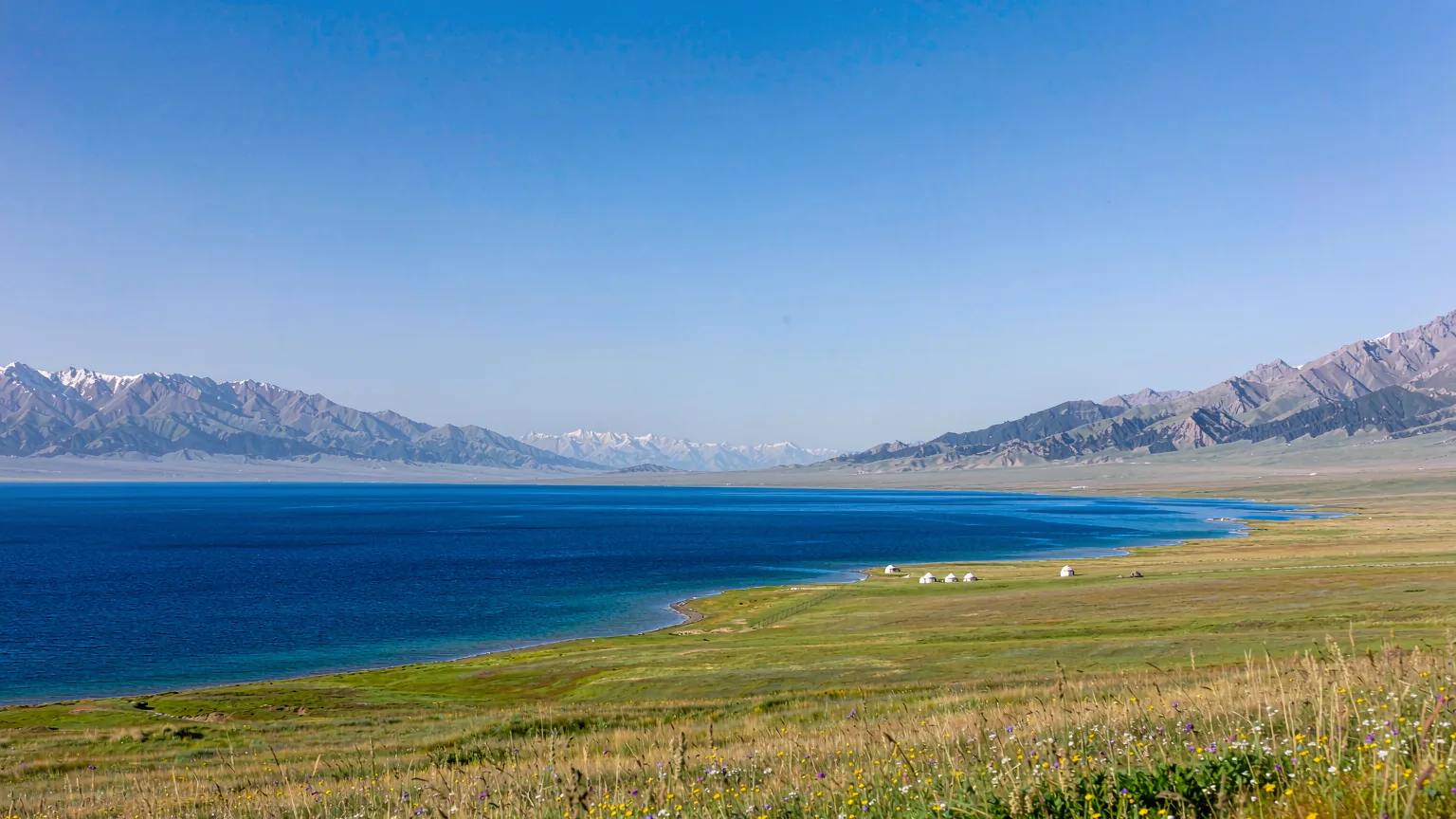
Sayram Lake sits at 2,073 meters above sea level in the Borohoro Mountains, a branch of the Tianshan range. It is the largest alpine lake in Xinjiang and the highest large lake in the Tianshan, with a surface area of about 458 square kilometers. The name 'Sayram' likely derives from Kazakh, meaning 'blessing' or 'bestowal'. Fed by glacial melt and mountain streams, the lake has no outlet, and its cold, slightly saline water creates a striking gradient of blues, from turquoise near the shore to deep sapphire in the center. For centuries, it has been a sacred site for local Kazakh herders, who still graze their flocks on the surrounding grasslands in summer.
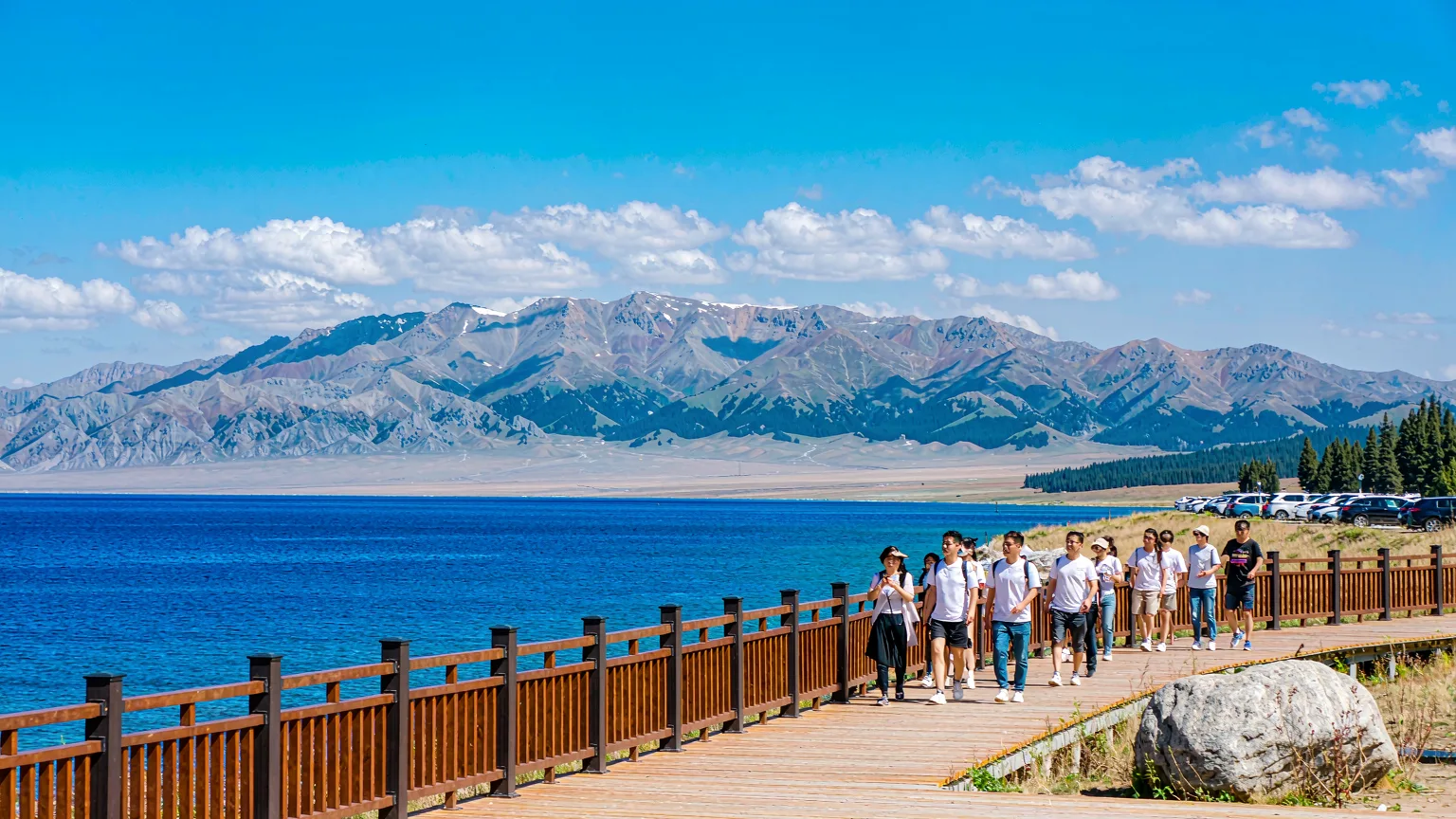
The lake is a key stop on the northern Silk Road route and is now a 5A-rated scenic area. A paved loop road encircles the entire lake, offering countless viewpoints, and in summer the meadows explode with wildflowers. The area is home to diverse wildlife, including snow leopards and argali sheep in the higher mountains. Our guides know the quietest corners and the best light, ensuring you experience the lake's magic without the crowds. Note that the lake is a two-hour drive from Yining, and we arrange comfortable private transfers so you can relax and enjoy the journey.
Sayram Lake is about 130 kilometers southwest of Yining, the capital of Ili Prefecture. Most travelers fly to Yining (YIN) from Urumqi or other major cities, then take a private car or join a small tour—there is no direct public transport to the lake. The drive takes roughly two hours via the G30 expressway. We arrange private transfers from your Yining hotel, making it easy to combine the lake with nearby attractions like Guozigou Bridge and the lavender fields of Huocheng.
Entrance fee is ¥70 per person in peak season (June–October) and ¥35 in off-season. The loop road shuttle bus costs an additional ¥75, or you can drive your own vehicle for ¥75. Opening hours are 8:00–20:00 daily, but hours may extend in summer. Book tickets via the official WeChat account or at the gate; foreign cards are not accepted, so use WeChat Pay or Alipay linked to an international card, or bring cash.
The best time to visit is from mid-June to early September, when the weather is mild and the wildflowers are in full bloom. July and August are peak months, so arrive early (before 9 AM) to avoid tour buses. For fewer crowds and dramatic light, consider late May or early September. Sunrise and sunset offer the most spectacular colors, but be prepared for chilly temperatures even in summer.
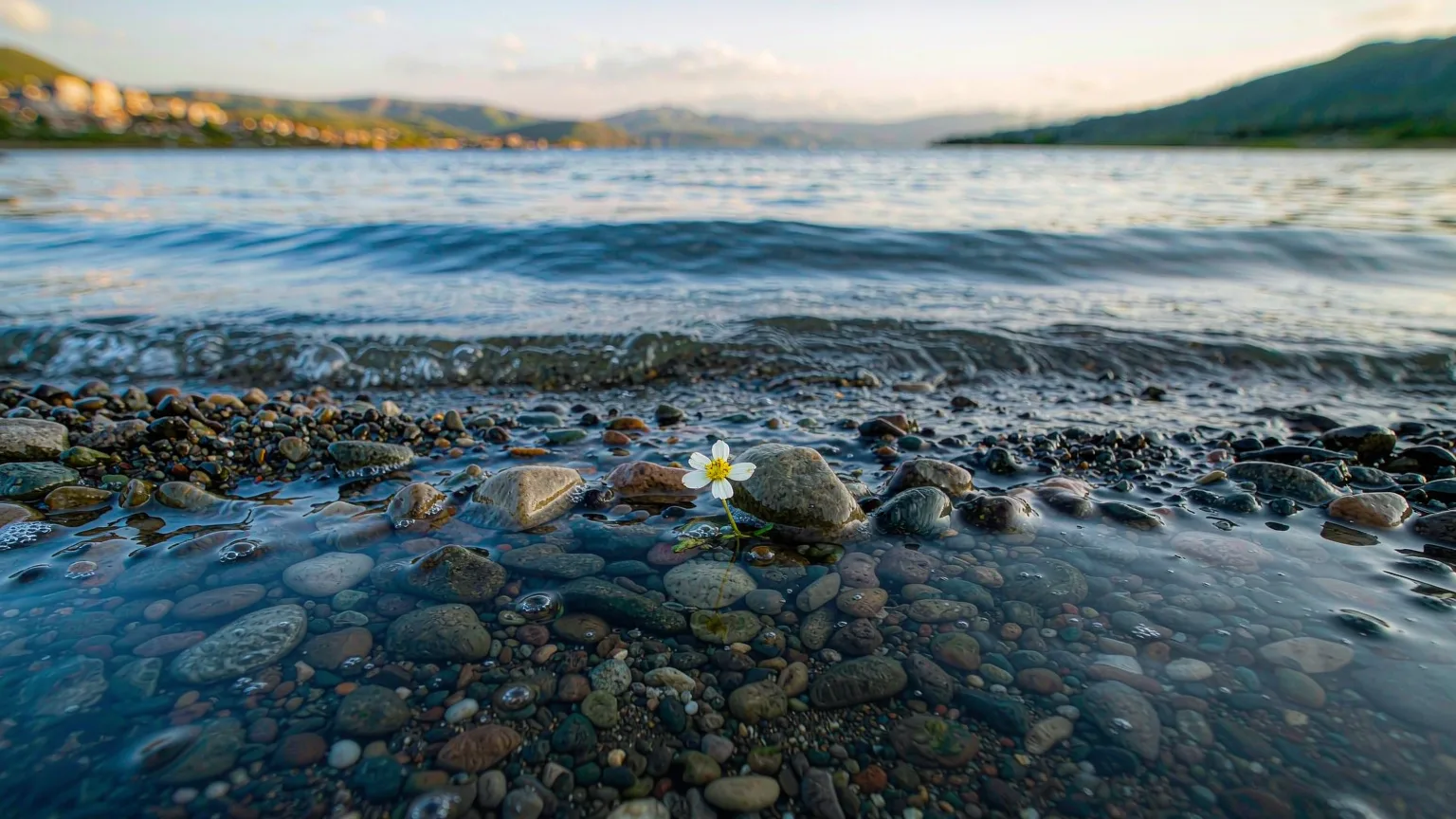
No, swimming is prohibited because the lake is a protected nature reserve and the water is extremely cold, even in summer. Enjoy the views from the shore instead.
At 2,073 meters, altitude sickness is rare, but those sensitive to altitude may feel mild shortness of breath. Take it easy on arrival and stay hydrated.
A half-day is enough for a quick loop, but we recommend a full day to explore different shores, have a picnic, and wait for sunset. Overnight stays are possible in nearby yurts.
Yes, basic restrooms and small shops are available at major viewpoints, but they are limited. Bring toilet paper and hand sanitizer, as supplies may run out.
Tell us your dates, group size and preferences — a dedicated consultant will reach out within 24 hours.