
Guest — sign in to save your enquiries.
My account
Step into the world's first draft bank, where paper money orders replaced heavy silver and reshaped Chinese commerce. Rishengchang, founded in 1823 in Pingyao, is the ancestor of modern banking, and its courtyard still hums with stories of merchant genius. With our private guide, you'll decode the ledgers, secret codes, and vaults that made this small town the Wall Street of imperial China.
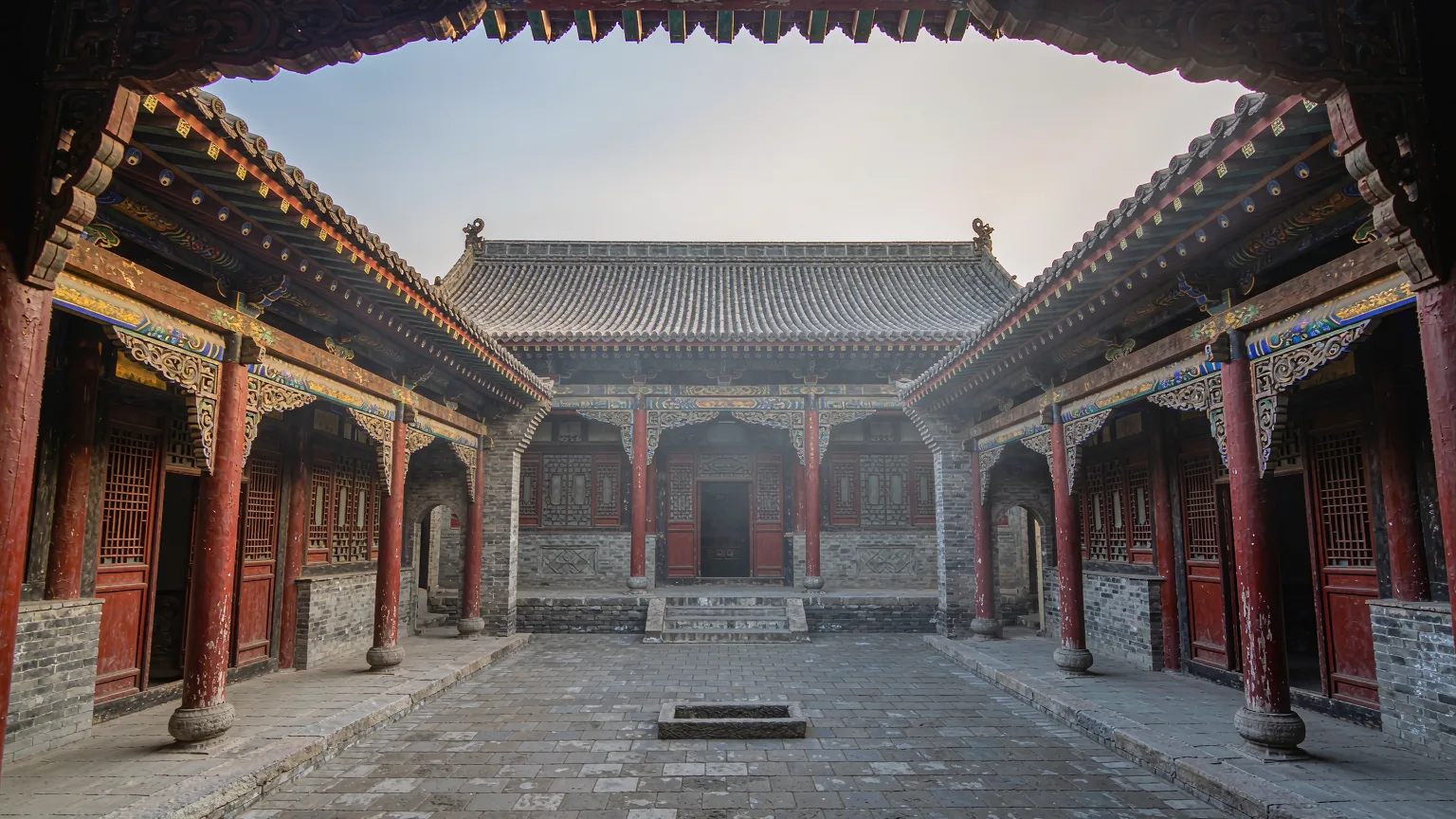
Rishengchang was founded in 1823 by Li Daquan and Lei Lutai, who transformed a humble dye shop into China's first draft bank (piaohao). It introduced a system of paper drafts that allowed merchants to deposit silver in one city and withdraw it in another, eliminating the risk of transporting heavy bullion. The bank's success spawned 51 branches across China and beyond, from Beijing to St. Petersburg, and made Pingyao the financial heart of the Qing dynasty. Its innovative management, including shareholding and profit-sharing, predated similar practices in the West.
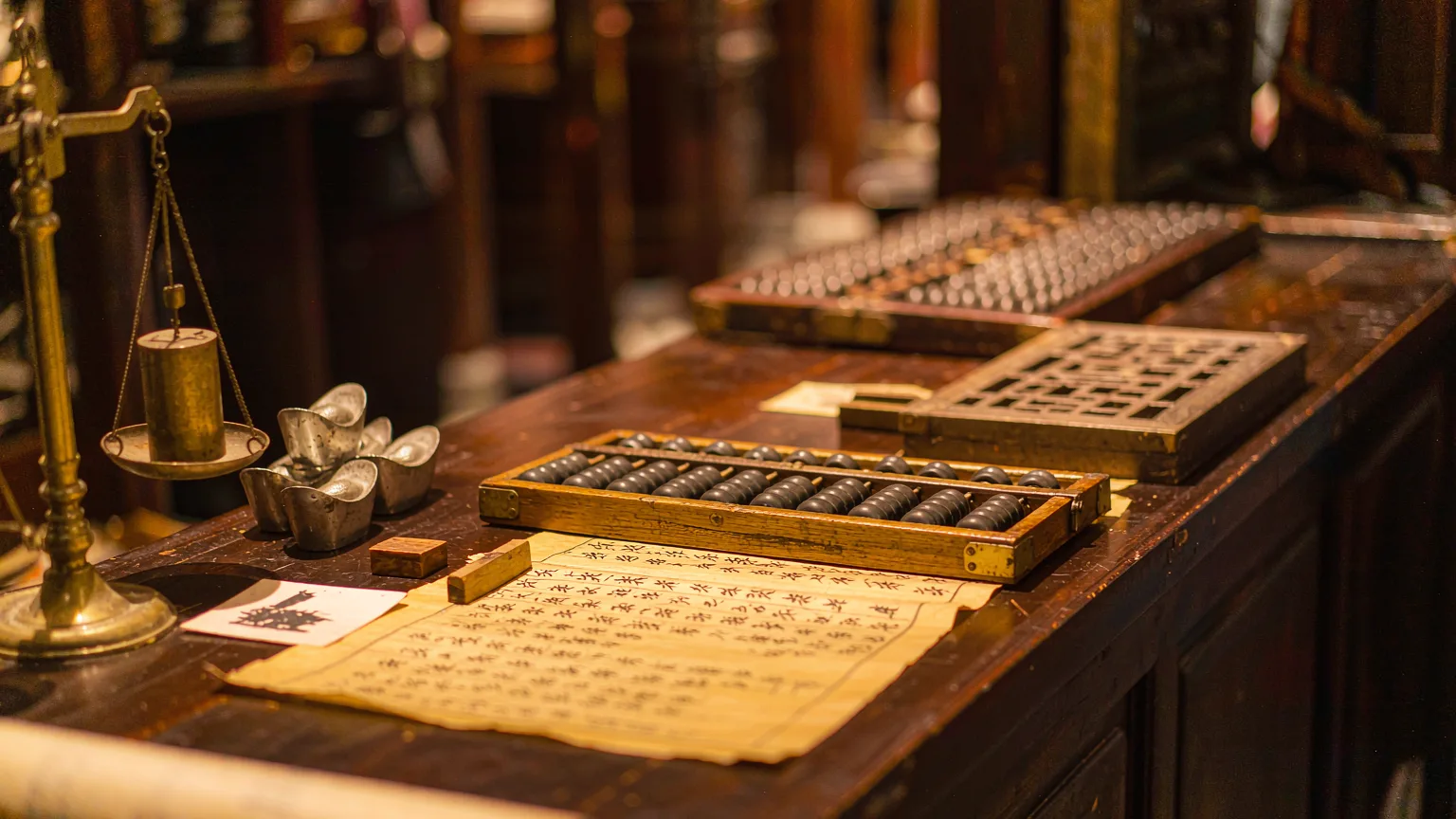
The compound itself is a masterpiece of Pingyao's traditional architecture, with a narrow frontage that hides a labyrinth of courtyards, offices, and vaults. The guided tour reveals the bank's sophisticated anti-fraud measures, such as watermarked paper, secret codes, and a rotating cipher that changed monthly. Though the bank declined in the early 20th century due to modern banks and political turmoil, its legacy as the 'ancestor of modern banking' is proudly preserved. Today, the site is a museum, part of the UNESCO-listed Ancient City of Pingyao, and a must-see for anyone interested in finance or Ming-Qing history.
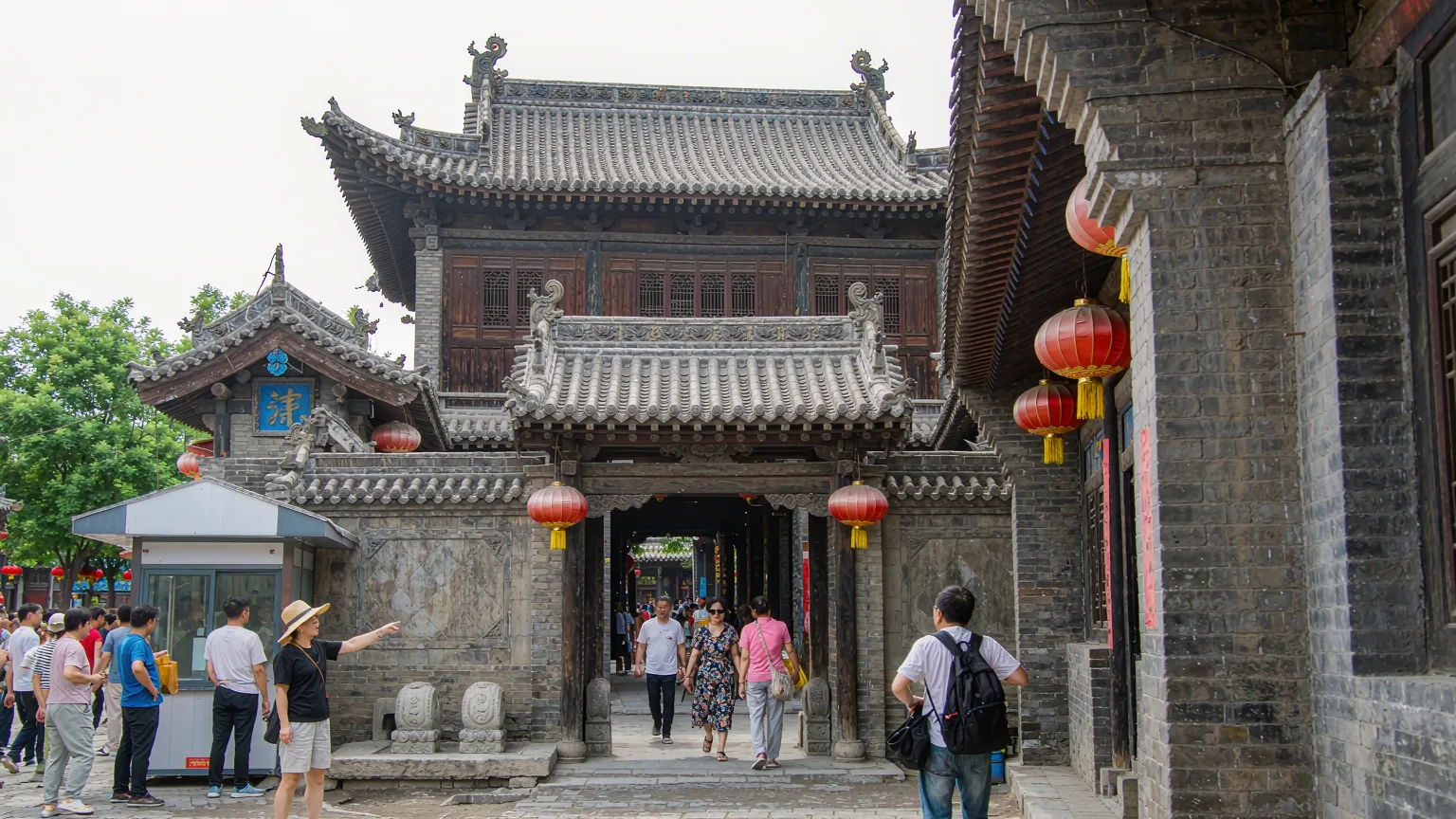
Rishengchang is located on West Street in the heart of Pingyao's Ancient City, a 10-minute walk from the main South Gate. If you're coming from Taiyuan, take a high-speed train to Pingyao Ancient City Station (about 30 minutes), then a taxi or local shuttle to the old town. Our private guide will meet you at your hotel and weave this visit into a full day of exploring Pingyao's other financial relics, like the Rishengchang branch and the Armed Escort Agency.
Admission is included in the Pingyao Ancient City through ticket (¥125, valid for 3 days and covering 22 attractions) or can be purchased separately for around ¥30. Opening hours are 8:00–18:30 (longer in summer, shorter in winter). Book through our guide to skip the queue; foreign cards are accepted at the main ticket office, but WeChat Pay or Alipay is more convenient for smaller vendors.
Visit in spring (April–May) or autumn (September–October) for mild weather and fewer crowds. Early morning, right at opening, is ideal to experience the courtyards in peace and capture photos without tour groups. Avoid Chinese public holidays, when the narrow alleys become packed.
The historic compound has narrow doorways and uneven stone floors, making wheelchair access difficult. However, our guide can help arrange a modified route that avoids the most challenging sections.
Most visitors spend about 1 to 1.5 hours exploring the courtyards and exhibits. With a guide, you'll gain deeper insights and can comfortably cover it in 90 minutes.
Yes, the main ticket office accepts international credit cards, but it's safer to have WeChat Pay or Alipay set up. Our guide can also purchase tickets in advance on your behalf.
It's the only site that tells the story of China's first draft bank, offering a unique blend of financial history and architectural beauty. It's a must for anyone curious about how modern banking began.
Tell us your dates, group size and preferences — a dedicated consultant will reach out within 24 hours.