
Guest — sign in to save your enquiries.
My account
Qingjing Mosque is the oldest surviving Islamic mosque in China, founded in 1009 during the Northern Song dynasty. Its weathered stone gateway and tranquil prayer hall recall Quanzhou's heyday as a global port where Arab and Persian traders settled. With our private guide, you'll decode the Arabic inscriptions and understand this remarkable fusion of Islamic and Chinese architecture.
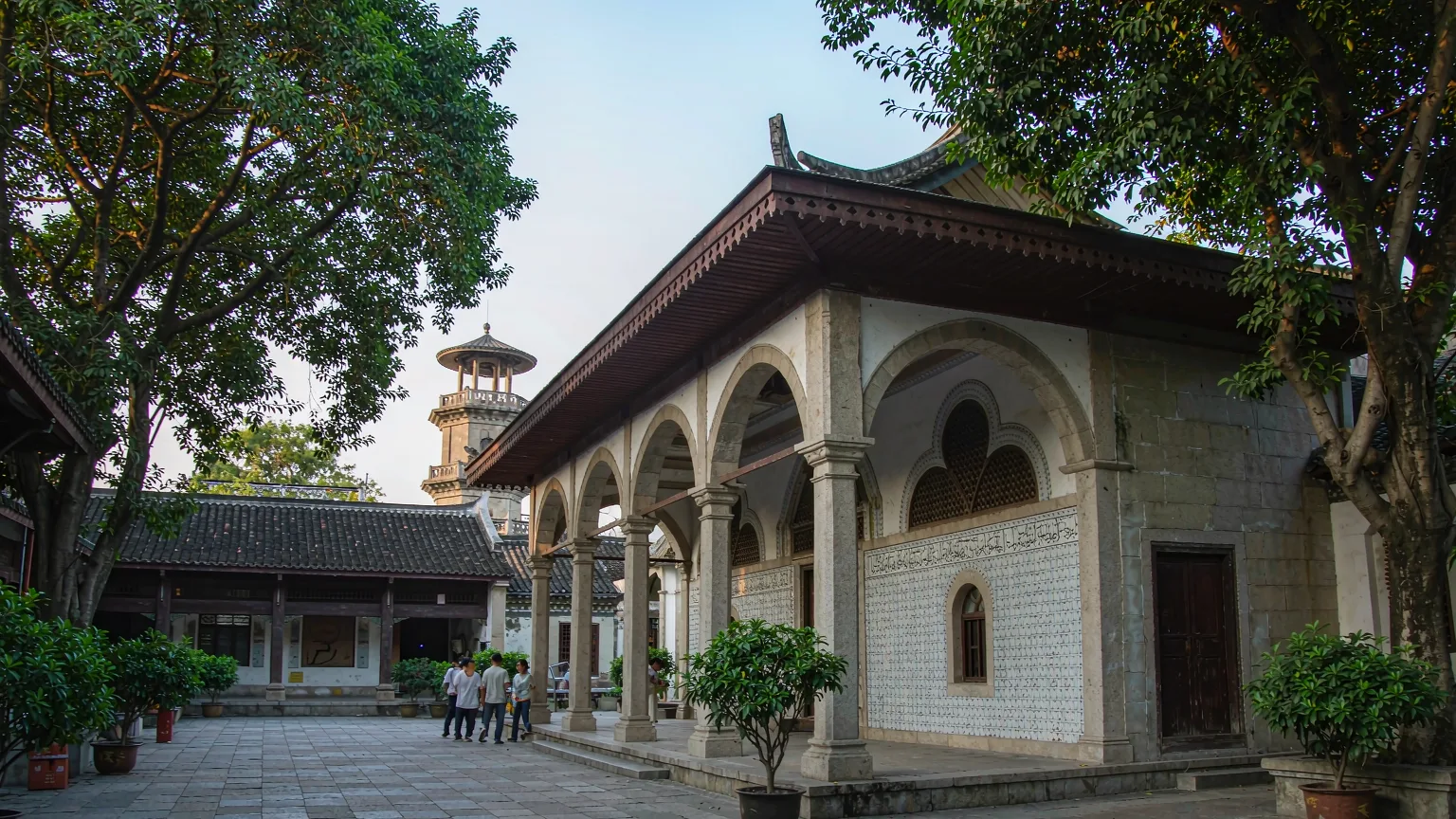
Qingjing Mosque, also known as the Ashab Mosque, was built in 1009 by Arab traders who made Quanzhou their home. As the port of call for the maritime Silk Road, Quanzhou hosted a large Muslim community, and this mosque served as its spiritual center. The original structure was damaged by an earthquake in 1607, but the magnificent stone gate, the Masjid al-Ashab, still stands. Its pointed arches and domed roof are built in the Syrian style, while the adjacent prayer hall incorporates Chinese timberwork, a testament to cultural exchange.
Today, the mosque is an active place of worship and a museum-like site. The stone gate, with its intricate carvings and Arabic calligraphy, is the oldest surviving example of Islamic architecture in China. Behind it, the Ming-era prayer hall (Ming Shan Tang) features a mix of Islamic and Chinese elements, including a minaret-shaped incense burner. The site also includes a small exhibition on the history of Islam in Quanzhou. Visitors can wander the peaceful courtyards and imagine the bustling medieval port that once surrounded it.
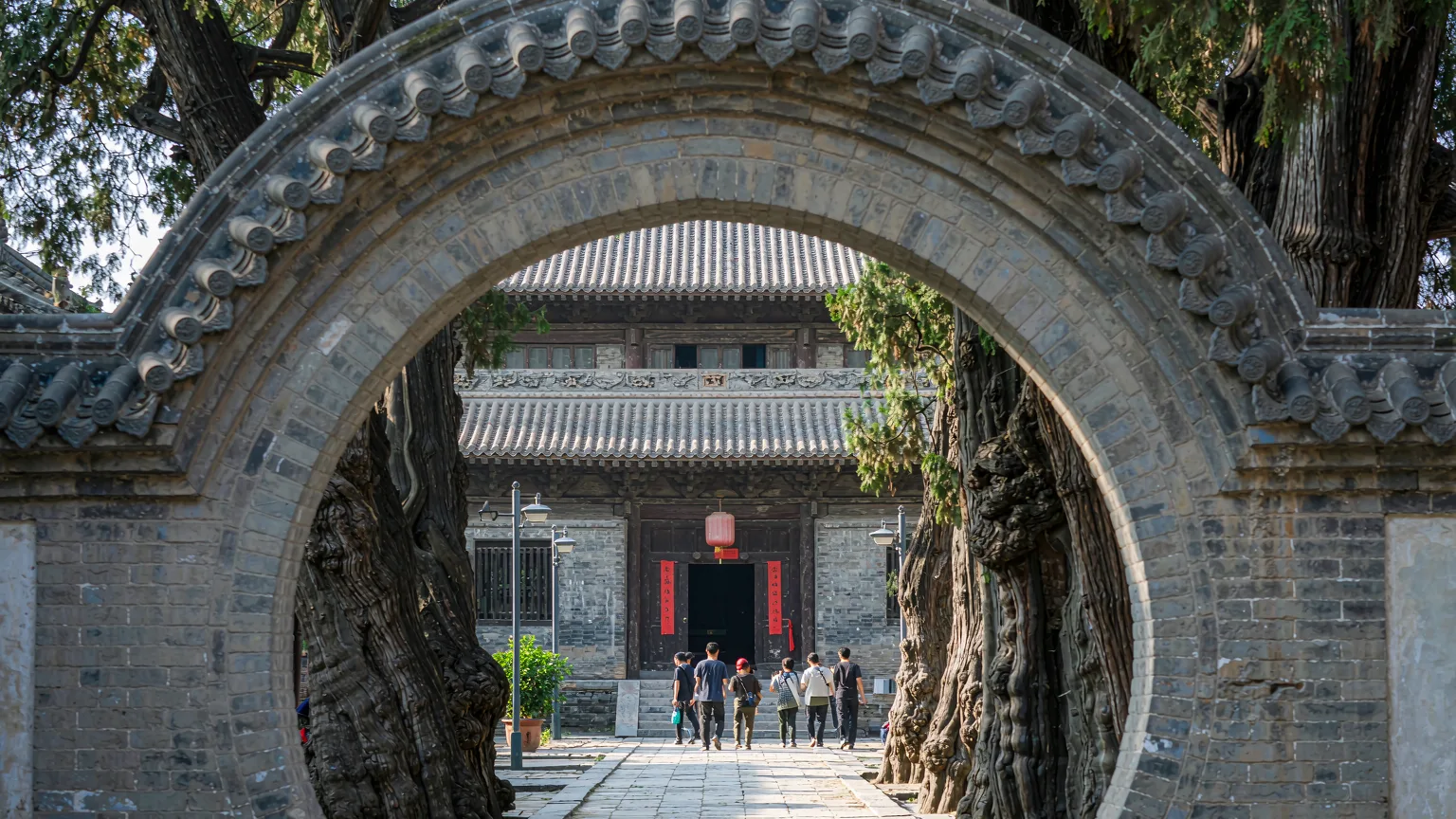
Qingjing Mosque is in the heart of Quanzhou's old city, a short walk from the Confucian Temple and Guandi Temple. From Quanzhou Railway Station, take a taxi (about 20 minutes, ¥20-30) or bus K1 to the 'Qingjing Si' stop. It's easily combined with a half-day walking tour of the old town. Our guide can arrange a private transfer from your hotel and weave the mosque into a broader exploration of Quanzhou's religious heritage.
Admission is ¥3 per person. Opening hours are 8:00-17:30 (last entry 17:00). Tickets can be purchased on-site; no advance booking is required. Foreign credit cards are not accepted, so bring cash or use WeChat Pay/Alipay linked to an international card.
Visit in the morning (8:00-10:00) when the light is soft and the site is quiet, or in the late afternoon for a golden glow on the stone gate. Spring (March-May) and autumn (October-November) offer pleasant weather. Avoid Fridays around noon when local Muslims gather for prayer.
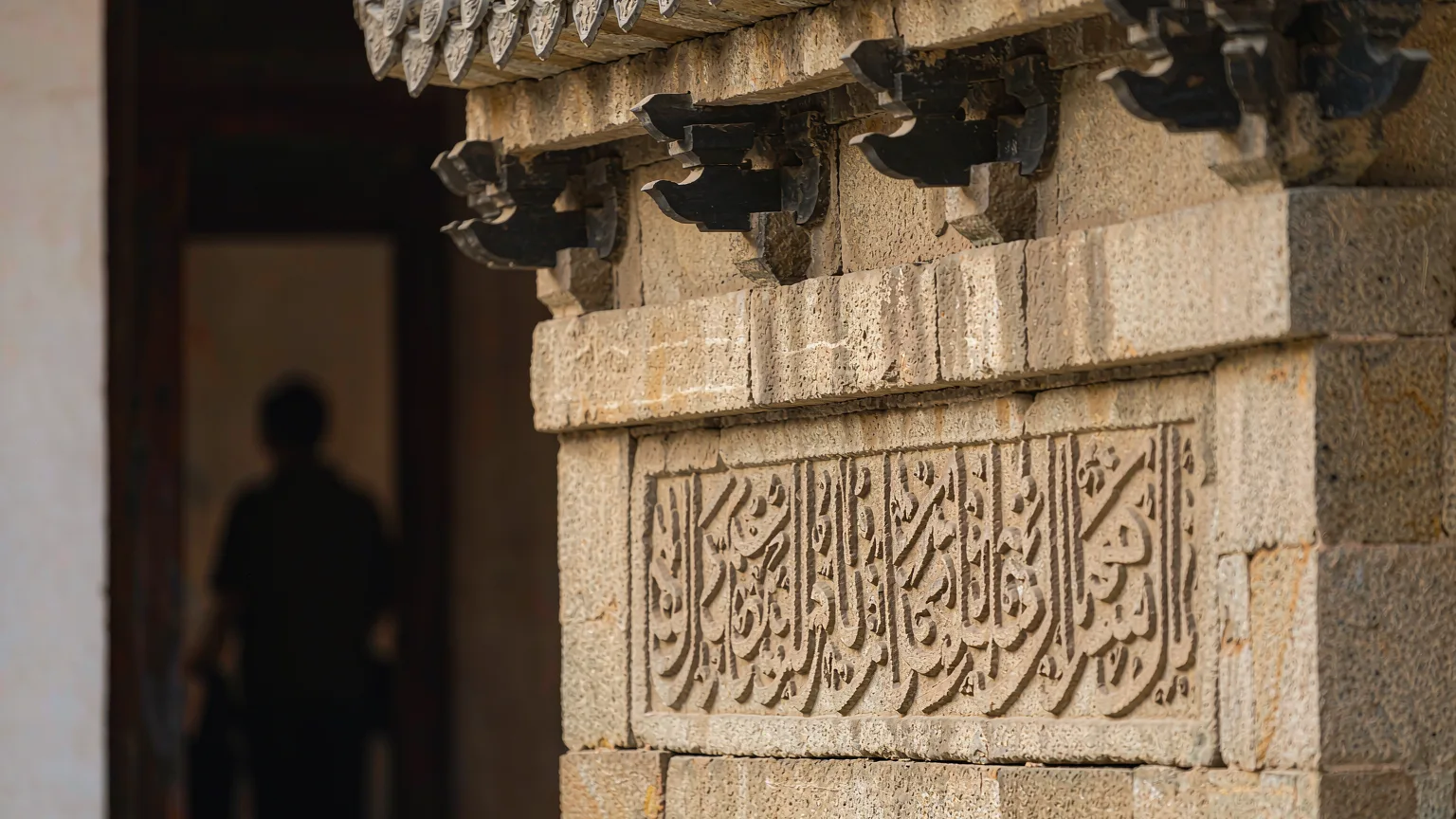
Yes, it is an active mosque primarily used by the local Muslim community, though the number of worshippers has dwindled. Visitors are welcome outside prayer times.
The stone gate, dating to 1009, is the oldest surviving Islamic architectural structure in China. Its Syrian-style arches and Arabic inscriptions are unique.
Non-Muslims can enter the courtyards and the exhibition hall, but should not enter the prayer hall during prayers. Modest dress is required.
Most visitors spend 30-45 minutes exploring the gate, prayer hall, and exhibition. With a guide, you might stay longer to delve into the history.
Tell us your dates, group size and preferences — a dedicated consultant will reach out within 24 hours.