
Guest — sign in to save your enquiries.
My account
Pingyao Ancient City is China's best-preserved Ming-Qing county town, a complete walled city with 2,800 years of history and UNESCO World Heritage status. Walking its stone streets feels like stepping into a living museum of traditional banking, temples, and courtyard homes. With our private guide, you skip the guesswork and uncover the stories behind every gate and shopfront.
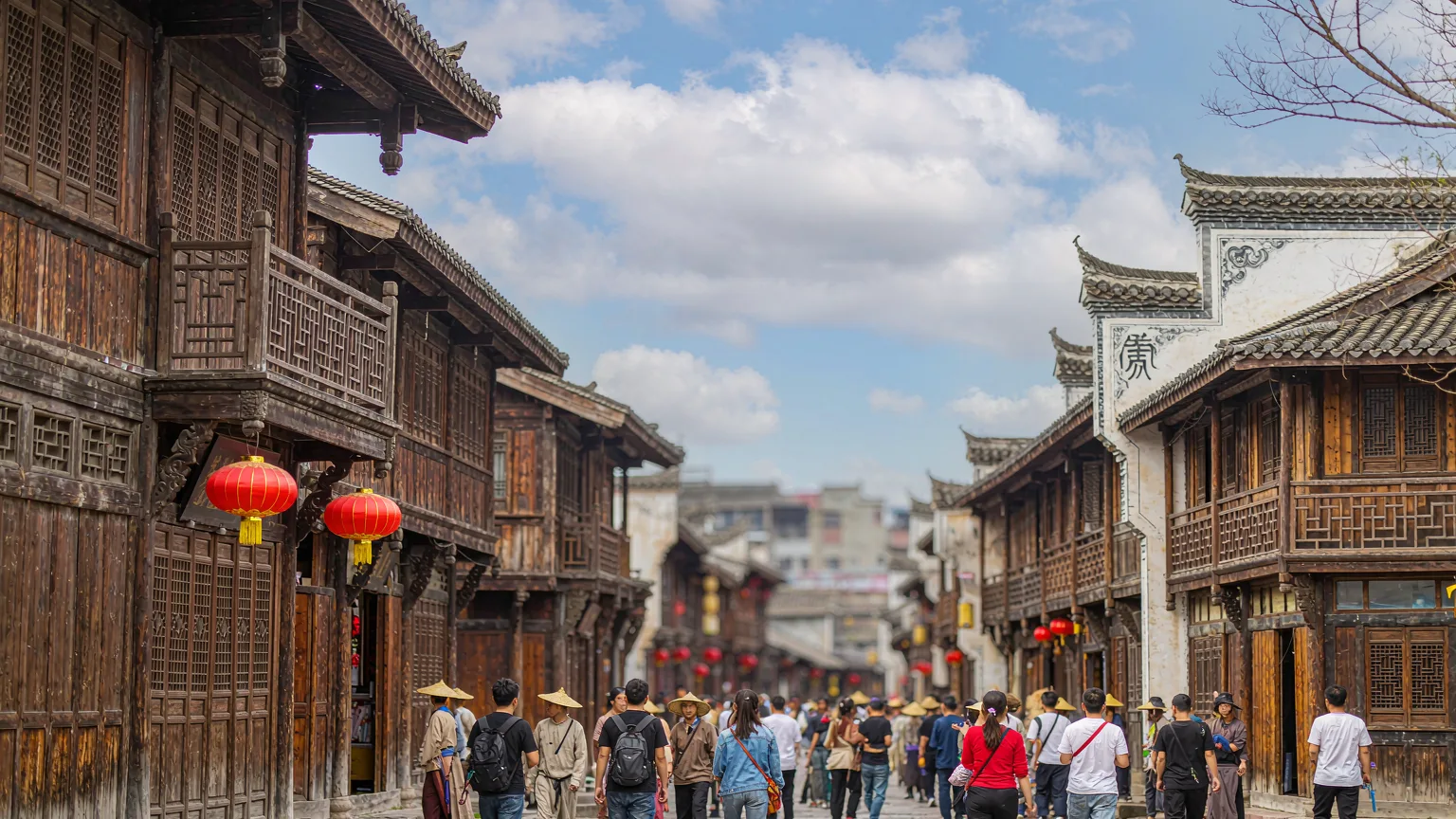
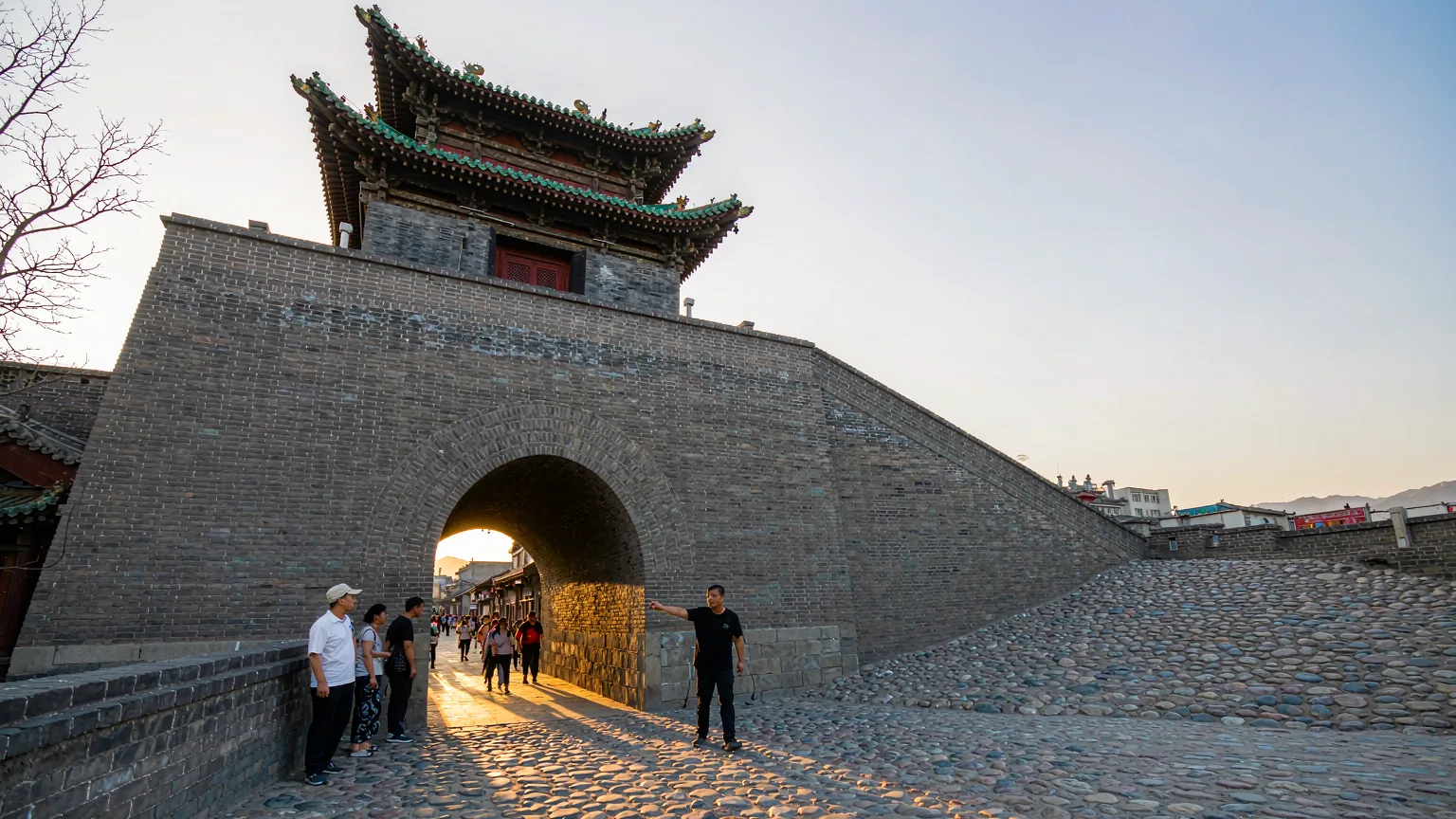
Pingyao was founded in the Western Zhou dynasty, but its golden age came during the Ming and Qing dynasties when it became China's financial nerve center. The city's layout follows a traditional bagua pattern, with a 6.4-kilometer brick wall, 72 watchtowers, and four main streets lined with shops and residences. In the 19th century, Pingyao's merchants established the first draft banks, or piaohao, which revolutionized Chinese commerce and earned the city the nickname 'Wall Street of China'.
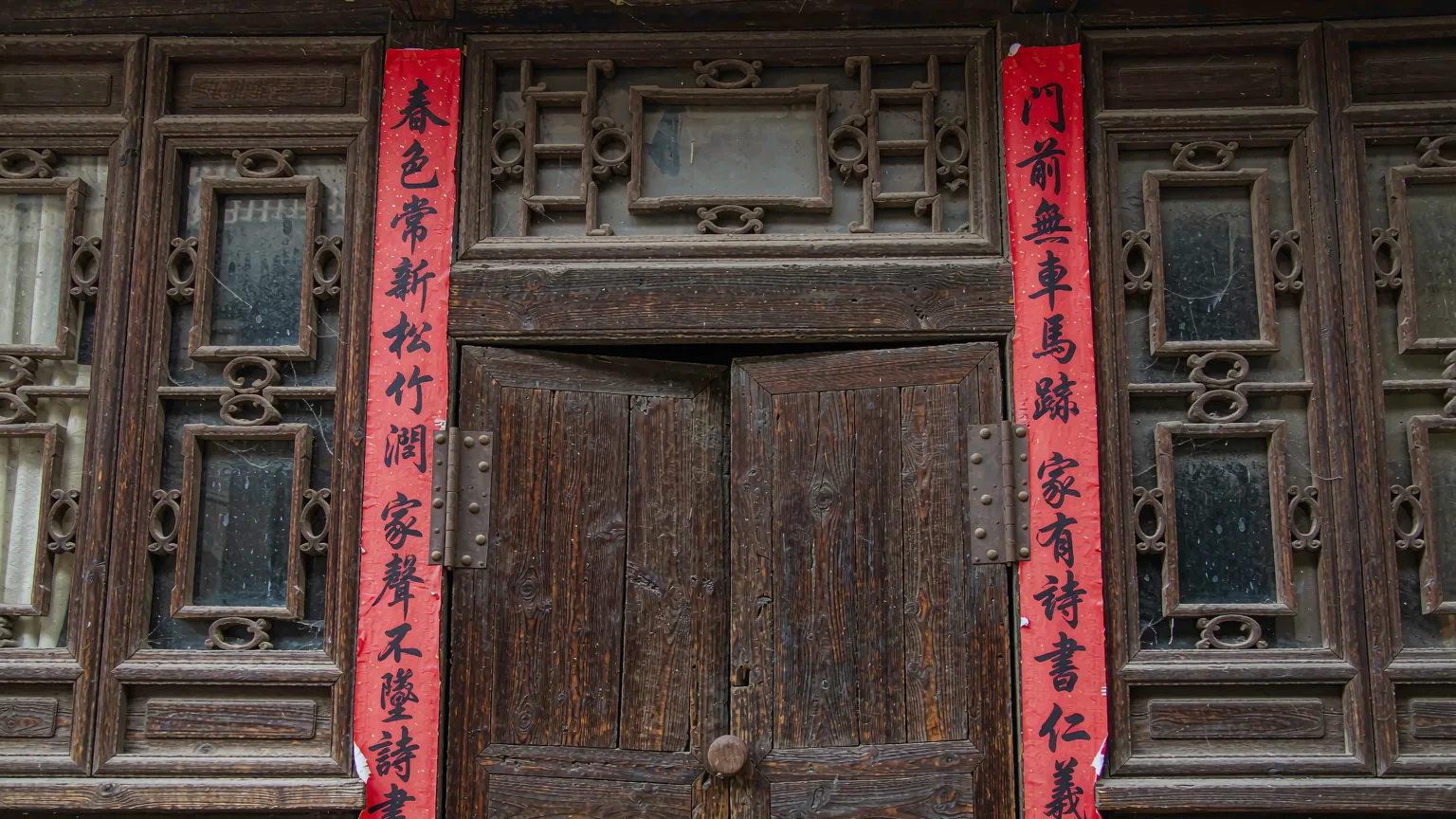
Today, Pingyao is a living community where locals still reside in ancient courtyards. The city escaped major modernization thanks to its remote location and early preservation efforts, allowing visitors to experience an authentic slice of imperial China. Key sites include the Rishengchang Draft Bank, the Confucian Temple, and the county government office. Our guides can arrange access to lesser-known courtyards and explain the symbolism behind the architecture, from roof carvings to courtyard layouts.
Pingyao is easily reached by high-speed rail from Beijing (about 3.5 hours), Xi'an (3 hours), or Taiyuan (30 minutes). The station is 2 km from the ancient city; take a taxi (¥10-15) or walk if you're light on luggage. From the station, our guide can meet you and handle tickets. Most travellers spend a full day or overnight here, combining it with nearby attractions like the Qiao Family Compound or Shuanglin Temple.
The combined ticket for all major sites costs ¥125 and is valid for three days. Opening hours are generally 8:00-18:00 (shorter in winter). Book through our guide to skip queues; foreign credit cards are accepted at some ticket offices, but WeChat Pay or Alipay linked to an international card is more reliable. Bring your passport for ticket verification.
Spring (April-May) and autumn (September-October) offer mild weather and clear skies, ideal for walking the wall. Summer can be hot and crowded, while winter is cold but atmospheric with fewer tourists. Early morning or late afternoon is best for photography and avoiding tour groups; the city is particularly magical at dusk when lanterns light up.
A full day covers the main highlights, but two days allow a deeper dive into temples, courtyards, and nearby sites. Overnight stays let you experience the city without day-trippers.
Major hotels and some larger shops accept international credit cards, but smaller vendors prefer WeChat Pay or Alipay. Set up mobile payment before arrival or carry cash (¥) for small purchases.
The ancient streets are cobbled and uneven, and many sites have steps. Wheelchair access is limited, but our guides can plan a route that minimizes barriers and arranges transport between sites.
Yes, high-speed trains make it possible, but it's a long day (3.5 hours each way). We recommend staying overnight to fully appreciate the city's evening ambiance and avoid rushing.
Tell us your dates, group size and preferences — a dedicated consultant will reach out within 24 hours.