
Guest — sign in to save your enquiries.
My account
Lulang Forest Sea is a breathtaking high-altitude landscape of pristine alpine meadows and dense coniferous forests, often called 'Eastern Switzerland'. It lies on the road from Nyingchi to Lhasa, offering a serene escape with views of Namcha Barwa. Our private guides ensure a seamless visit, handling permits and transport so you can immerse in its natural beauty.
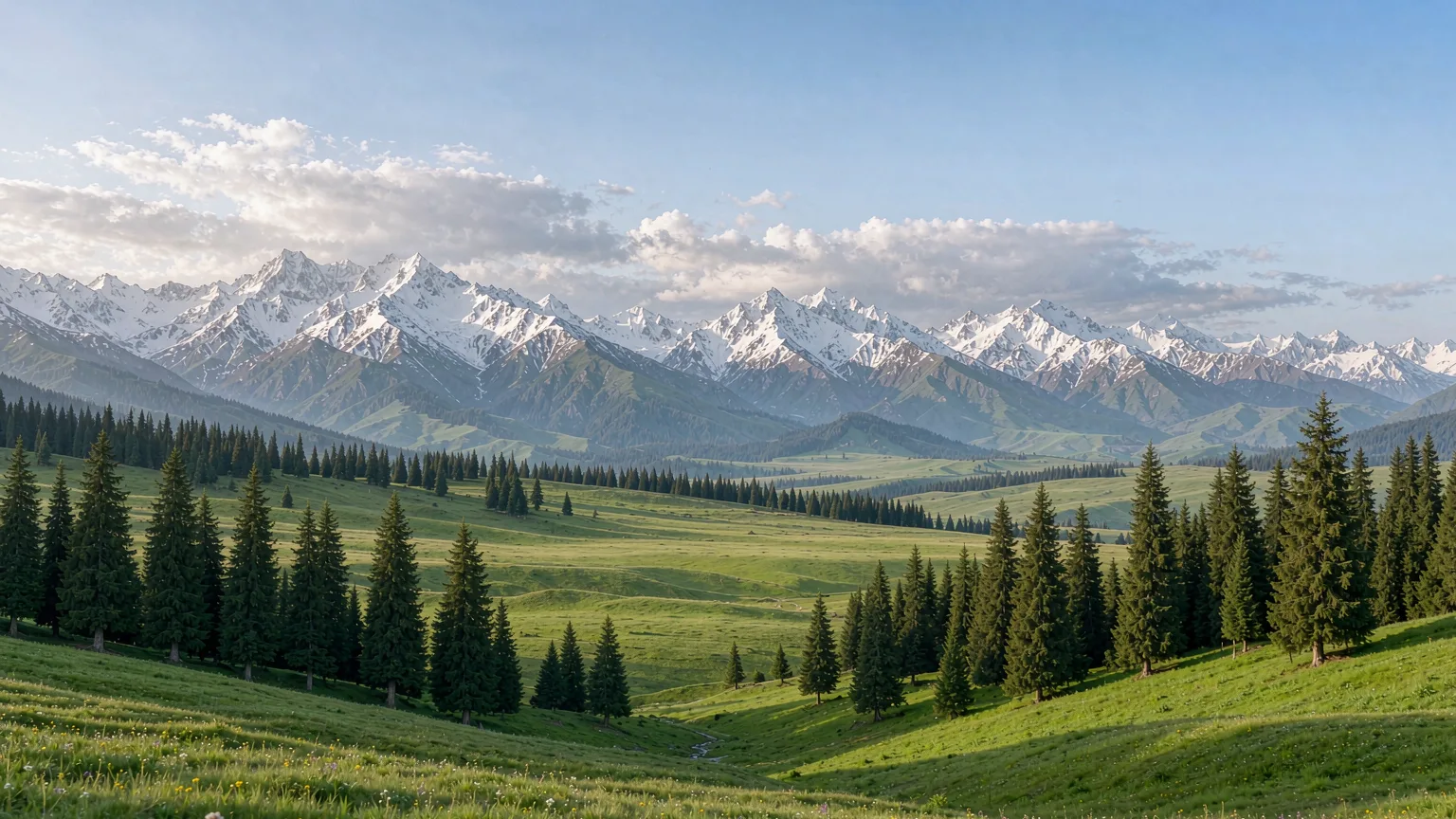
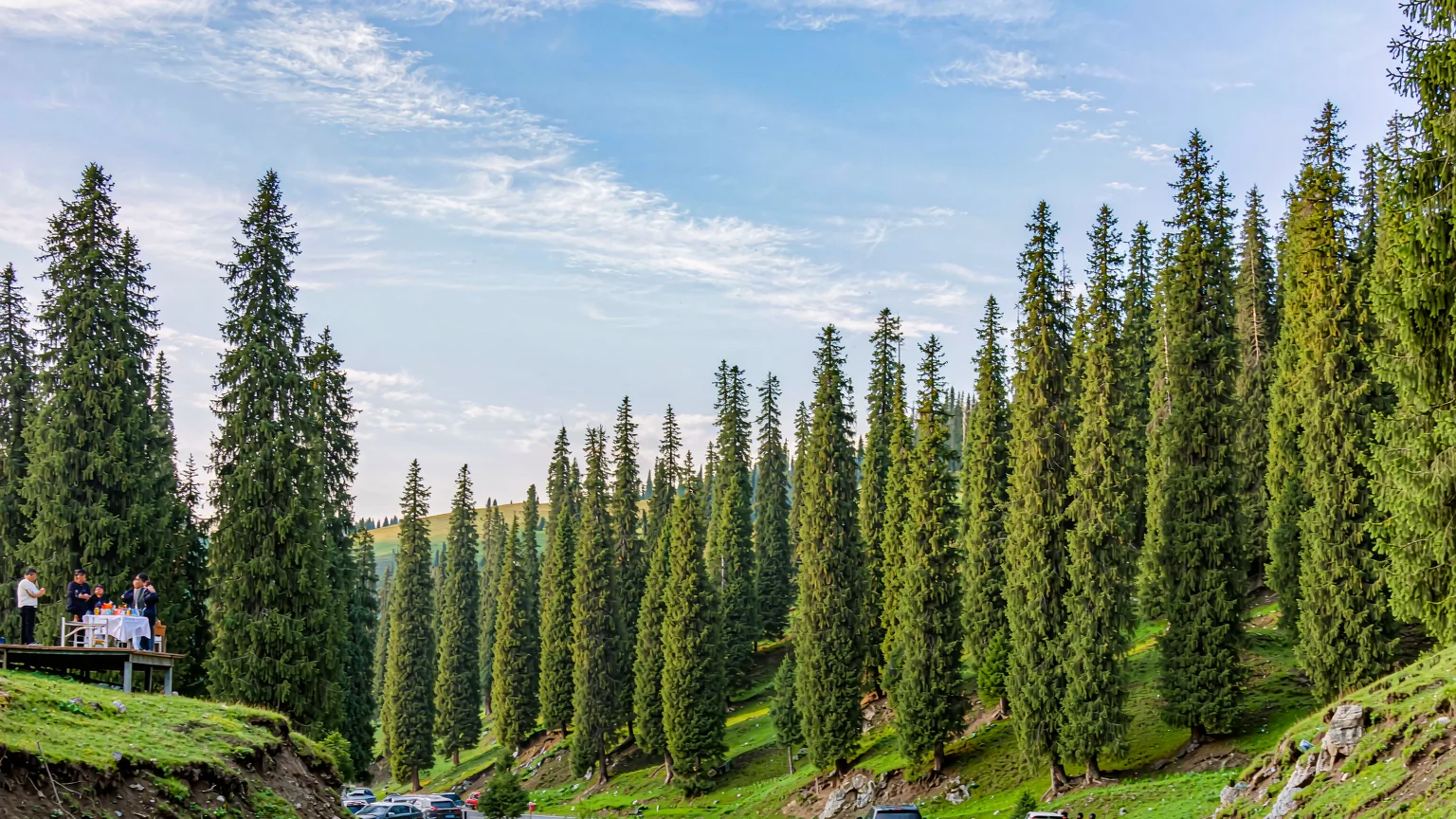
Lulang Forest Sea, known in Chinese as 鲁朗林海, is a scenic area in Nyingchi Prefecture, Tibet, at an average elevation of 3,700 meters. It is characterized by vast stretches of alpine meadows dotted with spruce, fir, and pine trees, backed by snow-capped peaks. The name 'Lulang' means 'a place where dragons live' in Tibetan, reflecting local legend. The area is part of the Yarlung Tsangpo Grand Canyon ecosystem and is a haven for biodiversity, including rare species like the red panda and various rhododendrons.
The region is also famous as the birthplace of stone pot chicken (石锅鸡), a local delicacy cooked in stone pots with medicinal herbs. Lulang serves as a popular stopover for travelers on the Sichuan-Tibet Highway (G318), offering a taste of Tibetan rural life. The government has developed viewing platforms and boardwalks to facilitate tourism while preserving the environment. Visitors can explore the forest, visit traditional Tibetan villages, and enjoy horseback riding on the meadows.
Lulang is about 80 km from Nyingchi Mainling Airport and 500 km from Lhasa. Most travelers arrive by private vehicle or tour bus from Nyingchi (2 hours) or as a stop on the Sichuan-Tibet Highway. Our private tours include comfortable transfers from Nyingchi or Lhasa, with permits arranged. It's best combined with a visit to Basum Tso or Namcha Barwa, making a full day of scenic driving.
Admission to the Lulang Forest Sea scenic area is ¥90 per person, with additional fees for internal shuttle buses (¥50) and horseback riding (¥100-200). Opening hours are 8:00-18:00. Tickets can be purchased on-site, but we recommend booking through your guide to avoid queues. WeChat Pay and Alipay are widely accepted, but foreign cards may not work; carry cash as backup.
The best time to visit is from April to October, when the weather is mild and the landscapes are lush. Spring (April-May) brings rhododendron blooms, while autumn (September-October) offers clear skies and golden foliage. Avoid the monsoon months of July-August, which can bring heavy rain and landslides. Early morning is ideal for photography, with fewer crowds and misty forests.
Yes, as part of Tibet, foreign travelers need a Tibet Travel Permit arranged through a registered tour operator. We handle all permits for our clients.
Lulang sits at about 3,700 meters. Most travelers acclimatize in Nyingchi first. Our guides monitor your health and carry oxygen if needed.
Yes, it's about a 2-hour drive from Nyingchi. A day trip is possible, but staying overnight allows a more relaxed experience.
Mobile signal is generally available in the main areas, but can be spotty in remote parts. Download offline maps and inform others of your plans.
Tell us your dates, group size and preferences — a dedicated consultant will reach out within 24 hours.