
Guest — sign in to save your enquiries.
My account
Liuhe Pagoda stands on the north bank of the Qiantang River, an octagonal brick-and-wood tower first built in 970 AD. It is Hangzhou's quiet counterpoint to the West Lake crowds, and climbing its 13 storeys rewards you with sweeping river views. Our private guide handles the tickets and timing so you simply enjoy the climb.
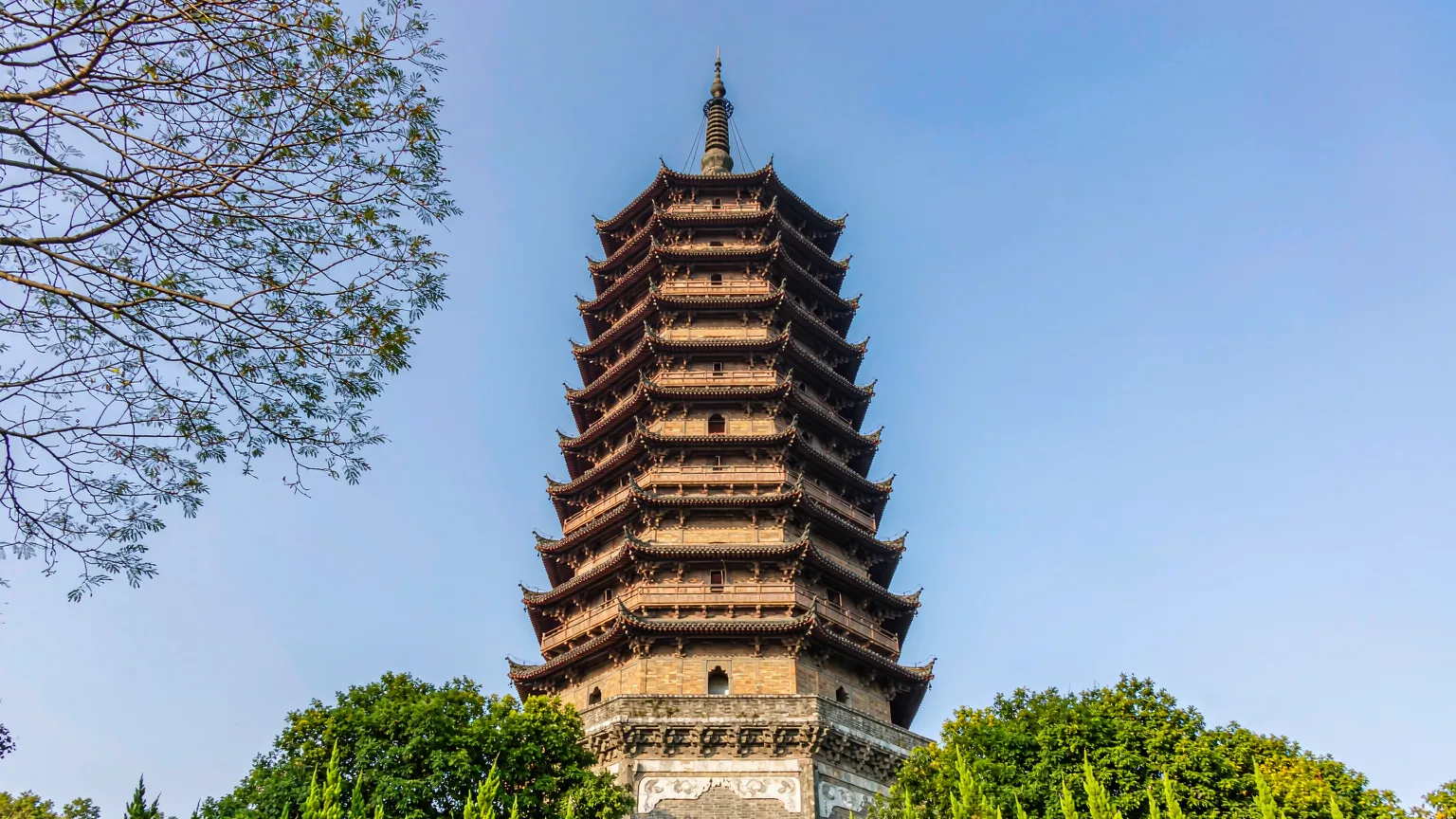
Liuhe Pagoda, or the Pagoda of Six Harmonies, was commissioned in 970 by the King of Wuyue to pacify the tidal bore of the Qiantang River. The original nine-storey structure was destroyed and rebuilt in 1153 during the Southern Song dynasty. Its name refers to the six Buddhist harmonies: body, speech, mind, virtue, benefit, and harmony with others. The pagoda served as a navigational landmark for ships and a spiritual anchor for the city. Its brick core and wooden eaves are a rare surviving example of Song dynasty architecture.
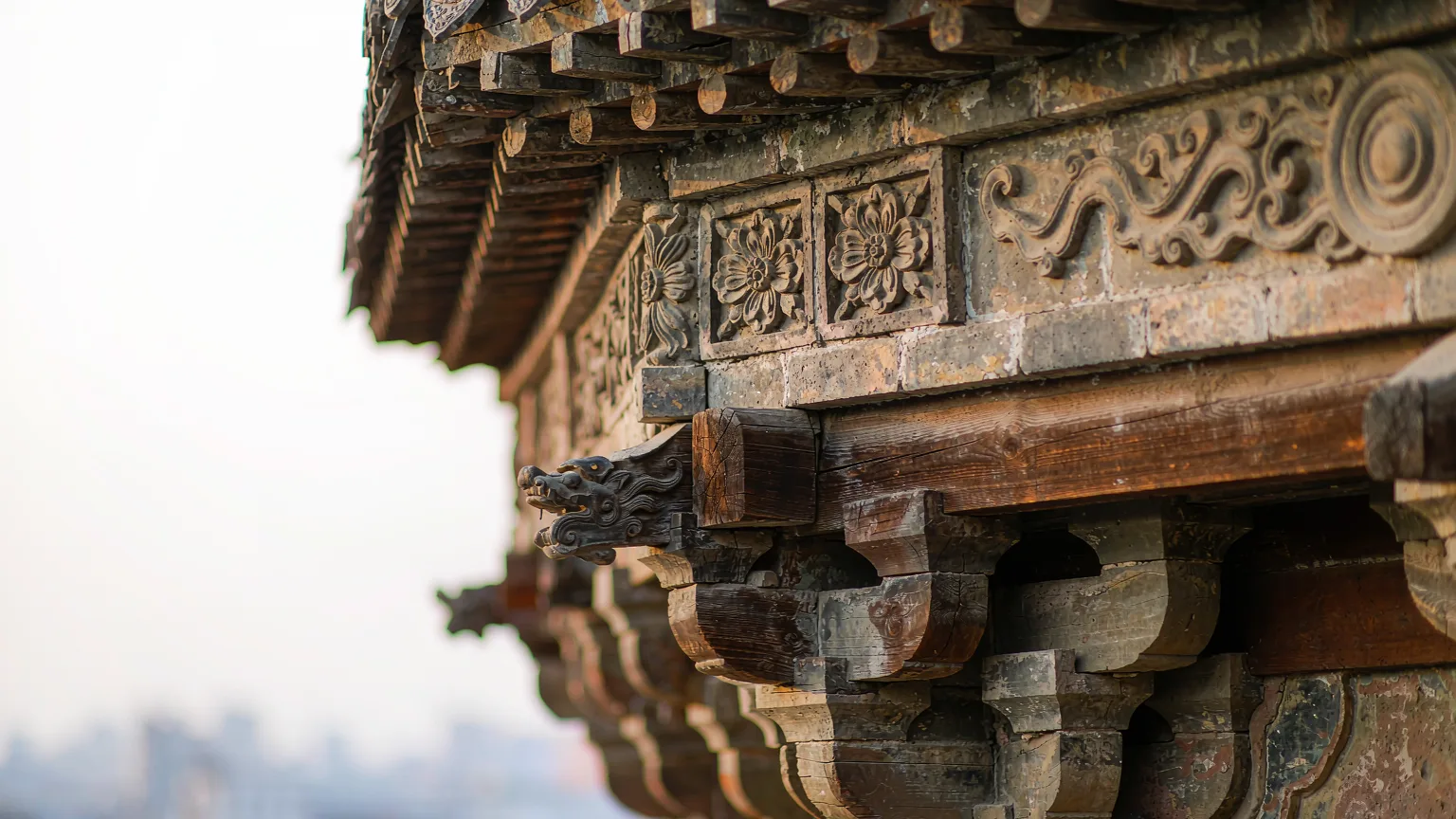
The pagoda you see today is a 13-storey, 59.89-metre tower, though only seven interior levels are accessible. The exterior wooden eaves were added in 1735 under the Qing dynasty, giving it a distinctive layered silhouette. Inside, a spiral staircase winds up past stone carvings and inscriptions. The site also includes a small garden and the remains of a Ming dynasty temple. For a deeper look at Hangzhou's religious heritage, pair this with a visit to Lingyin Temple.
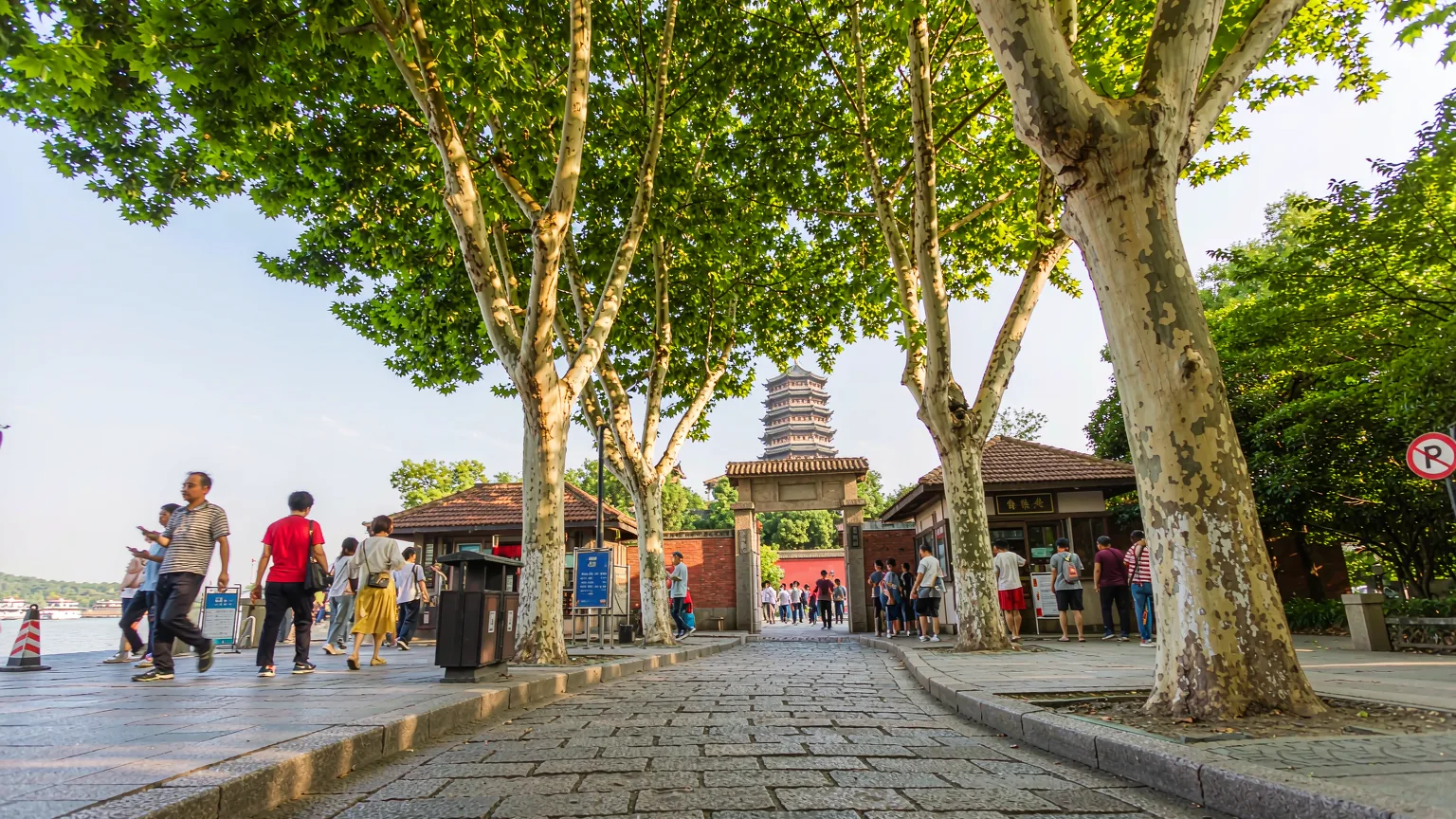
Liuhe Pagoda is about 15 km southwest of West Lake, a 30-minute taxi ride (¥40–50) from downtown. By metro, take Line 4 to Shuichengqiao Station and transfer to bus 287 or 318; the ride takes roughly 50 minutes. We usually combine it with a morning at West Lake and an afternoon here, timing the visit for low tide or high tide depending on the season. Our guide can arrange a private car for a seamless half-day trip.
Admission is ¥20 for the park and an additional ¥10 to climb the pagoda, so ¥30 total. Opening hours are 6:30–17:30 (last entry 17:00). Tickets can be bought on-site, but we recommend booking via WeChat mini-program in advance during holidays. Foreign cards are accepted at the ticket office, and WeChat Pay or Alipay linked to an international card works at most counters.
Visit in late September or early October to catch the Qiantang tidal bore, when the river surges dramatically. Otherwise, aim for early morning (before 9 am) or late afternoon (after 4 pm) to avoid tour groups and enjoy softer light. Spring (March–May) offers mild weather and blooming gardens. Avoid weekends and Chinese public holidays if you prefer quiet.
Most visitors spend 1–1.5 hours here, including the climb and a walk through the gardens. If you linger for photography or tide-watching, allow two hours.
The ground-level park is wheelchair-friendly, but the pagoda itself has no elevator and a narrow spiral staircase, making upper levels inaccessible for wheelchairs or strollers.
Yes, the upper galleries offer excellent views of the Qiantang River. The bore is best seen during the autumn equinox (around September 15–20) when it is highest.
There is basic English signage at the entrance and key points. Our private guides provide full historical context and can translate inscriptions for a richer experience.
Tell us your dates, group size and preferences — a dedicated consultant will reach out within 24 hours.