
Guest — sign in to save your enquiries.
My account
Jiuzhaigou is a UNESCO World Heritage valley of terraced turquoise lakes, calcium travertine shoals, and multi-tiered waterfalls set among snow peaks and Tibetan villages. Its five signatures — coloured lakes, cascading falls, autumn forests, snowy summits, and living Tibetan culture — make it China's most photographed natural landscape. With our private guide handling permits, park buses, and timing, you simply walk the boardwalks and watch the water change colour.
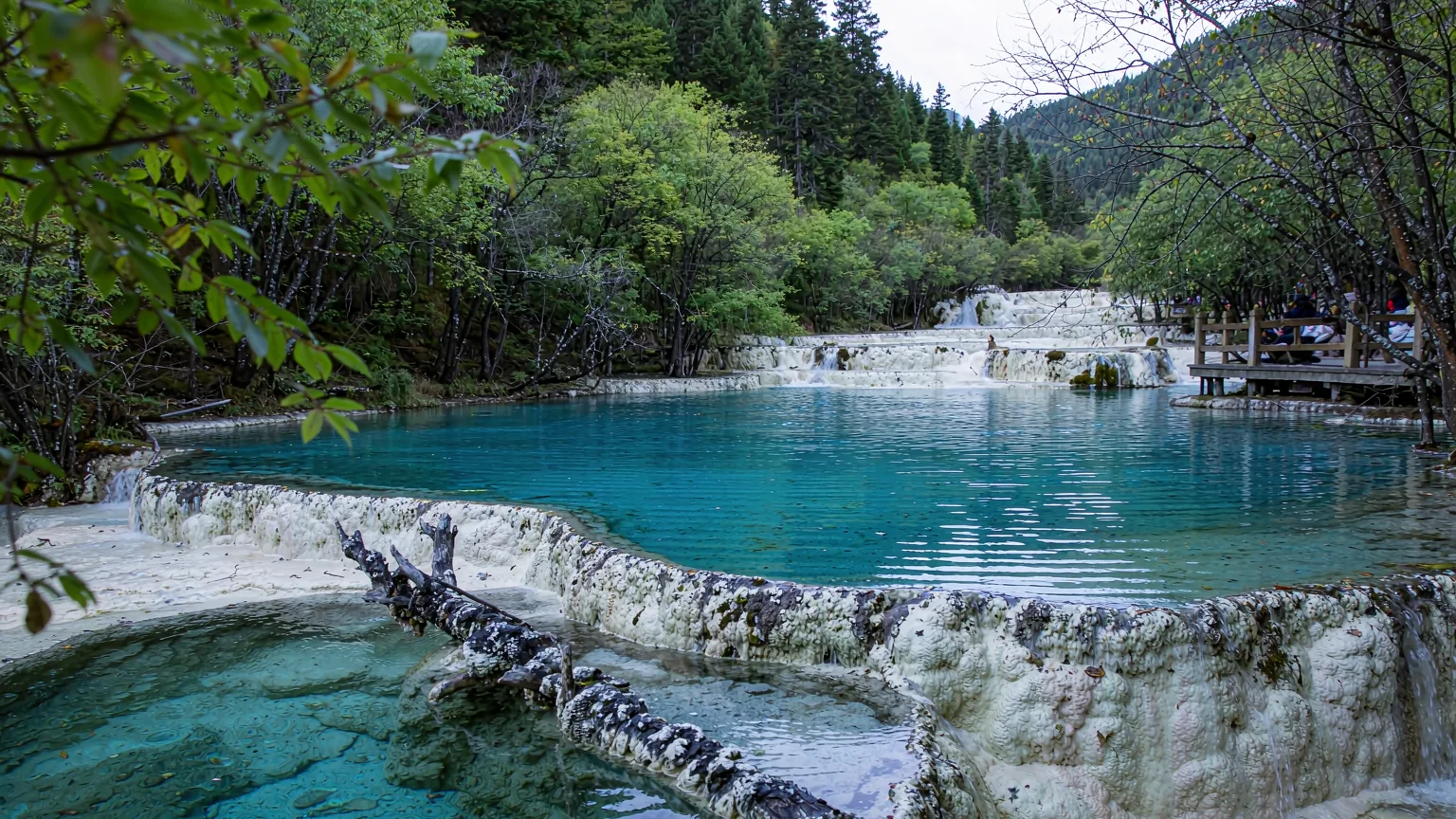
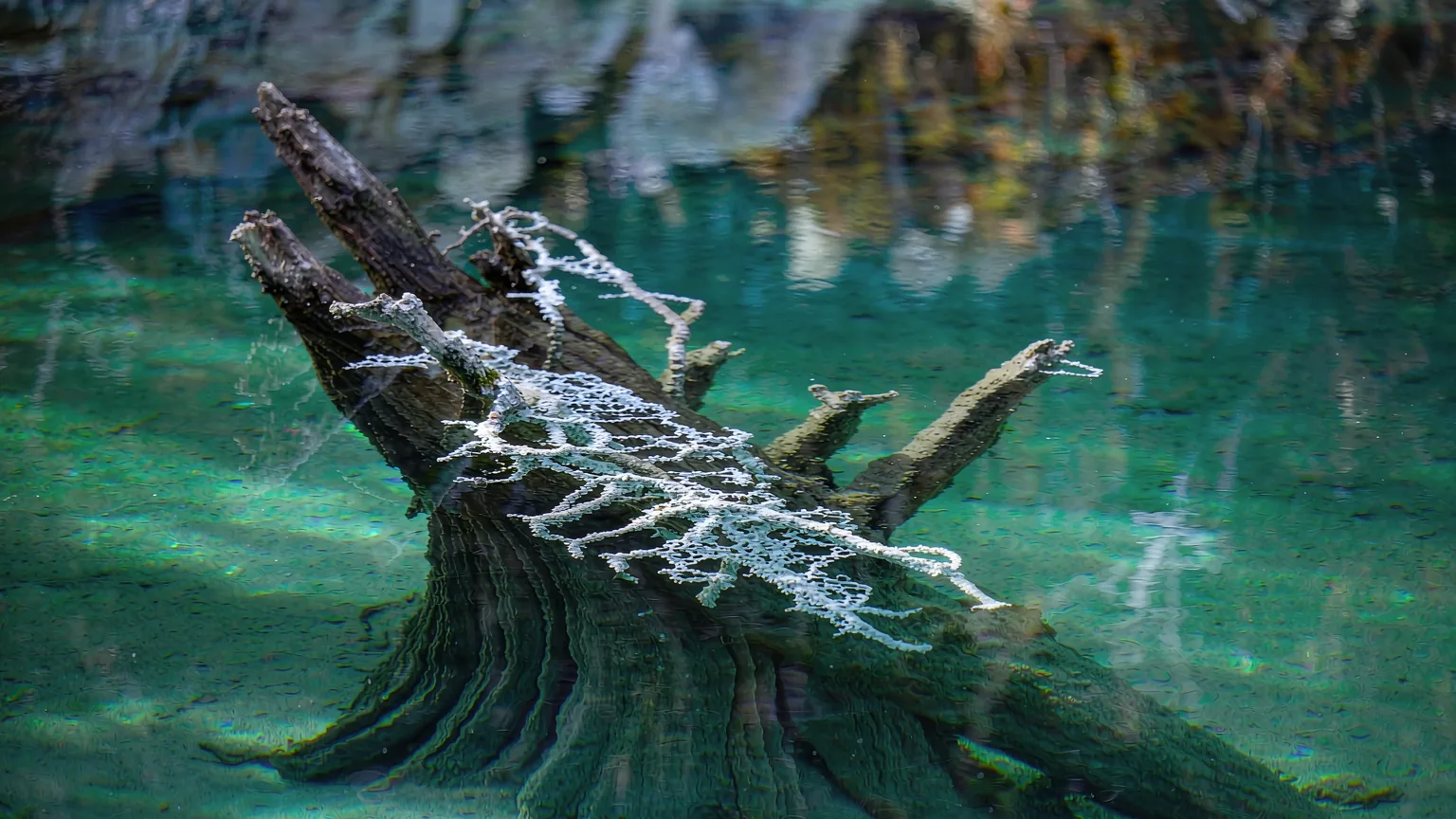
Jiuzhaigou takes its name from nine Tibetan villages that once stood along the valley floor. Formed by glacial and karst processes, the valley's 100-plus lakes sit in stepped basins; calcium carbonate in the water coats submerged logs and branches, keeping them white and preventing decay, while dissolved minerals and algae create the blues, greens, and turquoise that shift with light and depth. Long protected by local Tibetan communities as sacred, the area was logged briefly in the 1960s–70s before being designated a nature reserve in 1978, a national park in 1982, and a UNESCO World Heritage Site in 1992.
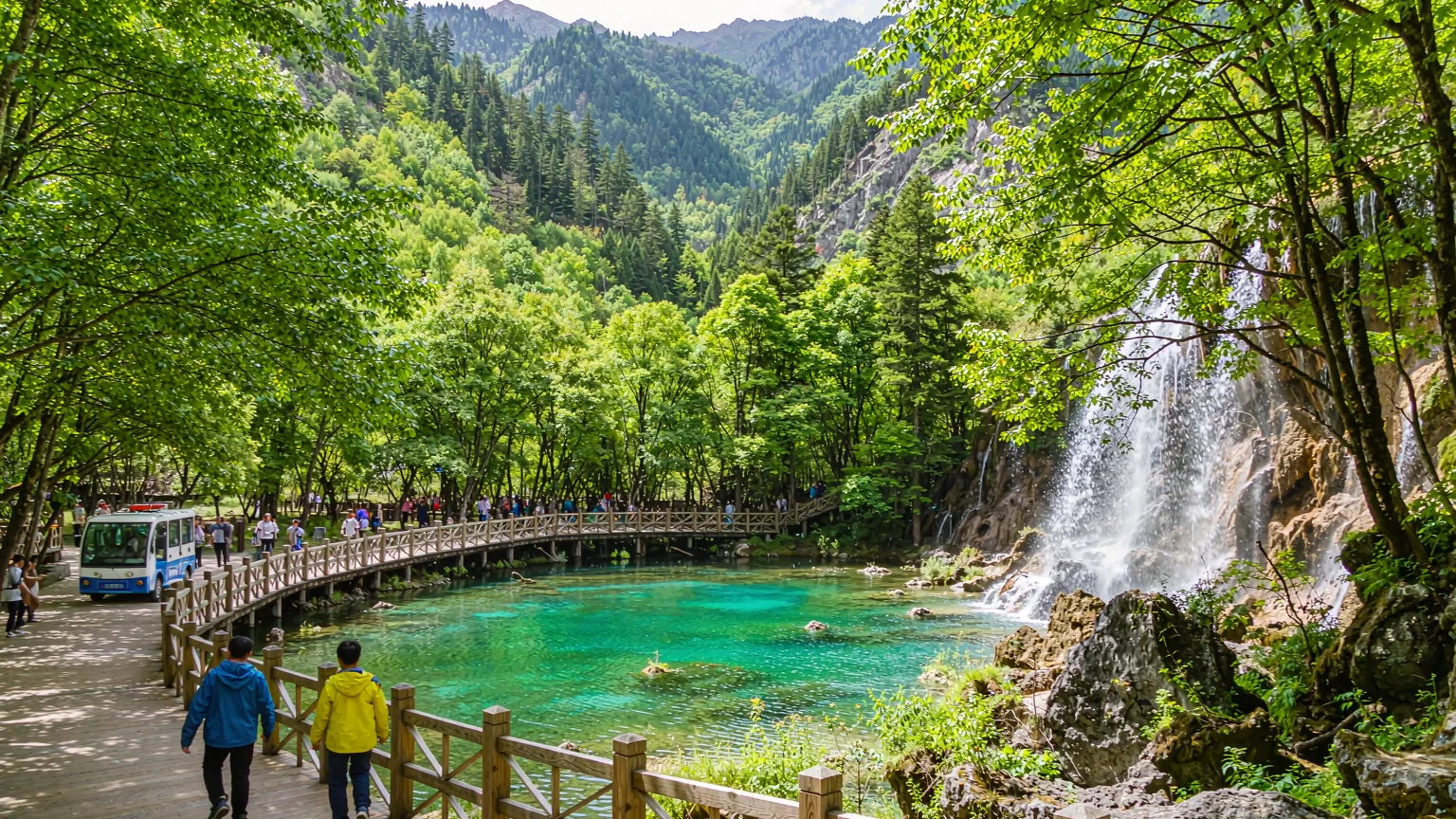
The park is shaped like a Y, with Shuzheng Valley at the base splitting into Rize Valley to the right and Zechawa Valley to the left. Boardwalks and shuttle buses connect the main sights, so you can walk one section and ride the next. At roughly 2,000–3,100 metres, altitude is moderate but noticeable; most visitors feel fine with a slow pace. The 2017 earthquake damaged some roads and infrastructure, but the park reopened and continues to operate with timed-entry and daily visitor caps, which keeps the experience surprisingly calm compared to other Chinese icons.
Most travellers fly into Jiuzhai Huanglong Airport (JZH), about 1.5 hours by road from the park, or take a high-speed train to Huanglong Jiuzhai Station (opened 2023) and transfer 1.5–2 hours by private car. From Chengdu, the drive takes 7–9 hours, so we usually arrange a flight or train plus a private transfer. Our guide meets you at the airport or station, handles park tickets and shuttle logistics, and builds the day around your pace so you see the valleys without rushing.
Peak season (Apr 1–Nov 15): ¥169 park entry plus ¥90 for the mandatory shuttle bus; off-season (Nov 16–Mar 31): ¥80 entry plus ¥80 bus. Tickets are sold online by timed entry and often sell out in autumn, so book several days ahead. Foreign cards can be tricky on some Chinese platforms; we can reserve on your behalf, and WeChat Pay or Alipay linked to an international card works at the gate if you have a reservation.
Autumn (mid-October to early November) is the classic window, when forests turn gold, orange, and red against the blue lakes. Spring brings fresh green and fewer crowds; winter offers frozen falls and quiet boardwalks at lower prices. Arrive at opening (around 7:00–8:00) to catch still water and soft light before tour groups build, and work from the top of the valleys downward.
One full day covers the main lakes and waterfalls if you use the shuttle buses efficiently. Two days let you split Rize and Zechawa valleys and revisit favourites in better light.
Yes, but you must book timed-entry tickets online in advance, and English signage is limited. A private guide helps with bookings, shuttle routing, and understanding the Tibetan culture.
Generally yes. Boardwalks are flat and shuttles link major sights, but altitude and long walking days can tire anyone. We adjust the route and pace to your group.
Comfortable walking shoes, rain shell, sun hat, layers, and a refillable water bottle. Bring a power bank, since cold weather drains phone batteries used for payments and photos.
Tell us your dates, group size and preferences — a dedicated consultant will reach out within 24 hours.