
Guest — sign in to save your enquiries.
My account
Just 15 km from downtown Haikou, the Haikou Volcanic Cluster Global Geopark protects one of China's best-preserved Quaternary volcanic fields, where you can walk right up to the rim of a 13,000-year-old crater. Our private guide turns a geological curiosity into a vivid story of lava, rainforest and island culture, handling tickets and transport so you simply enjoy the cool, green caldera.
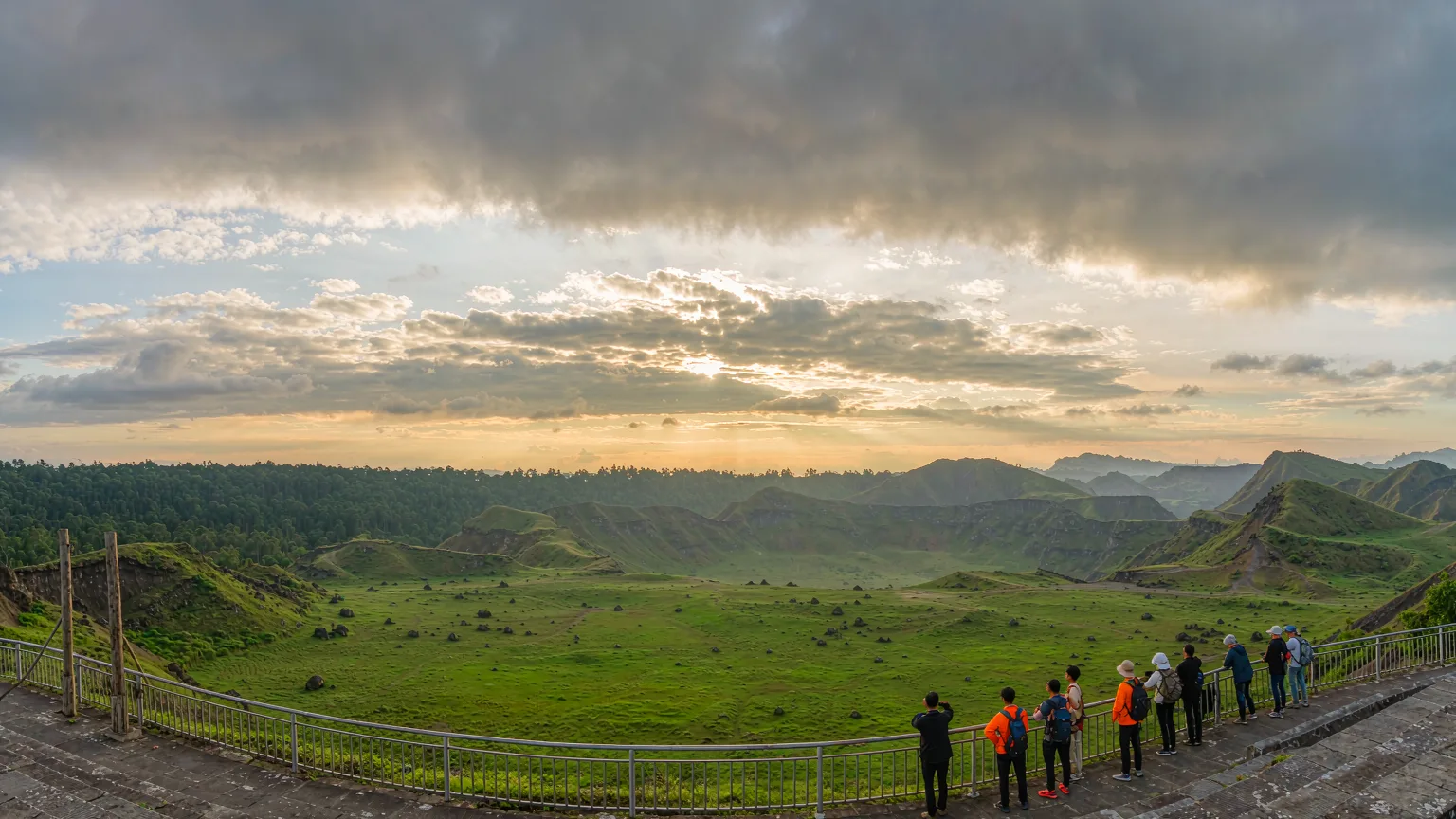
The Haikou Volcanic Cluster Geopark, part of the larger Leiqiong UNESCO Global Geopark, showcases a rare tropical volcanic landscape formed during the Quaternary period. Its star attraction is the Fenglu Crater, a nearly circular, 222-meter-deep bowl whose rim offers sweeping views over the surrounding volcanic cones and lush Hainan rainforest. The park's 108 square kilometers contain more than 40 volcanic cones, lava tubes, and ancient lava flows, making it a natural laboratory for understanding how the island of Hainan was built by fire over millions of years.
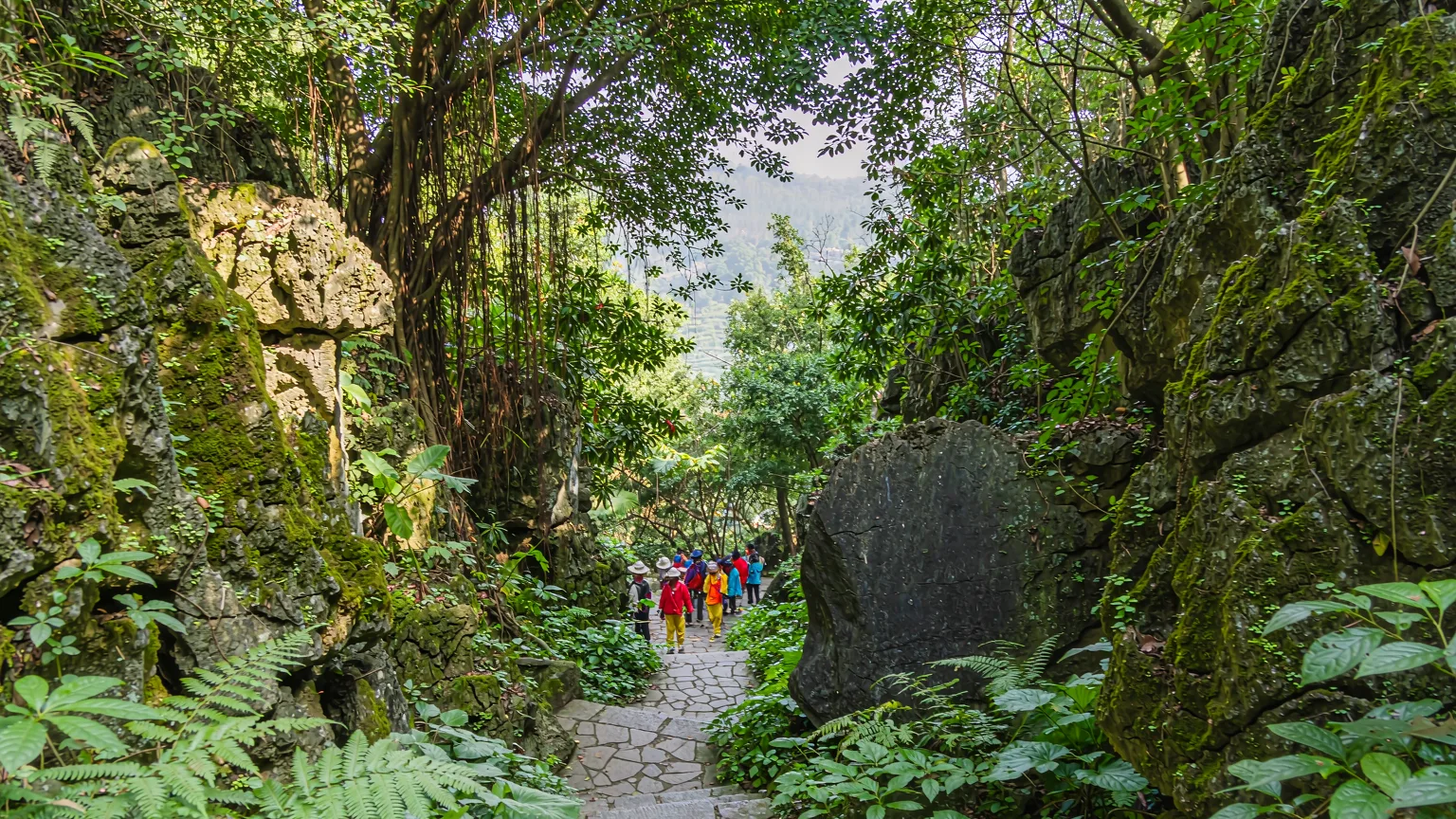
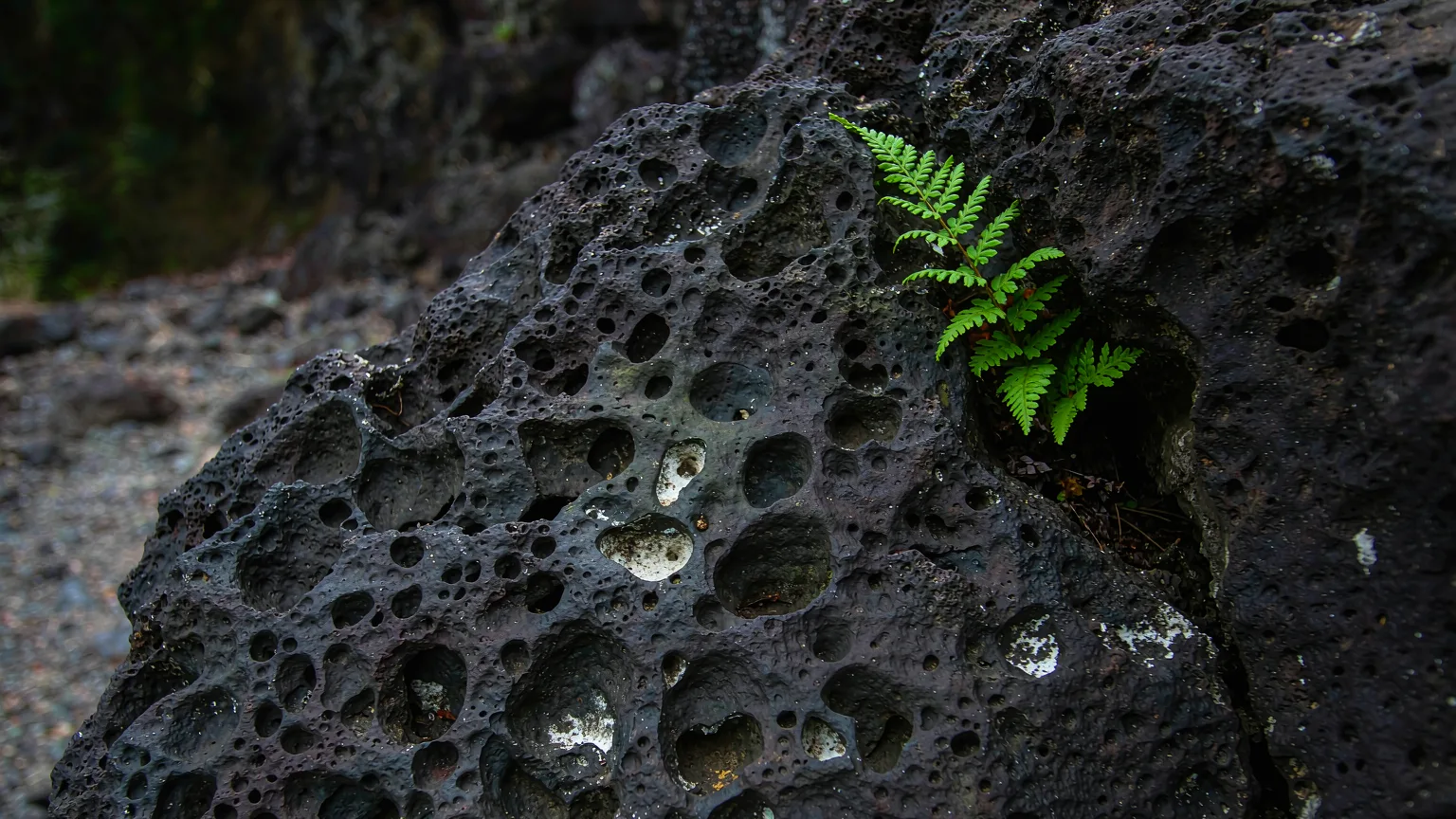
Beyond geology, the area is steeped in local culture. The nearby Rongtang village preserves traditional stone houses built from porous volcanic rock, and the park's museum explains how volcanic soil supports Hainan's famous coffee and tropical fruits. A network of well-maintained boardwalks and stairs leads through the crater and into a cool, fern-filled gorge, with interpretive signs in English and Chinese. Our guides often combine a visit here with the ancient lava tube at nearby Meishe village, adding a hands-on caving element that kids and adults alike enjoy.
The geopark is about 15 km southwest of Haikou city center. A taxi or ride-hailing car from downtown takes 30–40 minutes and costs roughly ¥50–70. Public buses (e.g., Line 1, 2, or 7 from Haikou East Railway Station) also reach the park entrance, but can be slow. We recommend a private car with our guide, which allows you to combine the crater with nearby lava tubes and the stone village in a half-day trip. If you're coming from Sanya, high-speed trains to Haikou take about 1.5–2 hours, then transfer by car.
Admission is ¥60 for adults, ¥30 for children between 1.2–1.4 m and seniors over 60; children under 1.2 m enter free. Opening hours are 8:00–18:00 (last entry 17:00), year-round. Book via the official WeChat account or Trip.com to skip the queue; foreign cards are accepted on Trip.com, while on-site ticket windows may only take WeChat Pay or Alipay linked to an international card.
The ticket includes access to the crater, museum, and boardwalks. Lava tube entry may require a separate small fee (around ¥20) and a guide; we can arrange this in advance. Avoid public holidays when local visitor numbers spike.
Visit between November and April, when Haikou's tropical heat and humidity are at their mildest and rainfall is lower. Mornings (8:00–10:00) are ideal: temperatures are cooler, tour buses haven't arrived, and the light is soft for photography inside the crater. Avoid weekends and Chinese public holidays if you prefer a quieter experience.
Yes, but be prepared for stairs. The main crater rim has a paved path, while the descent into the crater involves steep steps. Seniors with mobility issues can enjoy the museum and upper viewpoints.
Allow 2–3 hours for the crater, museum and boardwalks. If you add the lava tube and stone village, plan for 4–5 hours including transport from Haikou.
You can, as signage is in English, but a guide adds depth and helps with logistics. Public transport is limited, and taxis may be hard to find for the return trip.
Comfortable walking shoes, water, sun protection, insect repellent, and a rain jacket. A small backpack is useful for camera gear and layers, as the crater can be cooler than the city.
Tell us your dates, group size and preferences — a dedicated consultant will reach out within 24 hours.