
Guest — sign in to save your enquiries.
My account
Zhanqiao Pier is Qingdao's enduring symbol, a 440-metre stone finger pointing into the Yellow Sea since 1892. At its tip sits Huilan Pavilion, an octagonal two-tiered tower that has graced postcards for a century. Our private guide walks you through its layered German-colonial and Chinese history, then helps you time the visit for golden-hour light and fewer crowds.
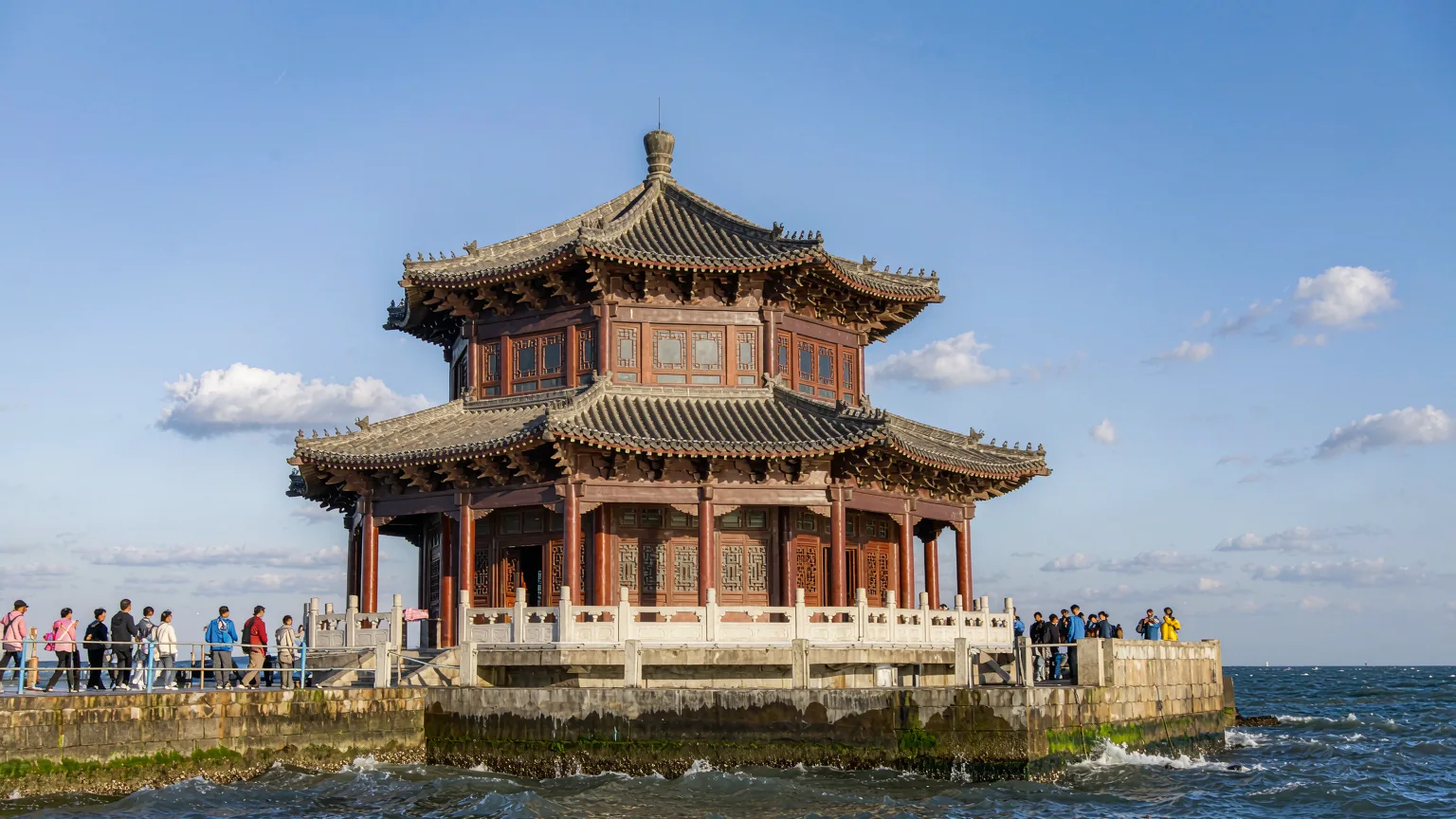
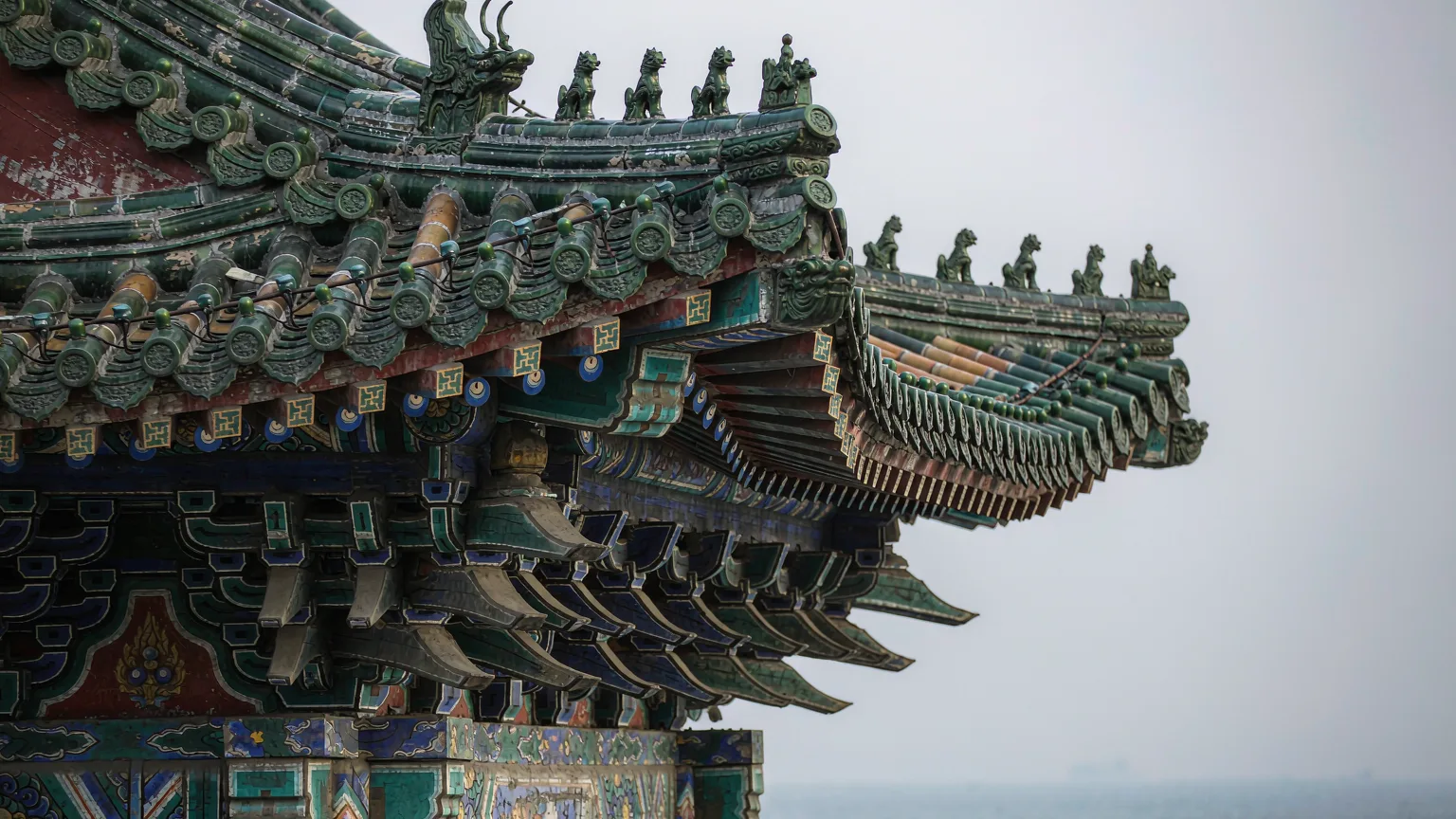
Built in 1892 as a naval supply dock for the Qing garrison, Zhanqiao Pier became the landing point for German forces in 1897 and later a passenger terminal for ships bound for Shanghai and Japan. The pier was rebuilt in concrete in 1931, when Huilan Pavilion (回澜阁) was added at the end, giving Qingdao the silhouette that now appears on beer labels and city logos. Walking its length, you trace the city's shift from a fishing village to a treaty port and modern seaside resort.
The pier stretches 440 metres from the Zhongshan Road waterfront, with railings, benches and lampposts along the way. Huilan Pavilion houses a small exhibition on the pier's history and offers a 360-degree view back to the red-roofed old town and the modern skyline of Shinan District. Nearby, you can pair the visit with the Badaguan Scenic Area or the Old Town's German architecture for a full day of coastal sightseeing.
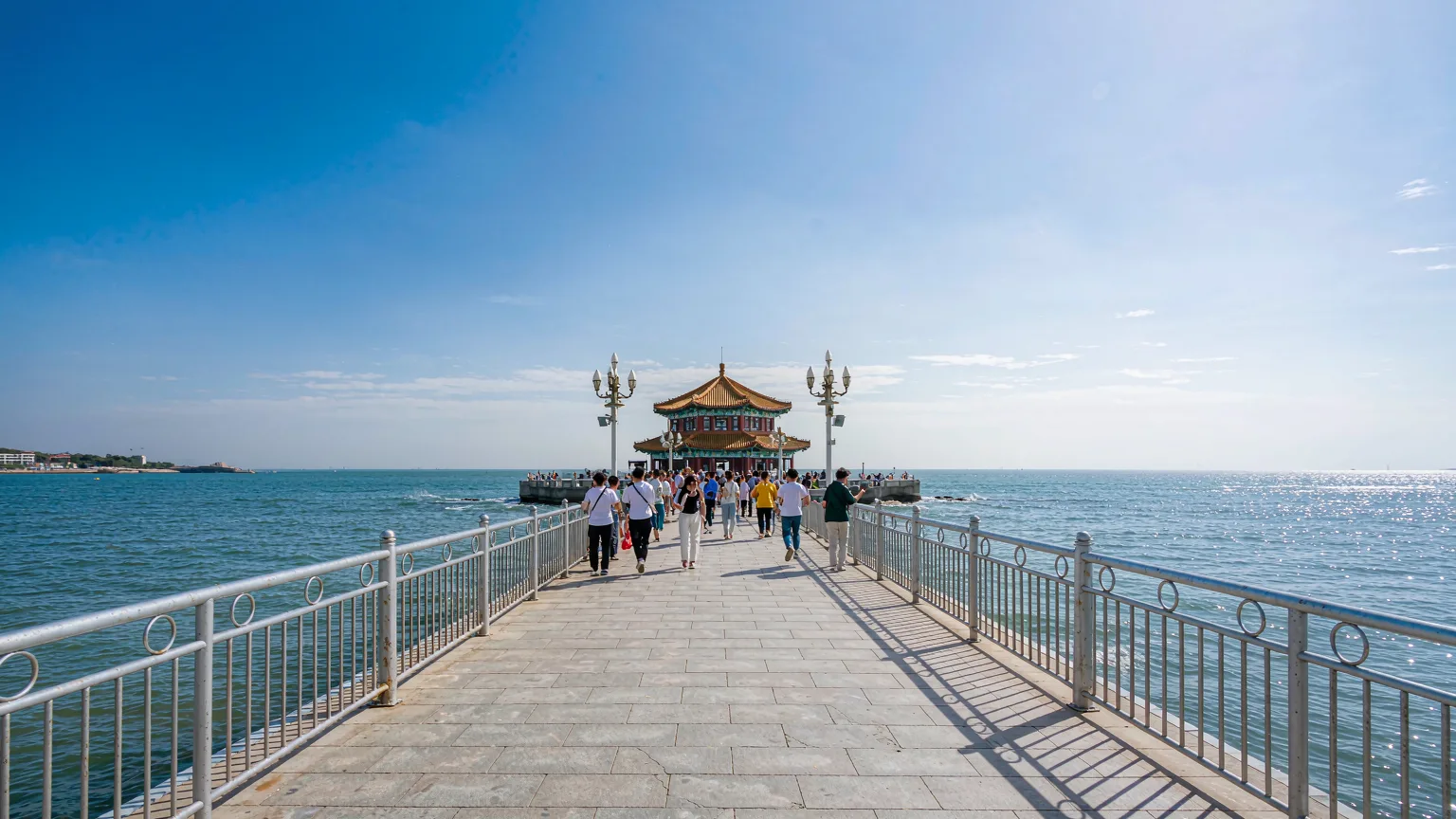
Zhanqiao Pier is at the southern tip of Zhongshan Road in Shinan District. Take Metro Line 3 to Qingdao Station (Exit G) or Line 1 to Zhongshan Road Station, then walk 5–10 minutes toward the sea. Taxis and ride-hailing are easy from most hotels. It slots perfectly into a morning or late-afternoon stroll before exploring the Old Town's German architecture and seafood streets.
Entry to the pier is free; Huilan Pavilion may charge ¥10–20 for the small exhibition, though it is often free. The pier is open 24 hours, but Huilan Pavilion typically opens 8:30–17:00. No booking is needed. Bring cash or use WeChat Pay/Alipay, as foreign cards are not accepted at small vendors; major hotels and restaurants accept international cards.
Visit at sunrise (around 5:00–6:30 in summer) for calm light and few people, or at sunset when the city skyline glows behind you. Winter mornings (November–March) are best for seagull feeding. Avoid Chinese public holidays and summer weekends, when the pier becomes extremely crowded.
Yes, walking the pier is free. Huilan Pavilion sometimes charges a small fee (¥10–20) for its exhibition, but it is often free. No advance booking is required.
Take Metro Line 3 to Qingdao Station (Exit G) or Line 1 to Zhongshan Road Station. From either, it's a 5–10 minute walk toward the sea.
Seagulls gather from November to March, especially in the morning. Locals sell bird food on the pier, making it a fun, photogenic experience.
Small vendors and ticket booths generally do not accept foreign cards. Use WeChat Pay or Alipay linked to your international card, or carry small cash in CNY.
Tell us your dates, group size and preferences — a dedicated consultant will reach out within 24 hours.