
Guest — sign in to save your enquiries.
My account
Yu Garden is a classical Ming dynasty garden in the heart of Shanghai's Old City, a compact masterpiece of pavilions, rockeries, and koi ponds. Just steps from the bustling City God Temple bazaar, it offers a serene escape into 400 years of history. With our private guide, you'll skip the lines and uncover the stories behind every carved beam and crooked bridge.
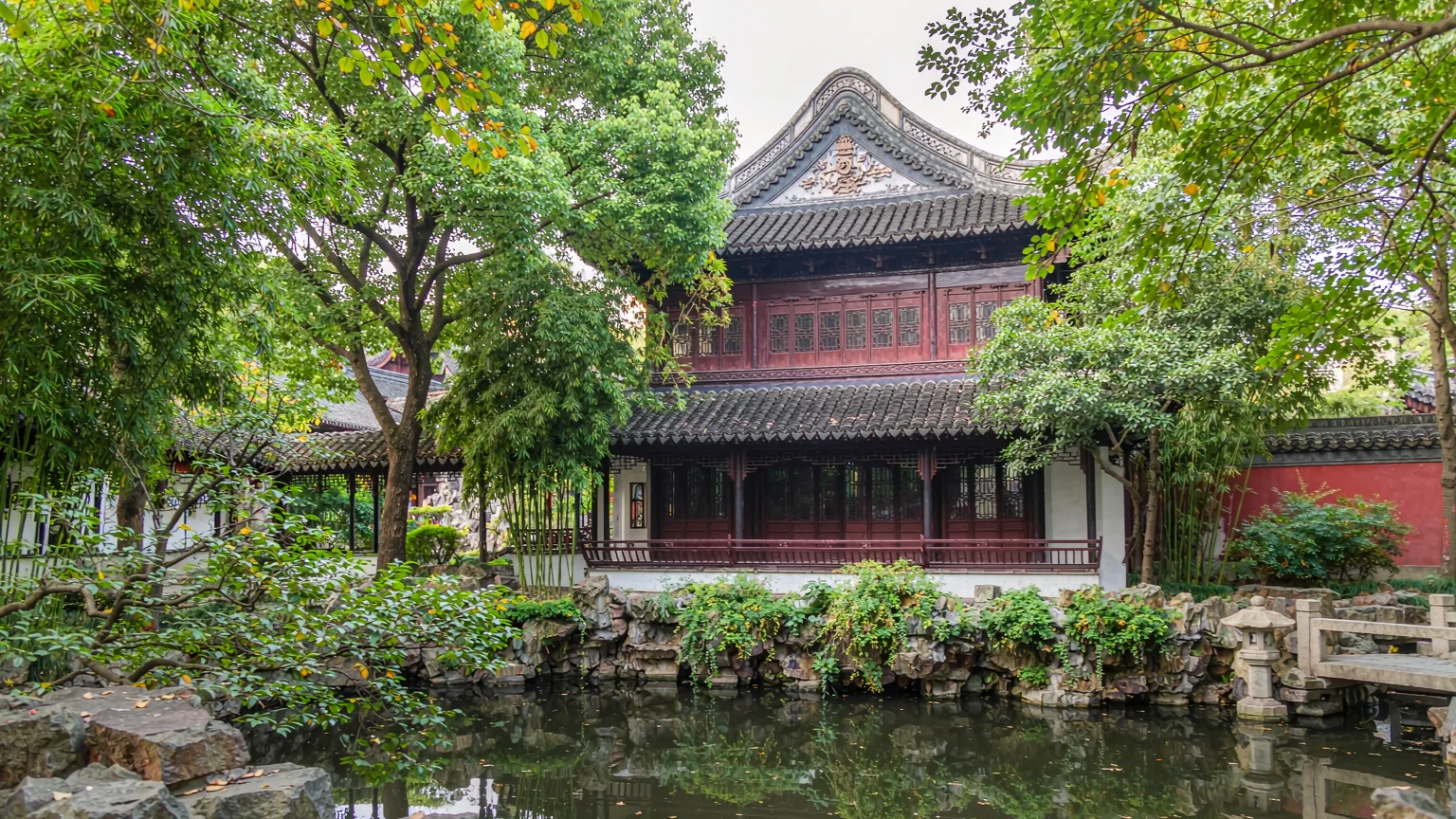
Yu Garden was first laid out in 1559 by Pan Yunduan, a Ming dynasty official, as a private retreat for his aging father. It took nearly two decades to complete and was named 'Yu' meaning 'peace and comfort'. Over the centuries, the garden suffered damage during the Opium Wars and the Taiping Rebellion, but was restored in the 1950s and opened to the public. Today it stands as one of the finest examples of Jiangnan-style garden design, a UNESCO-listed? Actually not UNESCO, but a national treasure. The garden's layout is a labyrinth of courtyards, each with a distinct theme, connected by zigzag bridges and dragon walls.
The garden is divided into six scenic areas, including the Grand Rockery, the Exquisite Jade Rock, and the Hall of Heralding Spring. The Exquisite Jade Rock is a porous limestone boulder said to have been destined for the imperial garden in Beijing but was diverted to Shanghai. The surrounding City God Temple bazaar is a lively market with snack stalls and souvenir shops, offering a contrast between tranquil garden and commercial hustle. Our guides can help you navigate both, ensuring you appreciate the garden's artistic nuances and the local culture.
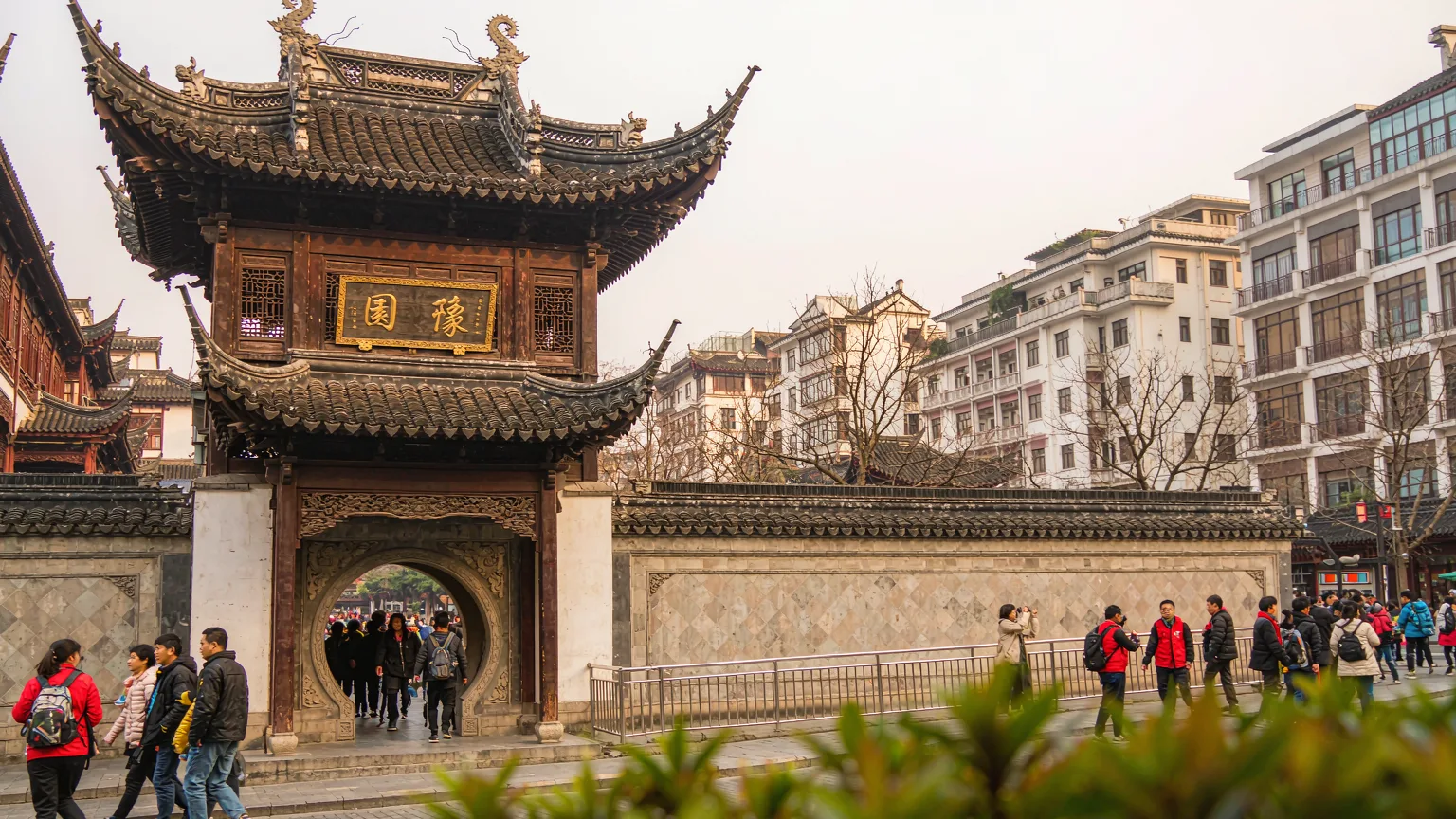
Yu Garden is easily reached by Metro Line 10 to Yuyuan Garden Station, Exit 1, then a 5-minute walk. Alternatively, take a taxi or Didi, but traffic can be heavy. From the Bund, it's a 15-minute walk. We recommend combining it with a visit to the City God Temple and the Old Street shopping area for a full day of exploration. Our guide can arrange seamless transfers from your hotel.
Admission: ¥40 (April–June, September–November), ¥30 (July–August, December–March). Opening hours: 8:30–17:00 (last entry 16:40). Book online via WeChat mini-programs or Trip.com to avoid queues; foreign credit cards are accepted on some platforms, but WeChat Pay/Alipay with a linked foreign card is more reliable.
Visit during spring (April–May) or autumn (September–November) for mild weather and blooming flowers or golden foliage. Early morning right at opening (8:30) is ideal to avoid crowds and capture serene photos. Avoid weekends and Chinese public holidays, when the garden and surrounding bazaar become extremely crowded.
Yes, especially during peak seasons. Book online via Trip.com or WeChat to secure entry and avoid long queues. Tickets are timed, so arrive within your slot.
The garden has narrow paths, steps, and uneven surfaces, making wheelchair access difficult. The surrounding bazaar is more accessible, but assistance is recommended.
WeChat Pay and Alipay are widely accepted; link your foreign credit card to these apps. Some vendors accept cash, but digital payment is preferred.
Plan for 1.5 to 2 hours inside the garden, plus another hour or two to explore the City God Temple bazaar and nearby Old Street.
Tell us your dates, group size and preferences — a dedicated consultant will reach out within 24 hours.