
Guest — sign in to save your enquiries.
My account
Yongqingfang is a beautifully restored pocket of old Xiguan in Guangzhou, where historic arcade houses and Cantonese opera heritage meet contemporary cafés and craft shops. It's the city's most successful 'micro-renewal' project, proving that preservation and modern life can coexist. With our private guide, you'll navigate the lanes effortlessly, hear the stories behind the shophouses, and experience the living culture of Cantonese opera up close.
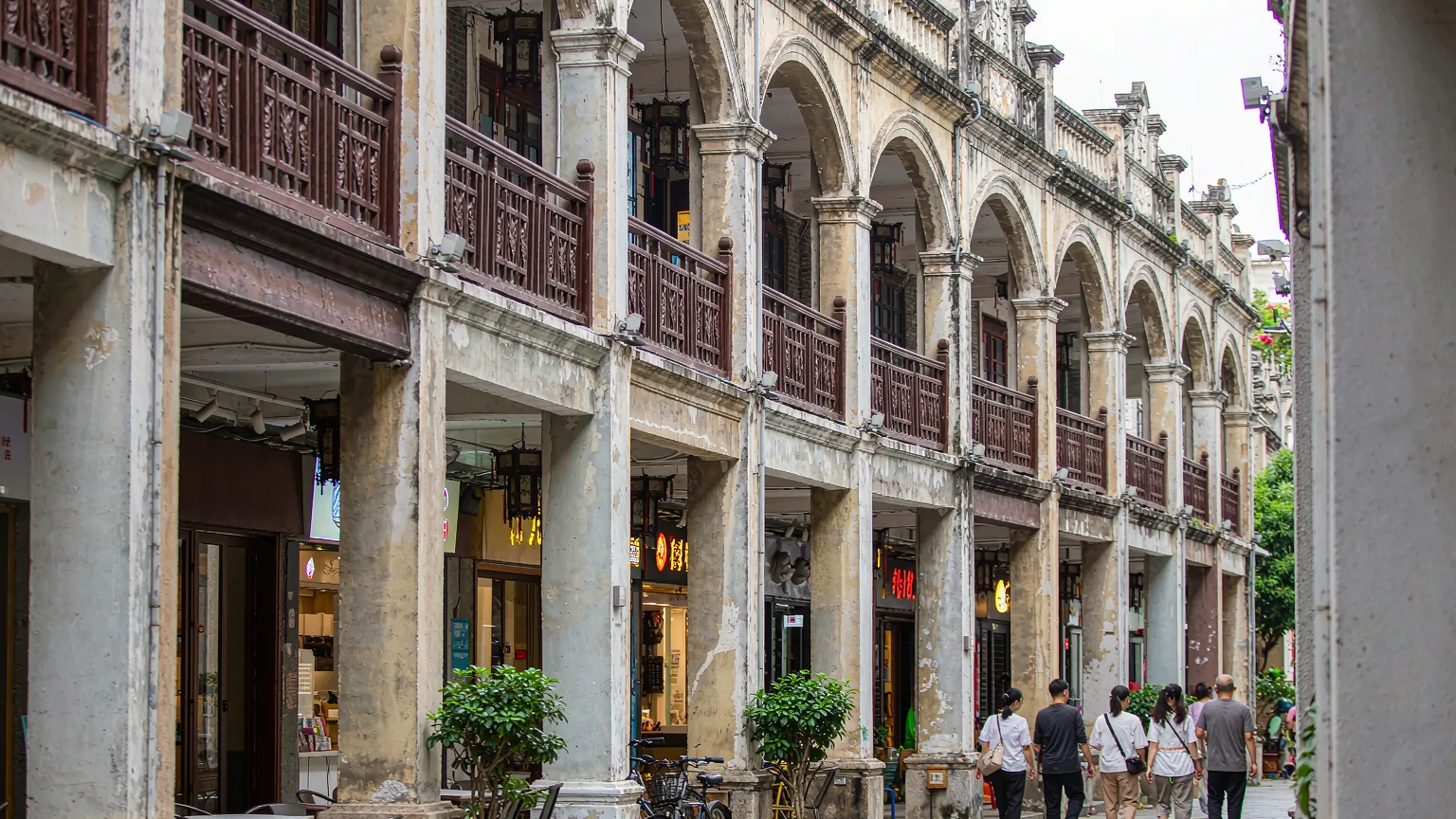
Yongqingfang occupies a cluster of lanes in Liwan District, the heart of old Xiguan, once the commercial and cultural hub of Guangzhou. Its history dates back to the Qing Dynasty, but by the early 2000s many of its traditional arcade buildings, known as qilou, had fallen into disrepair. In 2016, a government-led micro-renewal project began, carefully restoring the facades and alleyways while inviting creative businesses to move in. The result is a vibrant mix of heritage and innovation, with the iconic Bruce Lee Ancestral House and the Cantonese Opera Art Museum as its cultural anchors.
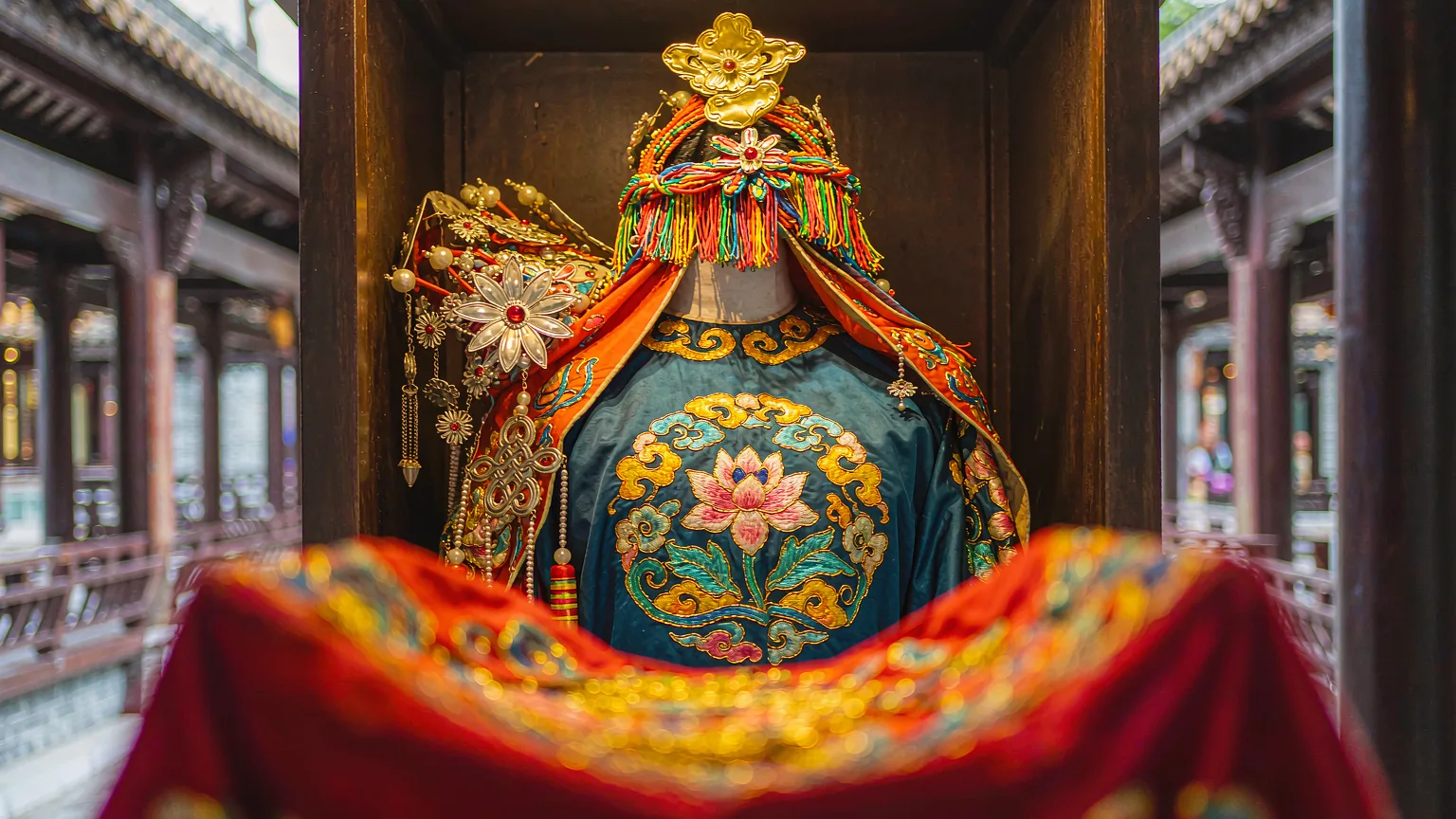
The area is a living museum of Cantonese culture. The qilou arcades, with their covered walkways, were designed for both commerce and shelter from the subtropical sun and rain. Today, you can wander through narrow alleys lined with restored shophouses, peek into artisan workshops, and sample traditional snacks like double-skin milk and rice noodle rolls. The Cantonese Opera Art Museum, housed in a former guild hall, offers a deep dive into the region's opera traditions, with costumes, instruments, and occasional performances. Yongqingfang is not just a tourist site; it's a neighborhood where locals still live and work, giving it an authentic, lived-in feel.
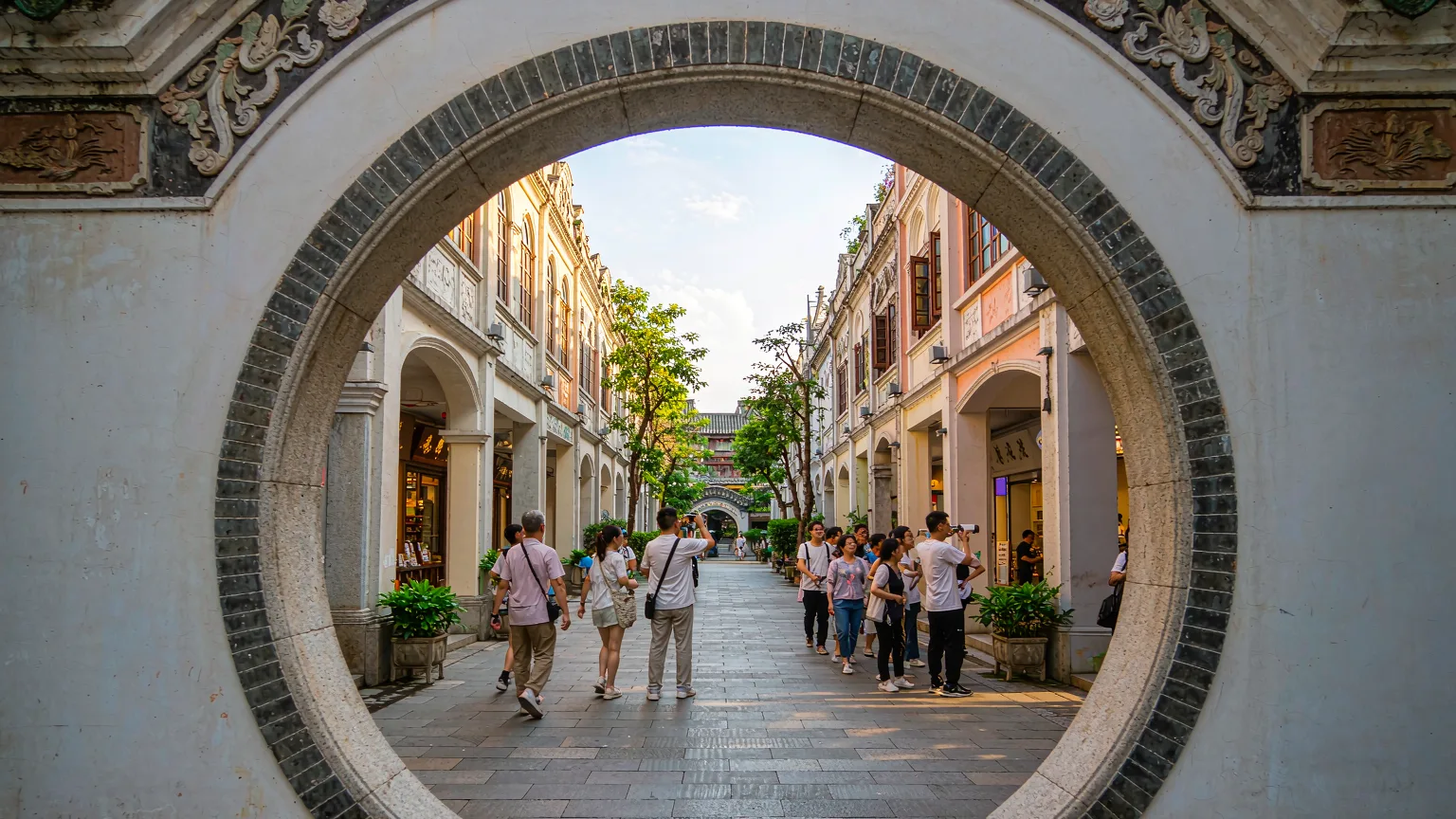
Yongqingfang is located in Liwan District, easily reached by metro. Take Line 1 to Changshou Road Station (Exit E) or Line 6 to Cultural Park Station (Exit B), then walk about 10 minutes. Taxis and ride-hailing apps are also convenient. It's best visited as part of a half-day exploration of old Xiguan, combined with nearby Shangxiajiu Pedestrian Street and Lychee Bay. Our guide can arrange seamless transfers and tailor the route to your interests.
Entry to Yongqingfang is free. The Cantonese Opera Art Museum charges ¥10 for adults, with discounts for students and seniors; Bruce Lee Ancestral House is free but requires advance reservation via WeChat. Opening hours are generally 9:00-17:00 for museums, while the streets are accessible 24/7. Foreign credit cards are not widely accepted, so bring cash or set up WeChat Pay/Alipay with a foreign card for small purchases.
The best time to visit is on a weekday morning, when the lanes are quiet and the light is soft for photography. Avoid weekends and Chinese public holidays, when crowds can be dense. Spring (March-April) and autumn (October-November) offer pleasant weather for walking. If you're interested in Cantonese opera, check the museum's schedule for occasional performances, often held on weekend afternoons.
Yes, it's family-friendly with open spaces and interesting shops. However, some alleys are narrow and crowded, so keep an eye on little ones. The Cantonese Opera Museum has interactive displays that kids enjoy.
Some signs have English translations, but many are Chinese-only. Our private guides provide full interpretation and context, making the experience much richer.
Absolutely. It pairs well with Shangxiajiu Pedestrian Street, Lychee Bay, and Chen Clan Ancestral Hall. A half-day is enough for Yongqingfang itself, but a full day lets you explore more of Xiguan.
Most shops and cafés accept WeChat Pay and Alipay, but foreign credit cards are rarely taken. Set up mobile payment with a foreign card before your trip, or carry small cash in CNY.
Tell us your dates, group size and preferences — a dedicated consultant will reach out within 24 hours.