
Guest — sign in to save your enquiries.
My account
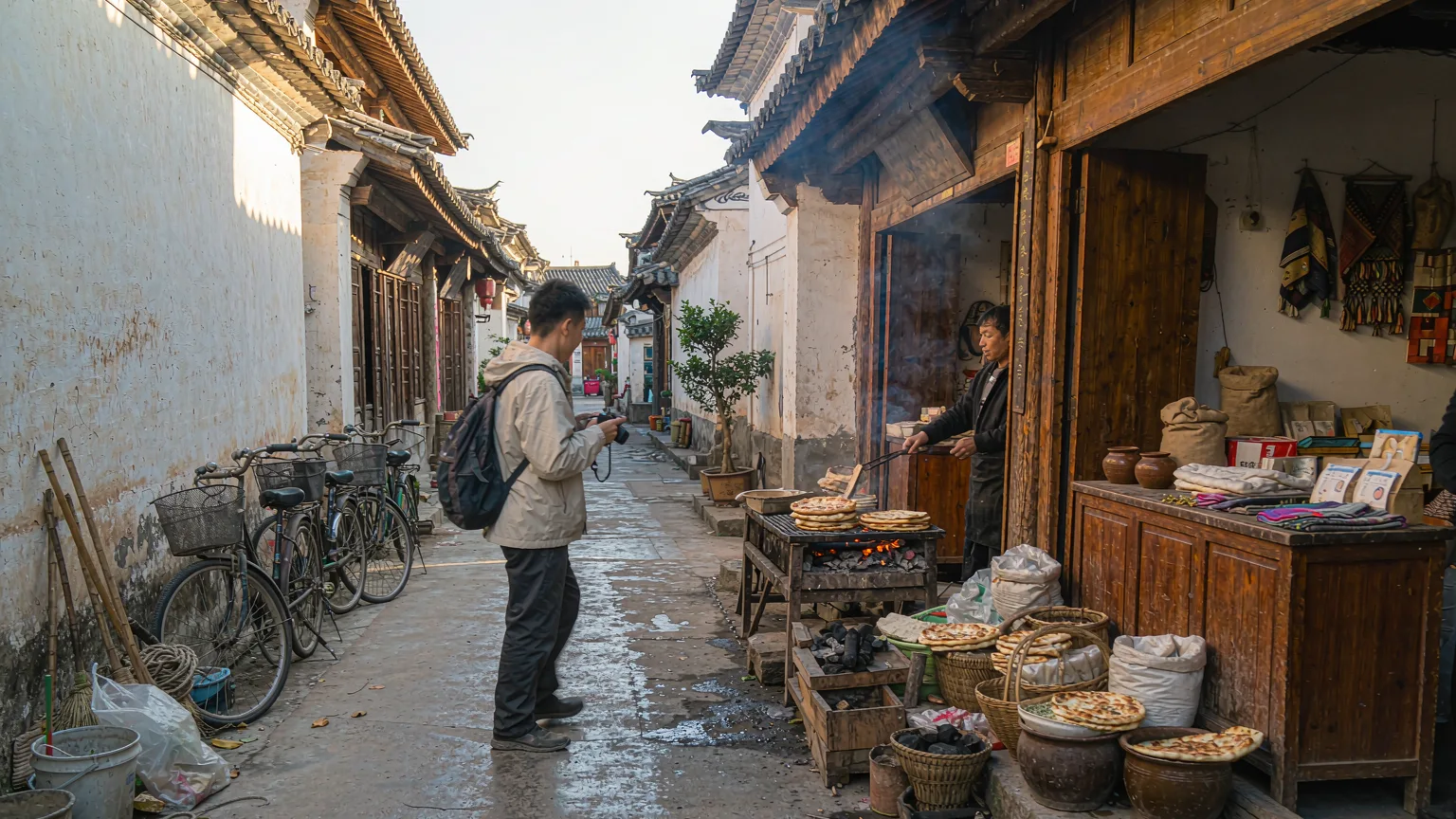
Xizhou Ancient Town is the best-preserved Bai village on the shores of Erhai Lake, a tight grid of whitewashed courtyards, painted eaves and market lanes just north of Dali. It is living history rather than a museum: families still thresh grain in the squares and bake Xizhou baba over charcoal. With our private guide, you skip the guesswork and read the architecture, taste the food and meet the makers at an easy pace.
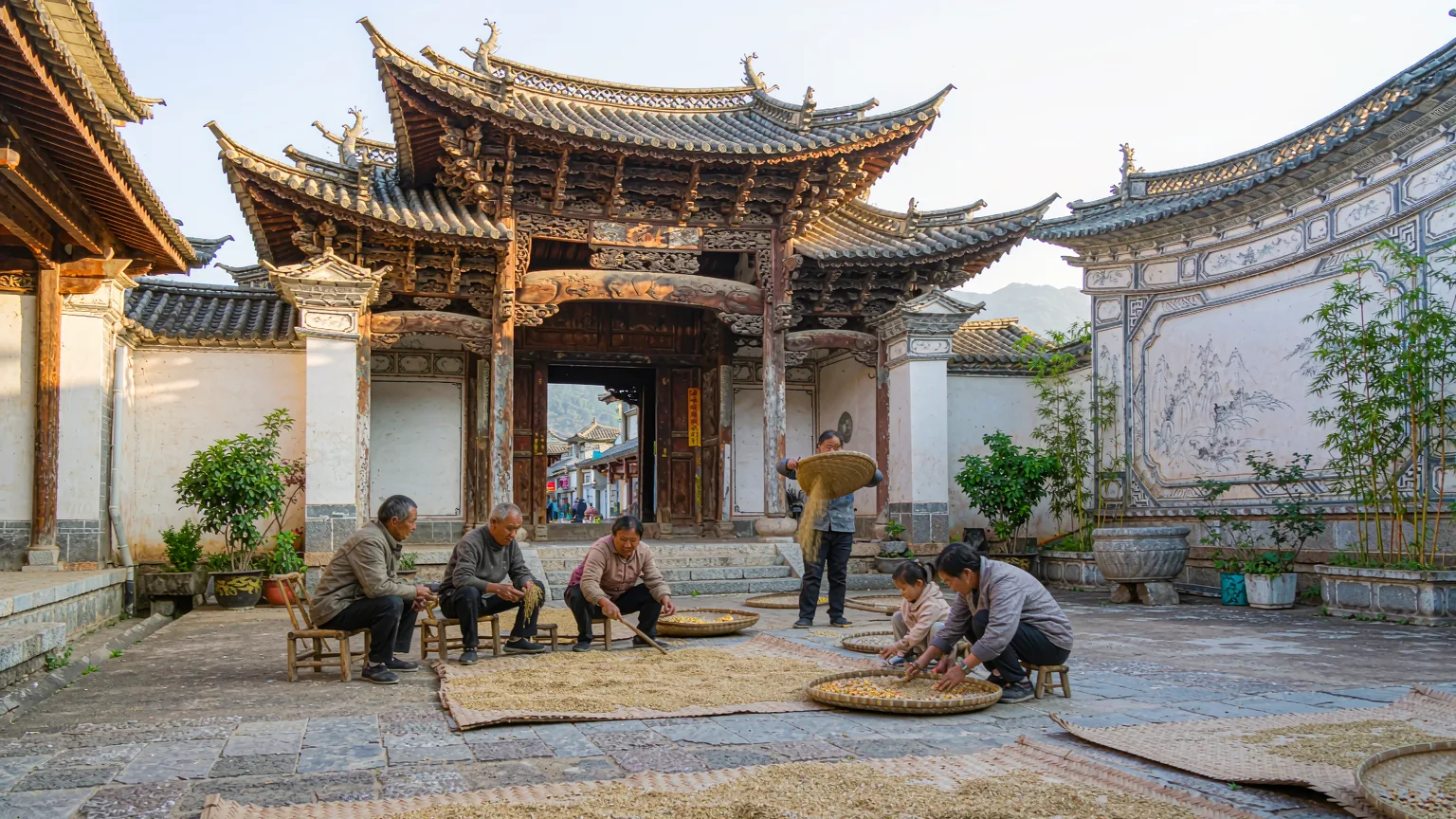
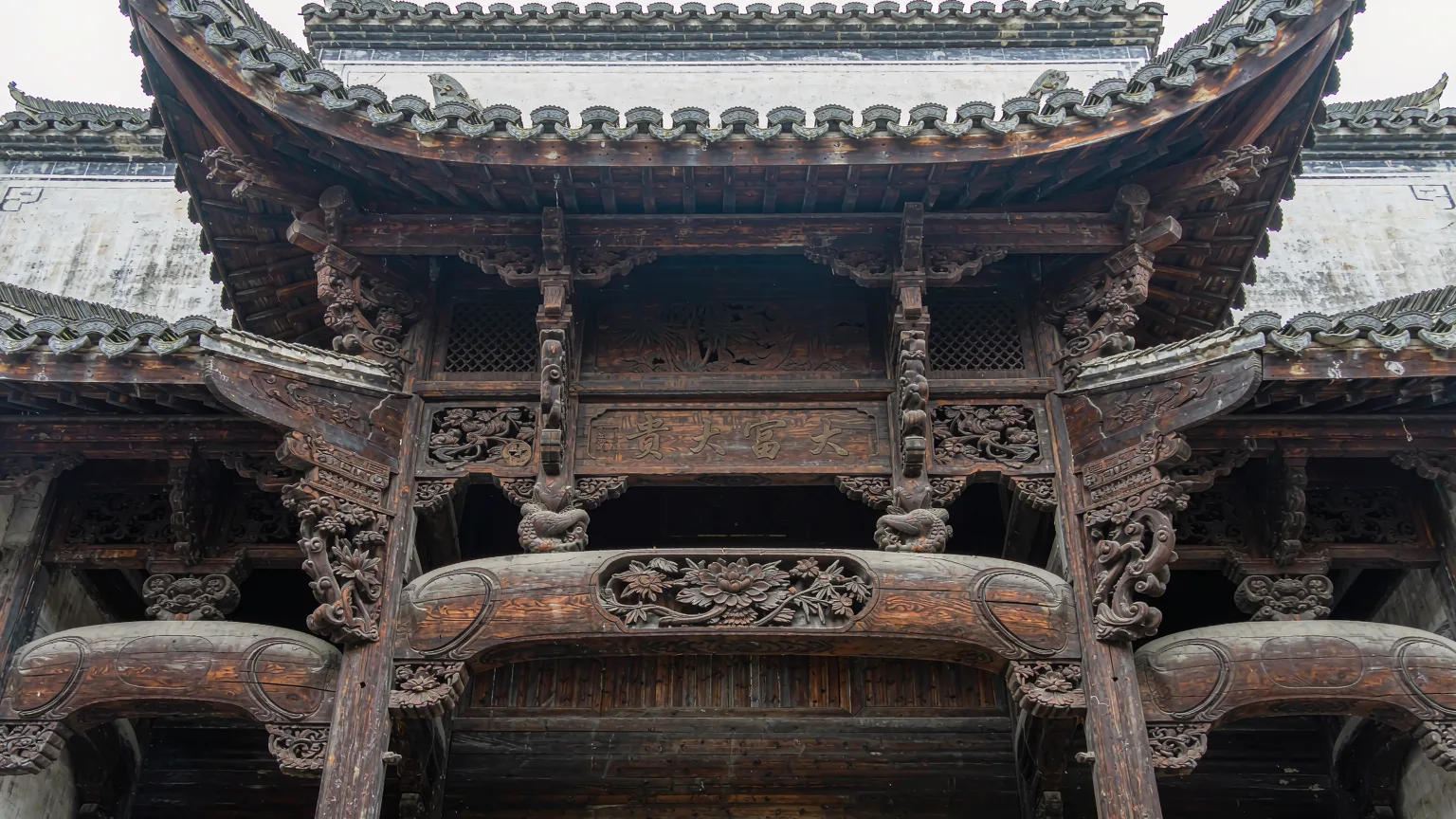
Xizhou grew rich in the Ming and Qing dynasties as a trading town on the Tea Horse Road, and its merchants poured that wealth into their family compounds. The result is a dense cluster of Bai-style courtyard houses — 'sanfang yizhaobi' (three wings and a screen wall) — with white lime walls, grey tile roofs, upturned eaves and gate towers carved with flowers, bats and calligraphy. The town is also the historic home of the Bai elite: the Yan family compound, now a museum, and the grand Hou family courtyard show how a prosperous Bai household lived, worshipped and entertained.
Unlike Dali Ancient Town, Xizhou has kept its agricultural rhythm. Mornings belong to the market, where Bai women in embroidered aprons sell pickled plums, freshwater shrimp and herbs; afternoons are for wandering the lanes and watching tie-dye and batik being made. The town sits in a flat, fertile plain between the Cangshan Mountains and Erhai Lake, so the light is soft and the backdrop is dramatic. It is compact enough to see in half a day, but slow enough to reward a full one.
Xizhou is about 20 km north of Dali Ancient Town and 35 km from Dali Railway Station. The easiest option is a private car or taxi (¥80–120, 40–50 minutes); our guide can arrange a driver who waits. Public buses from Dali's Xiaguan or the ancient town take longer and stop on the main road, a 10-minute walk from the old town. Many travellers combine Xizhou with a clockwise Erhai Lake loop, stopping at Zhoucheng for tie-dye and continuing to Shuanglang.
Entry to Xizhou Ancient Town is free; individual sights charge separately — Yan Family Compound ¥30, Hou Family Courtyard ¥20, and some tie-dye workshops ¥20–50 for a demo or hands-on session. Opening hours are generally 8:00–18:00, with the market best before 10:00. No advance booking is needed for the town, but we recommend reserving guided visits and workshop sessions. Vendors accept WeChat Pay and Alipay, which can be linked to foreign cards; carry a little cash for small market stalls.
Visit from March to May or September to November for clear skies and comfortable temperatures. Arrive by 8:30am to see the market at its liveliest and the lanes before tour groups; late afternoon (4–6pm) gives the best light on the white walls and rice fields. Avoid the Lunar New Year and the first week of October, when domestic crowds peak.
Yes — Xizhou is smaller, quieter and more authentically Bai. It offers better-preserved courtyard architecture, a real working market and fewer souvenir stalls, making it a rewarding half-day contrast.
Allow three to four hours to see the main courtyards, wander the lanes and eat lunch. Add an hour if you join a tie-dye workshop or cycle into the surrounding rice fields.
You can, but signage is limited in English and the stories behind the architecture are easy to miss. A guide unlocks the history, helps with language and finds the best food and workshops.
Don't miss Xizhou baba (griddle-baked flatbread), pea-flour jelly, Erhai lake fish and Bai-style cured pork. The morning market and small family restaurants around the main square are the best places to try them.
Tell us your dates, group size and preferences — a dedicated consultant will reach out within 24 hours.