
Guest — sign in to save your enquiries.
My account
The Xinjiang Museum in Urumqi is the essential first stop for understanding the Silk Road's crossroads. Its famous collection of ancient mummies, including the 3,800-year-old Xiaohe Beauty, and thousands of artifacts from Loulan, Niya, and other lost desert cities bring the region's deep history to life. With our private guide, you skip the confusion of unlabeled exhibits and gain the stories behind each discovery.
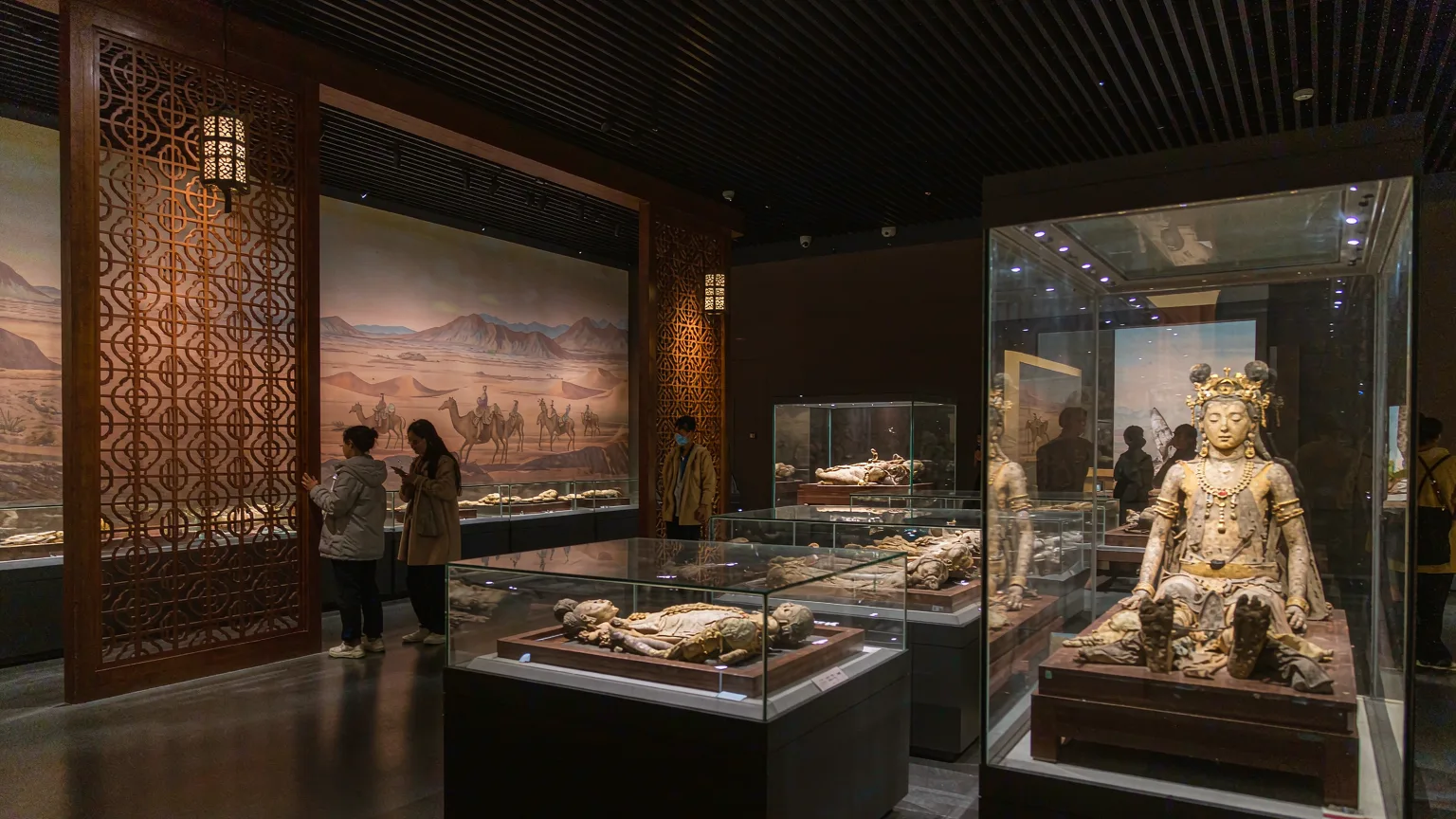
Founded in 1959, the Xinjiang Museum houses over 40,000 artifacts that trace the region's role as a nexus of cultures along the Silk Road. The star attraction is the ancient mummy gallery, where naturally preserved bodies from the Bronze Age to the Tang dynasty reveal the mixed ancestry of early inhabitants. The Xiaohe Beauty, a remarkably intact woman from 1800 BCE, and the Loulan Beauty, a 3,800-year-old mummy, are among the most significant archaeological finds in Asia. These remains, along with their grave goods, offer a rare window into prehistoric Central Asian life.
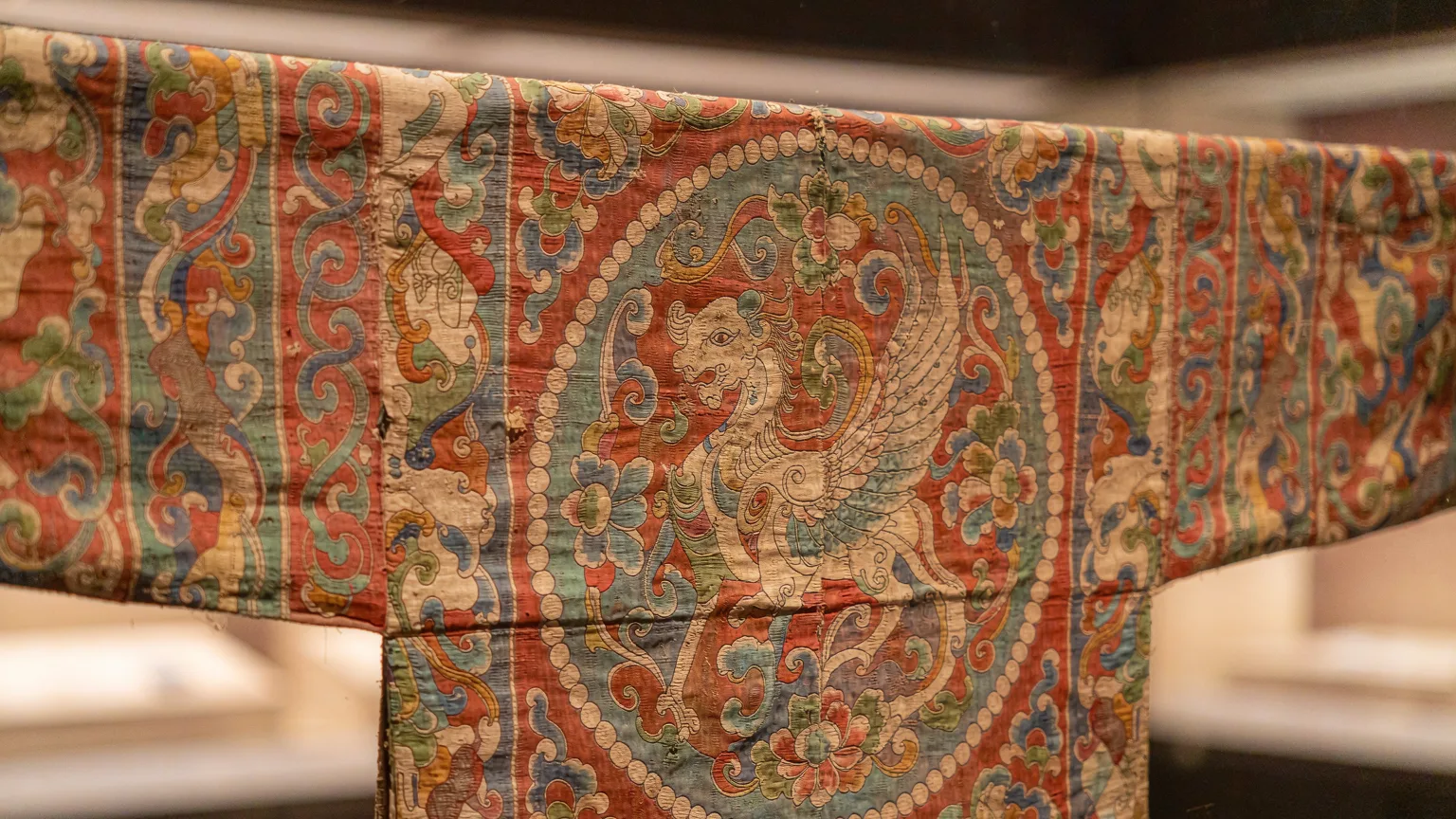
Beyond mummies, the museum's collection spans painted wooden coffins, silk textiles, Buddhist manuscripts, and bronze mirrors unearthed from desert oases like Niya and Miran. The exhibits are organized chronologically, from the Stone Age through the Silk Road's heyday to the Islamic period. While some labels are in English, the context is often missing; our guides fill in the gaps, explaining how these objects connect to the broader sweep of Eurasian history. The museum also hosts temporary exhibitions, so there's always something new to see.
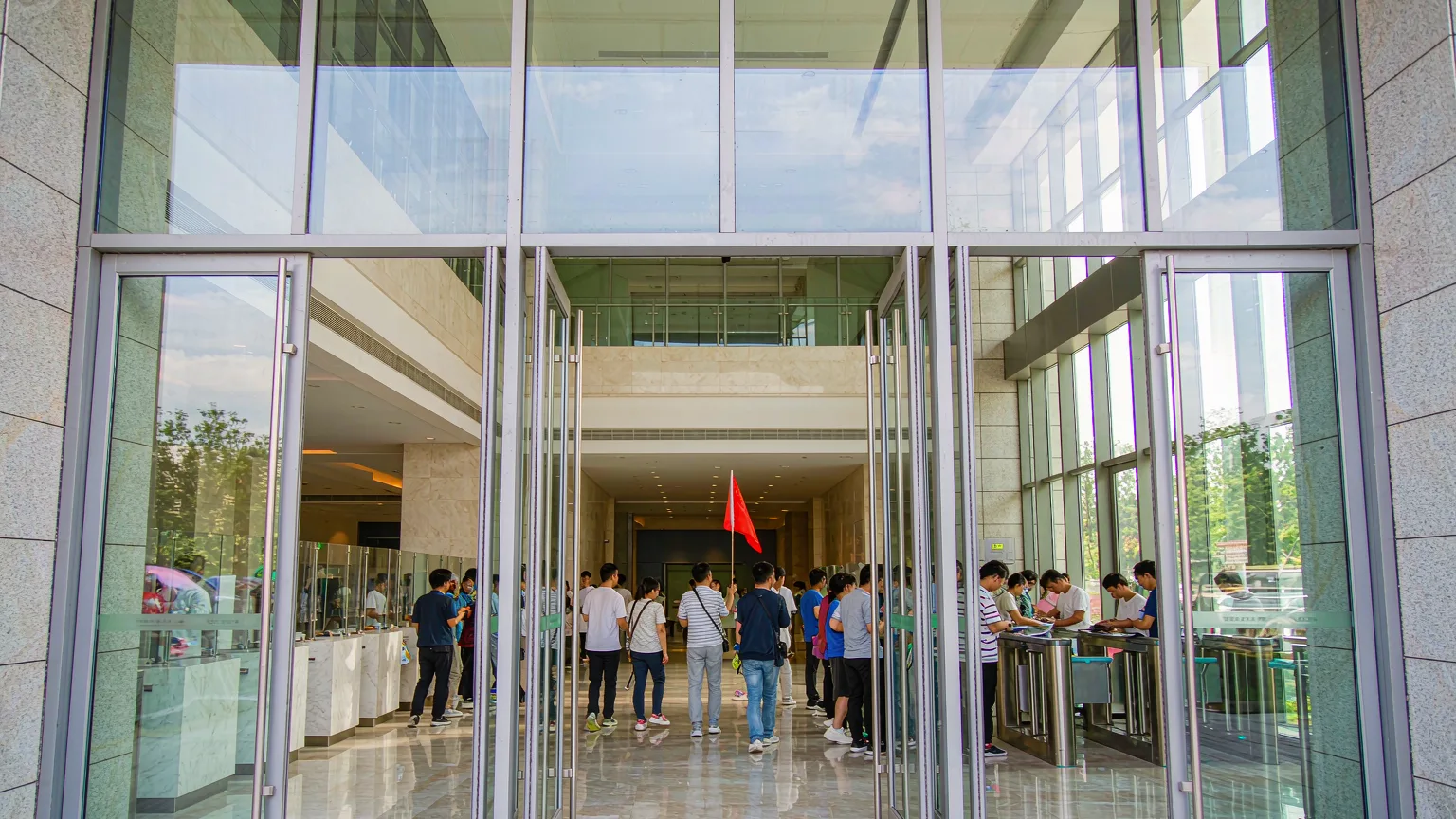
The museum is located at 581 Northwest Road in the Saybagh District, about 3 km north of the city center. The most convenient way is by taxi or ride-hailing app (around ¥15-20 from downtown). Alternatively, take Metro Line 1 to 'Xinjiang Library' station and walk 10 minutes. We often combine a morning here with an afternoon visit to the Grand Bazaar, arranging private transfers so you maximize your day.
Admission is free, but you must reserve a time slot online in advance, especially during peak seasons. Bring your passport for entry. The museum is open Tuesday to Sunday, 10:00-18:00 (last entry 17:00), closed Mondays. Foreign credit cards are not accepted, but WeChat Pay and Alipay linked to international cards work for any special exhibitions or audio guides.
Visit on a weekday morning right at opening to avoid crowds and have the mummy gallery mostly to yourself. Spring (April-May) and autumn (September-October) offer pleasant weather for combining the museum with other Urumqi sights. Avoid Chinese public holidays, when queues can be long and the atmosphere hectic.
Yes, free timed-entry tickets must be reserved online via the museum's WeChat account. Book at least a day ahead, and bring your passport to enter.
Yes, the mummies are authentic and naturally preserved. The Xiaohe Beauty and Loulan Beauty are among the most famous, dating back thousands of years.
Some exhibits have English labels, but coverage is inconsistent. We recommend hiring a guide or using the English audio guide for full context.
Plan for 2-3 hours to see the highlights. If you're deeply interested in archaeology, allow half a day to explore thoroughly.
Tell us your dates, group size and preferences — a dedicated consultant will reach out within 24 hours.