
Guest — sign in to save your enquiries.
My account
Xidi is a UNESCO-listed Ming and Qing dynasty village in the yellow hills of Anhui, where whitewashed walls, black-tiled roofs and carved stone gates rise above reflecting ponds. It is the quieter, more intimate counterpart to nearby Hongcun, and our private guide turns its lanes into a living story of Huizhou merchants and their families.
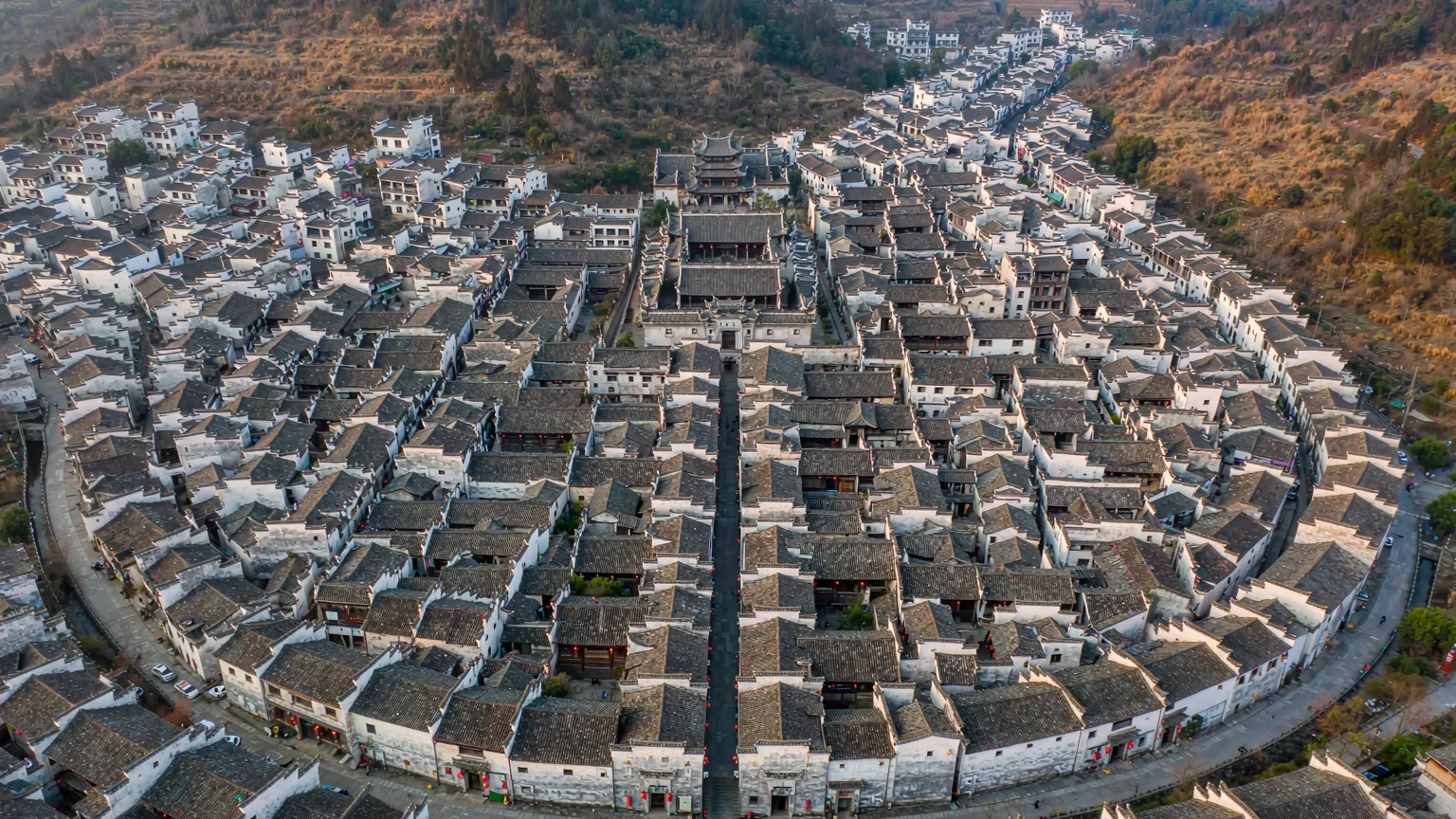
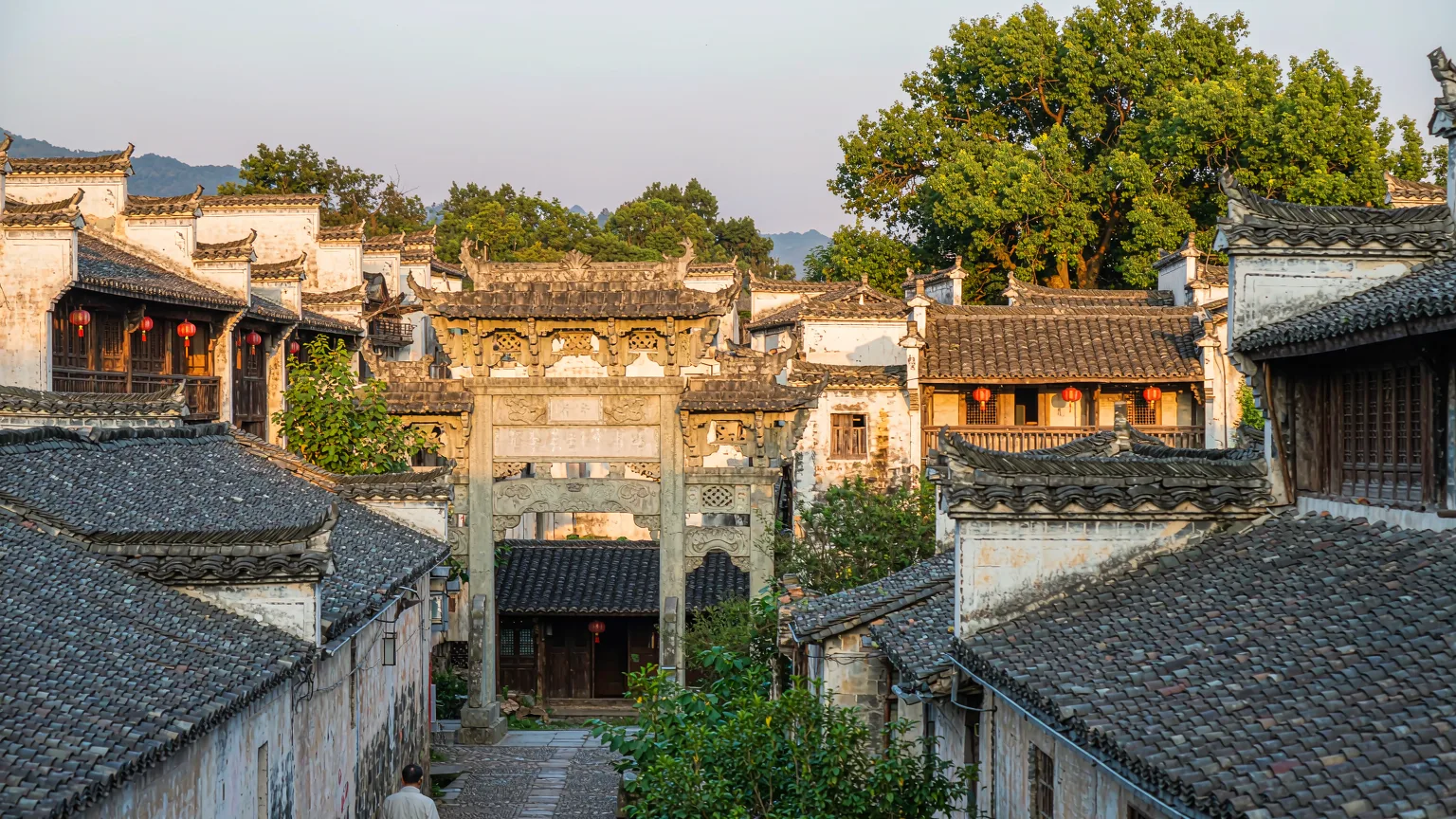
Founded in the Northern Song dynasty and flourishing from the 15th to 19th centuries, Xidi was built by the Hu family, whose merchant sons returned from trading networks across China with fortunes to spend on ancestral halls, archways and private gardens. The village's layout follows a boat shape, with the main street as the hull and side lanes as oars, a geomantic design meant to ensure prosperity. Its 124 surviving Ming and Qing buildings, including the striking Hu Wenguang Memorial Archway and the Jing'ai Hall, earned it a place on the UNESCO World Heritage list in 2000 alongside Hongcun.
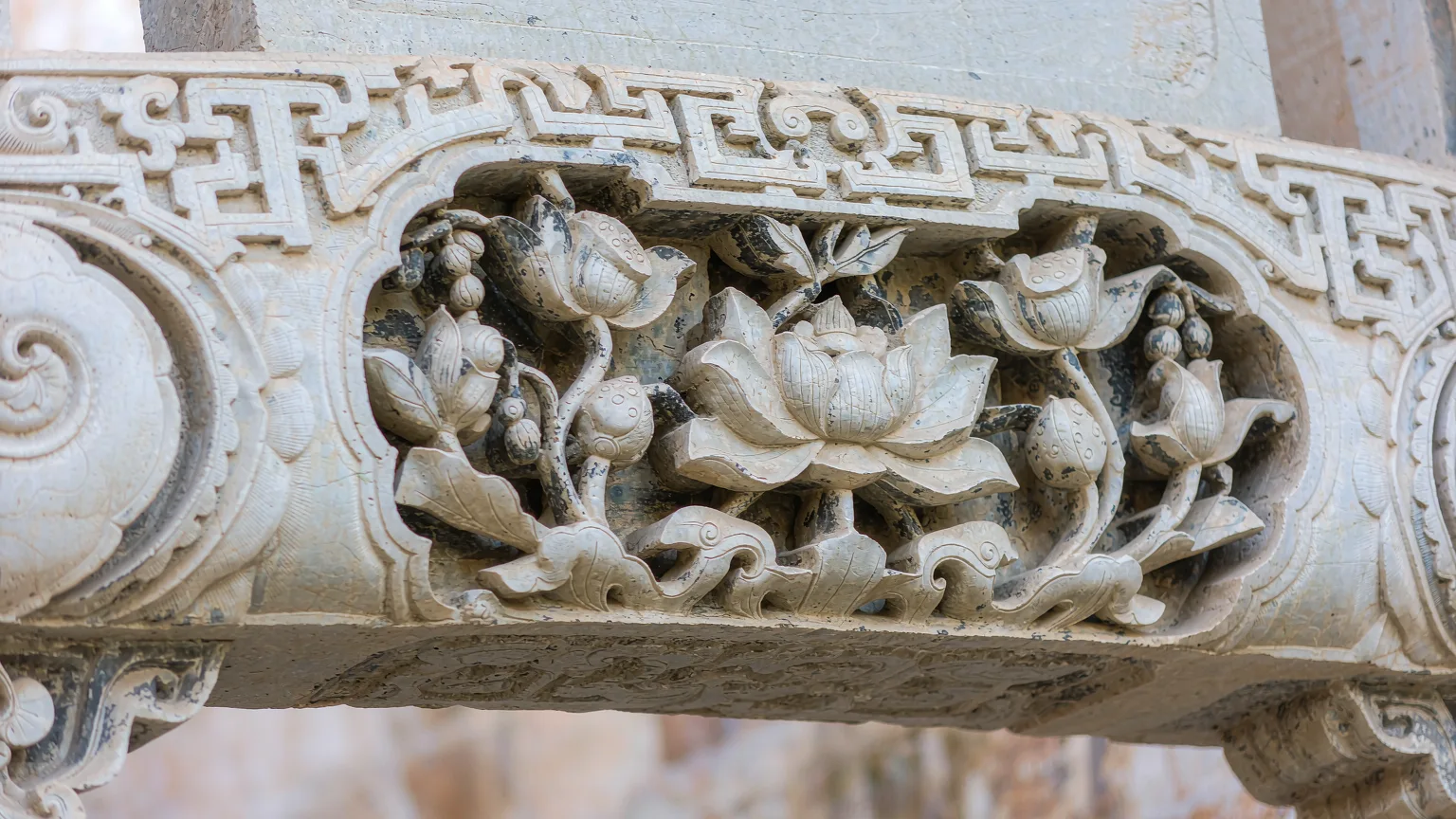
Unlike a museum, Xidi remains a lived-in village: laundry hangs between carved lintels, and elderly residents still tend small plots. The architecture is classic Huizhou style — high horse-head walls to prevent fire spread, inward-facing courtyards for privacy and light, and exquisite brick, wood and stone carvings that reward slow looking. Because it is smaller and less commercial than Hongcun, Xidi feels more authentic, and our guides know which courtyards open their doors to visitors and which family shrines still hold ancestral rites.
Xidi lies about 10 km northeast of Hongcun and 60 km from Huangshan city. Most travellers base themselves in Tunxi (Huangshan city) or near Hongcun. From Tunxi, take a bus to Yixian county (about 1 hour, ¥20) then a local taxi or shuttle to Xidi (15 minutes, ¥20–30). A private car from Tunxi takes about 1 hour (¥200–300). Many of our guests combine Xidi with Hongcun in one day, with a guide to navigate the lanes and explain the carvings.
Admission is ¥104 for adults, with discounts for students and seniors. Opening hours are 7:30–18:00 (last entry 17:30). Book through our team or at the gate; foreign credit cards are not accepted at the ticket office, so bring cash or use WeChat Pay/Alipay linked to an international card. Your guide can handle payment if needed.
Visit in spring (March–May) for mild weather and blooming rapeseed fields, or autumn (September–November) for crisp air and golden foliage. Arrive before 9 am to beat tour groups, or after 3 pm for softer light and quieter lanes. Avoid Chinese public holidays when crowds swell.
Yes. Xidi is smaller and less crowded, with a more residential feel. Its archway and ancestral halls are equally impressive, and the quieter lanes offer a different perspective on Huizhou life.
Take a bus from Tunxi to Yixian (¥20, 1 hour), then a taxi to Xidi (¥20–30). A private car from Tunxi takes about 1 hour and costs ¥200–300.
Signage is limited and mostly in Chinese. Our private guides provide full interpretation of the architecture, history and local customs, making the visit far more meaningful.
No, the ticket office and most vendors do not accept foreign cards. Bring cash or set up WeChat Pay or Alipay with an international card before you travel.
Tell us your dates, group size and preferences — a dedicated consultant will reach out within 24 hours.