
Guest — sign in to save your enquiries.
My account
Wild Elephant Valley is China's only rainforest reserve where you can watch free-roaming Asian elephants from elevated walkways. Set in Xishuangbanna's tropical forest, it combines a nature reserve, elephant hospital and canopy trails. With our private guide, you'll know exactly when and where to look, turning a lucky sighting into a genuine wildlife encounter.
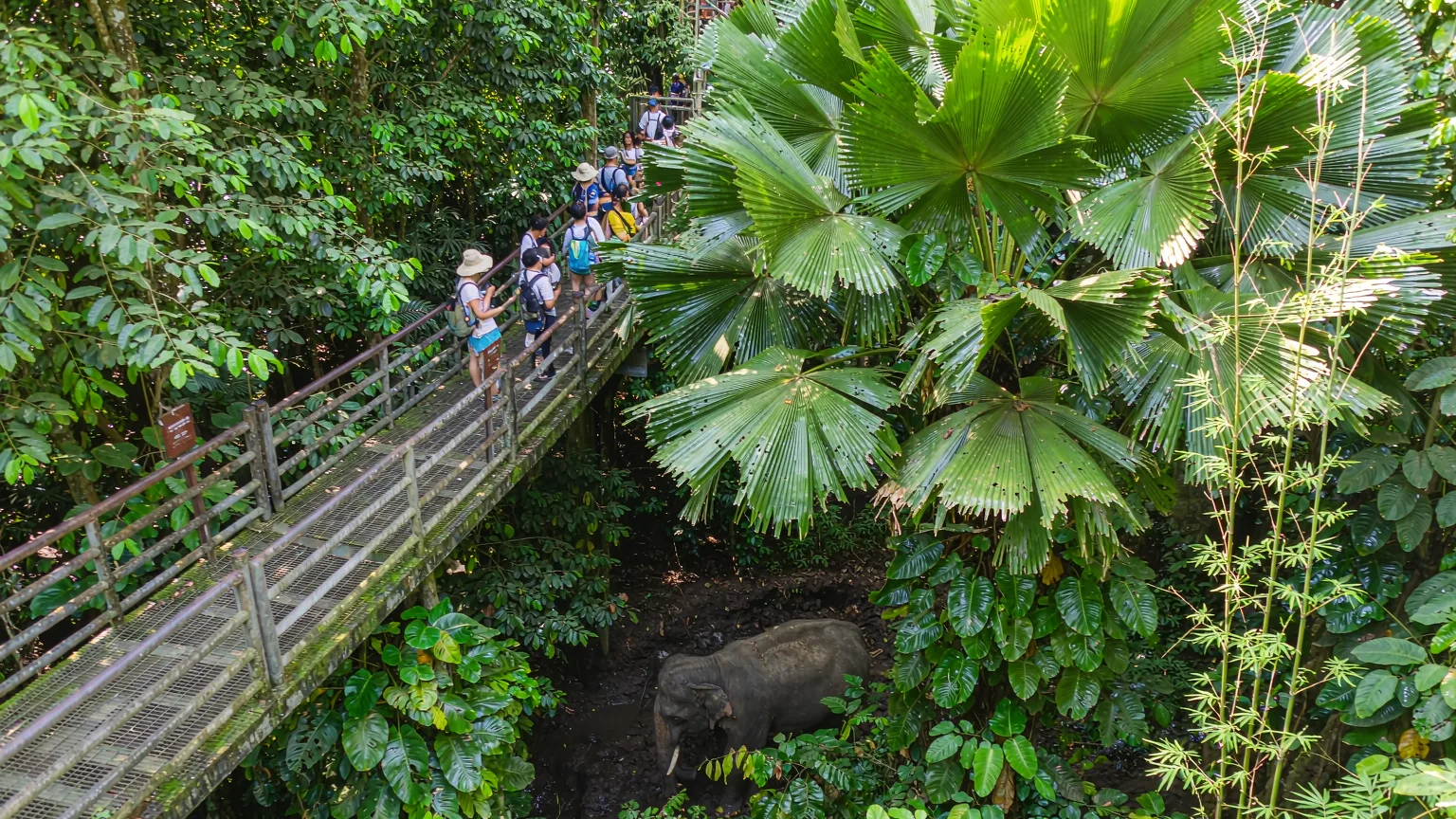
Wild Elephant Valley sits in the tropical rainforest of Mengyang, about 45 km north of Jinghong in Xishuangbanna, Yunnan. The valley forms part of the Xishuangbanna National Nature Reserve, a UNESCO-listed biosphere that shelters China's largest remaining population of wild Asian elephants — roughly 300 animals. Since the 1990s, the reserve has protected a crucial migration corridor between China and Laos. The elevated viewing walkways, built to keep visitors at a respectful distance, let you scan salt licks, mud wallows and fruiting trees where elephants often feed at dawn and dusk.
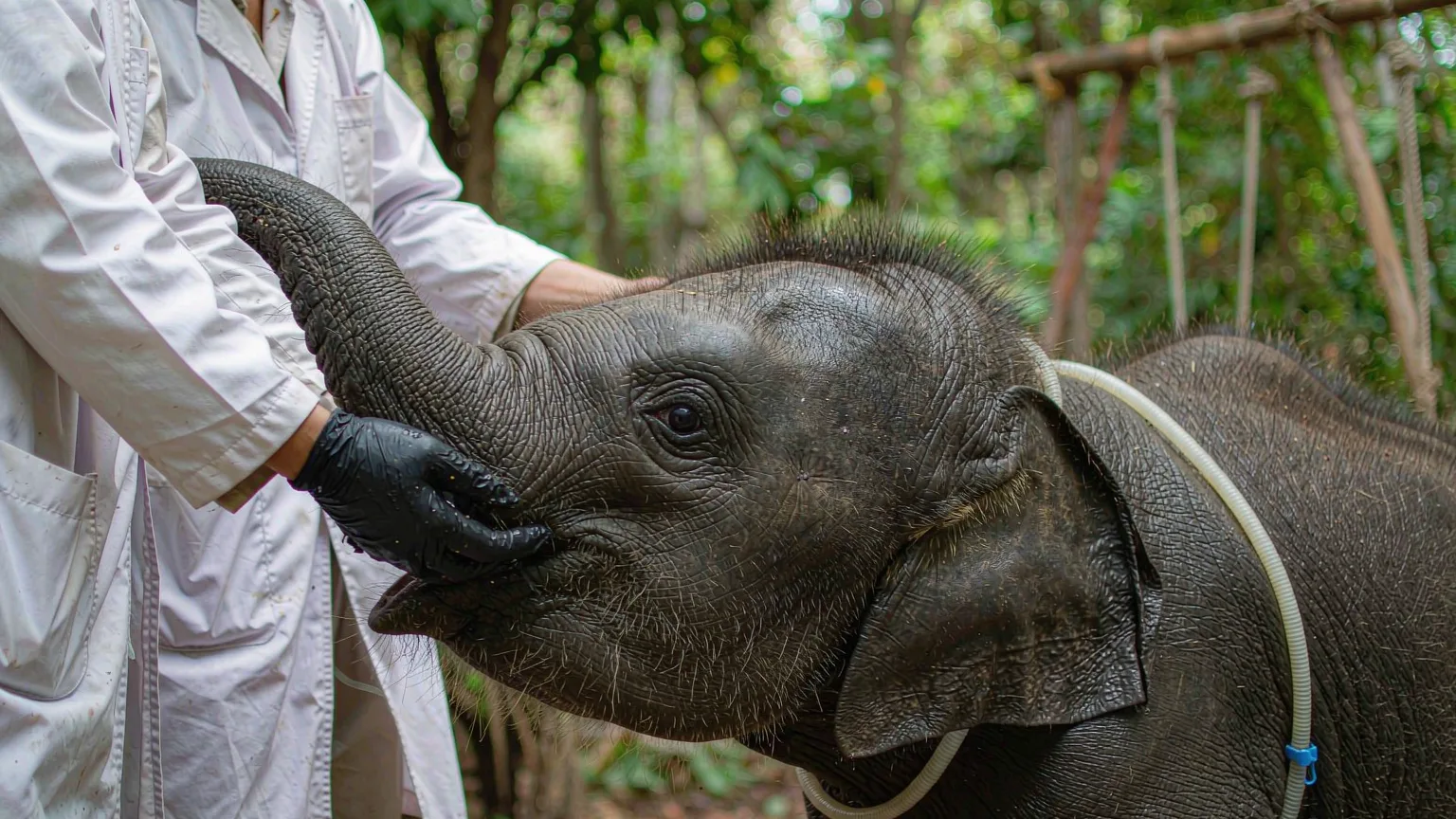
The valley is also home to a rescue and breeding centre for elephants injured or orphaned in the wild. A short walk from the main entrance, the elephant hospital and nursery offer a sobering look at conservation work. Beyond elephants, the forest holds gibbons, hornbills, slow lorises and more than 100 butterfly species. Trails range from a 30-minute boardwalk to a 2-hour loop, and a cable car lifts you over the canopy for a bird's-eye view. For many travellers, this is the highlight of a broader Yunnan itinerary that includes Jinghong's Dai culture and the tea mountains of Menghai.
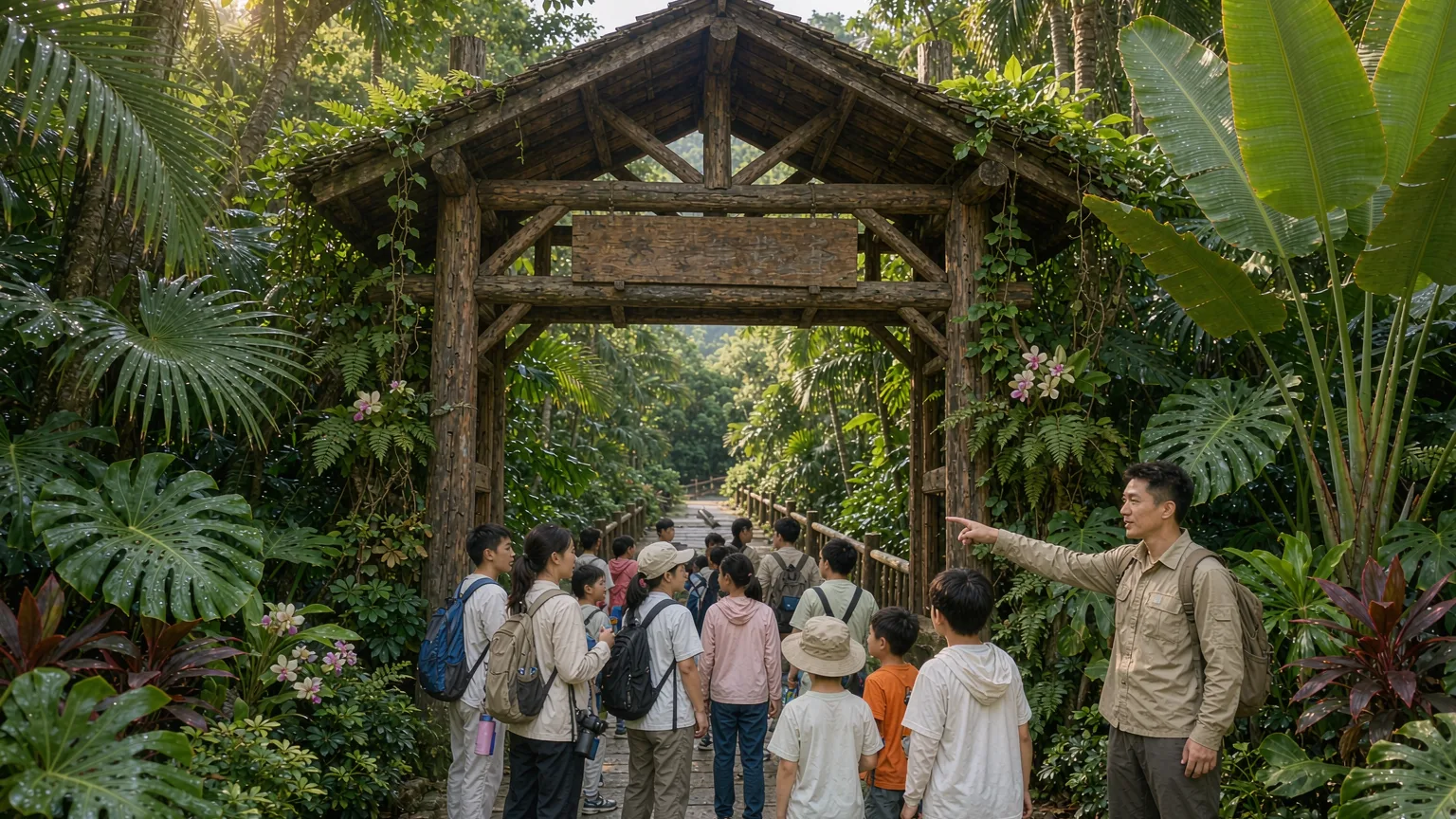
From Jinghong, Wild Elephant Valley is a 45–60 minute drive (about 45 km) north on the G213 highway. Most travellers take a private car or taxi (¥200–300 one way) or join a guided tour. Public buses from Jinghong's bus station also run to the park entrance. We usually combine it with a morning visit to a nearby Dai village or the Menghai tea mountains, making a full day of it. Our driver-guide handles the winding roads and timing so you arrive before the crowds and at the best wildlife hours.
Admission is ¥65–85 per person (high season vs low season), with the cable car costing an extra ¥50–70 one way. Opening hours are 8:00–18:00, but last entry is around 16:00. Book through our team or on the official WeChat mini-program; foreign credit cards are not accepted at the gate, so bring cash or use WeChat Pay/Alipay linked to an international card. Your guide can handle payment and collect tickets.
The dry season from November to April offers the most comfortable weather and the highest chance of elephant sightings, as animals gather at salt licks. Arrive at opening time (8:00) or after 16:00 for the best wildlife activity. Avoid the Chinese New Year and National Day holidays, when the walkways become crowded and sightings are less likely.
No guarantees — these are wild animals. But with our guides' timing and knowledge of feeding areas, your chances are good, especially at dawn and dusk in the dry season.
Yes, the elevated boardwalk is flat and stroller-friendly. The cable car is also an easy option. Just note the humidity can be tiring, so take it slow.
You can, but you'll miss the context and the best spotting spots. Our guides handle transport, tickets and timing, and know the trails intimately.
Comfortable walking shoes, rain jacket (rainforest showers are common), insect repellent, sunscreen, and cash or a mobile payment app for tickets and snacks.
Tell us your dates, group size and preferences — a dedicated consultant will reach out within 24 hours.