
Guest — sign in to save your enquiries.
My account
Tunxi Old Street is a 900-metre stretch of Song-dynasty lanes in the heart of Huangshan city, often called a living fossil of Huizhou merchant culture. Its wooden shopfronts, stone-flagged paths and Hui-style eaves have survived intact for centuries. With our private guide, you'll skip the tourist traps and meet the artisans, tea masters and ink-makers who keep the old trades alive.
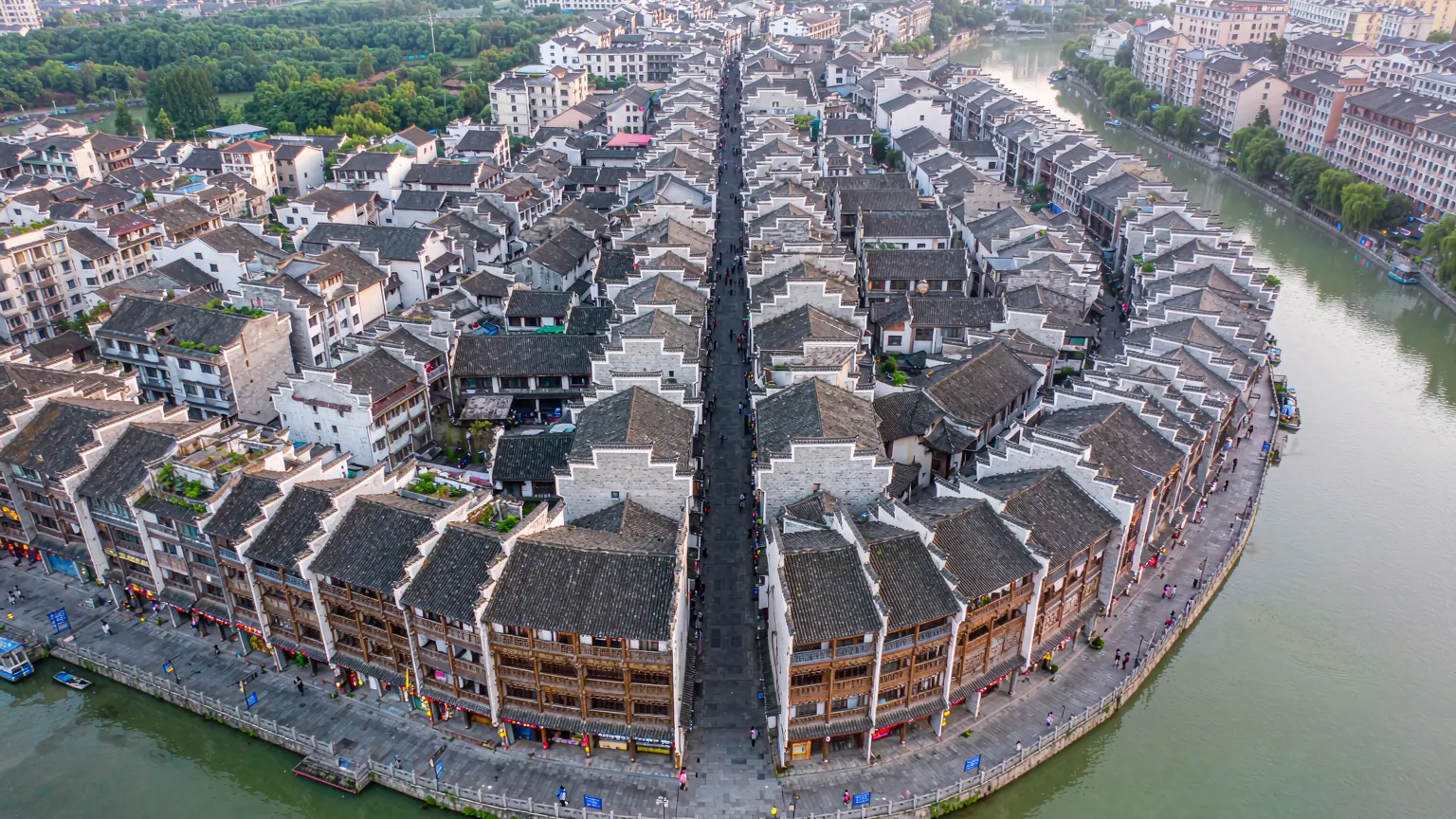
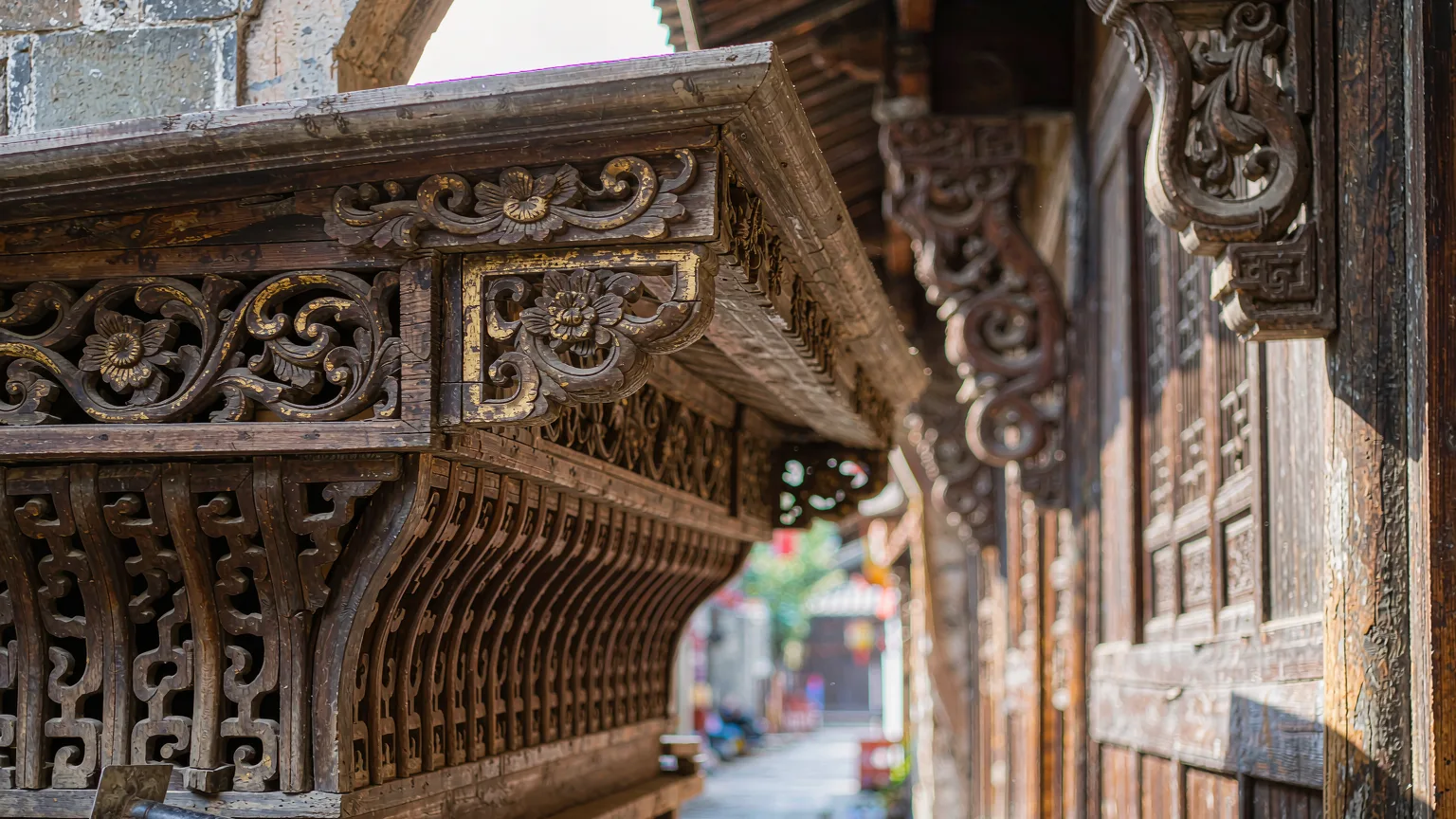
Tunxi Old Street began in the Southern Song dynasty (12th century) as a riverside market on the Xin'an River, the main trade artery linking Huizhou merchants to Hangzhou and beyond. Over the centuries it grew into the commercial heart of the Huizhou region, its narrow lanes lined with two-storey timber shops in the distinctive Hui style — whitewashed walls, black-tiled roofs, and carved wooden balconies. Today it is a protected 4A scenic area and a rare example of an urban commercial street that has kept its historic layout, scale and function almost unchanged.
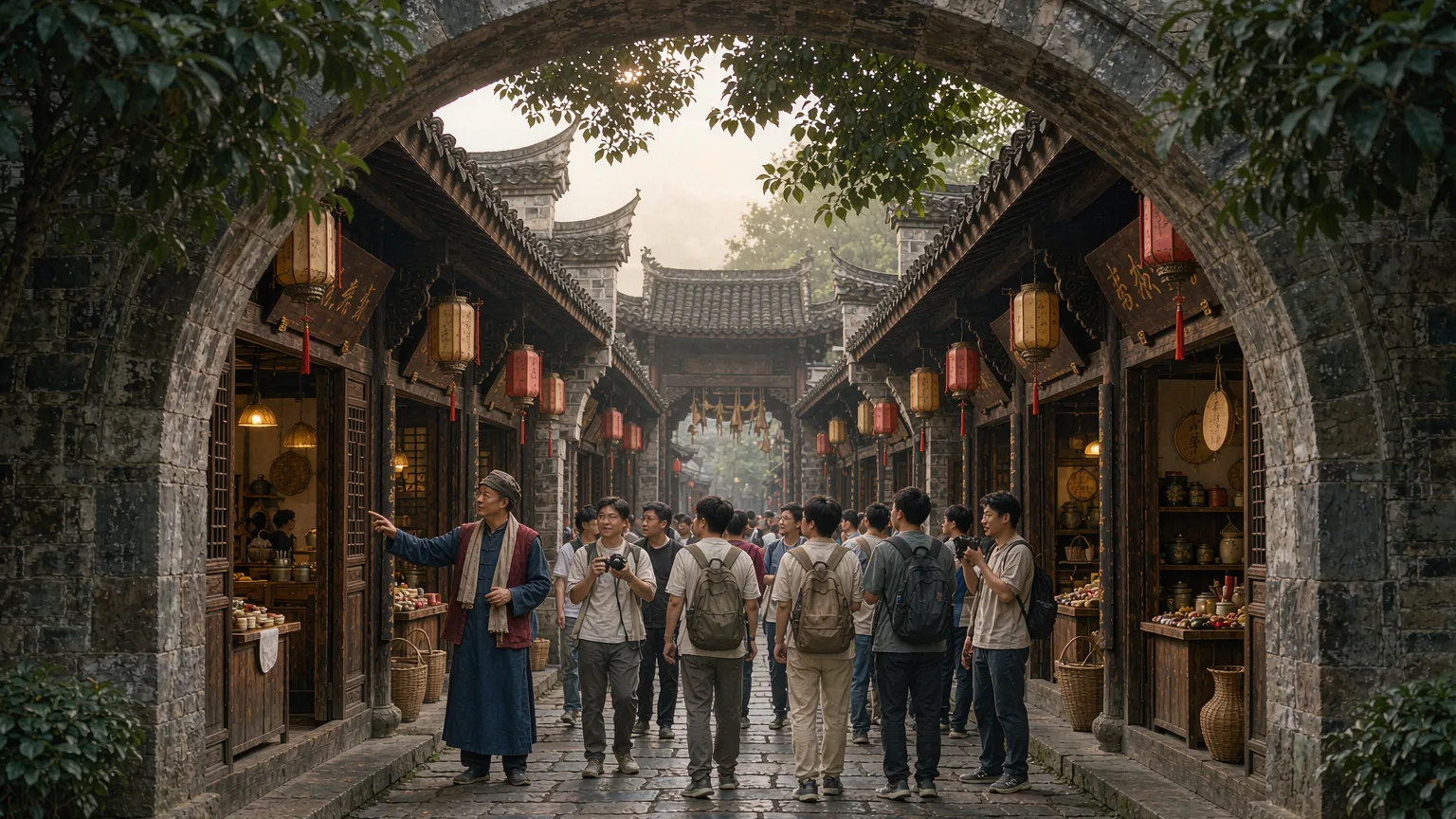
The street runs roughly east-west for about 900 metres, from the Ming-dynasty Zhenhai Bridge to the old wharf. Along it you'll find traditional workshops selling She inkstones, Huizhou ink sticks, Xuan paper and bamboo carvings, alongside pharmacies, tea houses and snack stalls. Many buildings date from the Ming and Qing dynasties, and several have been restored with original materials. It remains a working street, not a museum, so you'll see locals shopping alongside visitors. For deeper context, pair it with our Huizhou ancient villages tour.
Tunxi Old Street is in central Huangshan city (Tunxi district), about 15 minutes by taxi (¥15–20) from Huangshan Railway Station and 30 minutes (¥30–40) from Huangshan North high-speed rail station. If you're coming from Shanghai or Hangzhou, take the high-speed train to Huangshan North, then a taxi. It's an easy 2–3 hour stroll that pairs well with a morning visit to the nearby Huizhou Culture Museum. Our guide can arrange a private transfer and tailor the timing to avoid tour groups.
Free to enter; individual attractions like Wan'an Building charge ¥20–30. The street is open all day, but shops typically operate 8:30am–9:30pm. No advance booking is needed for the street itself. Bring your passport for any ticketed sites. Most shops accept WeChat Pay and Alipay linked to foreign cards, but small vendors may prefer cash, so carry some ¥10 and ¥20 notes.
Visit in spring (March–May) or autumn (September–November) when the weather is mild and the light is soft. Early morning (8–10am) is quietest, with locals opening shutters and few tour groups. Late afternoon (4–6pm) offers warm light for photography and a lively snack scene, but expect more crowds. Avoid Chinese public holidays if you prefer a relaxed pace.
Yes, especially if you appreciate living history and traditional crafts. It's a rare, well-preserved merchant street where you can see artisans at work and taste local specialties, all without an entrance fee.
Most visitors spend 2–3 hours strolling, shopping and snacking. If you include a tea tasting or workshop visit, allow half a day. Our guide can pace it to your interests.
Major shops and tea houses accept WeChat Pay and Alipay linked to international cards. Smaller stalls may only take cash, so carry small notes. ATMs are available nearby.
Don't miss Huangshan shaobing (sesame flatbread), mao tofu (fermented tofu), and sweet rice cakes. For a sit-down meal, try local dishes like stinky mandarin fish and bamboo shoots.
Tell us your dates, group size and preferences — a dedicated consultant will reach out within 24 hours.