
Guest — sign in to save your enquiries.
My account
The Tujia Folk Custom Park in Zhangjiajie is a living museum of the Tujia ethnic minority, showcasing their distinctive architecture, folk traditions, and vibrant song-and-dance performances. It's the perfect cultural counterpart to Zhangjiajie's natural wonders, offering insight into the people who have called these mountains home for centuries. With our private guide, you'll navigate the park's highlights effortlessly and gain a deeper understanding of Tujia heritage.
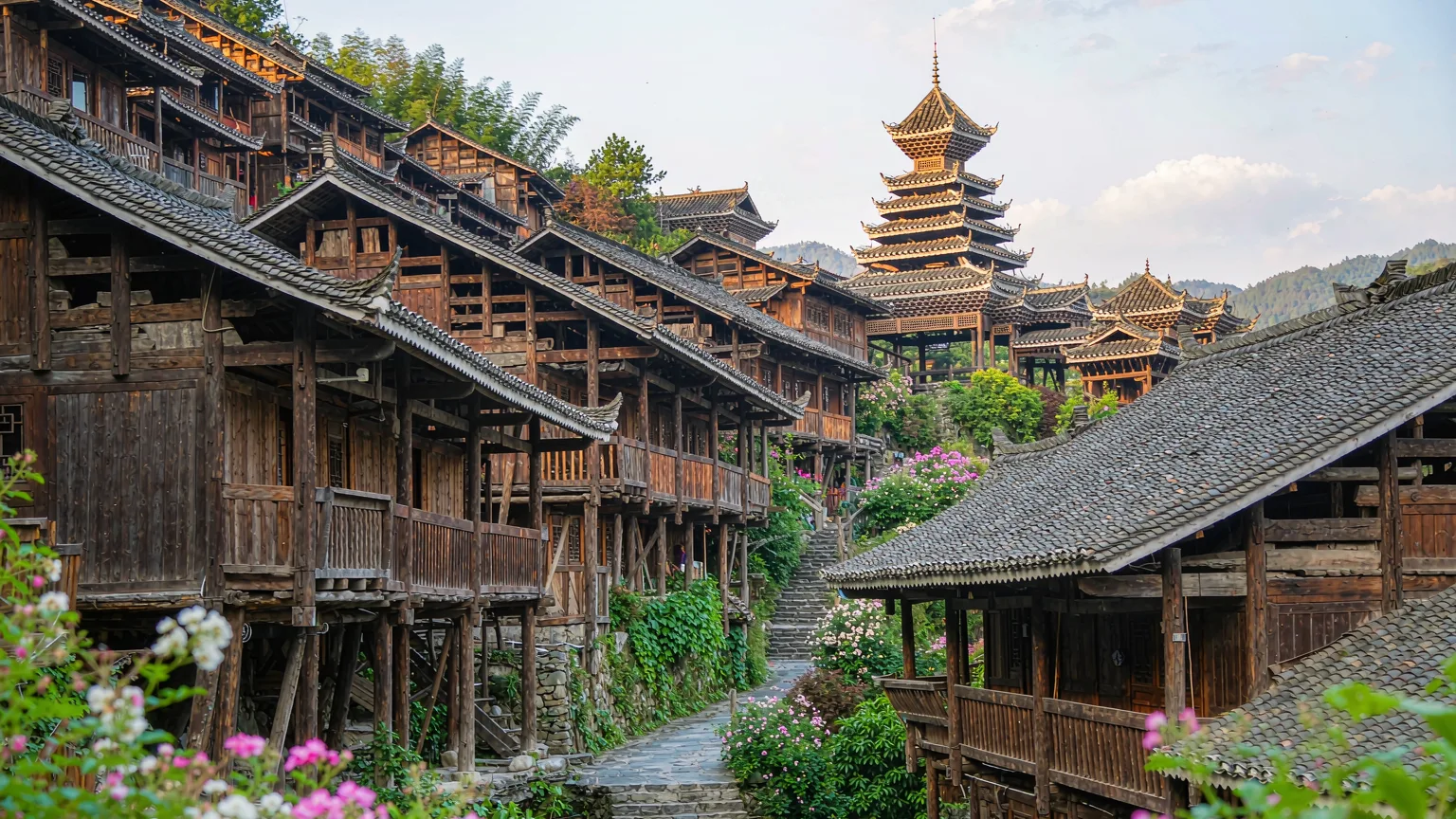
The Tujia Folk Custom Park, located in Zhangjiajie, Hunan Province, is a 4A-rated attraction dedicated to preserving and presenting the culture of the Tujia people, one of China's largest ethnic minorities. The park features traditional Tujia architecture, including stilted wooden houses (diaojiaolou), a grand drum tower, and a memorial hall. It was established in the 1990s as a cultural tourism site and has since become a key stop for visitors interested in the region's ethnic diversity. The Tujia have inhabited the Wuling Mountains for over a thousand years, and their traditions—such as hand-waving dance, crying marriage songs, and intricate brocade weaving—are proudly displayed here.
A visit to the park typically includes exploring the reconstructed village, watching live performances of Tujia dance and music, and participating in interactive activities like trying on traditional costumes or learning to weave. The park also houses exhibits on Tujia history, farming tools, and daily life. It's an educational and entertaining experience for all ages. Our guides can provide context and translation, ensuring you don't miss the stories behind the artifacts. For those combining this with Zhangjiajie's natural sights, the park offers a convenient cultural half-day. Note that some areas may be steep; comfortable shoes are recommended.
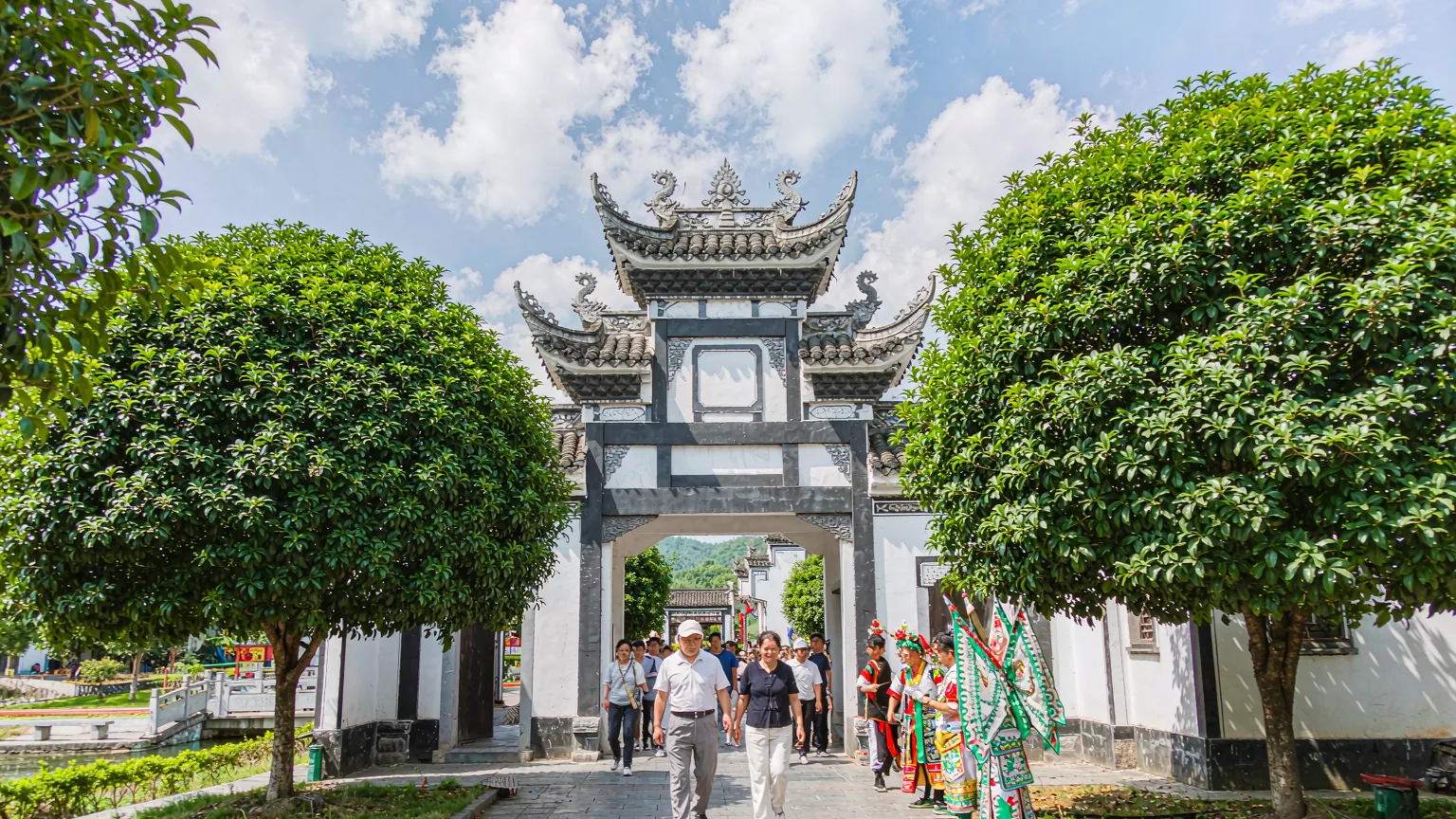
The park is located in Zhangjiajie city, about 10 minutes by taxi from the city center and 40 minutes from Zhangjiajie National Forest Park. Most travelers visit as part of a private day tour, often combined with Tianmen Mountain or the Glass Bridge. If coming independently, take a taxi (¥15-20) or local bus. Our guide can arrange seamless transfers from your hotel, so you can relax and enjoy the experience without worrying about navigation.
Admission is approximately ¥120 per person, with discounts for students and seniors. Opening hours are typically 8:00-17:30, but performance times vary; check the schedule upon arrival. We recommend booking through our guide to secure entry and performance times, especially during peak seasons. Foreign credit cards are not accepted at the gate, but WeChat Pay and Alipay work if linked to an international card; our guide can assist with payment if needed.
The best time to visit is during the spring (April-May) or autumn (September-October) when the weather is mild and the park is less crowded. Performances are usually held in the morning and early afternoon, so aim to arrive by 10 AM to catch the main shows. Avoid Chinese public holidays when it can be very busy.
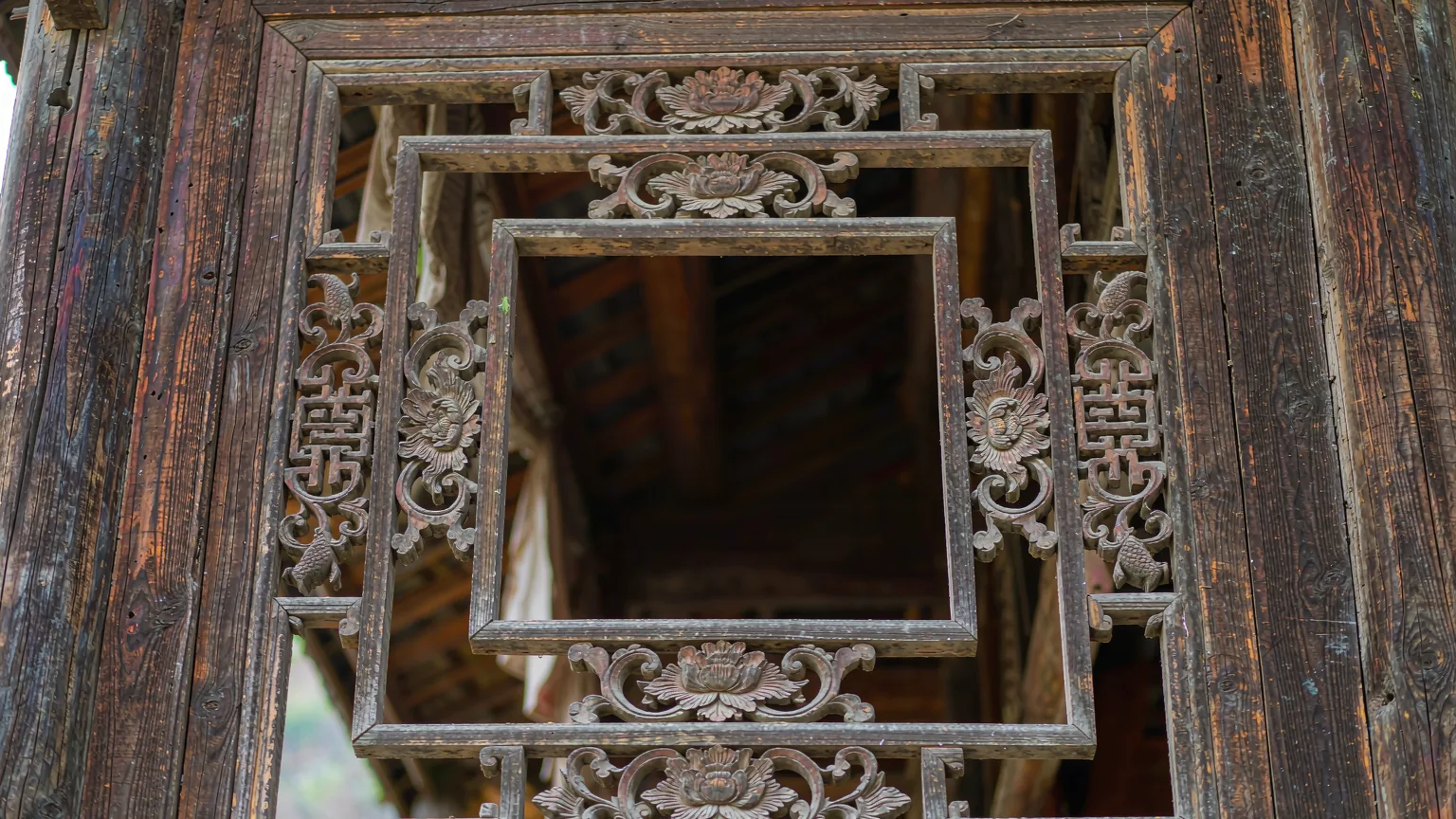
Yes, especially if you're interested in ethnic culture. It offers a fascinating glimpse into Tujia traditions and is a nice contrast to Zhangjiajie's natural scenery. Our guests often find it a highlight.
Most visitors spend 2-3 hours exploring the park and watching performances. With our guide, you can see the highlights efficiently in about 2 hours.
Some signs have English, but performances are in Chinese. Our private guide provides live translation and cultural context, making the experience much richer.
Yes, tickets are available at the gate, but during peak times it's better to book in advance through us to avoid queues and ensure performance availability.
Tell us your dates, group size and preferences — a dedicated consultant will reach out within 24 hours.