
Guest — sign in to save your enquiries.
My account
Tiger Hill, known as the 'Number One Sight of Wu', is Suzhou's most storied hill, crowned by the leaning Yunyan Temple Pagoda. It has drawn poets, emperors, and travellers for over a thousand years. With our private guide, you'll unravel its legends, from the sword pool of King Helü to the Ming dynasty bonsai garden, without the guesswork.
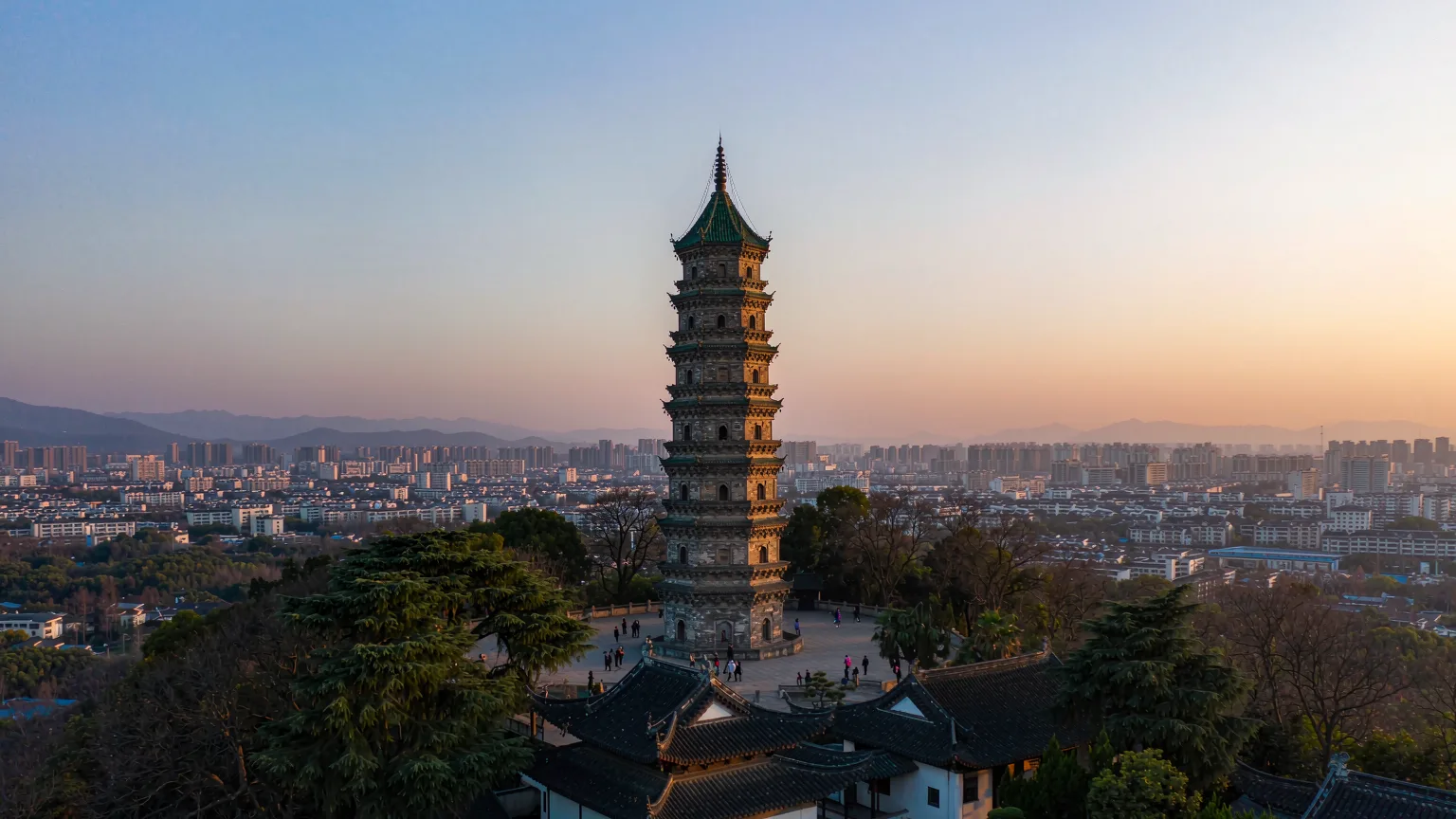
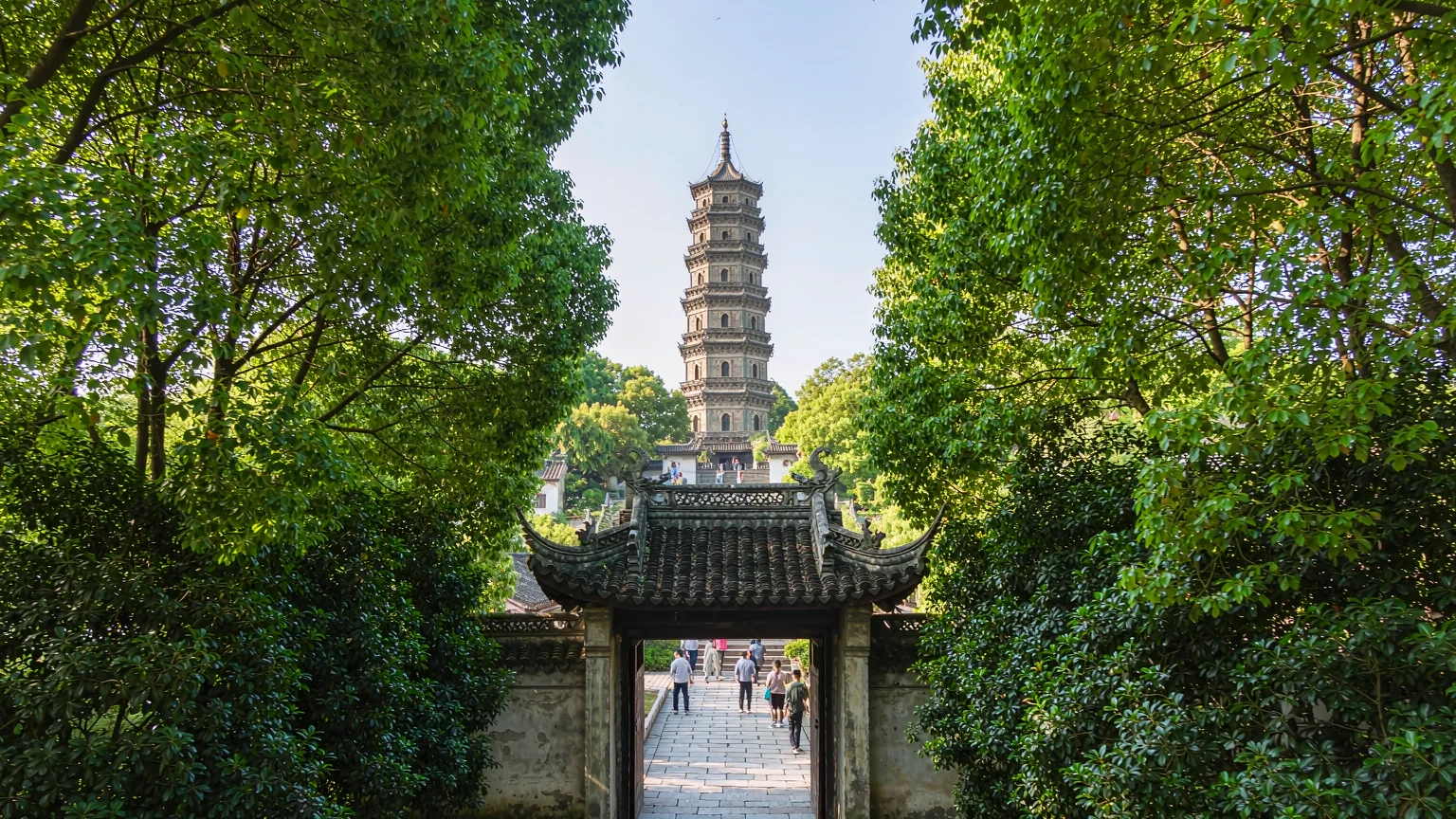
Tiger Hill (Huqiu) rises modestly 36 metres above Suzhou's western suburbs, yet its cultural weight is immense. Legend says that in the 6th century BC, King Helü of Wu was buried here with 3,000 swords, and a white tiger appeared to guard the tomb—hence the name. The hill became a Buddhist retreat in the 4th century, and later a favourite of emperors and literati. The Yunyan Temple Pagoda, built in 961 during the Northern Song dynasty, is a seven-storey octagonal brick-and-wood structure that has leaned since the Ming dynasty, earning it the nickname 'China's Leaning Tower'. It remains the oldest surviving pagoda in Suzhou and a symbol of the city.
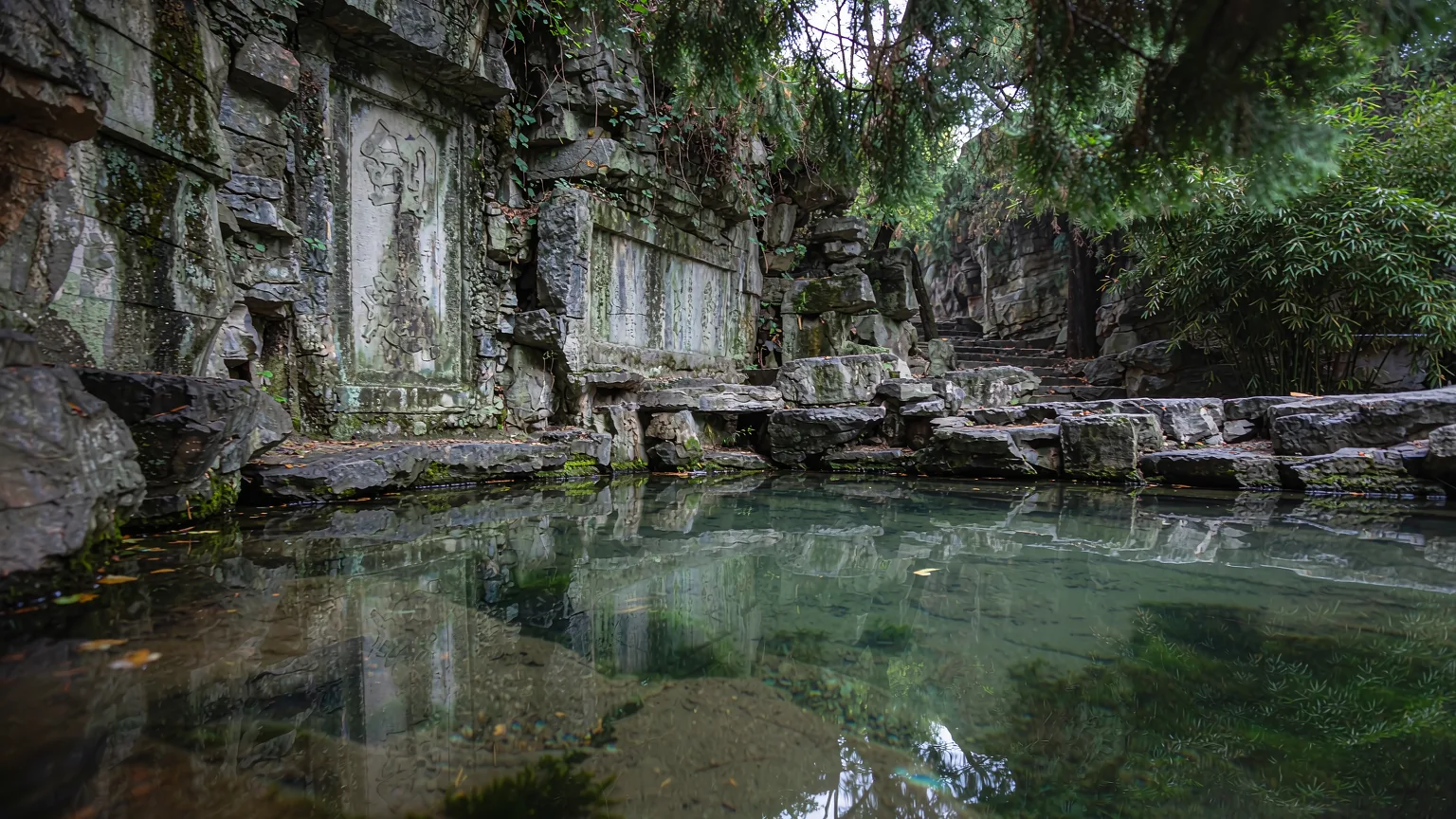
Beyond the pagoda, Tiger Hill is a compact landscape of gardens, ponds, and rockeries. The Sword Pool (Jianchi) is said to be where King Helü's swords were washed, and the Thousand Men Rock (Qianrenshi) is a flat boulder where legend claims a thousand workers rested. The hill also houses the Bamboo Grove, the Third Spring under Heaven (a spring ranked third-best in China by Tang dynasty tea master Lu Yu), and the Wanli-era bonsai garden. For visitors, it's a manageable half-day visit that pairs well with other Suzhou attractions. Our guides can bring the legends to life and navigate the crowds, ensuring you see the highlights without missing the quiet corners.
Tiger Hill is about 5 km northwest of Suzhou's old town. The easiest way is by taxi or DiDi (¥20–30 from the city centre), or take Metro Line 2 to Shantang Street Station and transfer to bus 816 or 949. Our private tours include hotel pickup and drop-off, so you can combine Tiger Hill with nearby Hanshan Temple or the Lingering Garden in one seamless day.
Admission: ¥80 (peak season, Apr–Oct), ¥60 (low season, Nov–Mar). Opening hours: 7:30–17:30 (last entry 16:30). Book via WeChat mini-programs or Trip.com; foreign cards are accepted on Trip.com, but for WeChat/Alipay you'll need to link an international card in advance.
Children under 1.4m free; seniors over 70 free with ID. English-language audio guides are available for rent at the entrance (¥20), but our guided tours include live commentary.
Visit in spring (March–May) when the cherry blossoms and azaleas bloom, or autumn (September–November) for crisp air and golden leaves. Early morning (right at opening) is ideal to avoid tour groups and capture the pagoda in soft light. Avoid weekends and Chinese public holidays if possible.
Most visitors spend 1.5 to 2 hours exploring the main sights. With our guide, you'll cover the highlights and hidden stories in about 2 hours, leaving time for tea at the spring.
The main paths are paved but steep in places; the pagoda has steps. Wheelchair users can access the lower gardens and Sword Pool, but the summit may be challenging. Our guides can plan a suitable route.
No, the pagoda is closed to visitors inside to protect its structure. You can admire it from the outside and walk around its base for different angles.
A taxi or DiDi takes 15–20 minutes (¥20–30). Alternatively, take Metro Line 2 to Shantang Street and transfer to bus 816. Our private tours include direct hotel transfers.
Tell us your dates, group size and preferences — a dedicated consultant will reach out within 24 hours.