
Guest — sign in to save your enquiries.
My account
Tianzifang is a labyrinth of narrow lanes in Shanghai's former French Concession, where traditional shikumen houses now host art studios, boutiques, and cafes. It's a living museum of everyday Shanghai life transformed by creative energy. Our private guide helps you navigate the crowds, uncover hidden gems, and understand the stories behind the facades.
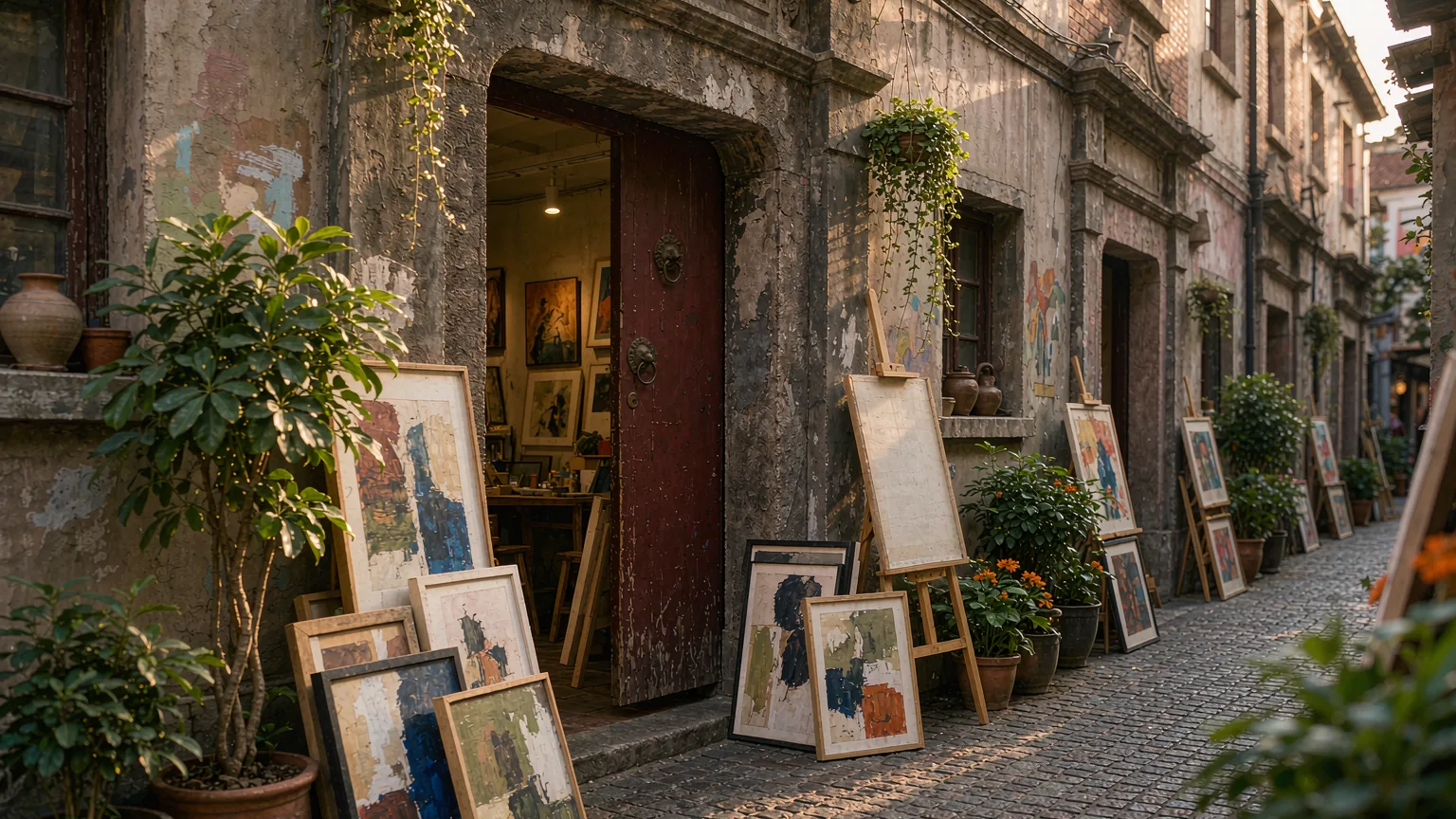
Tianzifang, or Taikang Road as it's officially known, began as a residential block of shikumen—stone-gate lane houses—built in the 1930s. In the early 2000s, artists and designers began renting these spaces, turning them into studios and galleries. The area was slated for demolition, but its cultural value was recognized, and it was preserved and redeveloped as a creative hub. Today, it's a 4A-rated attraction, blending historic architecture with contemporary art and commerce.
The maze-like layout is part of its charm: narrow alleys barely wide enough for two people, with laundry hanging above and shops tucked into every corner. You'll find everything from traditional crafts to avant-garde art, alongside local residents who still call Tianzifang home. It's a place where old and new Shanghai coexist, offering a glimpse into the city's rapid transformation. Our guides can point out architectural details and share anecdotes that bring the lanes to life.
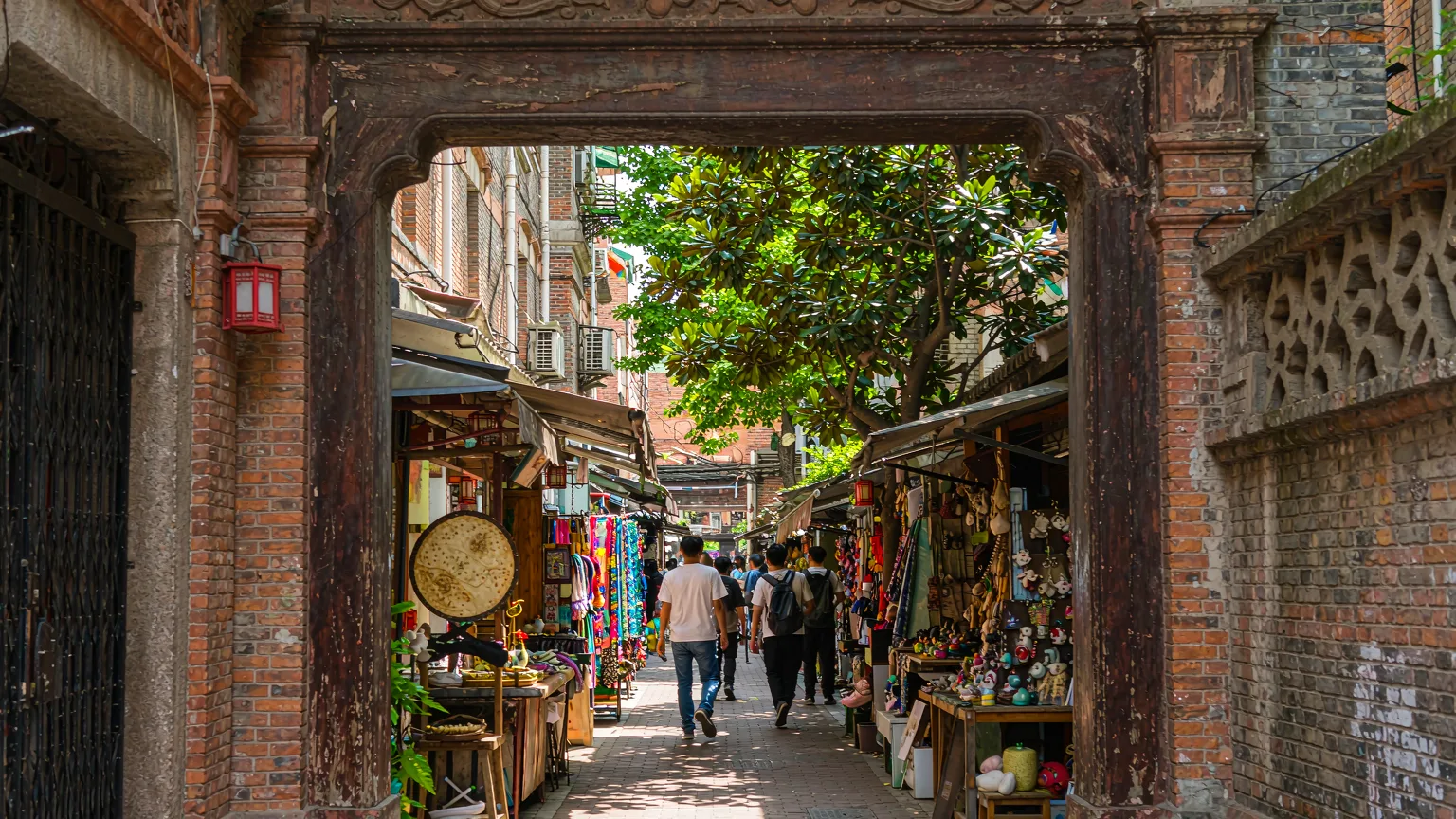
Tianzifang is easily reached by Metro Line 9 to Dapuqiao Station (Exit 1), a 5-minute walk. Taxis are convenient but traffic can be heavy. It's best visited as part of a half-day exploration of the French Concession, combined with nearby sites like Xintiandi or the Former Residence of Sun Yat-sen. Our private guide can arrange seamless transfers and tailor the route to your interests.
Free entry; individual shops and galleries may have their own hours (typically 10am–10pm). No booking required, but some workshops need advance reservation. Most vendors accept WeChat Pay and Alipay, though foreign cards may not always work; carry some cash as backup.
Visit on weekday mornings to avoid the crowds and enjoy a more relaxed atmosphere. Spring (March–May) and autumn (September–November) offer pleasant weather for strolling. Avoid weekends and Chinese public holidays when the lanes become extremely congested.
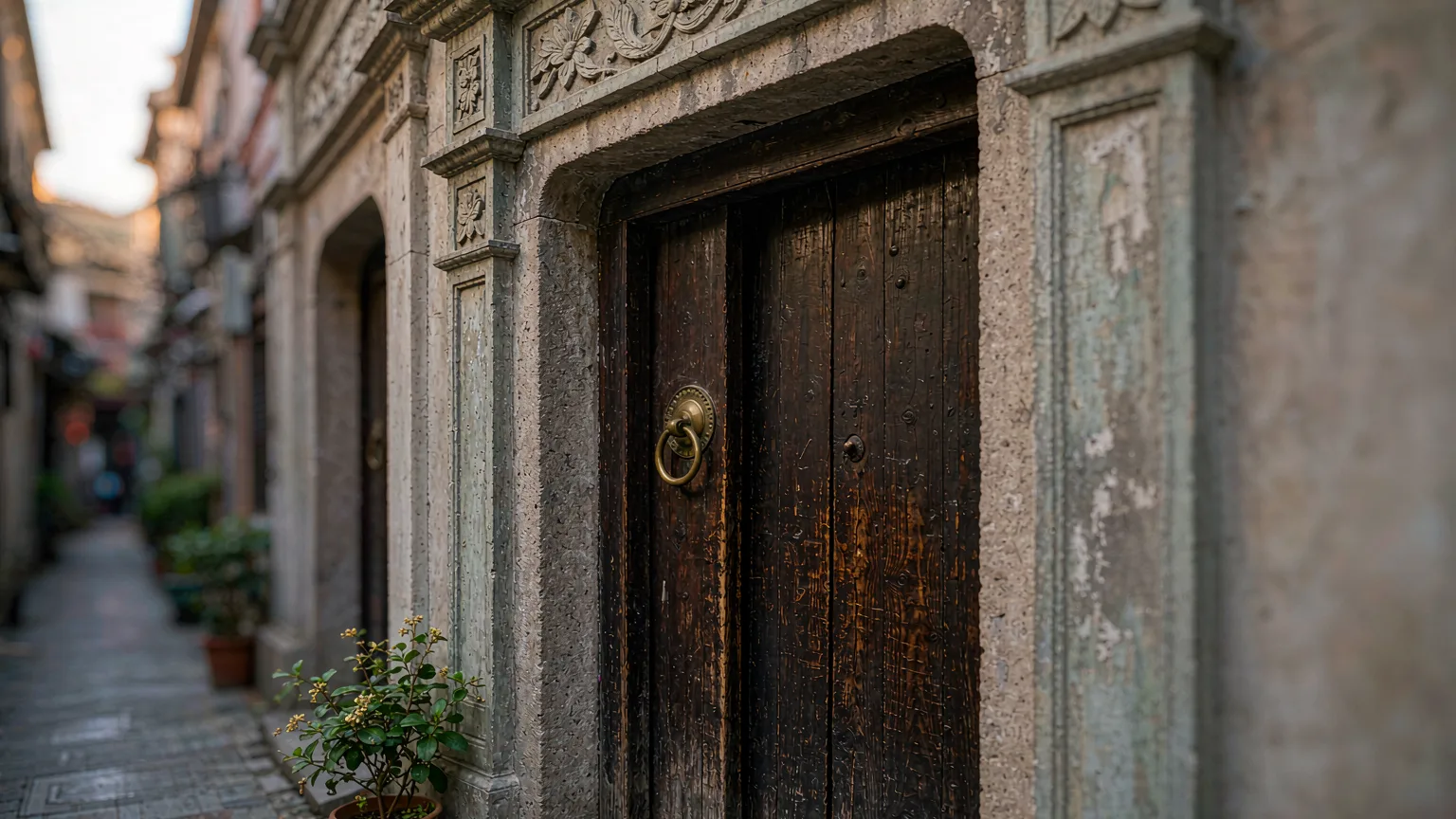
Yes, for its unique blend of historic architecture, art, and local life. It offers a more authentic and less commercial experience than some other tourist spots.
About 2–3 hours is sufficient to wander the lanes, visit a few shops, and have a snack. Art enthusiasts might spend longer.
Many shops and galleries have English signage, but not all. Our guide can translate and provide context.
Major credit cards are accepted in some larger stores, but many small vendors prefer WeChat Pay or Alipay. Carry cash for smaller purchases.
Tell us your dates, group size and preferences — a dedicated consultant will reach out within 24 hours.