
Guest — sign in to save your enquiries.
My account
The Summer Palace is Beijing's grandest imperial garden, a UNESCO World Heritage landscape of lakes, hills, and pavilions built for Qing emperors. Its vast grounds blend natural beauty with masterful architecture, offering a serene escape from the city. With our private guide, you'll navigate the crowds effortlessly and uncover the stories behind every corner.
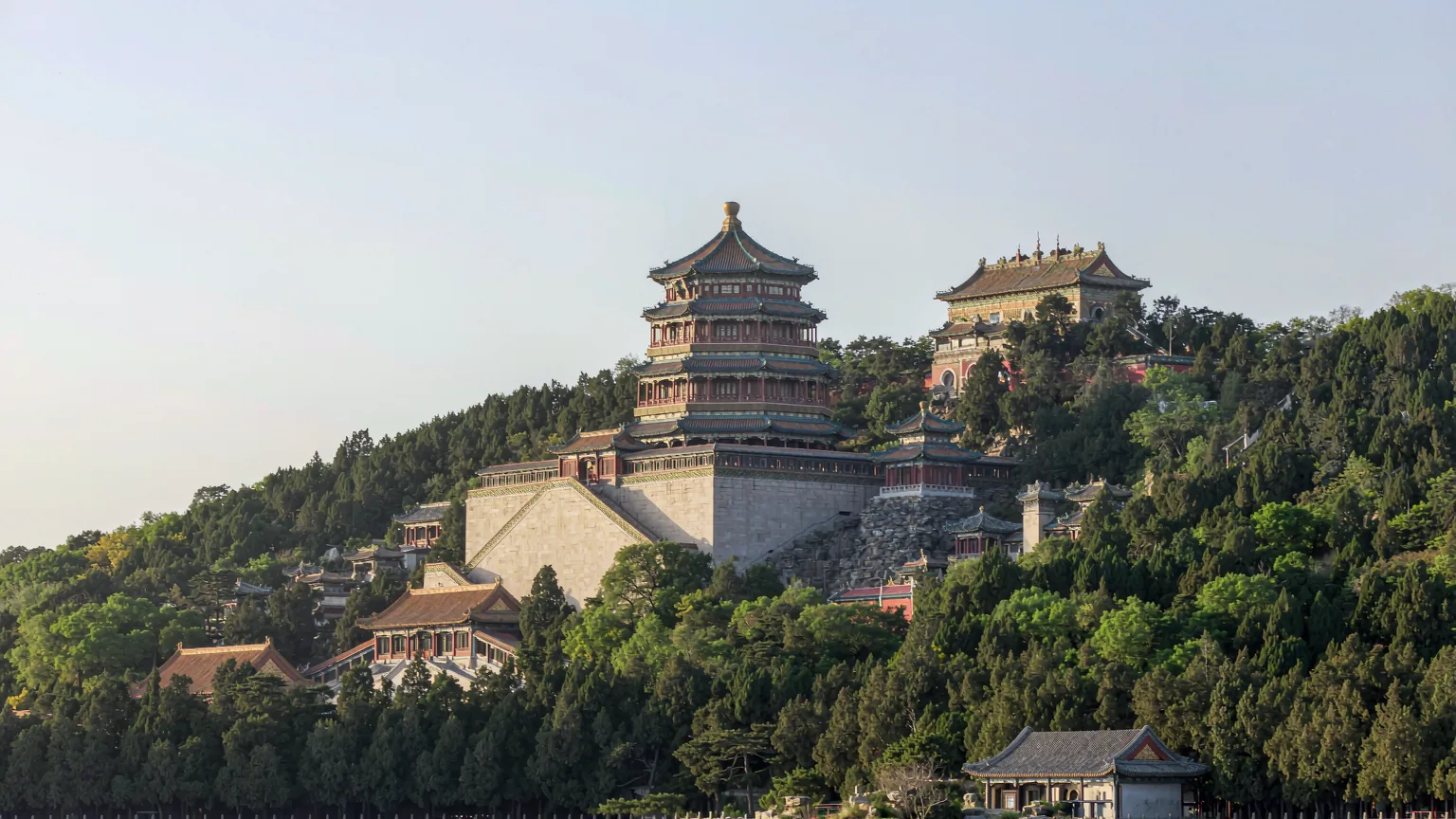
The Summer Palace, or Yihe Yuan, was originally built in 1750 by Emperor Qianlong as a royal garden for his mother's birthday. It was destroyed by Anglo-French forces in 1860 and rebuilt by Empress Dowager Cixi in 1888 using funds meant for the navy. This act became a symbol of imperial excess. The garden served as a summer retreat for the Qing court and was designated a UNESCO World Heritage Site in 1998 for its outstanding expression of Chinese landscape garden design.
The palace complex covers 297 hectares, with Longevity Hill and Kunming Lake forming its backbone. Over 3,000 structures, including halls, towers, bridges, and corridors, are scattered across the grounds. The Long Corridor, a 728-meter painted gallery, is a highlight, along with the Marble Boat and the Seventeen-Arch Bridge. The garden ingeniously incorporates natural features and artificial elements to create a harmonious whole, reflecting Chinese philosophy of unity between man and nature.
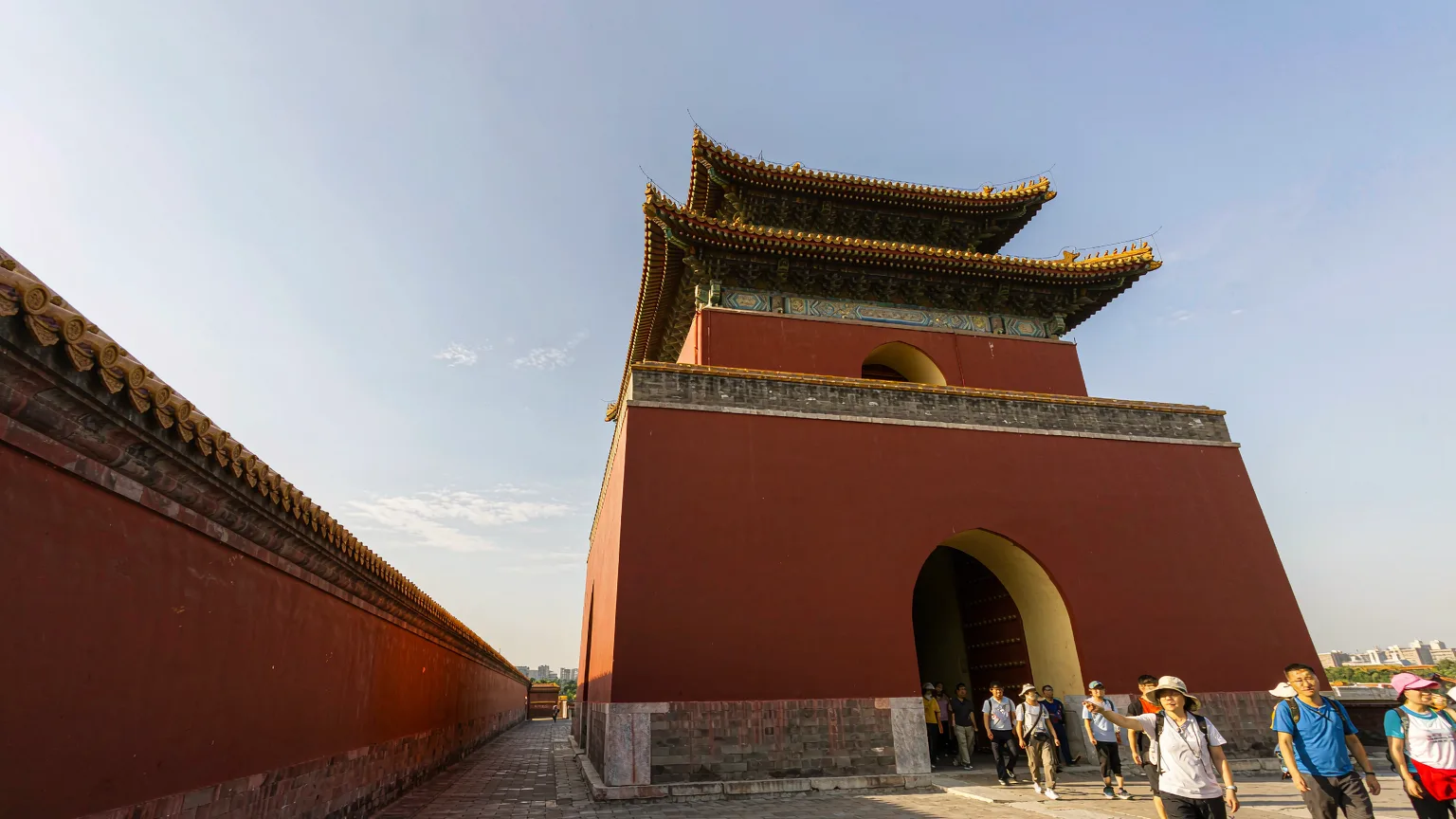
The Summer Palace is easily reached by metro Line 4 to Beigongmen Station (Exit D), which leads directly to the North Gate. Alternatively, take a taxi or Didi from central Beijing, about 40 minutes. We recommend combining it with a visit to the Old Summer Palace or Peking University. Our guide can arrange a private car to avoid the hassle of public transport.
Admission: ¥30 (peak season, Apr 1–Oct 31), ¥20 (off-peak). Through ticket (includes all attractions): ¥60 peak, ¥50 off-peak. Opening hours: 6:30–18:00 (peak), 7:00–17:00 (off-peak). Book online via WeChat mini-program or official website in advance, especially on weekends. Foreign cards are accepted at ticket counters, but WeChat Pay or Alipay is more convenient for mobile payments.
The best time to visit is during spring (April–May) when flowers bloom, or autumn (September–October) for crisp air and colorful foliage. Arrive early in the morning (before 9 AM) to avoid crowds and enjoy the serene atmosphere. Weekdays are less crowded than weekends. Avoid Chinese public holidays if possible.
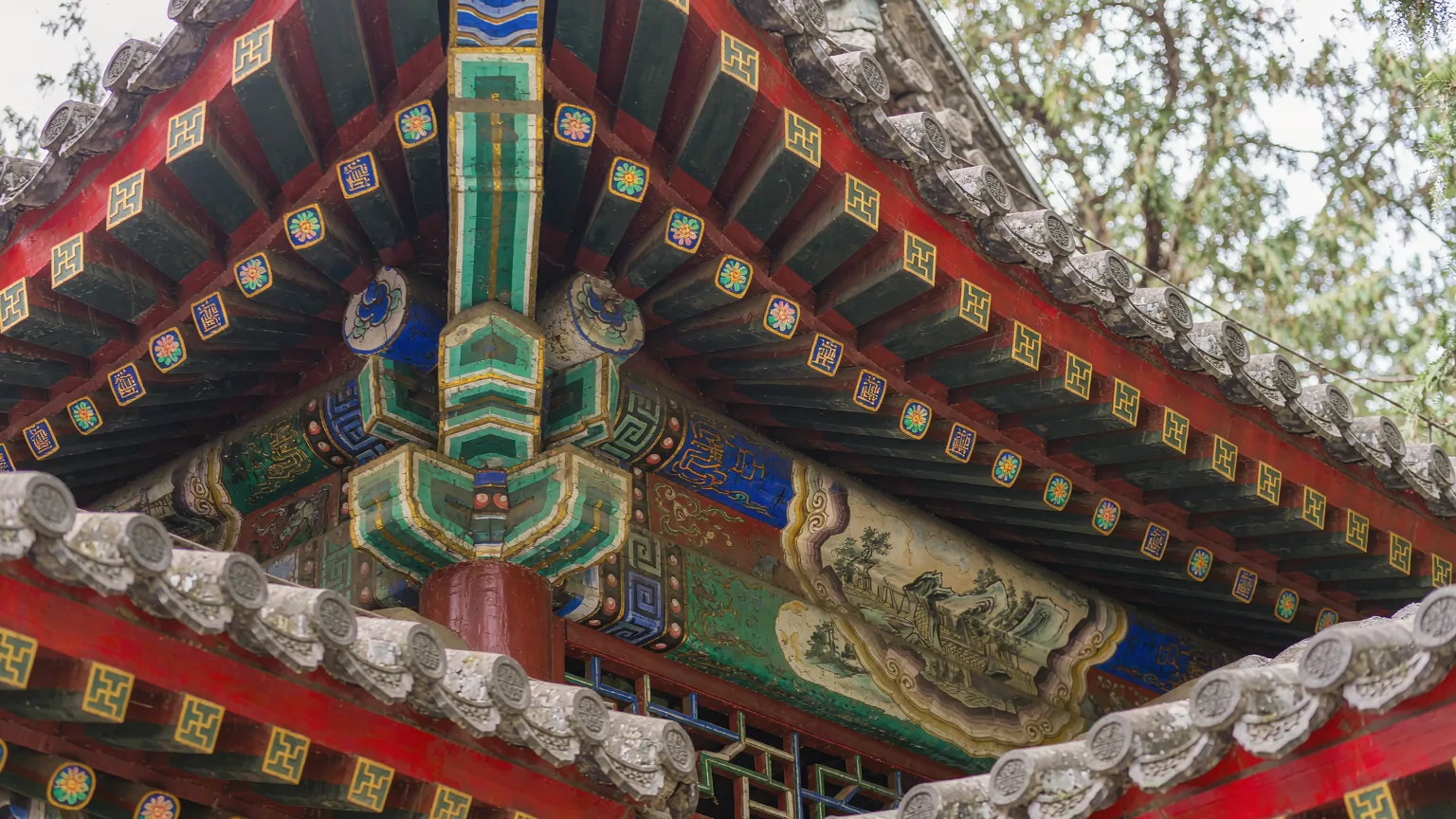
A thorough visit takes 3–4 hours, but you can easily spend half a day if you explore all areas. Our guide can tailor the route to your interests and pace.
Major signs have English translations, but detailed information is limited. Our private guides provide in-depth commentary in fluent English, bringing the history to life.
Yes, major credit cards are accepted at ticket counters, but mobile payments like WeChat Pay and Alipay are more common. Our guide can assist with payments if needed.
The main paths are wheelchair-friendly, but some areas with stairs and hills are not. Our guide can plan a route that avoids obstacles and ensures a comfortable visit.
Tell us your dates, group size and preferences — a dedicated consultant will reach out within 24 hours.