
Guest — sign in to save your enquiries.
My account
Shuimogou Scenic Area is a rare green canyon in the heart of Urumqi, where clear springs flow year-round past Tibetan Buddhist temples and Hui mosques. It offers a peaceful escape from the city's arid sprawl and a glimpse of Xinjiang's layered spiritual traditions. With our private guide, you'll navigate the park's winding paths effortlessly and uncover stories behind each spring and shrine.
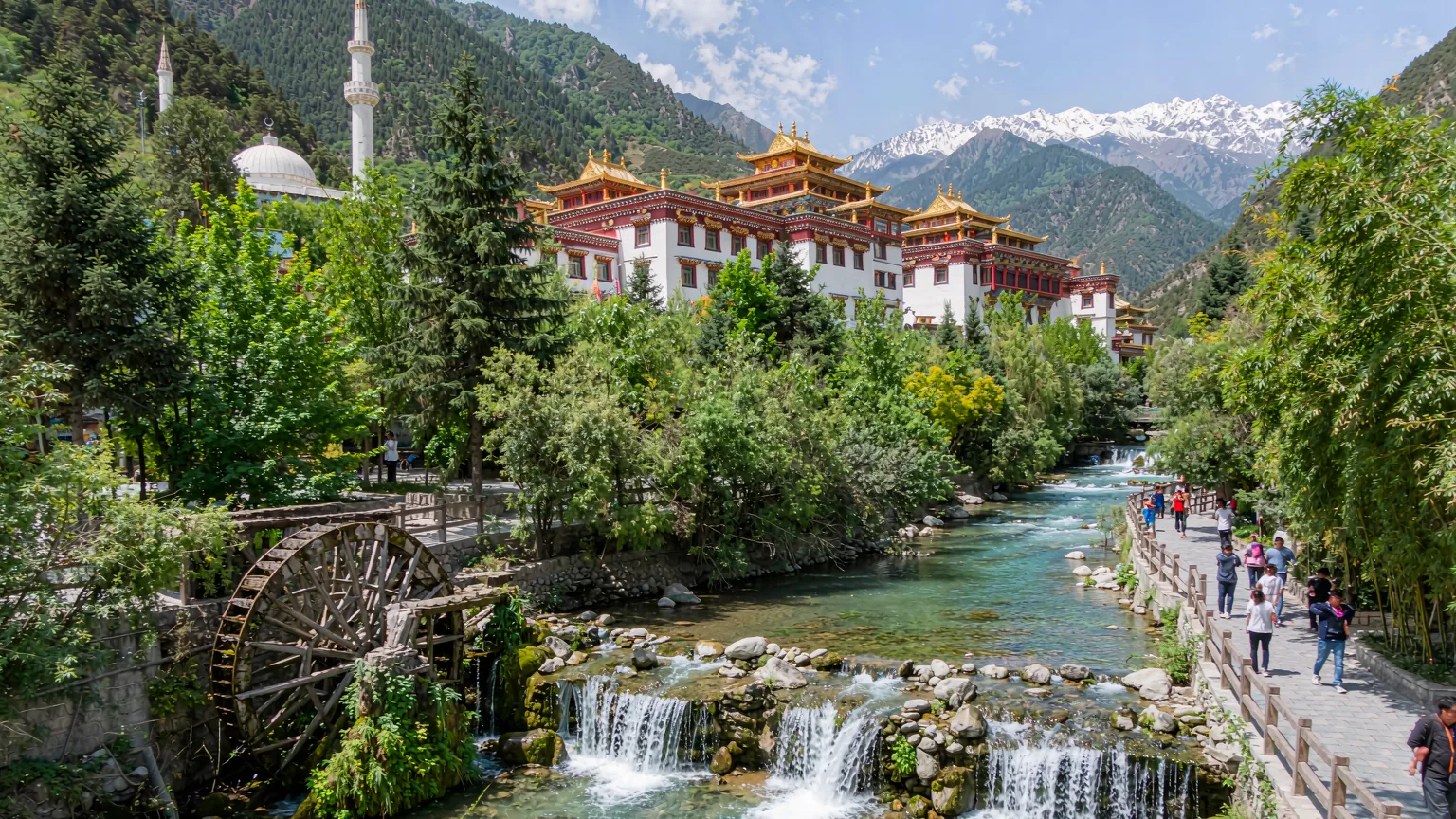
Shuimogou, meaning 'Water Mill Valley,' has been a cherished retreat for centuries. The valley's springs, fed by snowmelt from the Tianshan Mountains, once powered water mills that ground grain for the region. In the 18th century, the Qing government built a temple here, and later a Tibetan Buddhist lamasery was established. The area became a public park in 1980 and was rated a 4A scenic spot for its unique blend of natural springs, lush vegetation, and religious architecture. It remains a beloved spot for locals seeking shade and serenity.
The scenic area stretches about 5 kilometers along a narrow gorge, with paved walkways and bridges crossing the stream. Key sites include the Qingquan Temple, a Tibetan Buddhist monastery with colorful murals, and the Hui Mosque, reflecting Xinjiang's diverse faiths. The park is also home to more than 100 species of trees and shrubs, creating a microclimate that stays cool even in summer. Visitors can hike to viewpoints overlooking Urumqi or simply relax by the water. Our guides can explain the cultural significance of each site and help you avoid the busiest times.
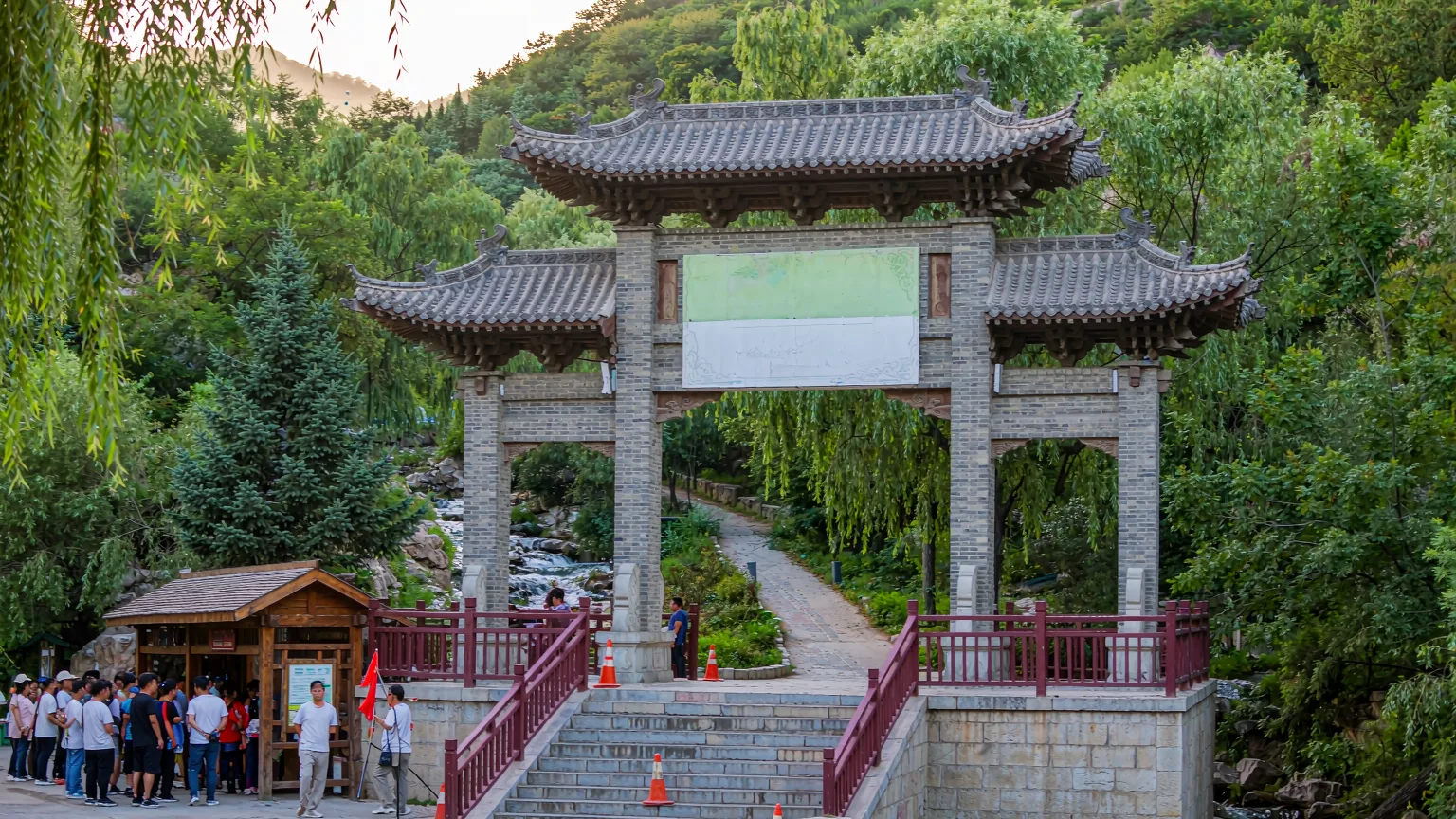
Shuimogou is about 5 kilometers northeast of downtown Urumqi. The easiest way is by taxi or ride-hailing app (around ¥20-30 from the city center). Alternatively, take Metro Line 1 to Nanmen Station and then a short taxi ride. Our private tours include hotel pickup and drop-off, so you can combine Shuimogou with nearby attractions like the Xinjiang Regional Museum or Red Hill Park in a single, hassle-free day.
Admission is ¥30-50 per person, with discounts for students and seniors. The park is open daily from 8:00 AM to 8:00 PM (hours may vary seasonally). Tickets can be purchased at the gate, but we recommend booking through our guide to skip lines. Foreign credit cards are not widely accepted, so bring cash or use WeChat Pay/Alipay linked to an international card.
The best time to visit is from May to October, when the springs are flowing and the trees are lush. Early morning (before 10 AM) or late afternoon (after 4 PM) offers cooler temperatures and fewer crowds. Autumn (September-October) is particularly beautiful with golden foliage. Avoid weekends and Chinese public holidays if you prefer a quieter experience.

Yes, the main paths are paved and relatively flat, making it accessible for all ages. However, some side trails involve stairs, so those with mobility issues should stick to the main route.
Absolutely, but a guide enhances the experience by explaining the cultural and historical context of the temples and springs, and helps with navigation and translation.
English signage is limited. Our private tours include an English-speaking guide who provides commentary and ensures you don't miss key highlights.
Most visitors spend 2-3 hours exploring the main sites. If you plan to hike to viewpoints or relax by the stream, allow half a day.
Tell us your dates, group size and preferences — a dedicated consultant will reach out within 24 hours.