
Guest — sign in to save your enquiries.
My account
Shuhe Ancient Town is Lijiang's quieter, older soul — a Tea Horse Road trading post where Naxi culture, spring-fed canals and cobbled lanes survive without the crush of the main old town. It sits at the foot of Jade Dragon Snow Mountain, 4 km from Lijiang's busy Dayan. With our private guide, you skip the guesswork and see the real Shuhe: its springs, temples and craftsmen, at your own pace.
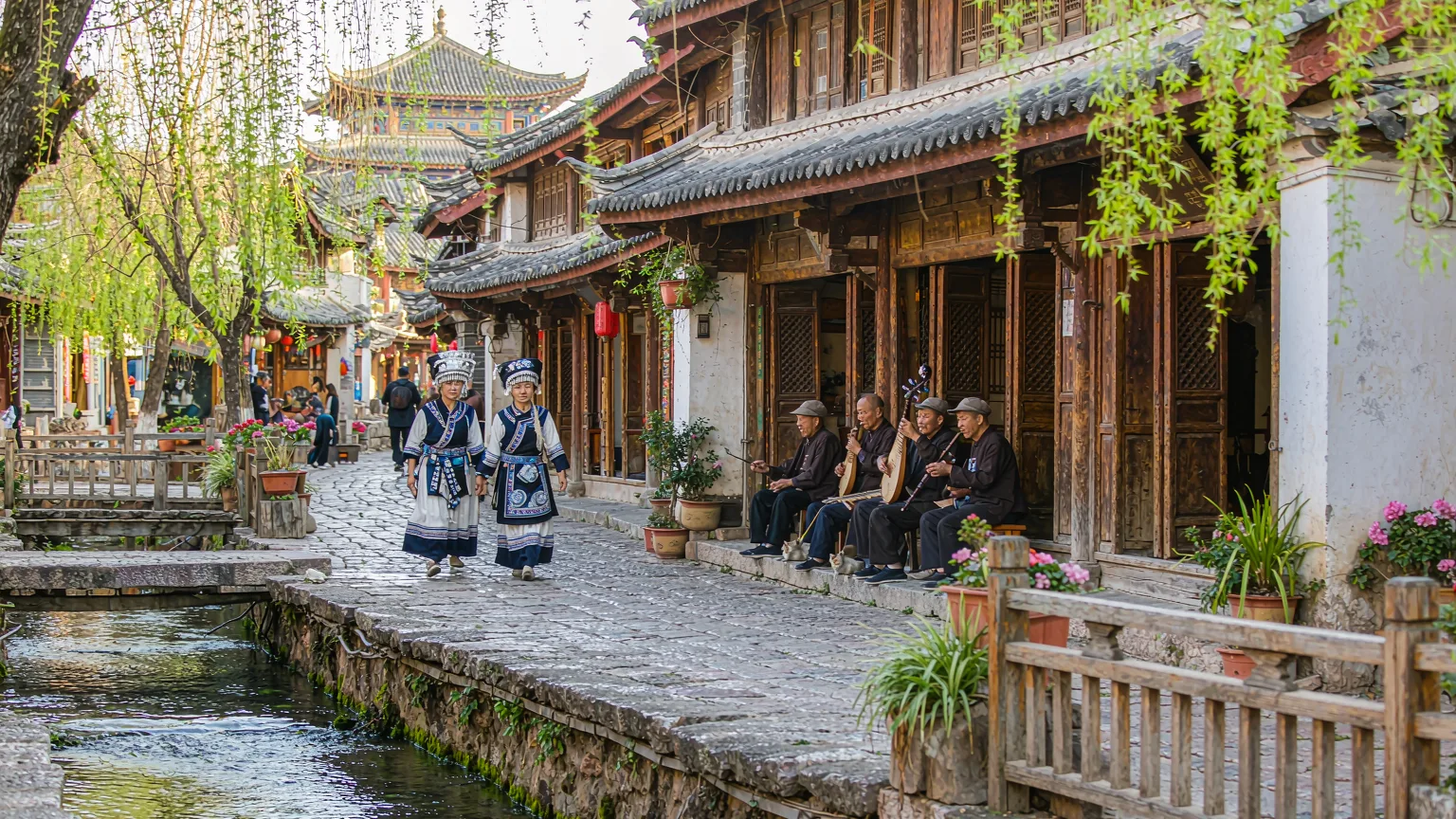
Shuhe, known in Naxi as 'Shaowu' and often called Longquan Village, grew as a key stop on the Tea Horse Road, the ancient trade network that carried Pu'er tea from Yunnan to Tibet in exchange for horses. From the Tang and Song dynasties onward, caravans rested here beside the Longquan (Dragon Spring), whose waters still flow through the town's stone channels. The settlement's layout reflects Naxi cosmology and practical trade needs: a central square for markets, temples for protection, and narrow lanes that once sheltered muleteers, merchants and their families.
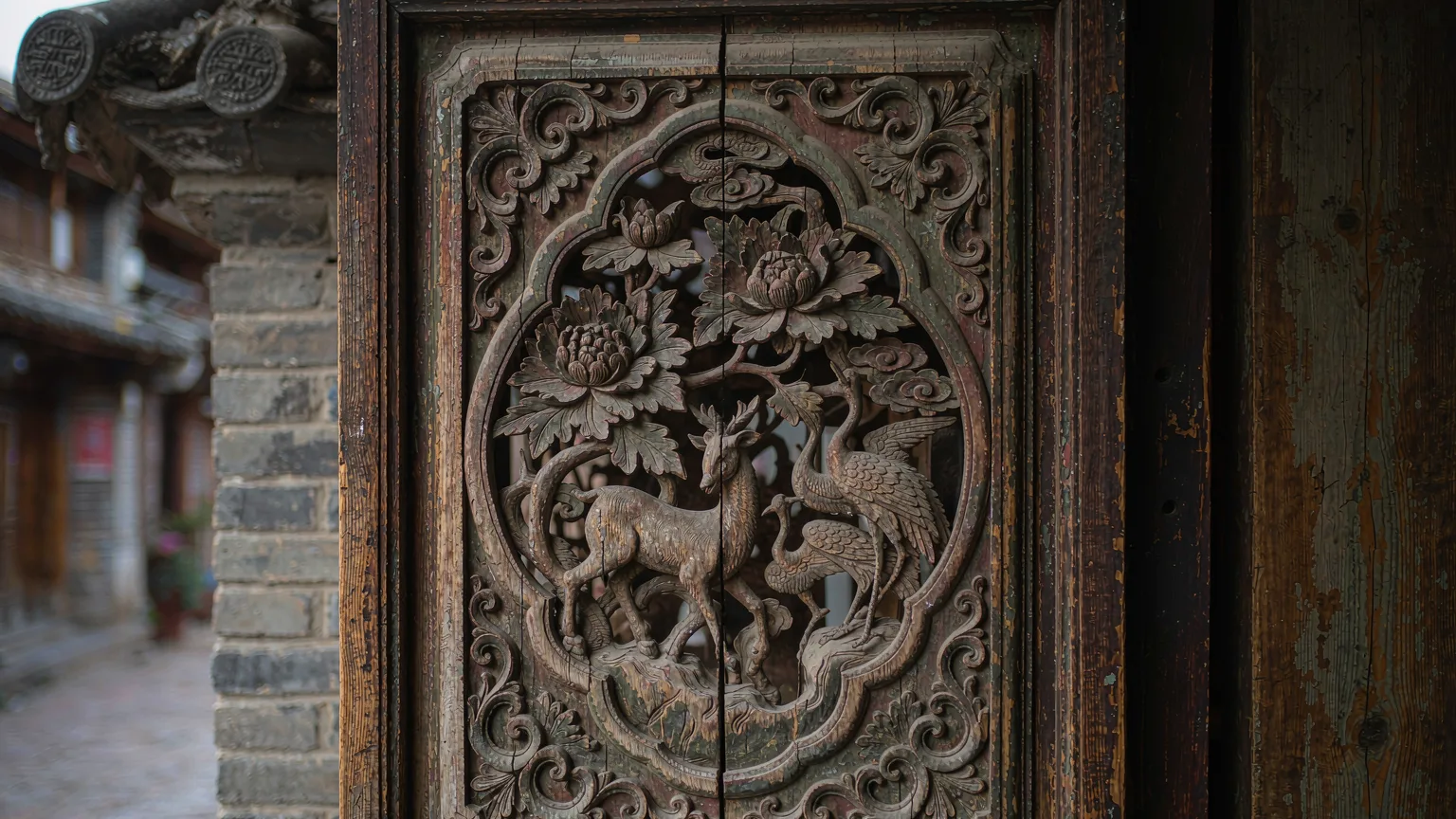
Today Shuhe is part of the UNESCO-listed Old Town of Lijiang World Heritage Site, yet it retains a village atmosphere that Dayan has largely lost. You'll find the 400-year-old Qinglong Bridge, the Dashiqiao (Big Stone Bridge), and the Jiuding Longtan temple complex, along with workshops selling handmade silver, leather and embroidery. Many original Naxi families still live here, and the pace is slower — perfect for travellers who want to understand Lijiang's history without the crowds. Our guides can arrange visits to local artisans and explain the symbolism behind the architecture.
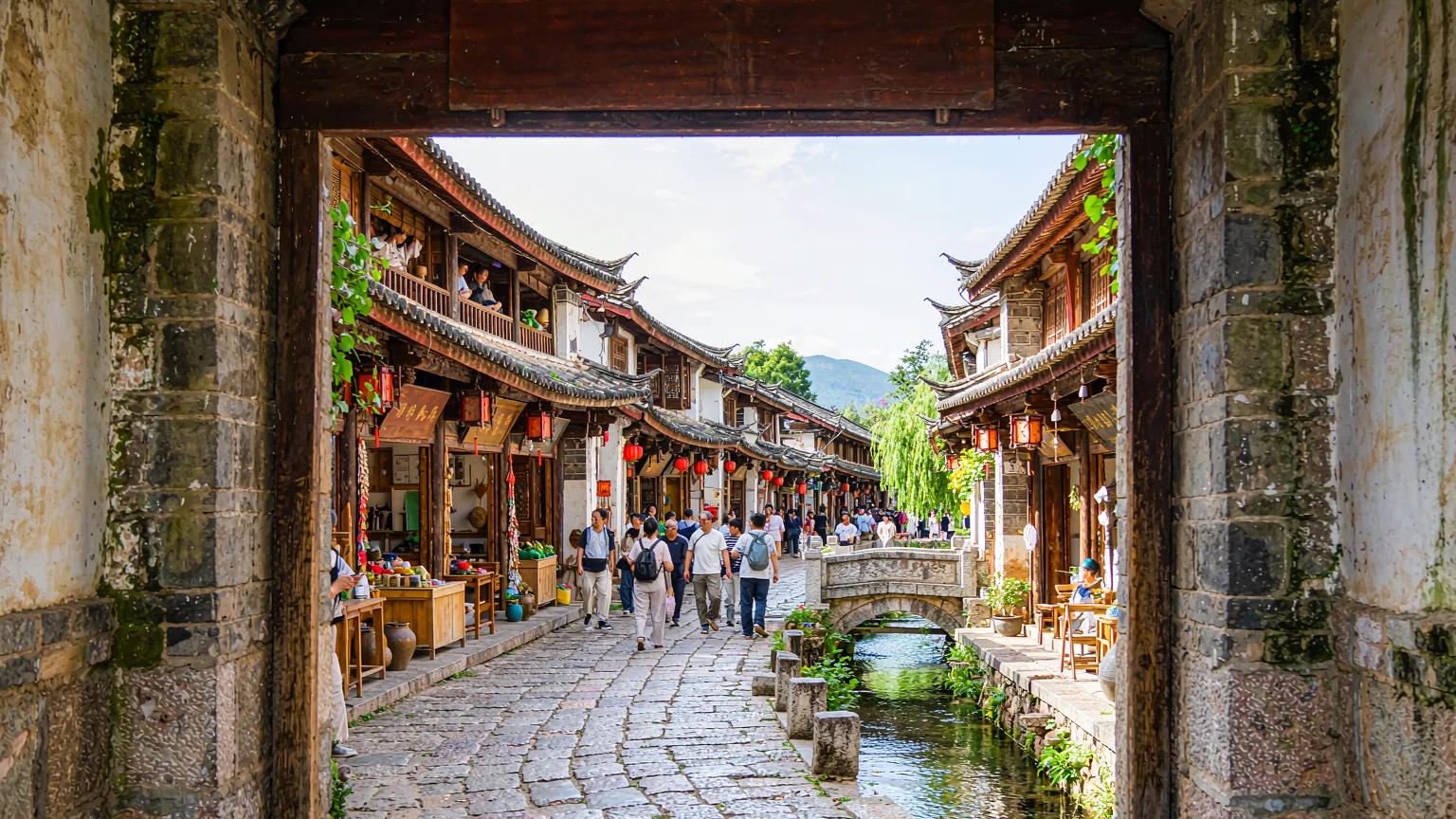
Shuhe is about 4 km northwest of Lijiang's Dayan Old Town. A taxi from Dayan takes 15–20 minutes and costs ¥20–30; from Lijiang Railway Station it's 30–40 minutes (¥40–50). Public bus No. 11 runs from Dayan to Shuhe for ¥1–2. Many travellers visit as a half-day trip, combining it with Baisha Village and Jade Dragon Snow Mountain. Our private driver-guide can pick you up from your Lijiang hotel and tailor the timing to avoid tour groups.
Entry to Shuhe Ancient Town is free, though some individual sites like the Jiuding Longtan Temple may charge a small fee (¥10–20). The town is open all day, but shops and temples typically operate 8:00–18:00. No advance booking is needed for entry. Bring cash or set up WeChat Pay/Alipay linked to an international card, as smaller vendors may not accept foreign credit cards.
The best time to visit is early morning (7:00–9:00) when the town is quiet, the light is soft and locals are going about their day. Spring (March–May) and autumn (September–November) offer clear skies and mild temperatures. Avoid Chinese public holidays like Golden Week (Oct 1–7) when domestic tourism peaks.
Yes, especially if you want a quieter, more authentic Naxi experience than Dayan. It's smaller but rich in history, with springs, temples and crafts, and it's only 15 minutes from Lijiang.
Two to three hours is enough to walk the main lanes and visit key sites. With a guide and a craft workshop, allow half a day. Many combine it with Baisha or Jade Dragon Snow Mountain.
No, entry to the town is free. Some temples or gardens may charge a small fee (¥10–20). You don't need to book in advance.
A taxi takes 15–20 minutes (¥20–30). Bus No. 11 is cheaper (¥1–2) but slower. A private guide with a car is the most convenient, especially if combining with other sights.
Tell us your dates, group size and preferences — a dedicated consultant will reach out within 24 hours.