
Guest — sign in to save your enquiries.
My account
The Shenzhen Museum tells the improbable story of a fishing village that became a megacity in forty years. Its two wings—ancient history and modern reform—sit beside Civic Center, easy to fold into any city day. With our private guide, you skip the guesswork and hear the context behind the artifacts, from Nantou's walls to the first stock exchange.
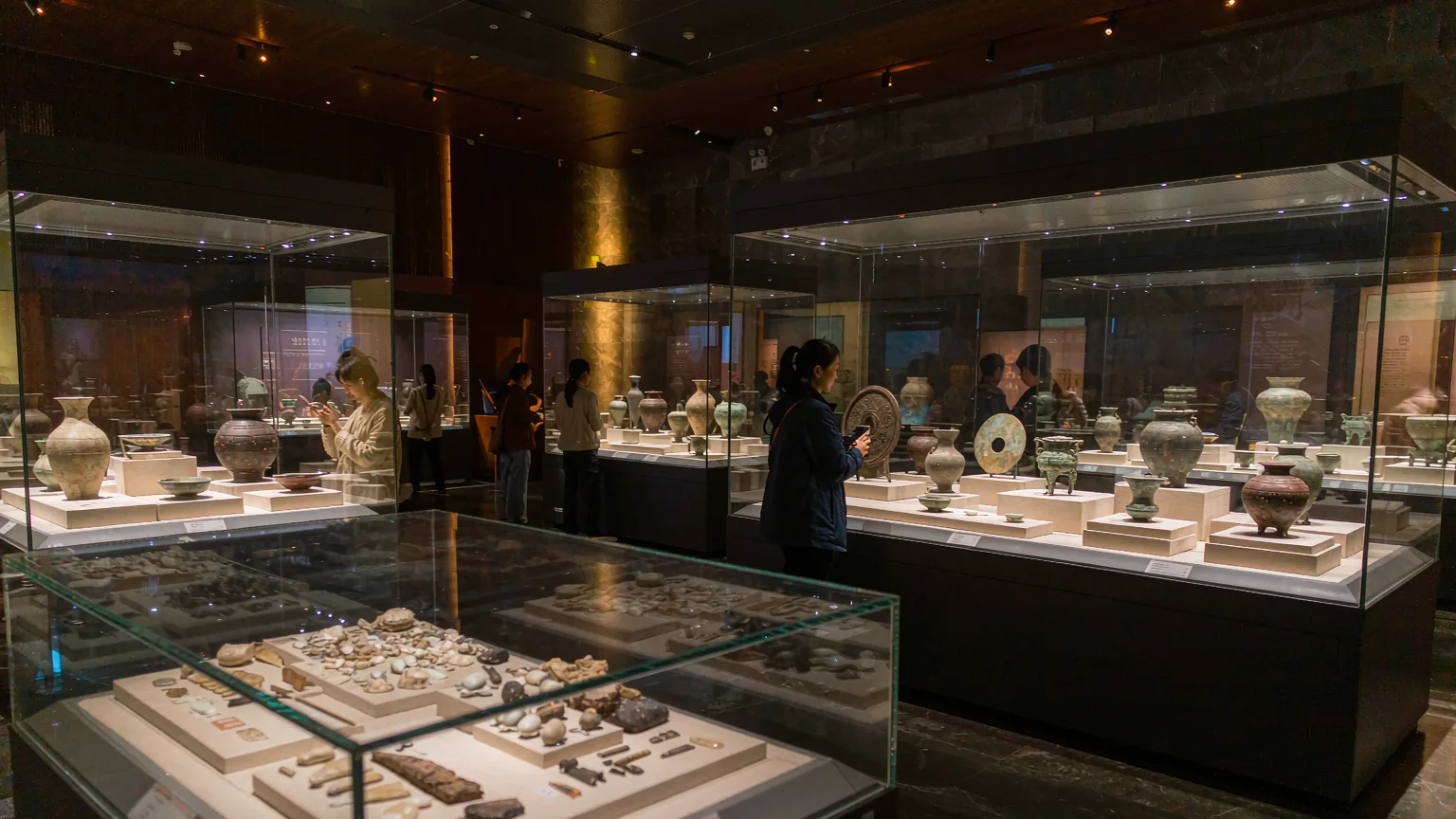
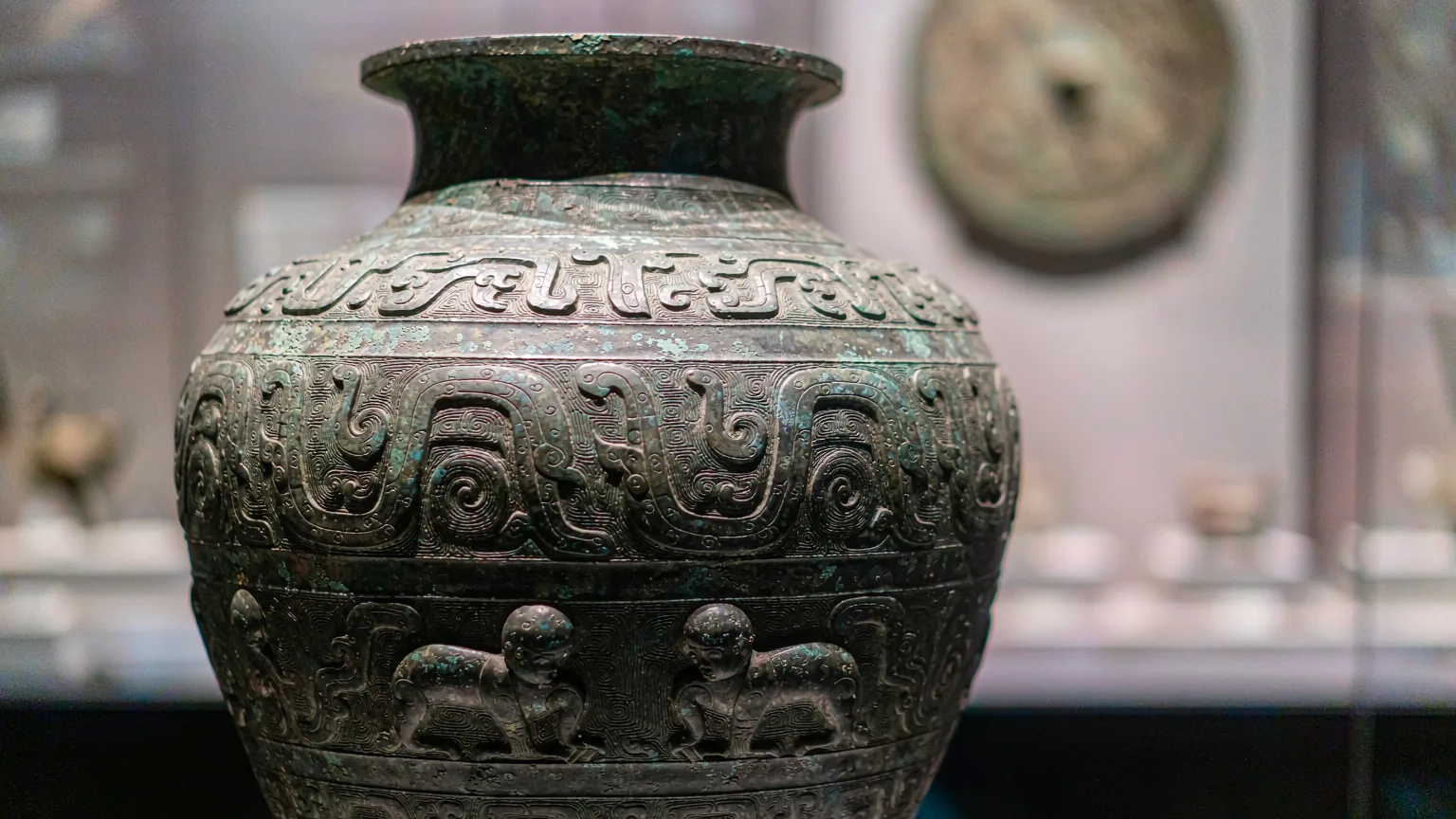
Founded in 1981 and now a 4A-rated institution, the Shenzhen Museum occupies two sites: the main building at Civic Center and the older Shenzhen Museum of Ancient Art on Tongxin Road. The Civic Center wing, opened in 2008, houses the permanent 'Ancient Shenzhen' and 'Modern Shenzhen' exhibitions. Its collection spans 30,000-plus objects, including Neolithic shell-midden tools, Han-dynasty tomb goods, and Hakka farm implements that trace settlement along the Pearl River Delta long before skyscrapers arrived.
The modern galleries are the real draw for many visitors: they document the 1979 designation of Shenzhen as China's first special economic zone, the arrival of Hong Kong capital, and the city's breakneck urbanization through photographs, documents, and scale models. Temporary shows often spotlight contemporary design and Cantonese folk culture. For a deeper dive, pair this with the Nantou Ancient Town site, where our guides can connect museum narratives to the actual streets and walls outside.
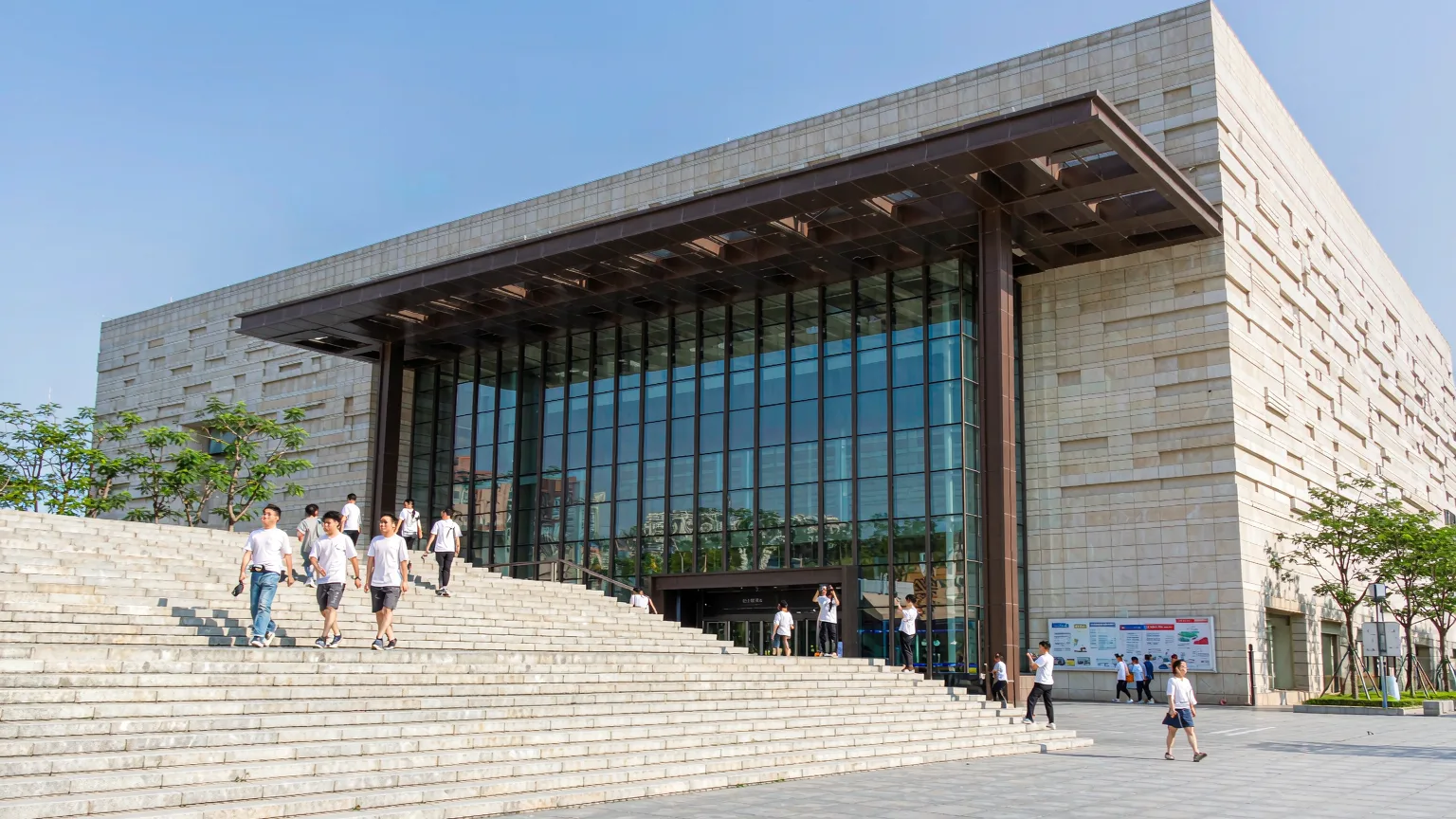
The museum sits on Fuzhong Road in Futian, directly beside Civic Center Station (Lines 2 and 4, Exit B). From Luohu or Futian border crossings, take the metro (about 20–30 minutes) or a 15-minute taxi. It pairs perfectly with a morning at Lianhuashan Park or an afternoon at the Shenzhen Library; our guide can meet you at your hotel and weave the museum into a half-day civic-center walk.
Free admission, though special exhibitions may charge ¥30–¥80. Open Tuesday to Sunday 10:00–18:00 (last entry 17:30), closed Mondays except public holidays. Book via the museum's WeChat account up to 7 days ahead; bring your passport. Foreign cards are rarely accepted at the door, so use WeChat Pay or Alipay linked to an international card for any paid shows.
Visit on a weekday morning, ideally Tuesday to Thursday, when school groups are fewer and the galleries are quiet. Avoid Chinese public holidays and July–August weekends. Late afternoon light through the Civic Center plaza makes for good exterior photos, but the museum itself is best experienced before the 15:00 crowd builds.
Yes, general admission is free. Some temporary exhibitions charge ¥30–¥80. You still need to reserve a timed slot online in advance, especially on weekends.
Not with our guide, who translates and explains the key exhibits. On your own, English signage is limited, so a translation app helps for the modern-history galleries.
Allow 1.5 to 2 hours for the main galleries. Add 30 minutes if a special exhibition interests you, or pair it with nearby Civic Center sights for a half-day.
Civic Center Station on Lines 2 and 4, Exit B, puts you at the museum's doorstep. It's a 20–30 minute ride from the Luohu or Futian border crossings.
Tell us your dates, group size and preferences — a dedicated consultant will reach out within 24 hours.