
Guest — sign in to save your enquiries.
My account
Hidden in a quiet valley between Dali and Lijiang, Shaxi Ancient Town is the last surviving market town on the Tea Horse Road. Its cobbled Sideng Street, lined with timber shophouses and a Ming-dynasty theatre stage, feels like a living museum. With our private guide, you skip the logistics and slip straight into its unhurried rhythm.
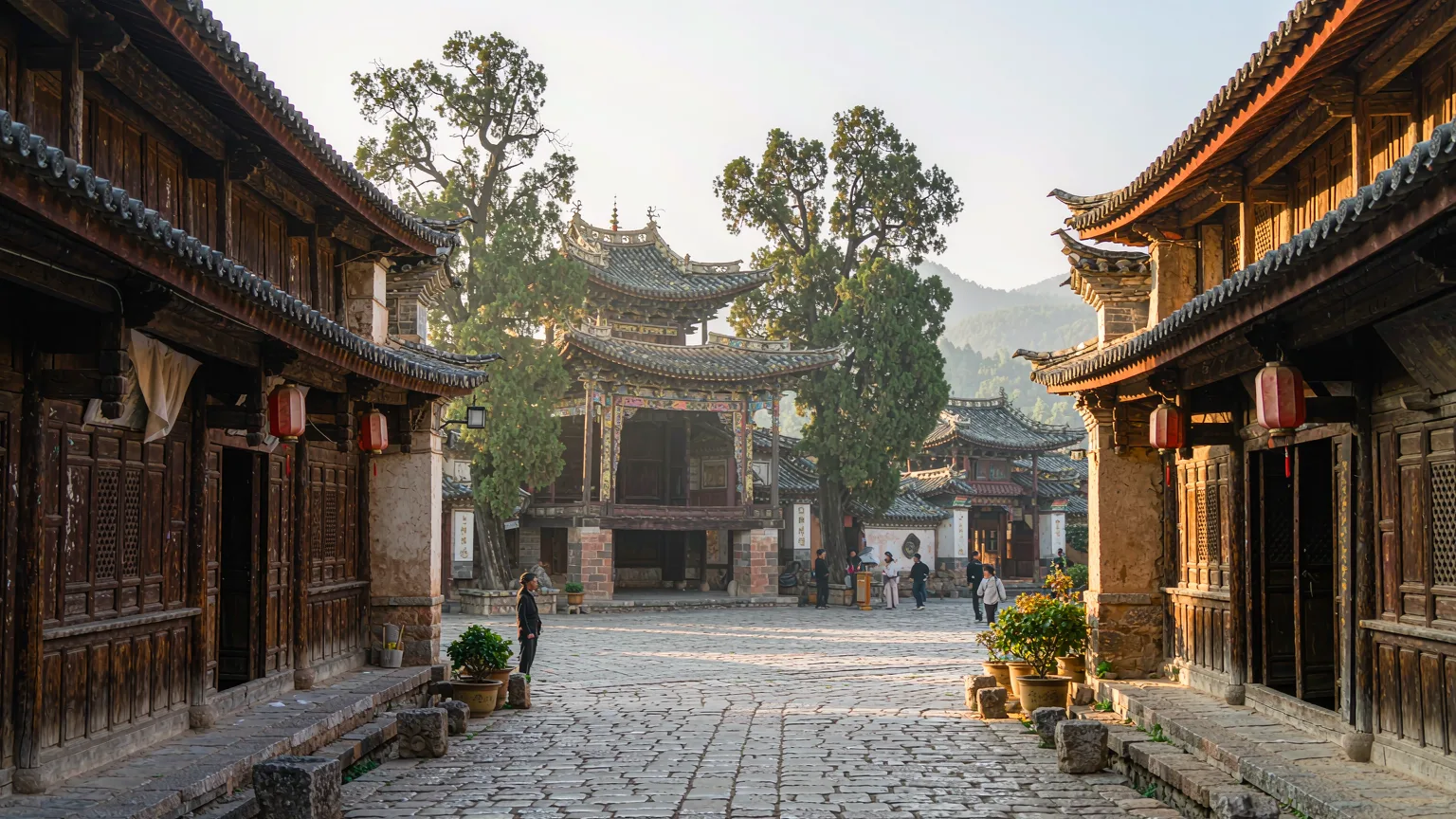
Shaxi was a vital trading post on the Tea Horse Road, where caravans carrying Pu'er tea from Xishuangbanna exchanged goods with Tibetan horse traders. The town's heart, Sideng Street, is a remarkably preserved ensemble of Bai architecture, anchored by the Xingjiao Temple. In 2001, the World Monuments Fund listed Sideng Street as one of the world's 100 most endangered sites, recognising its unique blend of indigenous, Han, and Tibetan influences. Restoration began in 2003 with support from the Swiss government, carefully reviving the old market square without turning it into a theme park.
Unlike the busier towns of Dali and Lijiang, Shaxi retains a genuine, lived-in atmosphere. Local Bai families still inhabit the traditional courtyards, and on Friday mornings the square hosts a weekly market where villagers from surrounding mountains trade produce and handicrafts. The town is compact and walkable, with the Heihui River running along its edge and the stone Yujin Bridge just a short stroll away. For travellers interested in history, architecture, or simply slowing down, Shaxi offers an authentic slice of Yunnan's past. Our guides can arrange a visit to the [Shaxi Ancient Theatre Stage](/attractions/shaxi-ancient-theatre-stage/) and explain its role in local opera traditions.
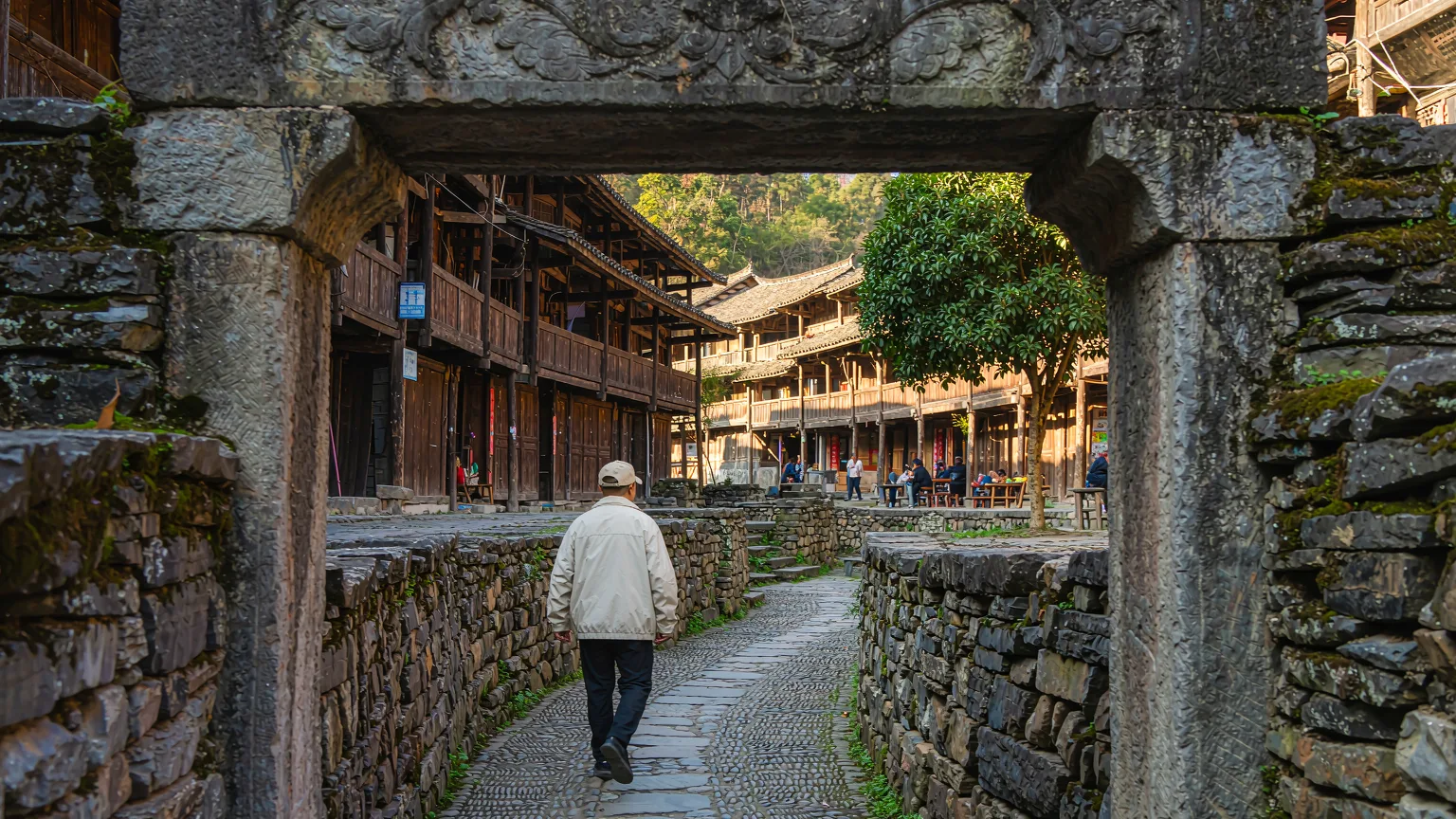
Shaxi is about 2 hours by private car from Dali (approx. 140 km) or 1.5 hours from Lijiang (approx. 100 km). Public buses run from Dali's Xiaguan bus station to Jianchuan, then a local minibus to Shaxi, but transfers are fiddly. We recommend a private transfer with our guide, which turns the journey into a scenic drive through Bai villages and pine forests. It slots easily into a day trip from Dali or as an overnight stop en route to Lijiang.
Entry to Shaxi Ancient Town is free; individual sites like Xingjiao Temple charge ¥20-30. The town is always open, but temple hours are roughly 8:00-18:00. No advance booking is needed for the town itself. Bring cash or use WeChat/Alipay, as foreign cards are rarely accepted in small shops. Our guide can handle any temple donations or local fees for you.
The best time to visit is during spring (March-May) or autumn (September-November), when the weather is mild and the surrounding countryside is at its most beautiful. Friday mornings are ideal if you want to experience the weekly market, but expect more crowds. For a quieter experience, visit on a weekday afternoon and stay until sunset, when the tour groups have left and the town returns to its peaceful self.
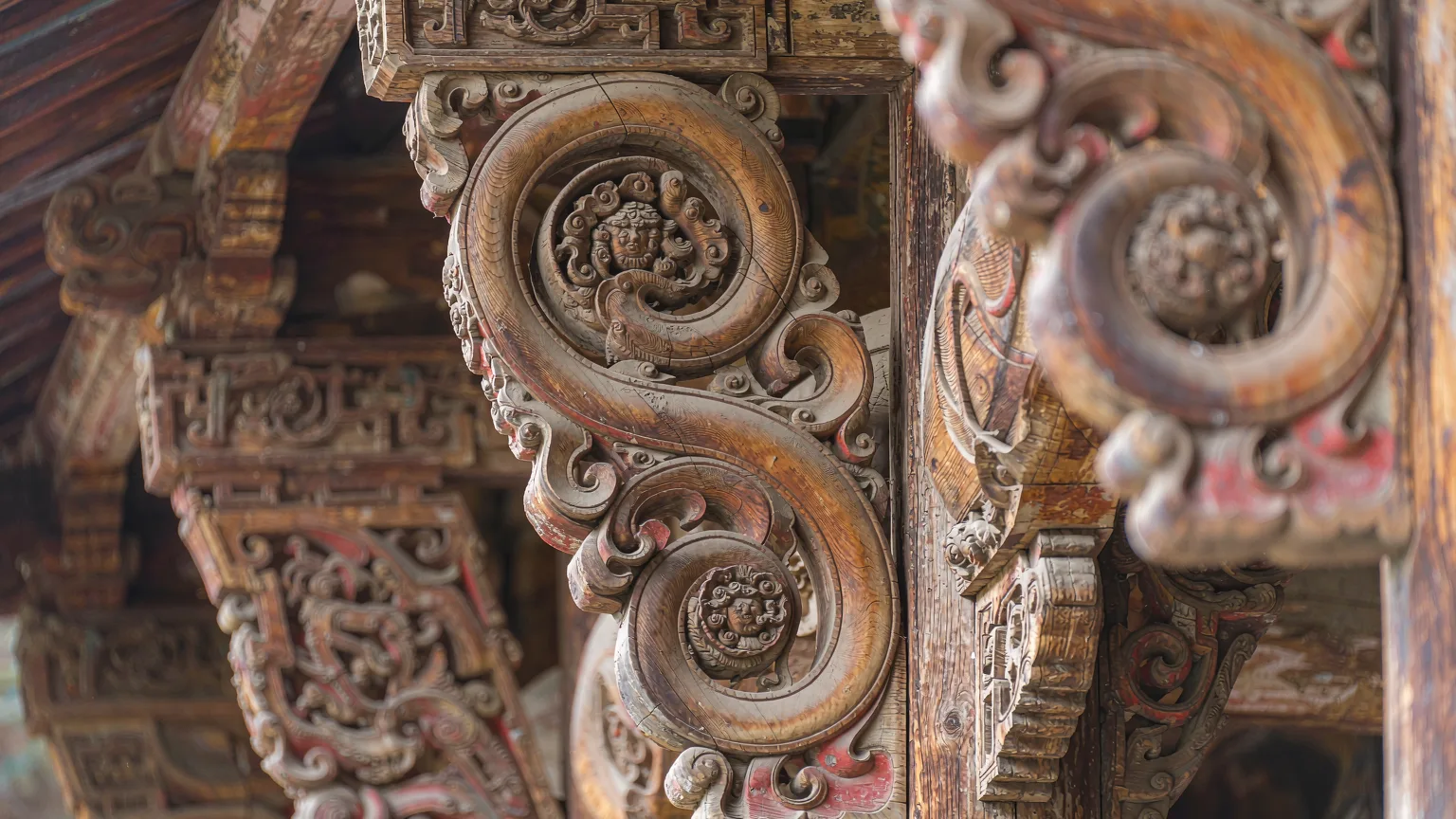
Absolutely. It offers a rare, authentic glimpse of Tea Horse Road history without the commercial crowds of Dali or Lijiang. Its well-preserved architecture and relaxed vibe make it a highlight for many travellers.
A half-day is enough to see the main sights, but staying one night allows you to enjoy the peaceful atmosphere and nearby countryside. We recommend at least 4-5 hours.
Signage is limited, and few locals speak English. Our private guides provide full interpretation and context, ensuring you don't miss the stories behind the buildings.
Yes, it's possible with a private car, but it makes for a long day. Many travellers prefer to combine it with an overnight stay or en route to Lijiang for a more relaxed experience.
Tell us your dates, group size and preferences — a dedicated consultant will reach out within 24 hours.