
Guest — sign in to save your enquiries.
My account
Shaolin Temple is the birthplace of Chan Buddhism and the legendary home of kung fu, tucked beneath the Songshan mountains near Dengfeng. For over 1,500 years, monks here have practiced meditation and martial arts, leaving a legacy of stone pagodas, ancient halls, and living tradition. With our private guide, you'll navigate the sprawling complex, understand its spiritual and martial significance, and witness authentic training without the guesswork.
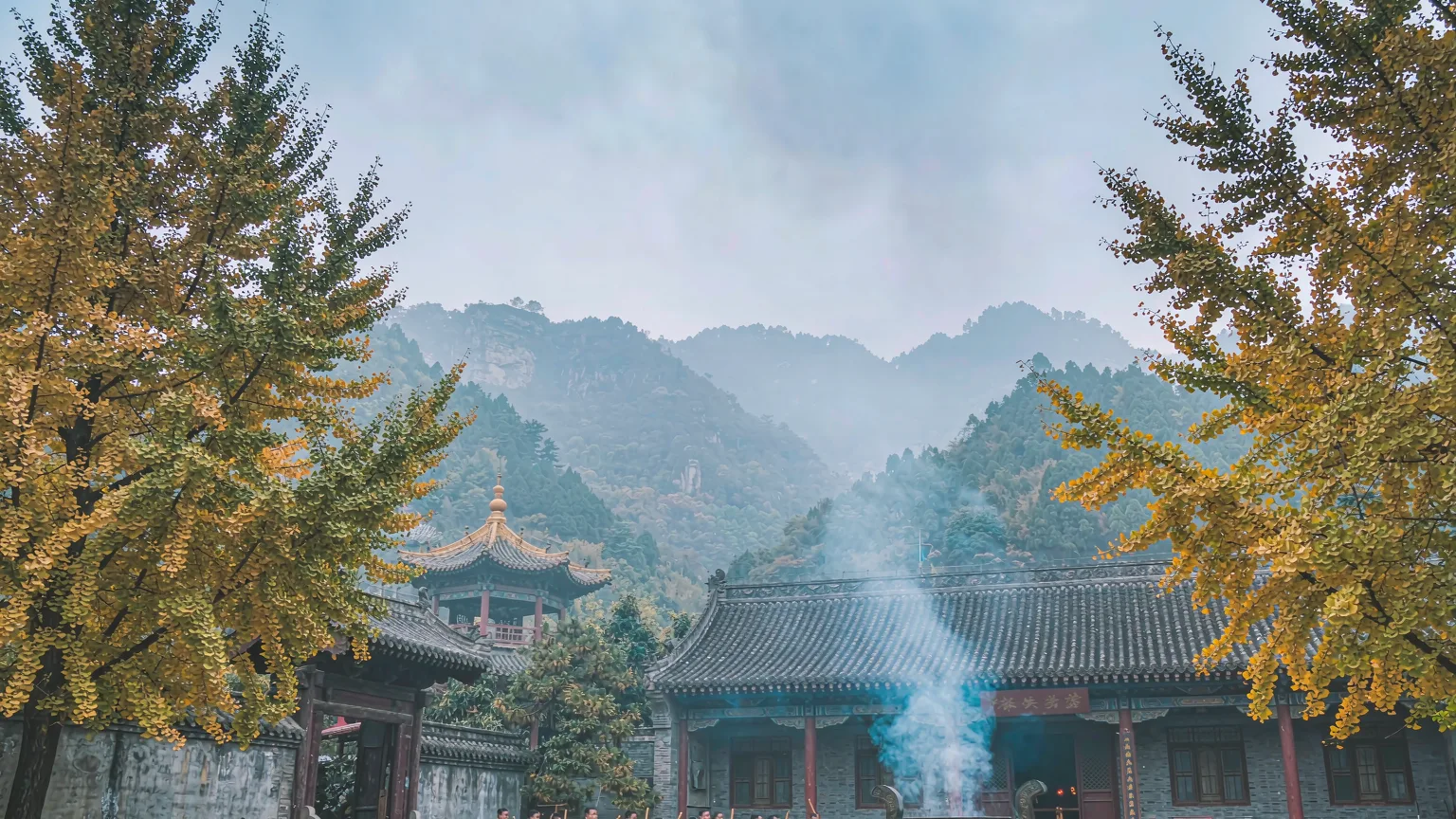
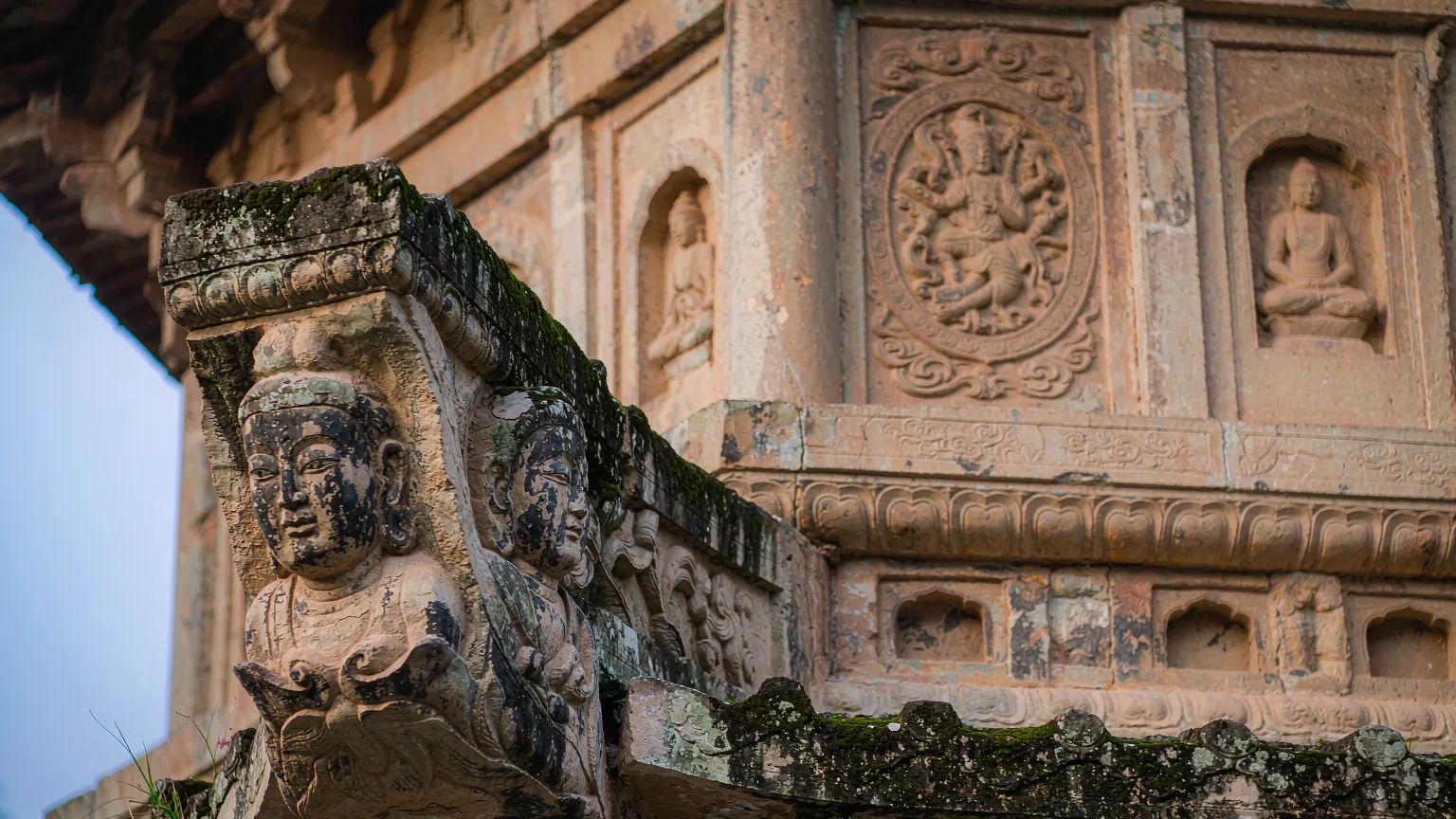
Founded in 495 AD by the Northern Wei emperor, Shaolin Temple became the cradle of Chan (Zen) Buddhism when the Indian monk Bodhidharma meditated in a nearby cave for nine years. Legend says he also introduced exercises that evolved into Shaolin kung fu. Through dynasties, the temple grew into a vast monastic complex, its warrior monks occasionally fighting for emperors. The famous Pagoda Forest, with over 240 brick and stone pagodas, serves as the burial site for eminent abbots and offers a timeline of Chinese architecture from Tang to Qing.
Today, Shaolin is both a working monastery and a major cultural site. The temple grounds include the main halls, the Dharma Hall, and the Thousand Buddha Hall, whose floor bears deep depressions from centuries of martial practice. Monks still train daily, and visitors can watch demonstrations of kung fu, including the infamous 'one-finger Zen' and animal-style forms. The surrounding Songshan range is a UNESCO Global Geopark, and the entire area is a pilgrimage for martial arts enthusiasts and spiritual seekers alike.
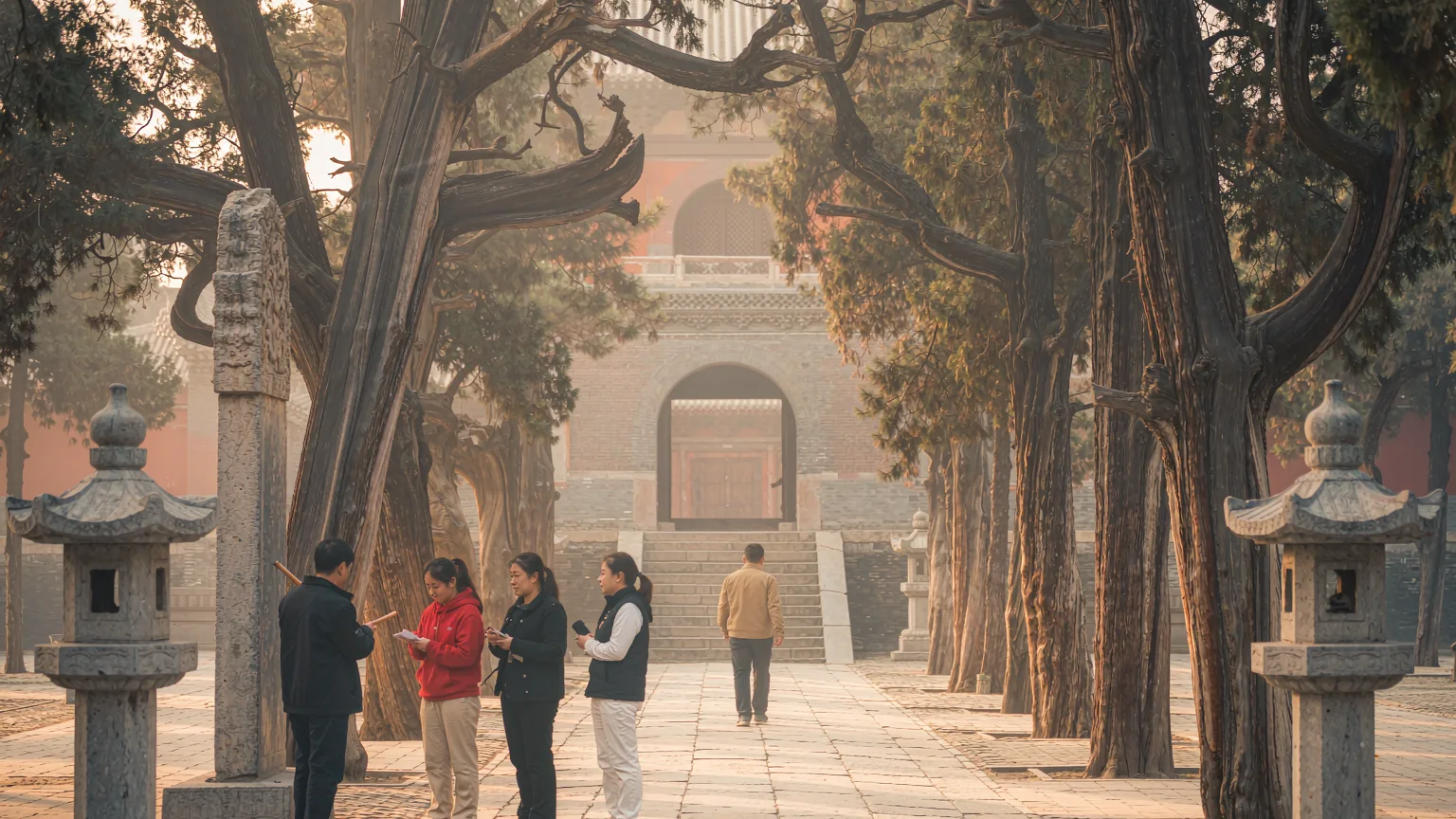
From Zhengzhou, take a high-speed train to Dengfeng (about 30 minutes), then a taxi to the temple (20 minutes). Alternatively, direct buses run from Zhengzhou's central bus station. Most travellers visit as a day trip from Zhengzhou or Luoyang, combining it with the nearby Longmen Grottoes. Our private guide can arrange seamless transfers and timed entry to avoid the largest crowds.
Admission: ¥80 (includes temple and Pagoda Forest). Kung Fu shows: ¥30-¥60. Opening hours: 8:00-17:30 (peak season), 8:00-17:00 (off-peak). Book via official WeChat account or Trip.com; foreign cards accepted on Trip.com, but WeChat Pay/Alipay linked to an international card works at ticket counters.
Visit in spring (April-May) or autumn (September-October) for mild weather and fewer crowds. Early morning (8:00-9:00) is ideal to see monks training and avoid tour groups. Avoid Chinese public holidays, especially Golden Week (Oct 1-7), when the site is packed.
Yes, monks train daily in the temple grounds, and there are scheduled demonstrations. Our guide can arrange the best times to watch authentic practice.
Allow 3-4 hours to explore the main temple, Pagoda Forest, and watch a kung fu show. Add extra time if you hike to Bodhidharma Cave.
Absolutely. Signage is in English, and our guides provide context. Tickets can be purchased with international cards via Trip.com or at the gate.
Modest clothing is respectful; cover shoulders and knees. Comfortable shoes are essential for walking and climbing stairs.
Tell us your dates, group size and preferences — a dedicated consultant will reach out within 24 hours.