
Guest — sign in to save your enquiries.
My account
Shamian Island is a leafy, car-free enclave of 19th-century European architecture on the Pearl River, once the British and French concession in Guangzhou. Its tree-lined avenues, colonial villas, and riverfront promenades offer a tranquil escape from the city's bustle. With our private guide, you'll uncover the stories behind each building and experience the island's unique blend of history and romance effortlessly.
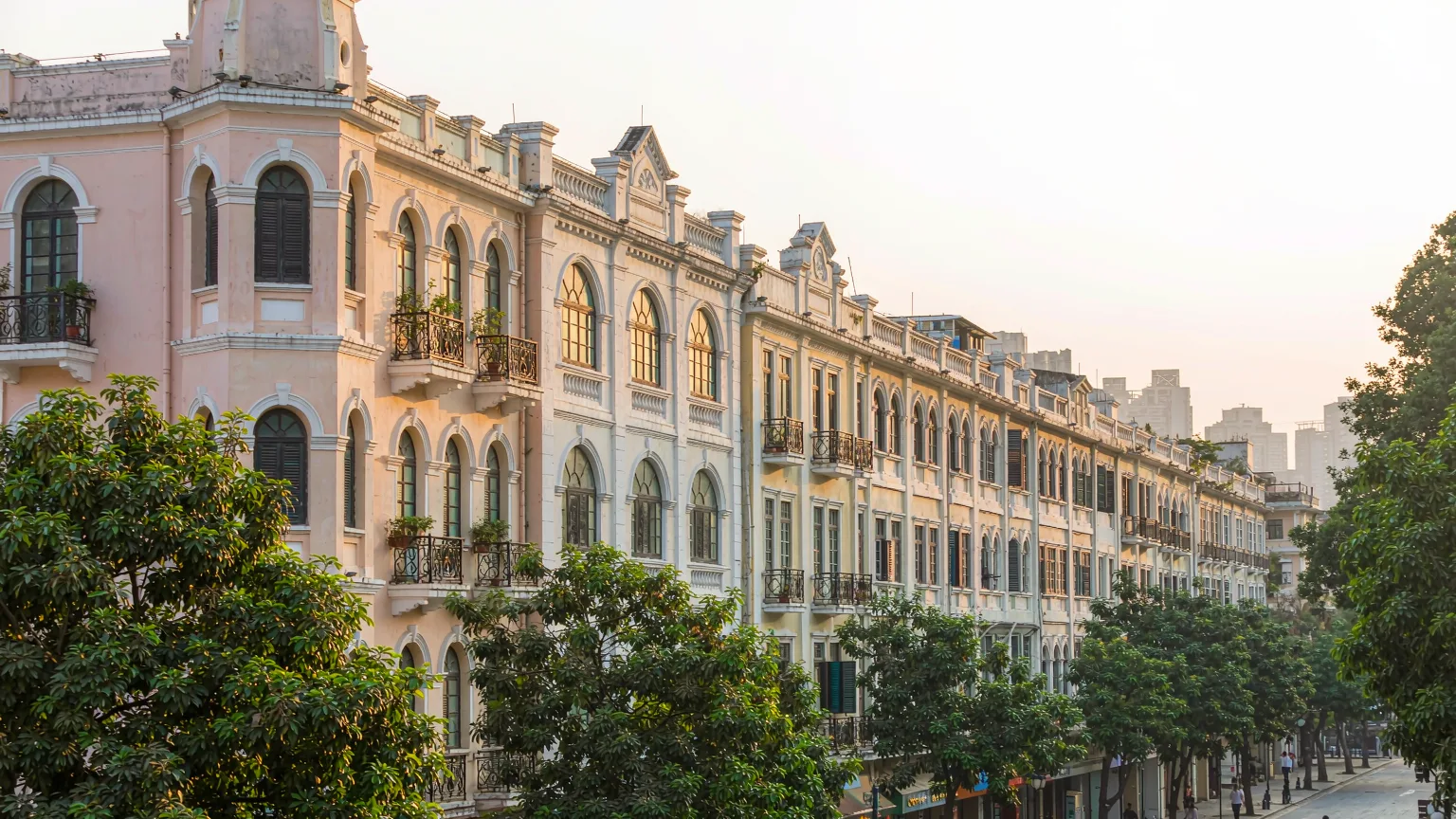
Shamian Island, known as Shameen in older English texts, was a sandbank that became a concession for British and French traders after the Second Opium War in 1861. For nearly a century, it served as a foreign enclave with its own laws, churches, consulates, and banks. The architecture reflects a mix of Victorian, Neoclassical, and Art Deco styles, and many buildings have been meticulously restored. Today, it's a peaceful pedestrian area that offers a glimpse into Guangzhou's colonial past and its role as a treaty port.
The island is divided by a central canal, with the British concession to the north and the French to the south. Key landmarks include the Our Lady of Lourdes Chapel, the former British Consulate, and the Guangdong Foreign Affairs Office. The island is also home to the White Swan Hotel, a landmark itself. As you stroll, you'll notice banyan trees and flower beds that add to the charm. Our guides can point out architectural details and share anecdotes about the foreign merchants and diplomats who once lived here.
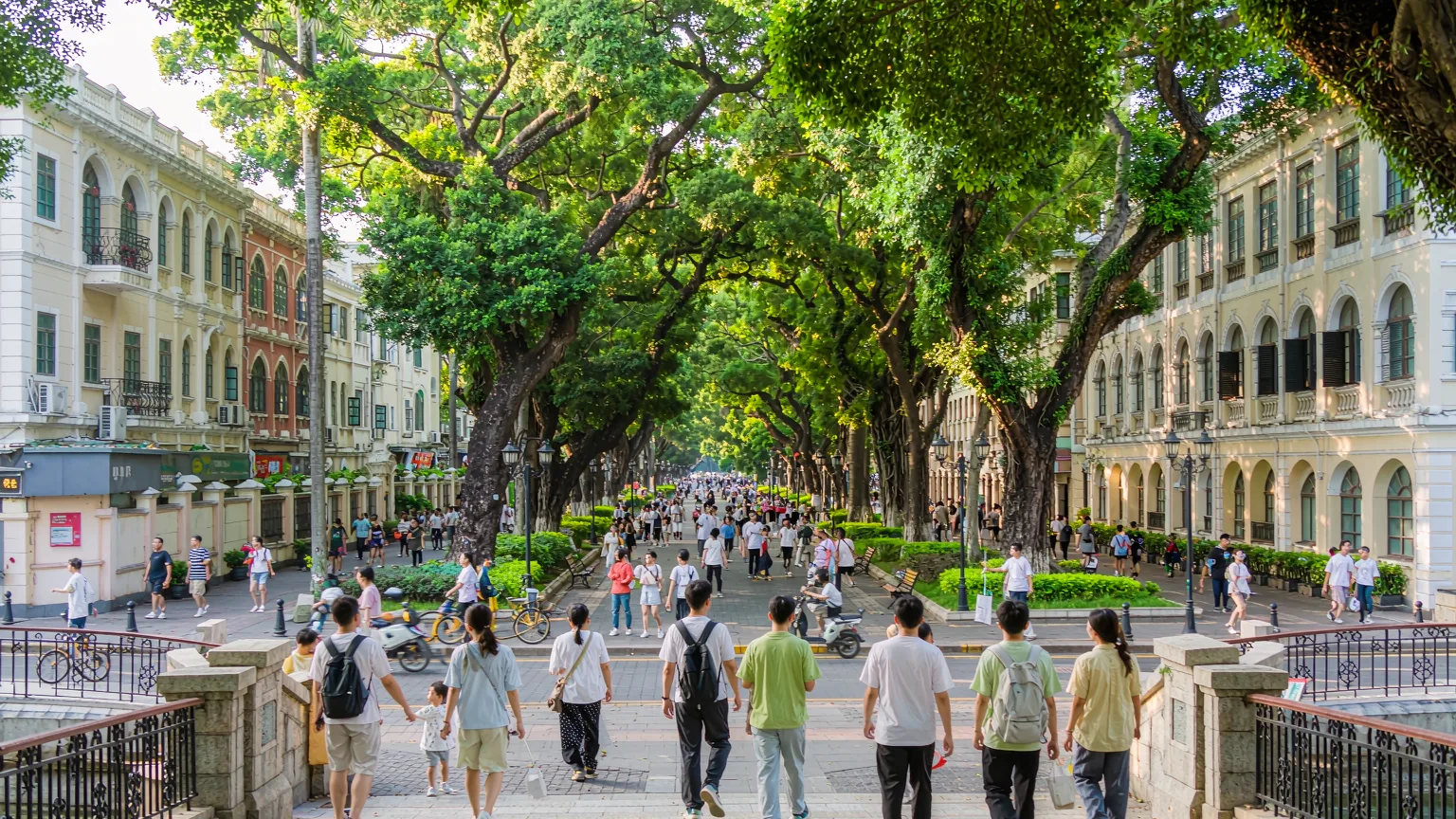
Shamian Island is easily reached by metro: take Line 1 or 6 to Huangsha Station, Exit F, and walk 5 minutes across the footbridge. Alternatively, a taxi from central Guangzhou takes about 20 minutes. It's best visited as a half-day trip, combined with nearby attractions like the Chen Clan Ancestral Hall or Qingping Market. Our guide can arrange seamless transfers and tailor the visit to your interests.
Entry to Shamian Island is free. Opening hours are 24/7, though individual buildings like the chapel have specific hours (typically 8:00-17:30). No booking is required, but for guided tours, we recommend reserving in advance. Payments on the island are mostly via WeChat Pay or Alipay; foreign cards are accepted at some larger establishments, but carry cash for small vendors.
The best time to visit is during the cooler months from October to December, when the weather is pleasant for walking. Early morning or late afternoon offers softer light for photography and fewer crowds. Avoid weekends and Chinese public holidays if you prefer a quieter experience.
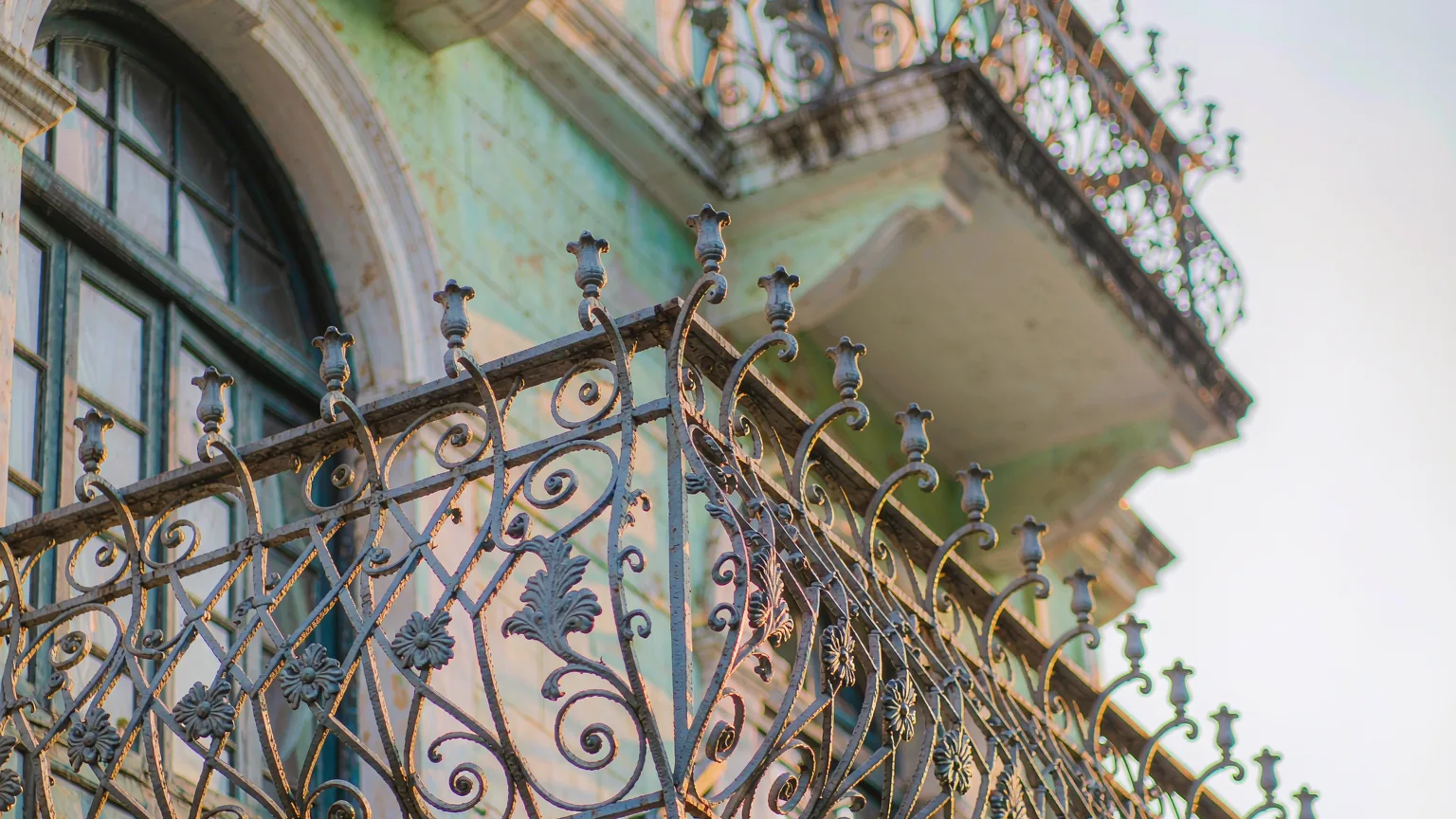
Yes, it offers a unique blend of history, architecture, and tranquility. It's a refreshing contrast to Guangzhou's modern skyline and bustling streets, perfect for a leisurely stroll.
Most visitors spend 2-3 hours walking around, taking photos, and perhaps stopping for coffee. With a guide, you can delve deeper into the history in about half a day.
Yes, there are several cafes and restaurants, including the White Swan Hotel's dining options. They cater to various tastes, from Cantonese to Western cuisine.
While you can explore independently, a guide brings the history to life with stories and context, and can help navigate the area efficiently, especially if you're short on time.
Tell us your dates, group size and preferences — a dedicated consultant will reach out within 24 hours.