
Guest — sign in to save your enquiries.
My account
The Pamir Plateau, known as the Roof of the World, is a high-altitude realm of snow-capped peaks, sapphire lakes, and nomadic Kyrgyz culture. Just a few hours from Kashgar, it offers some of the most dramatic scenery in China, including the mighty Muztagh Ata and the serene Karakul Lake. With our private guide, you'll navigate permits, altitude, and long drives effortlessly, allowing you to fully absorb the majesty of this remote frontier.
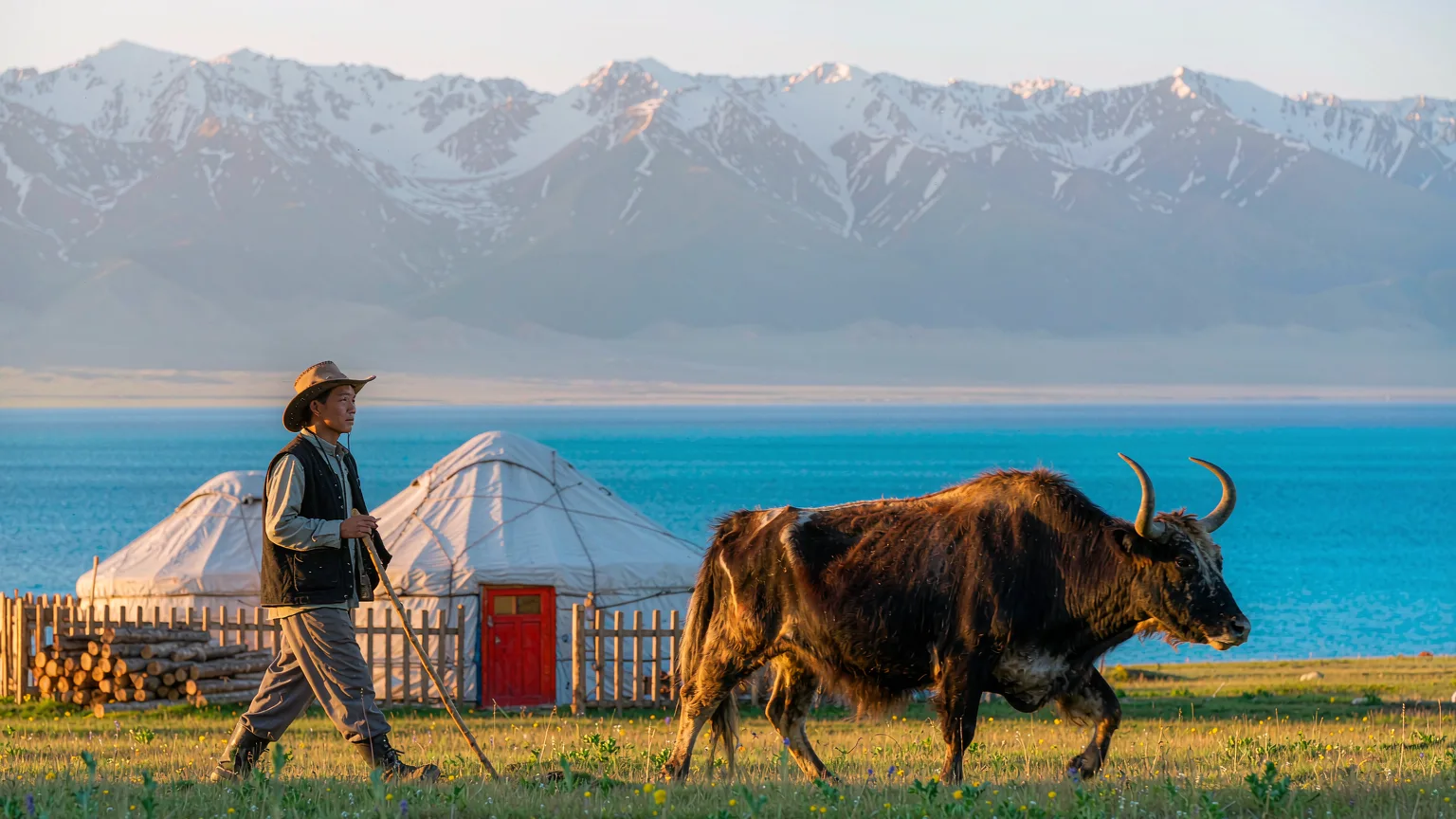
The Pamir Plateau straddles the borders of Tajikistan, Afghanistan, Pakistan, and China's Xinjiang Uyghur Autonomous Region. Its Chinese section, administered as part of Kashgar Prefecture, is a land of extreme contrasts: barren, rocky deserts at 3,000 meters give way to glaciers and 7,000-meter peaks. For centuries, the Pamir was a crucial segment of the Silk Road, linking China with Central Asia, and its high passes were traversed by caravans, monks, and armies. Today, the region is home to Kyrgyz herders who seasonally move their yurts and livestock across these vast pastures, preserving a way of life that has endured for generations.
The crown jewel of the Chinese Pamir is Muztagh Ata (7,509 m), a massive, dome-shaped peak that is one of the easiest 7,000-meter mountains to climb, attracting mountaineers from around the world. Below it lies Karakul Lake, a stunning alpine lake that reflects the surrounding peaks and offers a glimpse into the lives of the Kyrgyz families who live along its shores. The plateau is also dotted with other lakes, such as White Sand Lake and the lesser-visited Kalakul Lake, each with its own unique charm. The region's high altitude (most of the plateau is above 3,000 meters) means that visitors should acclimatize properly, but the rewards are immense: sweeping vistas, unique wildlife like marmots and yaks, and a sense of isolation that is increasingly rare.
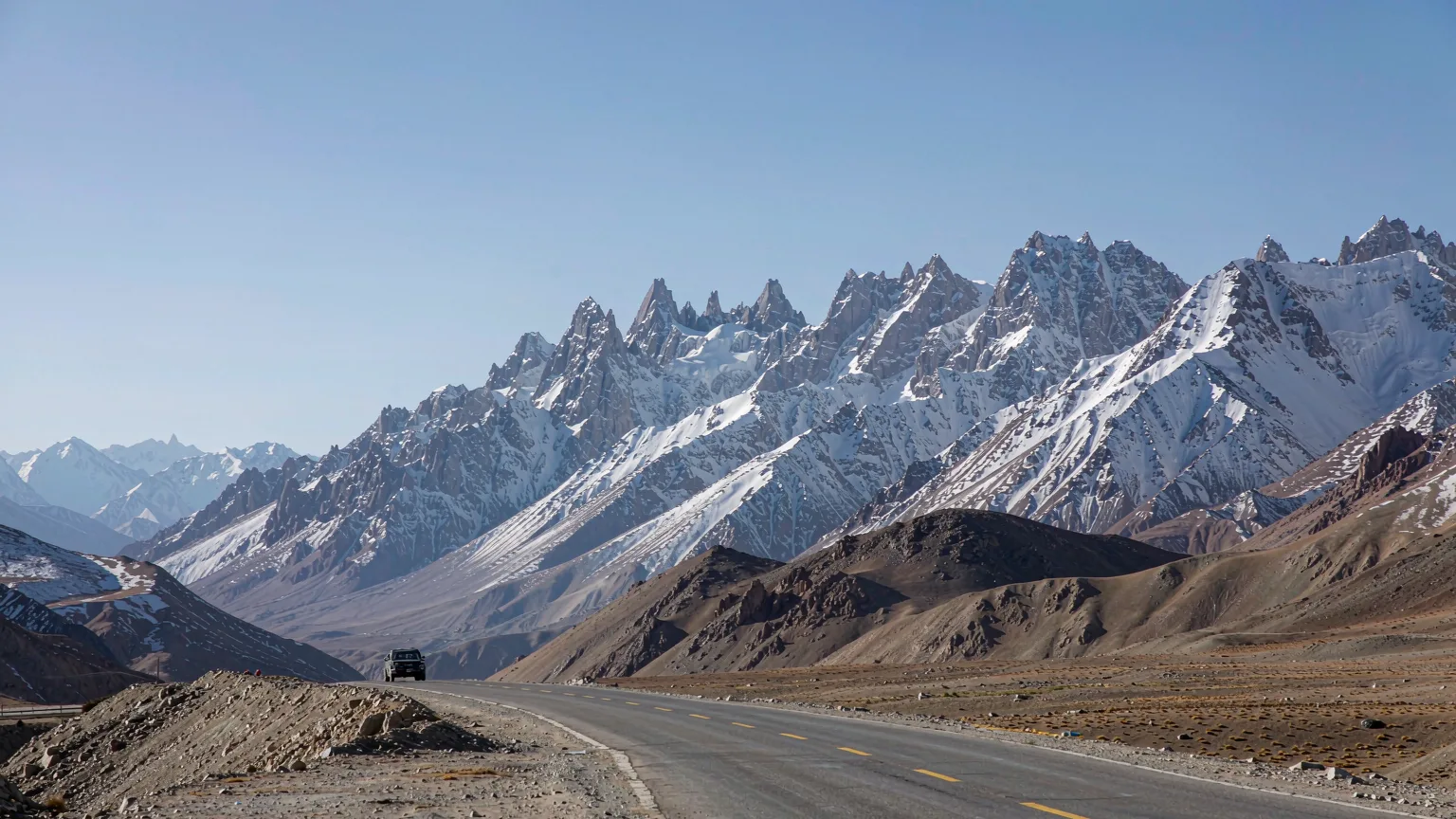
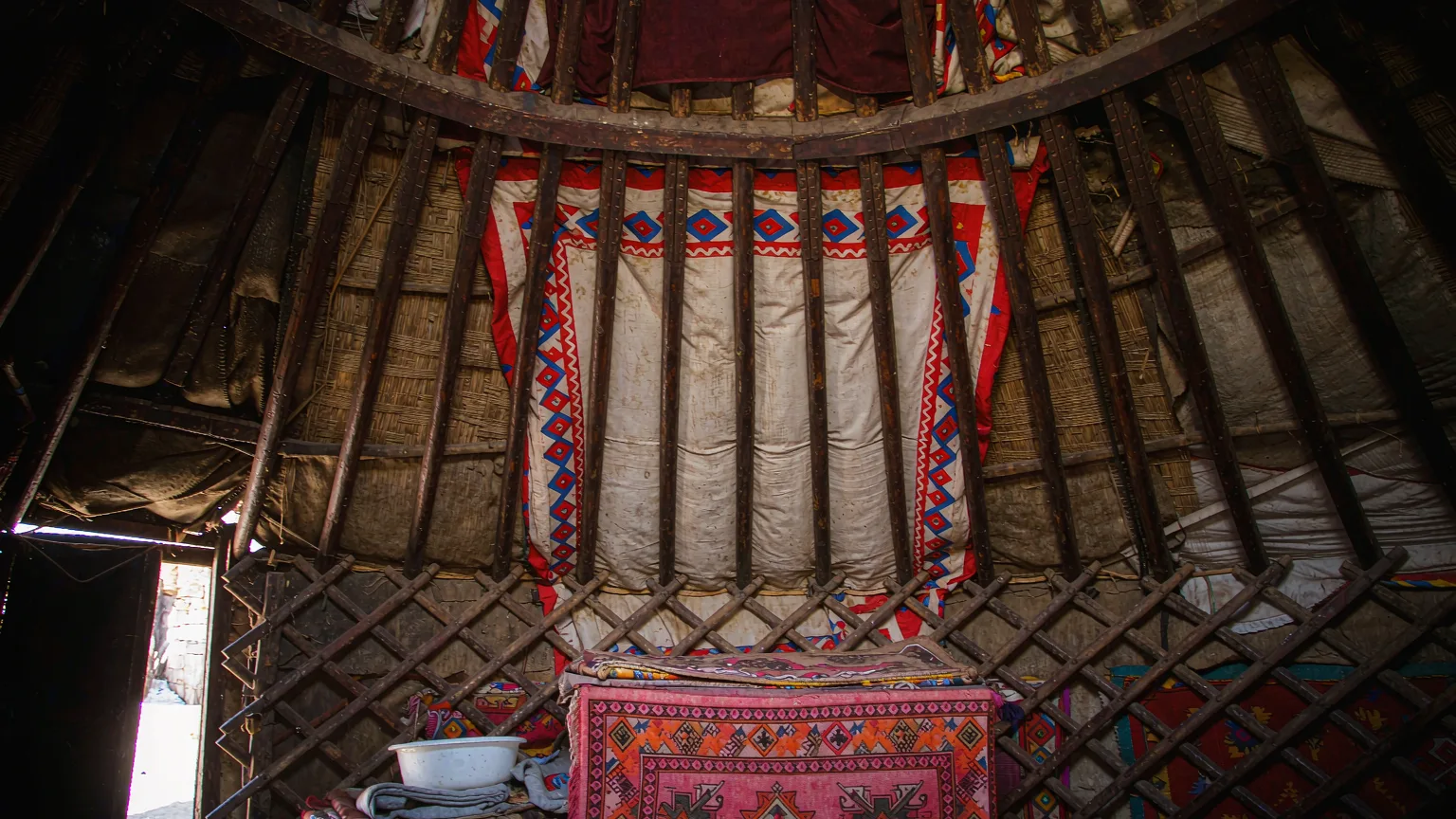
From Kashgar, the Pamir Plateau is accessed via the Karakoram Highway (G314), a spectacular drive of about 4-5 hours to Karakul Lake. Most travelers hire a private vehicle with a driver-guide, as public transport is limited. Our private tours include hotel pickup in Kashgar and all necessary permits. The journey can be done as a long day trip, but we recommend an overnight stay in a yurt or guesthouse to acclimatize and enjoy the star-filled skies. The drive itself is an attraction, with stops at Opal Village, Red Canyon, and White Sand Lake.
There is no single ticket for the entire Pamir Plateau; instead, individual sites charge entry fees. Karakul Lake: ¥50 per person; White Sand Lake: ¥40; Muztagh Ata Glacier Park: ¥160 (including shuttle bus). Opening hours are generally from 9:00 AM to 6:00 PM, but some areas are accessible 24 hours. We recommend booking through a tour operator to handle permits and payments; foreign credit cards are not accepted at these remote sites, so bring enough cash (CNY) or use WeChat Pay/Alipay if you have a Chinese bank account.
The best time to visit the Pamir Plateau is from May to October, when the weather is mildest and the roads are clear. July and August offer the warmest temperatures and lush pastures, but also the most tourists. For fewer crowds and stunning autumn colors, visit in September or early October. Early morning and late afternoon provide the best light for photography, especially at Karakul Lake when the peaks reflect on the calm water. Avoid winter, as many roads are closed due to snow.
Yes, foreign travelers need a border permit for some areas, especially near the Tajikistan border. We can arrange this as part of your tour, typically requiring your passport details a few days in advance.
Yes, as most of the plateau is above 3,000 meters. We recommend spending a night in Kashgar first, staying hydrated, and avoiding strenuous activity on your first day at high altitude.
It's possible but rushed. The drive to Karakul Lake takes 4-5 hours each way, leaving little time to explore. We suggest an overnight stay to fully appreciate the scenery and culture.
Dress in layers. Even in summer, temperatures can range from 25°C during the day to near freezing at night. A windproof jacket, sun hat, sunglasses, and sturdy shoes are essential.
Tell us your dates, group size and preferences — a dedicated consultant will reach out within 24 hours.