
Guest — sign in to save your enquiries.
My account
The Old Summer Palace (Yuanmingyuan) was once the 'Garden of Gardens', a breathtaking complex of palaces, lakes and pavilions that surpassed even the Forbidden City in splendour. Today its tranquil ruins—crumbled stone columns reflected in lotus ponds—tell a poignant story of imperial ambition and 19th-century destruction. Our private guides bring the site to life, navigating its vast grounds so you grasp both its beauty and its historical weight without missing a thing.
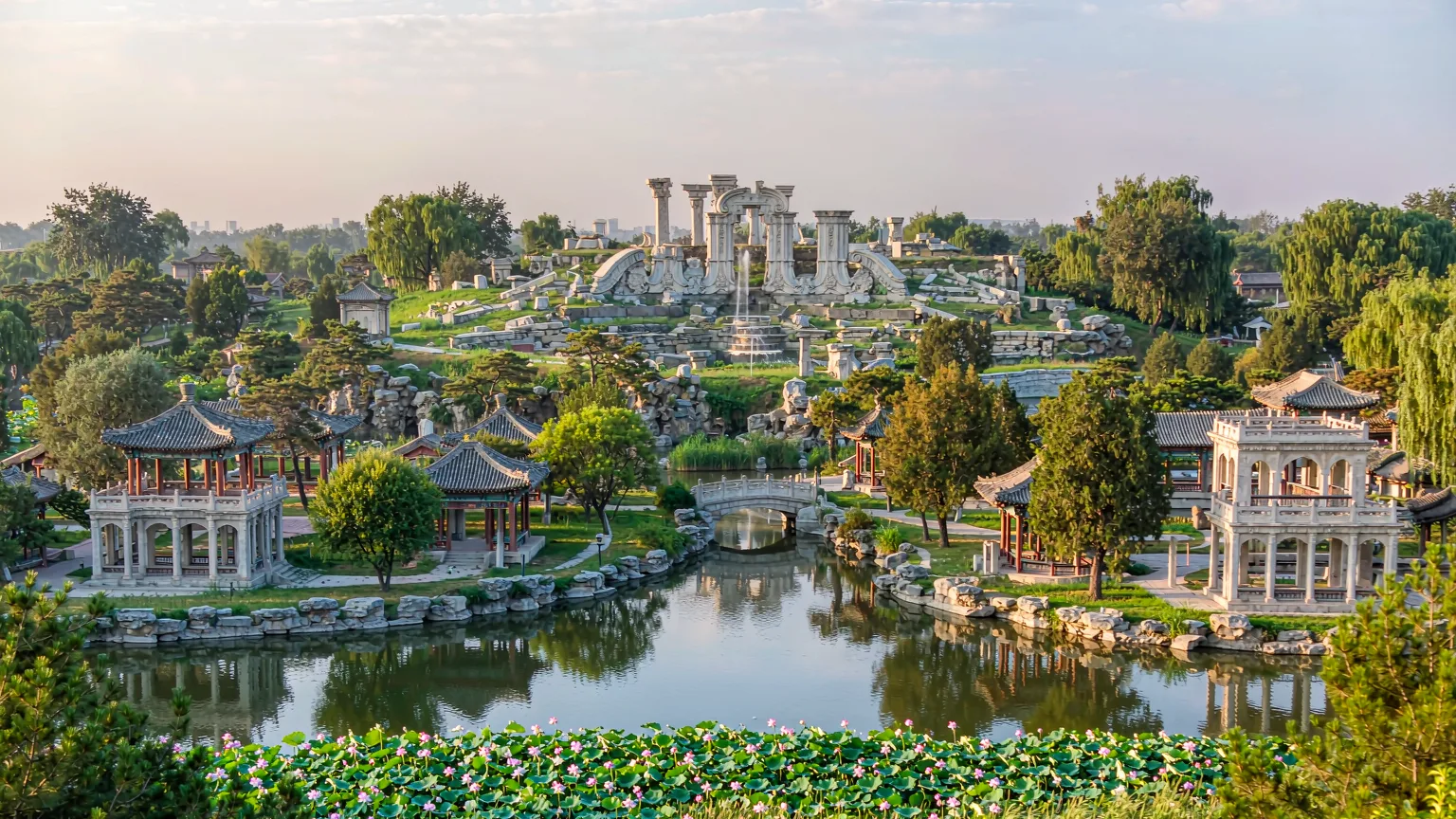
Constructed in the 18th century under the Qing dynasty, the Old Summer Palace was a sprawling royal retreat where emperors escaped the Forbidden City's formality. It combined Chinese landscape design with European-style palaces, fountains and mazes, earning the admiration of Jesuit missionaries and foreign envoys. The complex covered over 350 hectares, with hundreds of buildings, artificial hills, and waterways. It was a masterpiece of garden art, but its glory ended abruptly in 1860 when British and French troops, during the Second Opium War, looted and burned it. The ruins became a symbol of national humiliation and foreign aggression, and today the site is preserved as a memorial and patriotic education base.
Visitors to the Old Summer Palace can explore three distinct areas: the main palace ruins, the serene lakes and gardens, and the European-style ruins in the northwest. The most iconic sight is the Dashuifa (Grand Waterworks) ruins, with its towering stone columns that once supported a fountain. The park is also a popular spot for locals to relax, especially during the lotus season. Our guides can help you navigate the extensive grounds, pointing out hidden details and sharing stories that bring the past to life. Whether you're a history buff or simply seeking a peaceful escape, the Old Summer Palace offers a unique blend of beauty and melancholy.
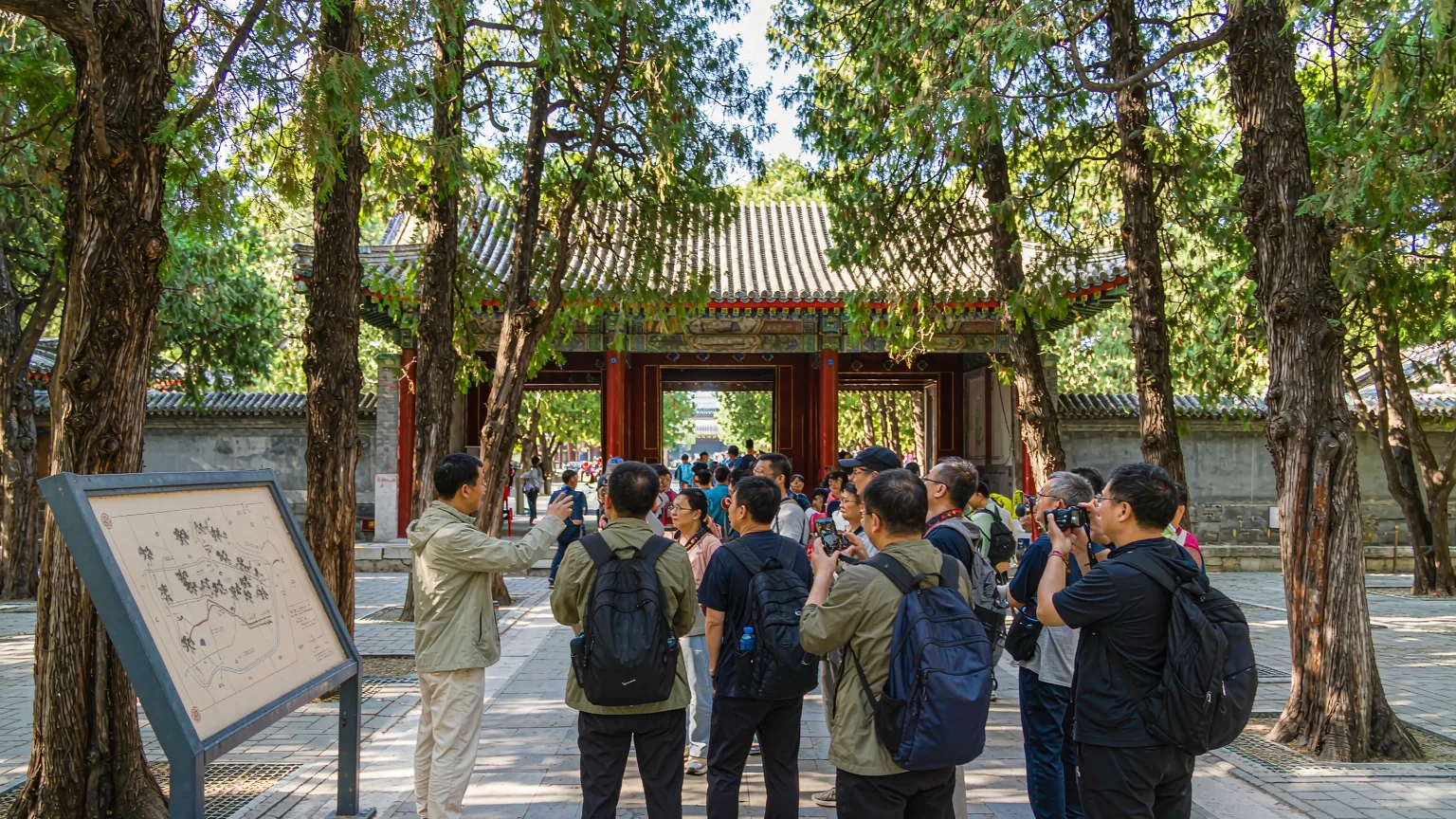
The Old Summer Palace is easily reached by Metro Line 4 to Yuanmingyuan Station (Exit B), a 10-minute walk from the south gate. From central Beijing, it's about 30 minutes by subway. Taxis from the city center cost around ¥60-80. We often combine it with the nearby Summer Palace for a full day of imperial history, using a private car to transfer between the two. Our guide can meet you at your hotel or at the site, ensuring a seamless start.
Admission: ¥10 (park only) or ¥25 (through ticket including ruins and exhibitions). Opening hours: 7:00-19:00 (peak season), 7:00-17:30 (off-peak). Book via WeChat official account or on-site; foreign cards accepted at ticket counters, but WeChat Pay/Alipay linked to an international card works for mobile payments.
The best time to visit is late spring (May) or early autumn (September-October) when the weather is mild and the crowds are manageable. Summer offers spectacular lotus blooms but can be hot and crowded. Early morning or late afternoon provides softer light for photography and a more peaceful experience.
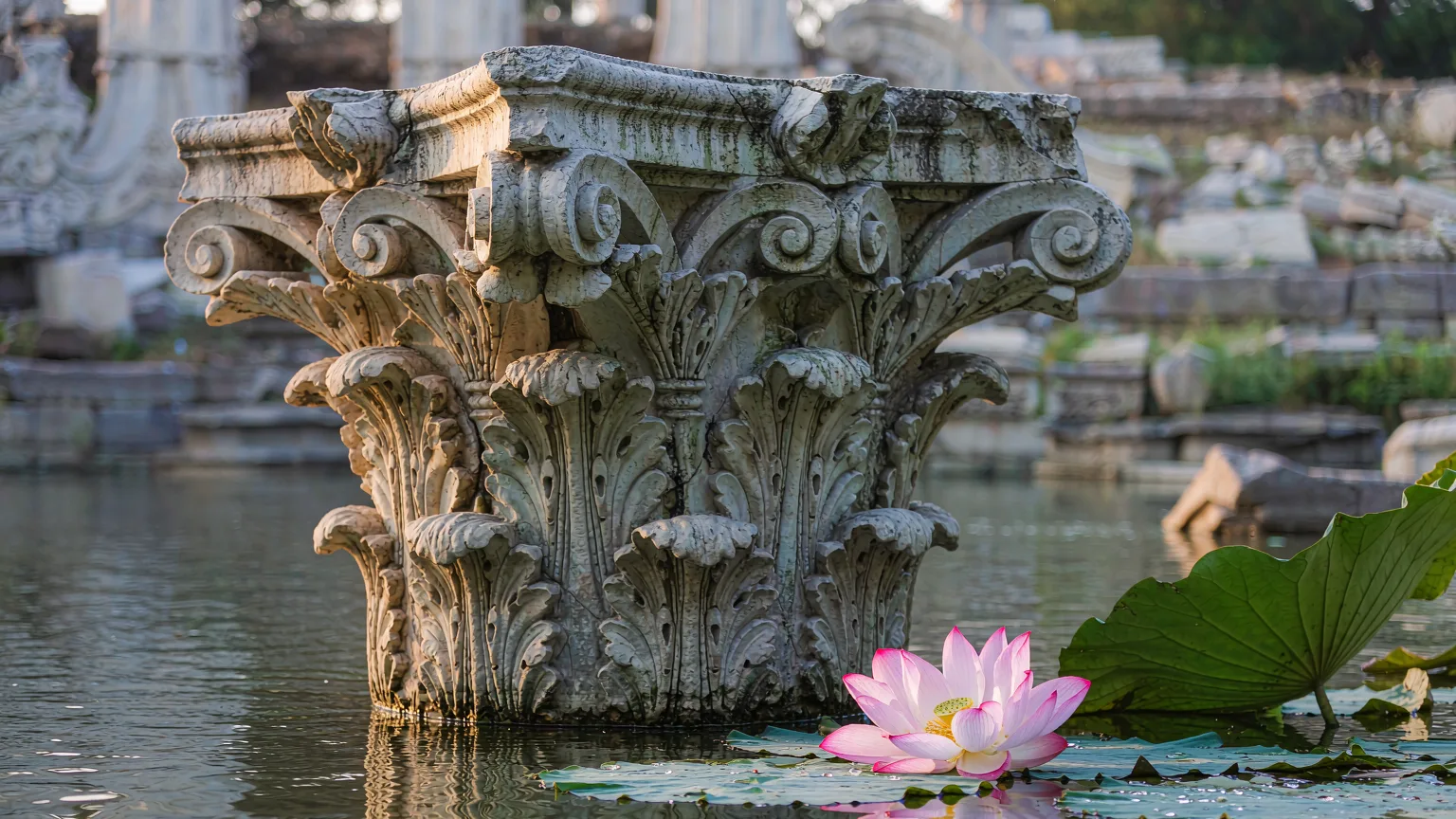
Absolutely. It offers a unique blend of beautiful landscapes and poignant history. The ruins are evocative, and the gardens are lovely for a stroll. It's a must for history enthusiasts.
Plan for at least 2-3 hours to see the main highlights. If you want to explore thoroughly, including the European ruins and gardens, allow 4 hours.
Yes, they are close by (about 3 km apart). Many visitors combine both, spending the morning at one and the afternoon at the other. A private car transfer makes it easy.
Major signs have English translations, but detailed information is often in Chinese. Our guides provide full interpretation, ensuring you don't miss the stories behind the ruins.
Tell us your dates, group size and preferences — a dedicated consultant will reach out within 24 hours.