
Guest — sign in to save your enquiries.
My account
Xian's Muslim Quarter is the city's most delicious tangle of alleys, where Hui Muslim cooks have been grilling, frying and hand-pulling noodles for centuries. It is not one street but a whole neighbourhood around Beiyuanmen, packed with smoke, spice and sweets. With our private guide, you skip the tourist-trap stalls and taste only what locals queue for.
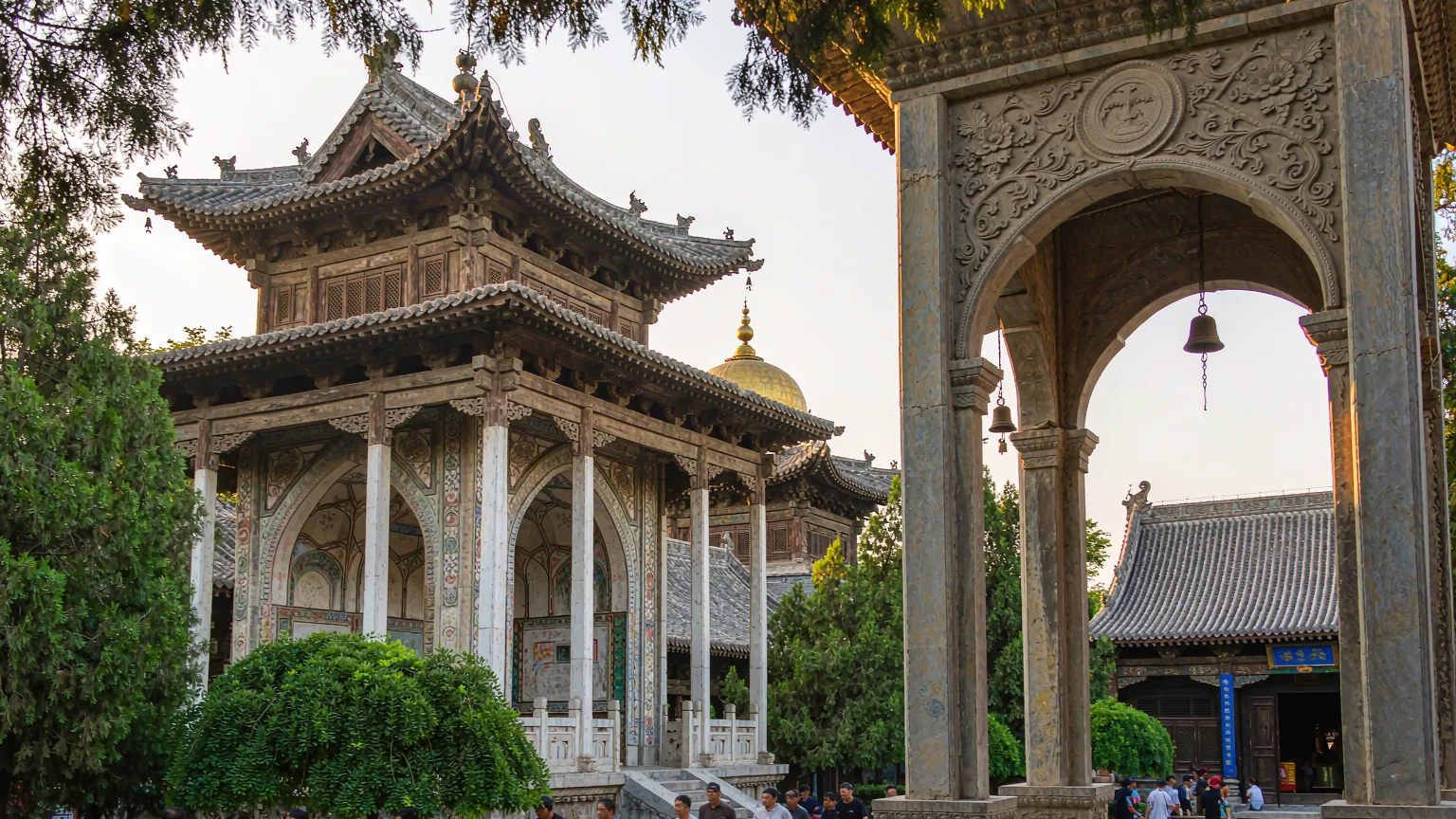
The Muslim Quarter, known in Chinese as Huimin Jie, grew from the Hui community that settled in Xian during the Tang Dynasty, when the city was the eastern terminus of the Silk Road. Arab and Persian merchants married locally, built mosques and kept their faith and cuisine alive. The Great Mosque, founded in 742 AD and rebuilt over the centuries, still stands at the heart of the quarter, its Chinese-style pavilions hiding a genuinely Islamic prayer hall. Walking these lanes is walking through 1,300 years of exchange between China and the wider world.
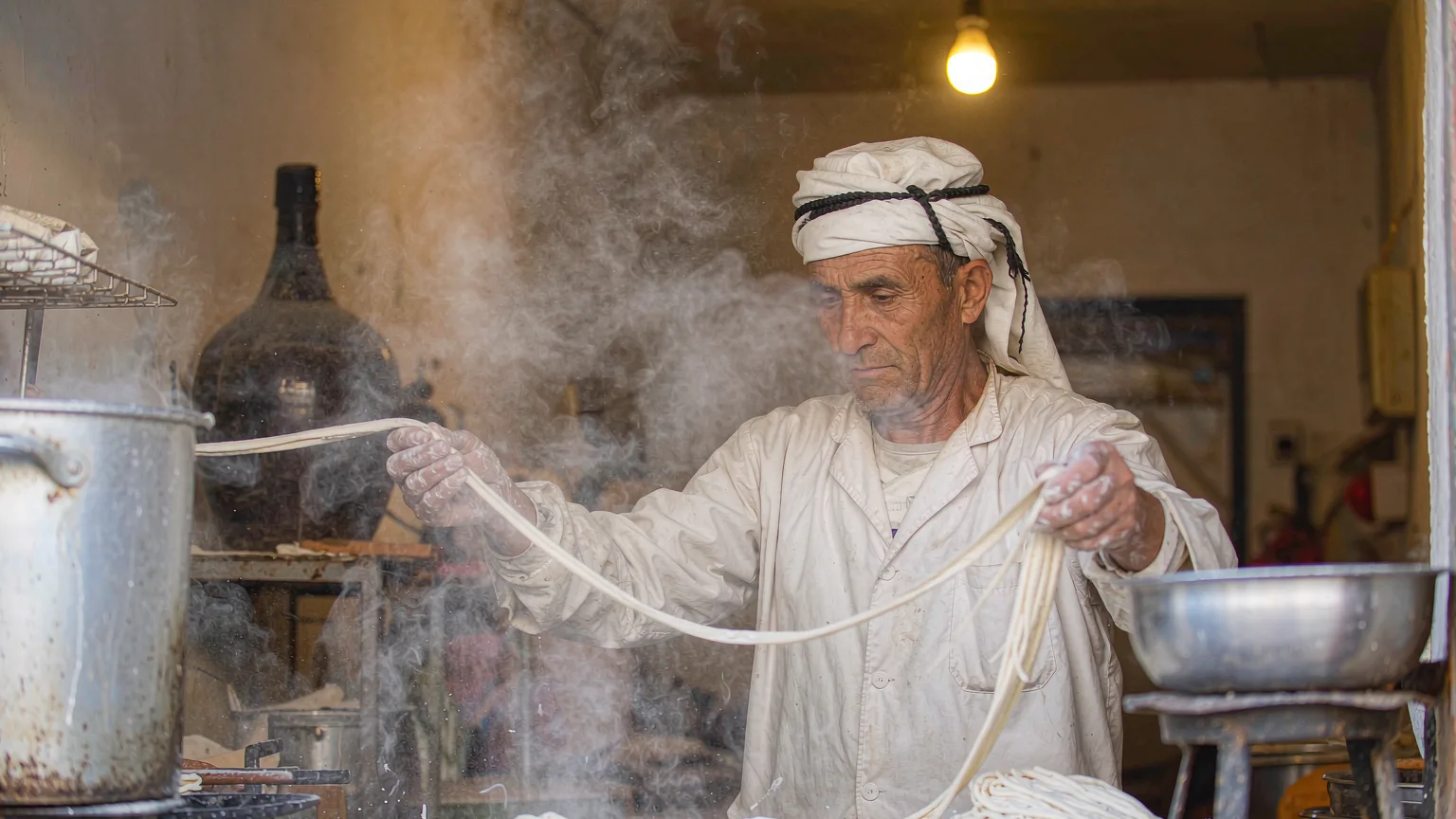
Today the quarter is a living neighbourhood, not a museum. Families still live above the shops, and the food you see being made is the food they eat. The main drag, Beiyuanmen, is the busiest and most commercial, but the real character lies in the side alleys like Xiyangshi and Dapiyuan, where you will find hand-pulled biangbiang noodles, lamb skewers, sweet persimmon cakes and dense, chewy yangrou paomo. For a deeper look at Xian's other historic sights, see our Xian City Wall guide.
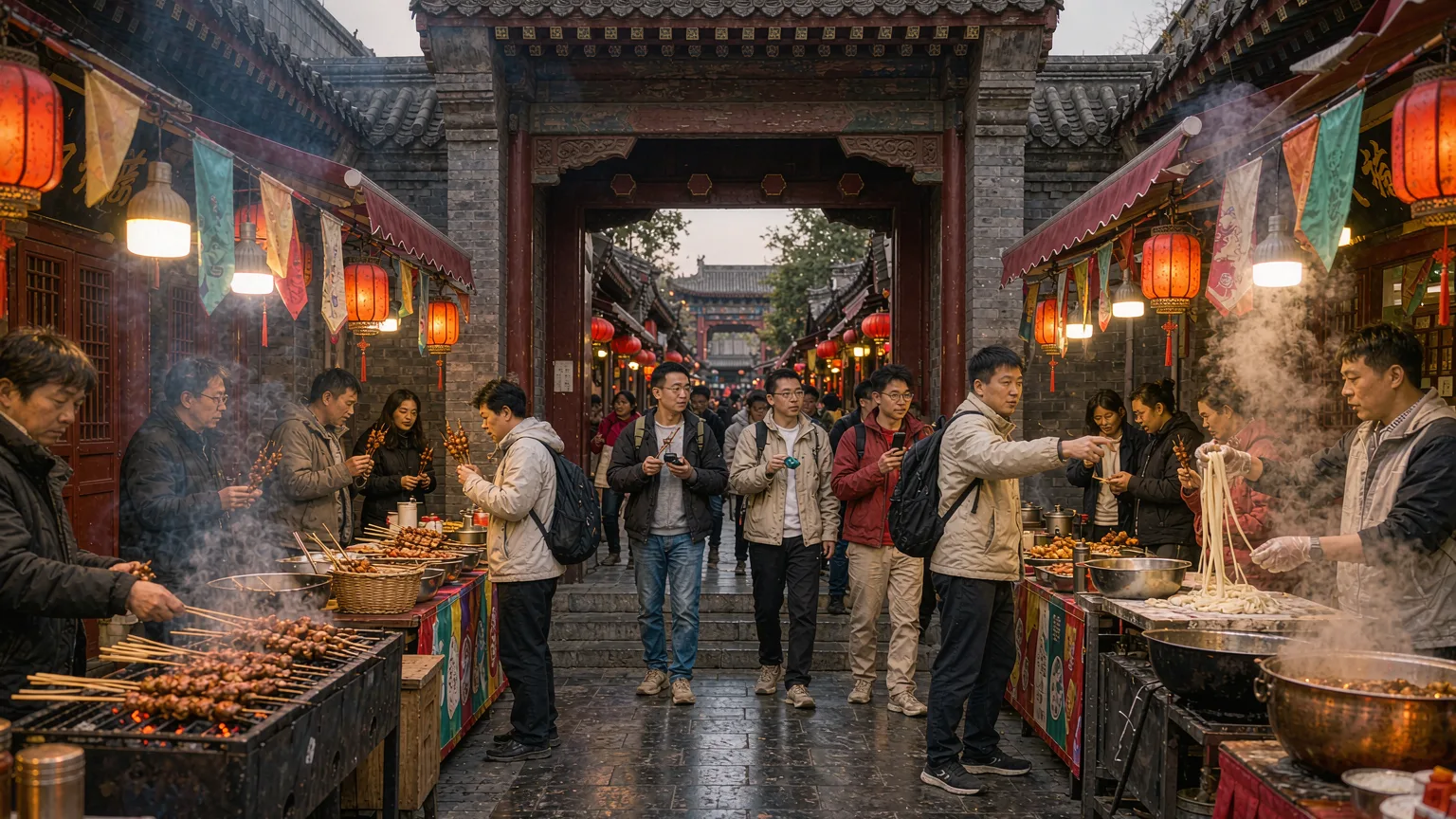
The Muslim Quarter sits just inside the old city, a 10-minute walk from the Bell Tower. Take Metro Line 2 to Bell Tower Station (Exit C) and walk north-west, or Line 6 to Guangji Street for the quieter southern end. Taxis and DiDi are cheap from most central hotels. We usually pair it with the City Wall or Bell Tower in the late afternoon, then dive into the food lanes as the lights come on.
The streets are free to wander. The Great Mosque charges ¥25 for entry (¥15 for students), open roughly 8:00–19:30, though it closes to tourists during prayer times. No booking needed for the streets; for the mosque, just pay at the gate. Vendors accept WeChat Pay and Alipay, and many now take foreign cards linked to those apps, but carry ¥100–200 in cash for small stalls.
Visit between 17:00 and 20:00, when the stalls fire up and the atmosphere is electric, but expect crowds. For a calmer, cooler experience, come on a weekday morning around 9:00–11:00, when you can actually see the food being prepared and talk to the cooks. Avoid Chinese public holidays, when the lanes become shoulder-to-shoulder.
Yes, it is very safe. Petty theft is rare, but watch for pickpockets in crowds. The area is well-lit and busy late into the evening, and locals are used to tourists.
Start with lamb skewers (yangrou chuan) and a small bowl of yangrou paomo. Then try biangbiang noodles and finish with a sweet persimmon cake or rose pastry.
Not strictly, but a guide helps you navigate the maze, order confidently, and understand the Hui culture behind the food. We also know which stalls are hygienic and authentic.
Yes, non-Muslims may enter outside prayer times for a small fee. Dress respectfully, and do not enter the prayer hall itself. Our guide can explain the etiquette.
Tell us your dates, group size and preferences — a dedicated consultant will reach out within 24 hours.