
Guest — sign in to save your enquiries.
My account
Mount Tai is China's most revered mountain, a UNESCO World Heritage site where emperors once performed sacrifices to heaven. Its 7,000-plus stone steps lead through ancient pine forests to a summit of temples and sunrise views. With our private guide, you skip the logistics and focus on the climb, the history, and the unforgettable dawn.
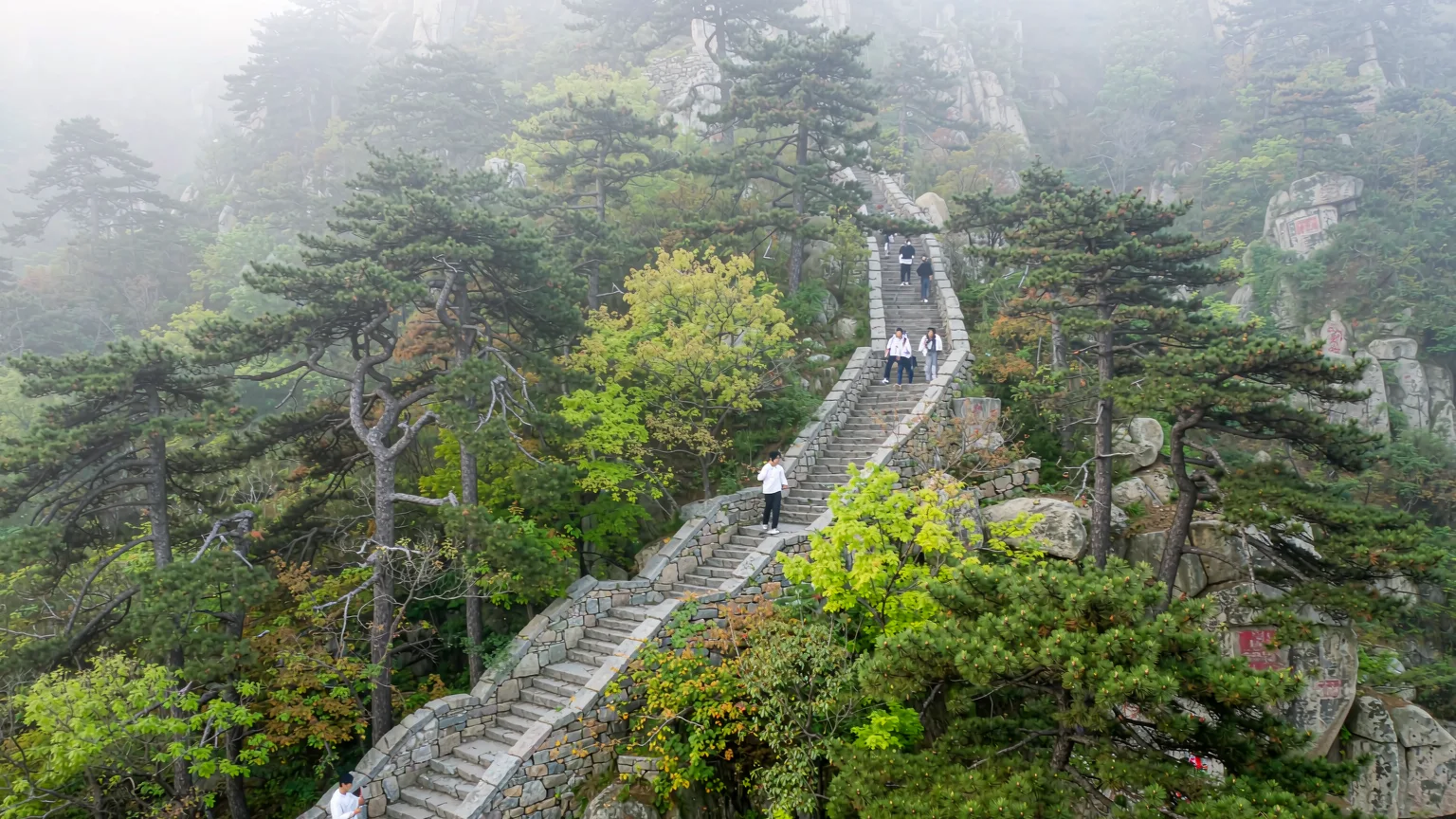
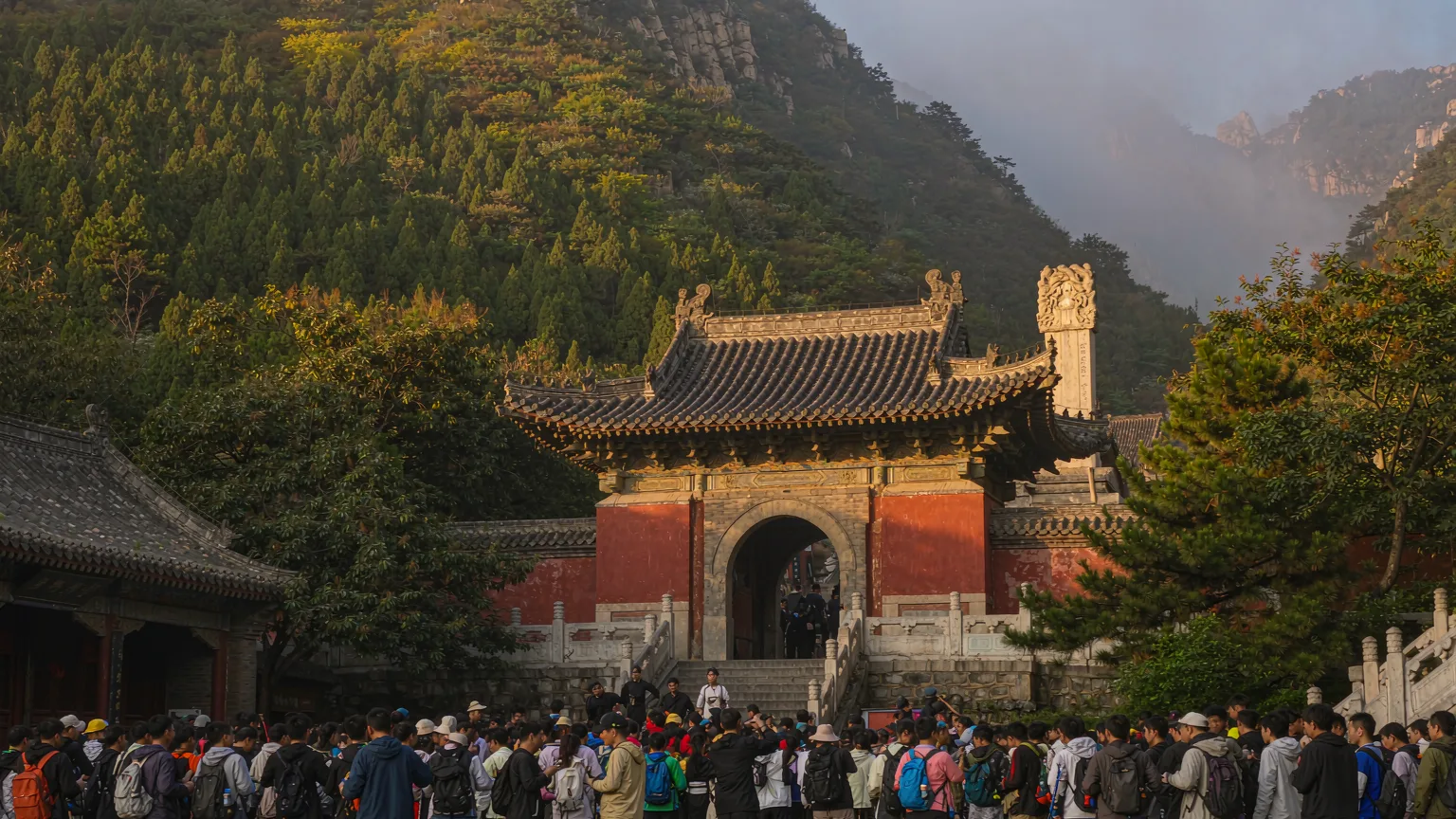
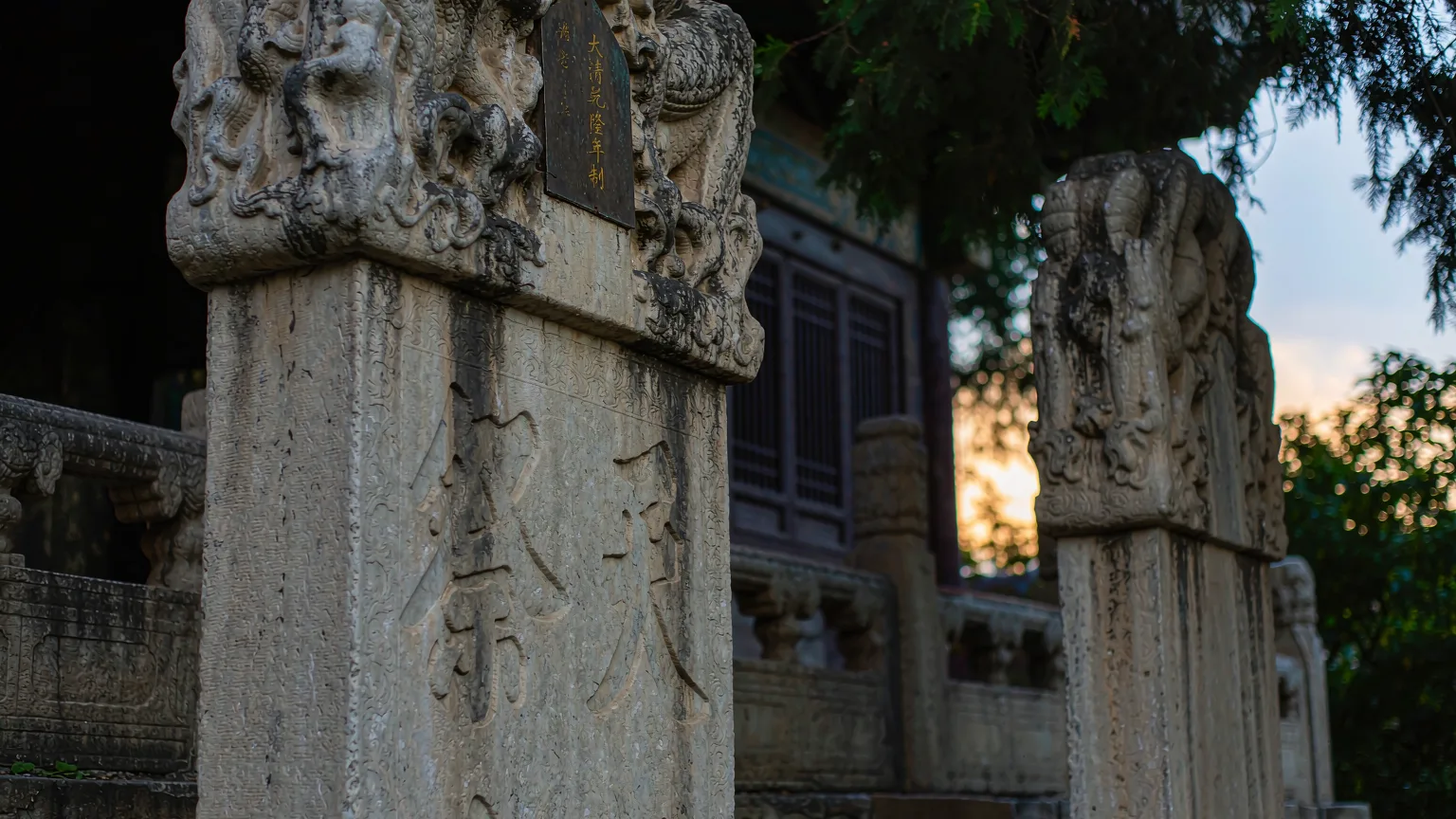
Mount Tai (Taishan) has been worshipped for over 3,000 years. As the holiest of China's Five Great Mountains, it was the site of imperial Fengshan sacrifices, where emperors from Qin Shi Huang to the Qing dynasty announced their rule to heaven. The mountain is dotted with inscriptions, temples, and shrines, including the Dai Temple at its base and the Bixia Temple near the summit. In 1987, UNESCO listed it as a World Cultural and Natural Heritage site, recognising both its cultural significance and scenic beauty.
The classic ascent starts from the Red Gate (Hongmen) and climbs 6,660 stone steps to the Jade Emperor Peak at 1,545 metres. It's a demanding but rewarding hike of about 4-6 hours. Alternatively, a cable car from the Midway Gate to Heaven reduces the effort. Many visitors climb at night to catch the sunrise, a tradition that draws thousands. Our guides can arrange a private transfer from Tai'an or Jinan, secure tickets, and provide insights into the mountain's history and legends along the way.
Mount Tai is easily reached from Tai'an, which has a high-speed rail station (Tai'an) with direct trains from Beijing (2 hours), Shanghai (3.5 hours), and Jinan (30 minutes). From the station, take a taxi (about ¥20) to the Red Gate or Tianwai Village entrance. Our private guide can meet you at the station or your hotel and arrange transport to the trailhead, cable car tickets, and a seamless itinerary that fits your schedule.
Admission to Mount Tai is ¥115 (March–November) and ¥100 (December–February). Cable cars cost ¥100 one-way (¥200 round-trip). The site is open 24 hours, but cable cars typically run 7:00–17:30. Book tickets in advance via the official WeChat account or Trip.com; foreign credit cards are accepted on Trip.com, but for on-site purchases, use WeChat Pay or Alipay linked to an international card.
The best times to visit are spring (April–May) and autumn (September–October), when temperatures are mild and skies clearer. For the sunrise, arrive at the summit by 4:30 AM in summer or 5:30 AM in winter. Avoid Chinese public holidays like National Day (October 1–7) when crowds are overwhelming.
The full climb from Red Gate to the summit takes 4–6 hours on foot. Using the cable car from Midway Gate reduces it to about 2–3 hours total. Many visitors climb at night to catch the sunrise.
While you can climb independently, a guide enriches the experience with historical context, handles tickets and transport, and ensures you don't miss key sites like Dai Temple and the inscriptions.
Yes, with modifications. The cable car makes the summit accessible to most, but there are still steps at the top. Children and seniors should be prepared for crowds and uneven terrain.
Pack warm layers (even in summer, the summit is cold), a flashlight, water, snacks, and cash. You can rent coats and buy supplies at the summit, but prices are higher.
Tell us your dates, group size and preferences — a dedicated consultant will reach out within 24 hours.