
Guest — sign in to save your enquiries.
My account
Mount Song, the Central Great Mountain of China's Five Sacred Peaks, rises just outside Dengfeng in Henan. It is the spiritual home of Chan Buddhism at Shaolin Temple and of Taoism at Zhongyue Temple, with Songyang Academy and the oldest observatory in China nearby. With our private guide, you skip the logistics and focus on the stories carved into these mountains.
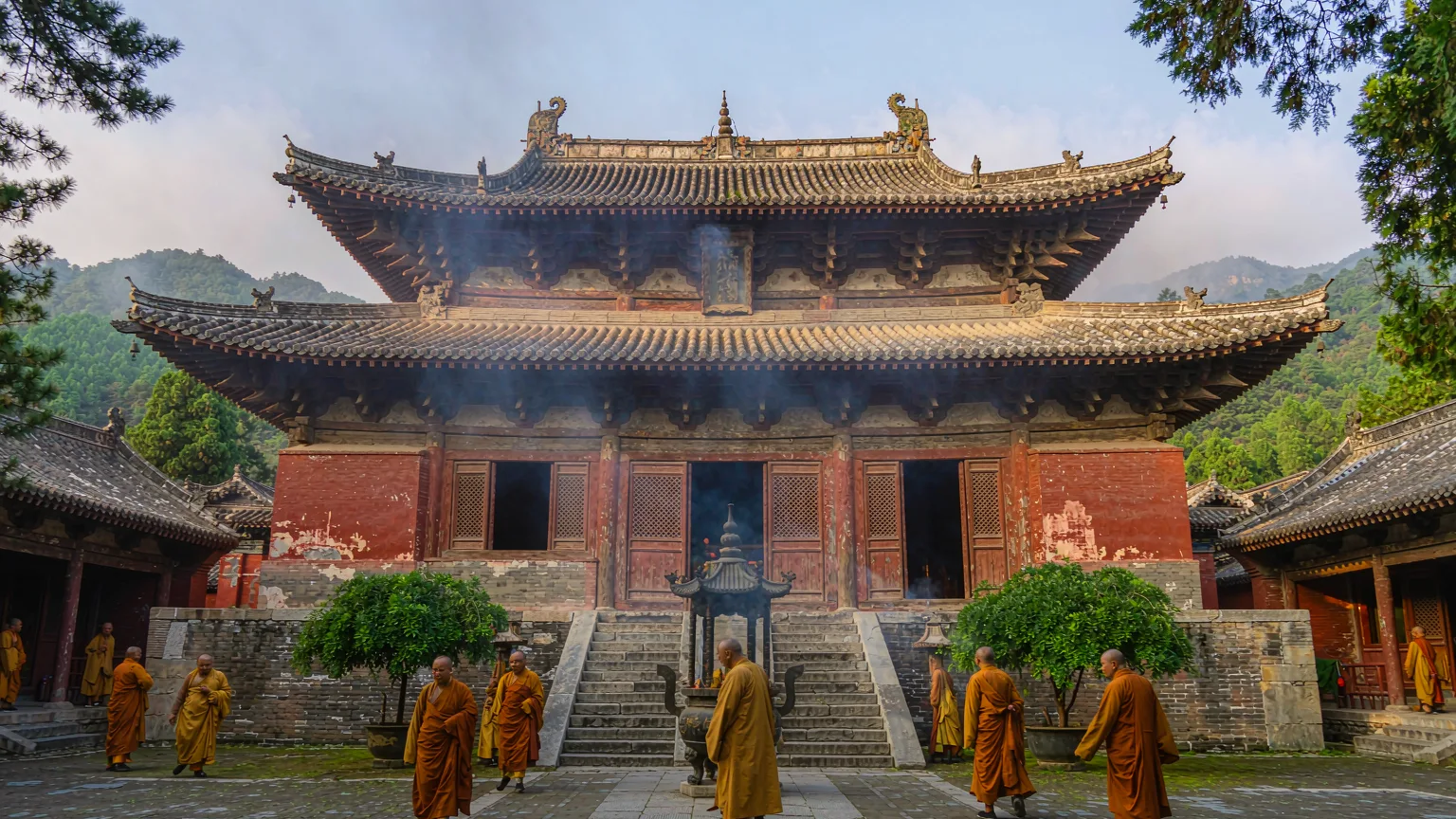
Mount Song (Songshan) has been worshipped for over three thousand years as the axis mundi of the Central Plains. Its 72 peaks, including the 1,512-metre Taishi and the steeper Shaoshi, form a natural fortress that attracted emperors, monks and scholars. In 495 CE, Emperor Xiaowen built Shaolin Temple here for the Indian monk Batuo; a century later Bodhidharma is said to have meditated in a nearby cave, founding Chan Buddhism. The Taoists built Zhongyue Temple at the foot of Taishi Peak, and by the Song dynasty the mountain hosted one of China's four great academies, Songyang Academy, where Neo-Confucianism took shape.
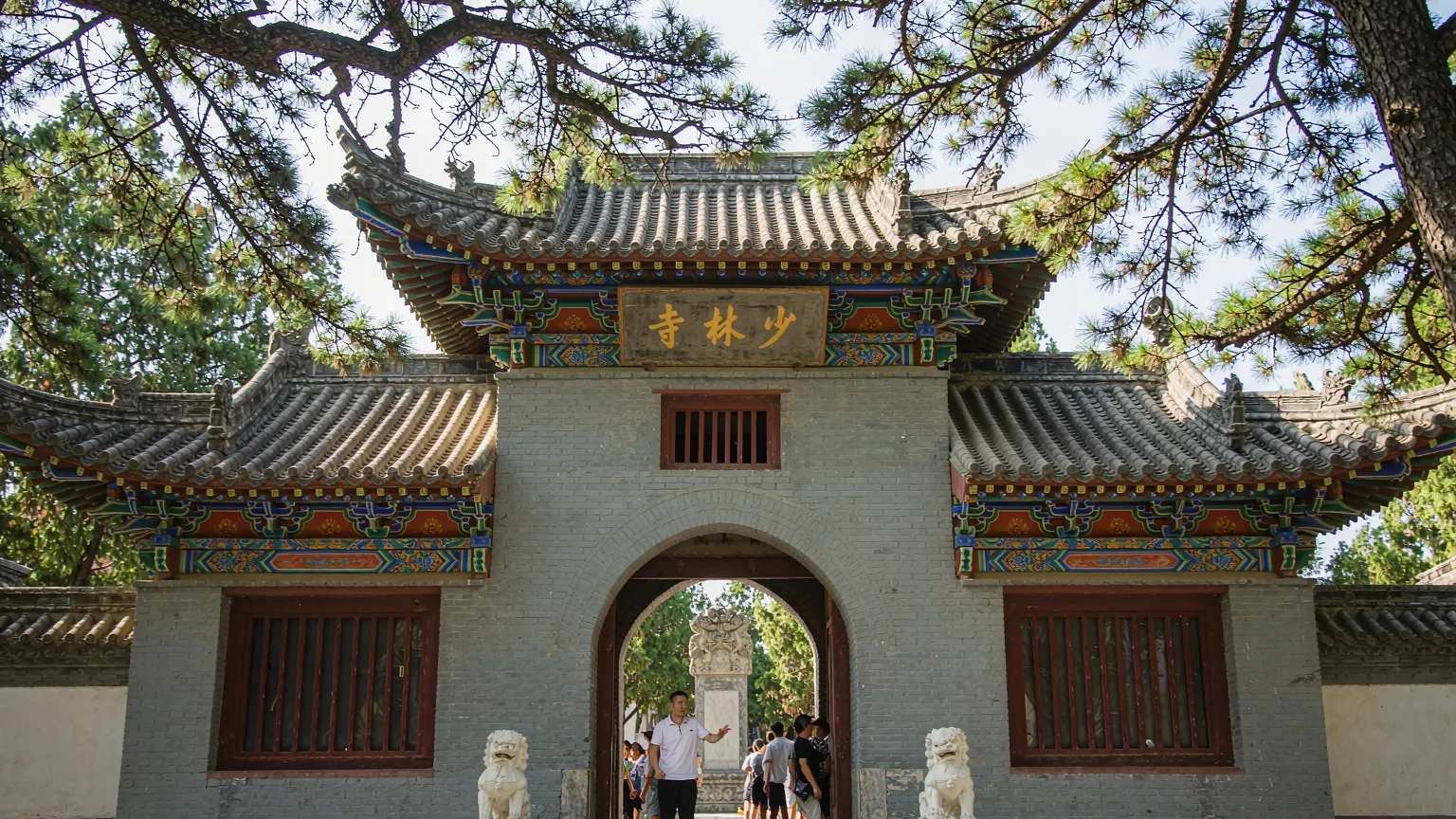
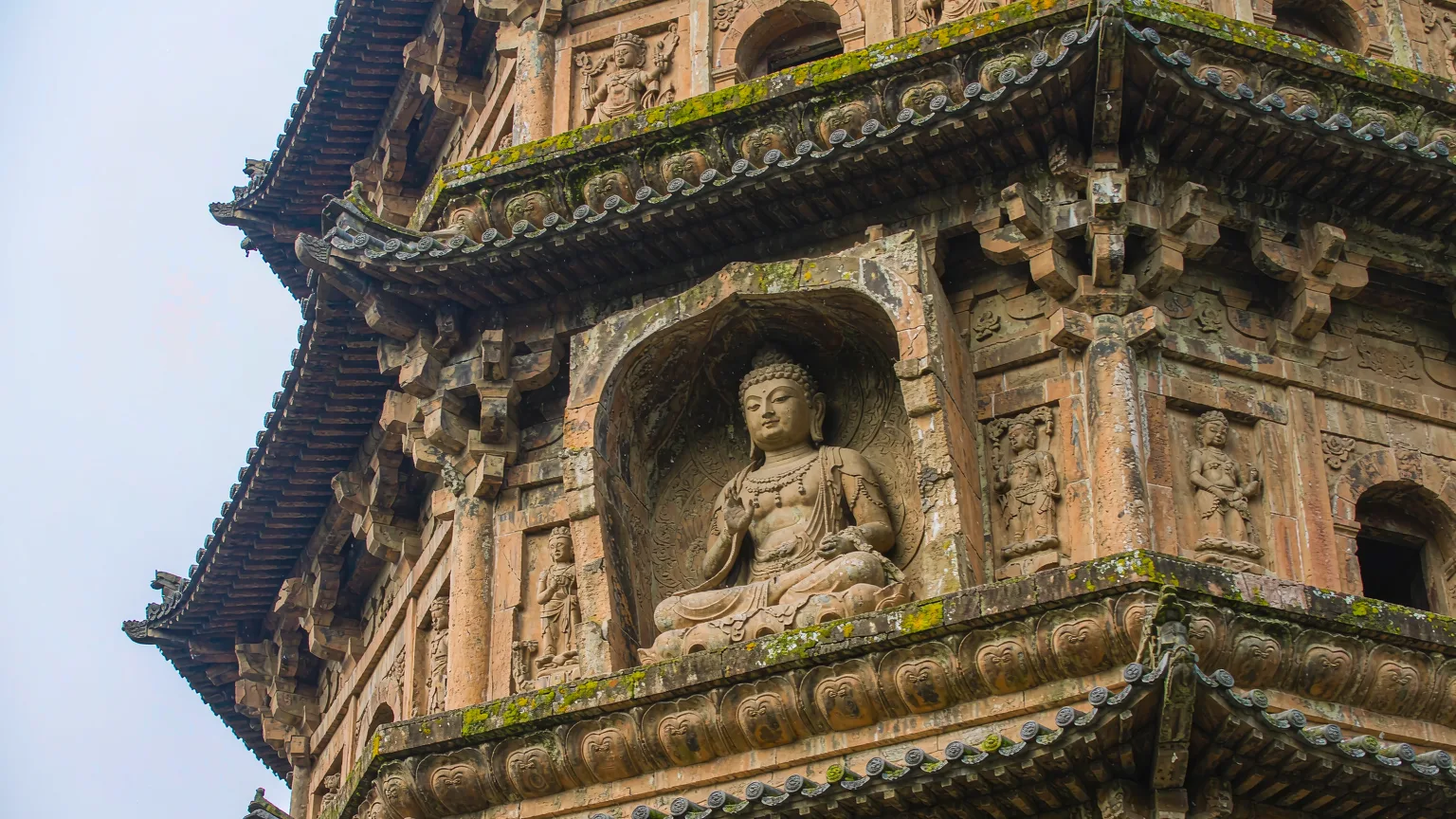
The cultural landscape of Mount Song was inscribed as a UNESCO World Heritage Site in 2010, covering eight clusters of monuments across the Dengfeng valley. These include the 36,000-square-metre Zhongyue Temple, the oldest surviving observatory in China (Gaocheng, 1276), the Songyue Pagoda (523 CE) with its twelve-sided brick design, and the ancestral halls of the Cheng and Zhu families. Shaolin Temple itself is famous for its warrior monks and kung fu, but its halls, steles and the Pagoda Forest of 240 brick and stone tombs are equally compelling. Allow a full day to see the highlights without rushing.
Mount Song is about 70 km southwest of Zhengzhou. The easiest way is a private car or taxi (¥200–300 one way, 1.5 hours) directly to Shaolin Temple or Zhongyue Temple. Alternatively, take a high-speed train from Zhengzhou East to Dengfeng (30 minutes, ¥30–50), then a taxi (¥30–50) to the sites. Many travellers combine Shaolin and Zhongyue in one day with our driver-guide, who handles tickets and timing so you avoid the midday tour-bus crush.
Shaolin Temple: ¥80 (includes entry to the temple, Pagoda Forest and martial arts show). Zhongyue Temple: ¥30. Songyang Academy: ¥30. Gaocheng Observatory: ¥30. Opening hours are generally 8:00–17:30 (last entry 17:00), with shorter hours in winter. Book via WeChat mini-programs or Trip.com; foreign cards are accepted on Trip.com, but at the gate most vendors prefer WeChat Pay or Alipay linked to an international card.
The best seasons are spring (April–May) and autumn (September–October), when temperatures are mild and the mountain is green or golden. Avoid the July–August heat and the Chinese New Year crowds. For Shaolin, arrive at 8:00 when gates open to see the monks' morning routine and beat the tour groups; the martial arts show is less crowded in the early morning. Weekdays are always quieter than weekends.
No, Shaolin Temple is one of several sites within the Mount Song scenic area. The mountain also includes Zhongyue Temple, Songyang Academy, Gaocheng Observatory and the Pagoda Forest.
A full day (8–10 hours) lets you see Shaolin Temple, the Pagoda Forest and one or two other sites. If you only have half a day, focus on Shaolin and the Pagoda Forest.
Yes, but the main peaks are not easily accessible by cable car. Most visitors stay in the lower scenic areas. The hike to Bodhidharma's Cave is the most popular short climb.
Yes, our private guides are fluent in English and can meet you in Zhengzhou or Dengfeng. They handle tickets, transport and interpretation, so you get the most from your visit.
Tell us your dates, group size and preferences — a dedicated consultant will reach out within 24 hours.