
Guest — sign in to save your enquiries.
My account
Mount Qingcheng is the birthplace of Taoism and a UNESCO World Heritage site, its forested peaks dotted with ancient temples and misty pavilions. Just an hour from Chengdu, it offers a serene escape into nature and spirituality. With our private guide, you'll navigate the trails effortlessly, learning the legends and rituals that have shaped this sacred mountain for over 2,000 years.
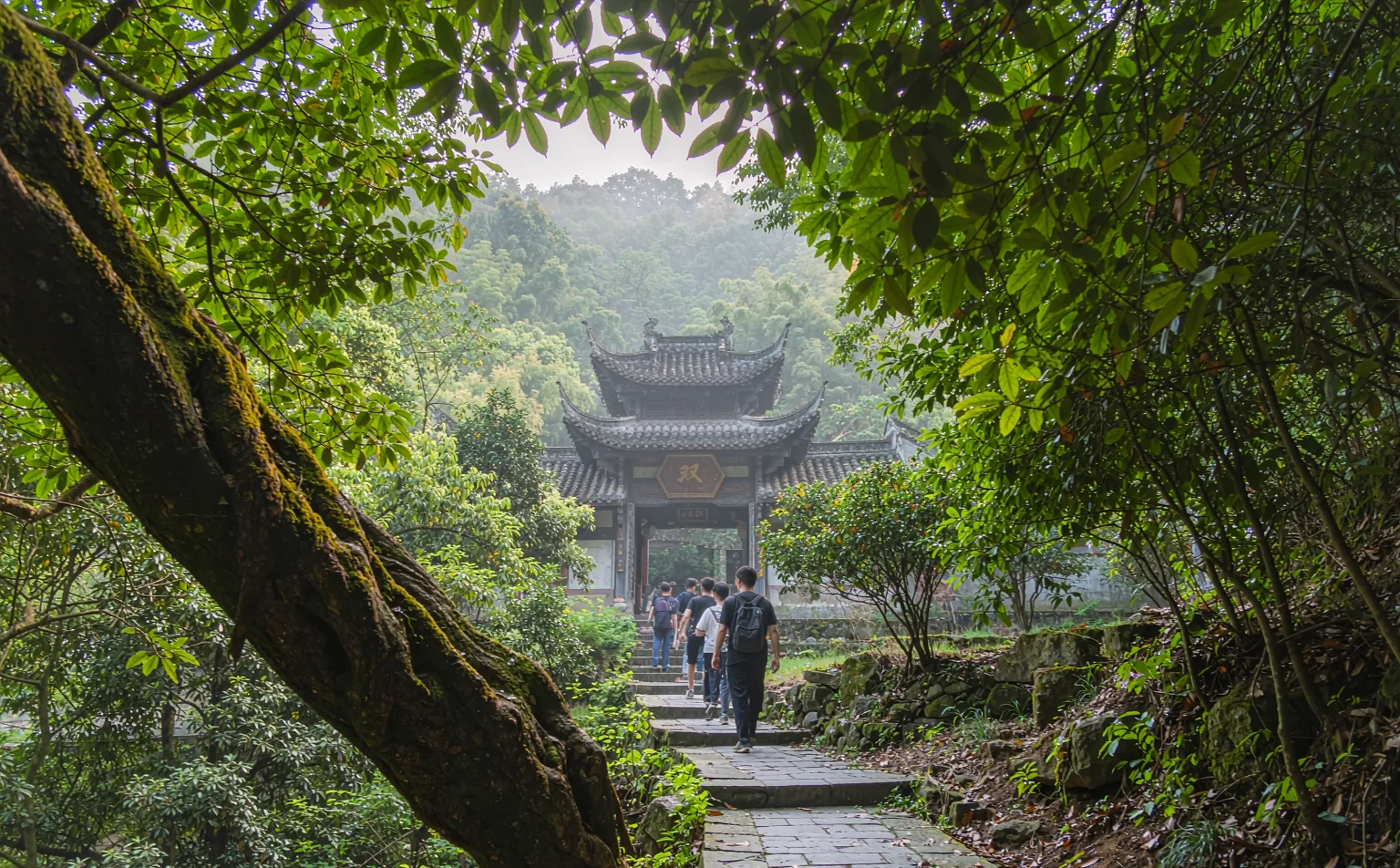
Mount Qingcheng, located in Dujiangyan, Sichuan, is revered as one of the birthplaces of Taoism. According to legend, the Yellow Emperor visited the mountain to seek wisdom from the immortal Ning Fengzi. In the Eastern Han Dynasty (126–144 AD), Zhang Daoling founded the Tianshi Dao (Way of the Celestial Masters) here, establishing the first organized Taoist community. Over centuries, numerous temples and monasteries were built, blending seamlessly with the lush landscape. In 2000, Mount Qingcheng was inscribed as a UNESCO World Heritage Site as part of the Mount Qingcheng and Dujiangyan Irrigation System listing, recognized for its cultural and historical significance.
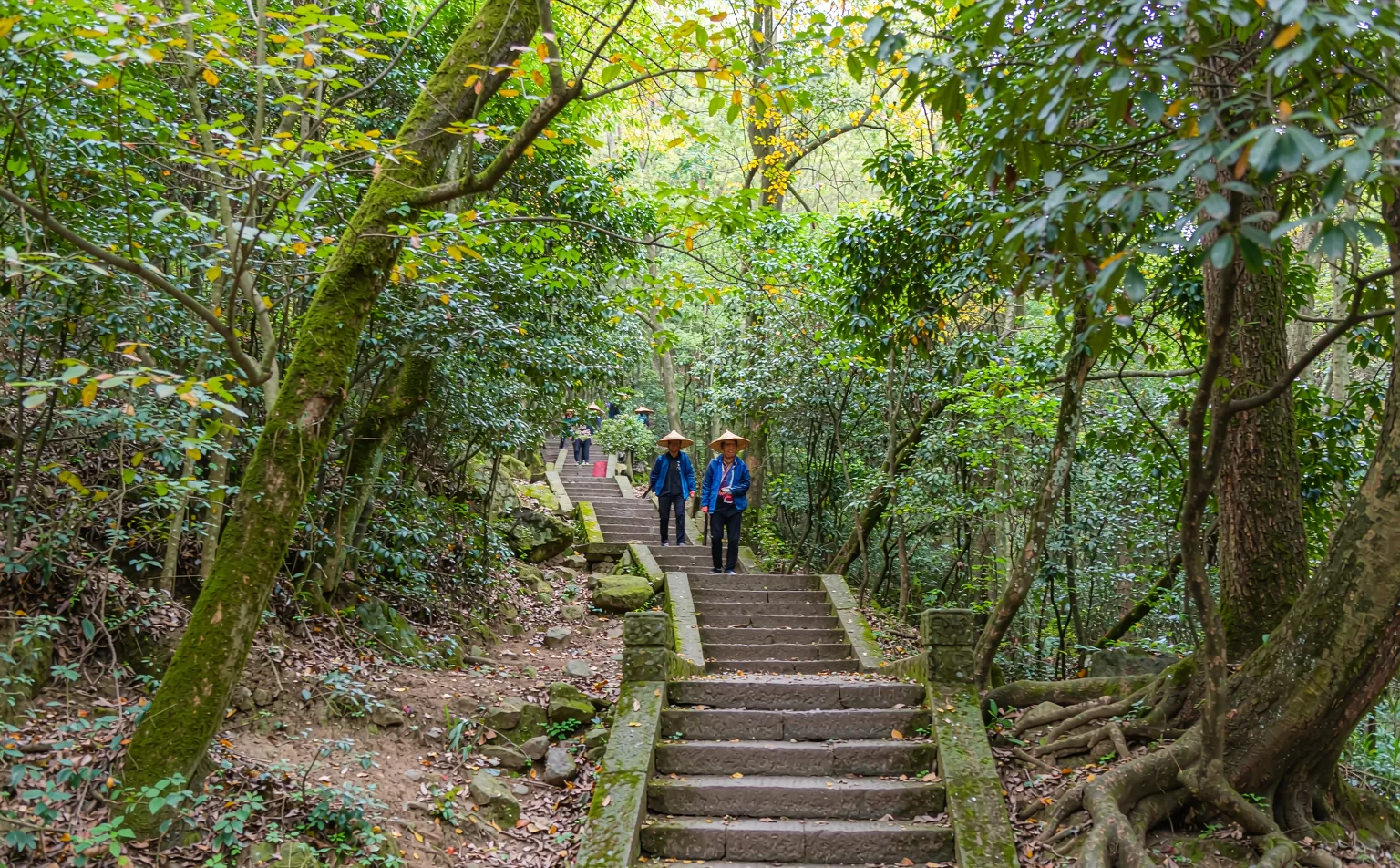
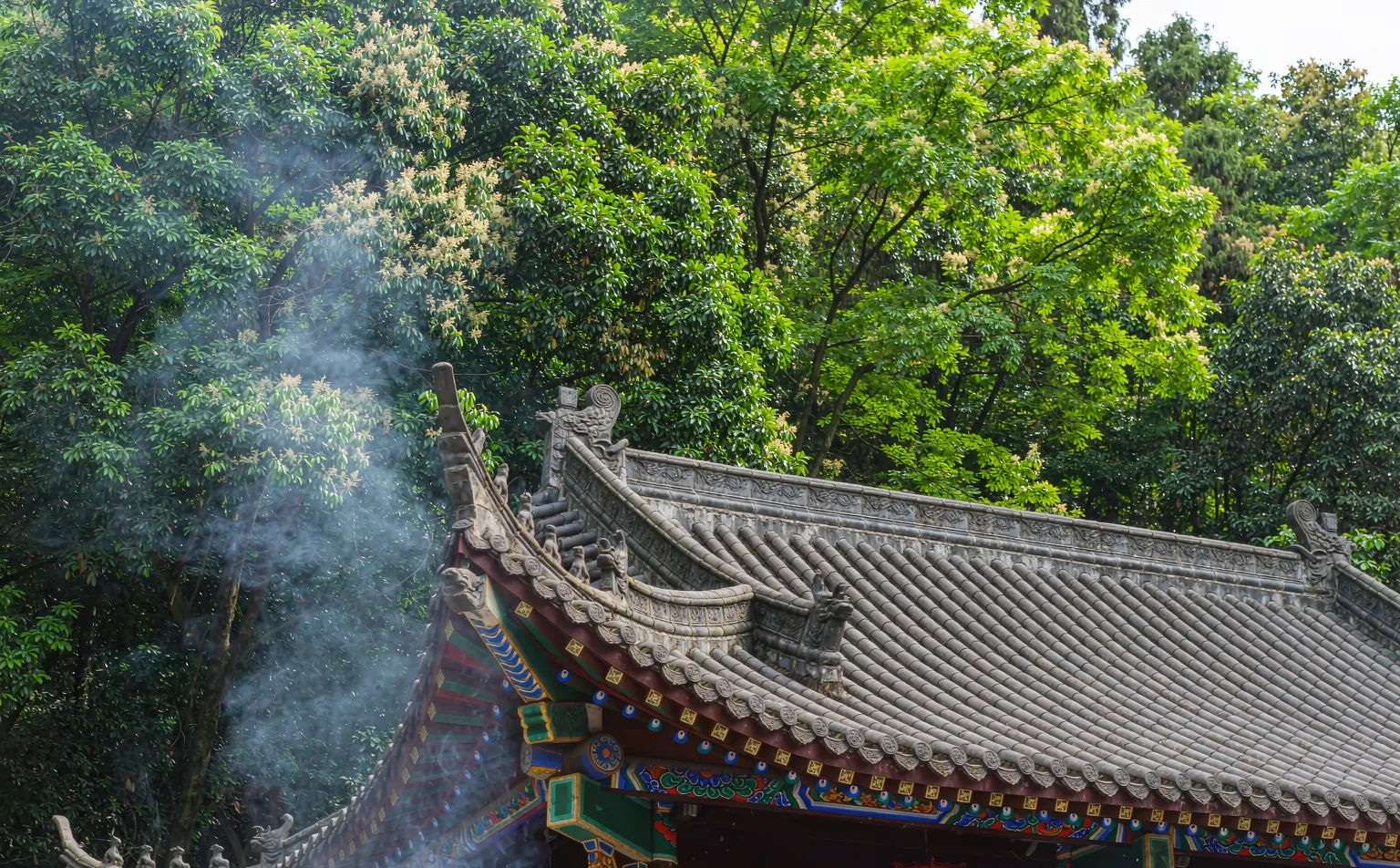
The mountain is divided into two main areas: the Front Mountain (Qianshan) and the Back Mountain (Houshan). The Front Mountain is the cultural heart, home to iconic Taoist temples such as Jianfu Palace, Tianshi Cave, and Shangqing Palace. The Back Mountain, by contrast, is a haven for hikers, with pristine forests, waterfalls, and quieter trails. Both areas are connected by well-maintained paths, cable cars, and boats, making them accessible to visitors of various fitness levels. The site also features ancient ginkgo and camphor trees, some over a thousand years old, adding to its mystical atmosphere.
Mount Qingcheng is about 68 km (42 miles) from central Chengdu. The easiest way is by high-speed train from Chengdu North Railway Station to Qingchengshan Station (about 40 minutes), then a short taxi or shuttle to the entrance. Alternatively, our private car service can pick you up from your hotel and drive directly (1.5 hours). We recommend combining it with a visit to the Dujiangyan Irrigation System for a full day of UNESCO sites.
Front Mountain: ¥80 (March–November), ¥60 (December–February). Opening hours: 8:00–18:00 (peak), 8:00–17:00 (off-peak). Back Mountain: ¥20. Cable car: ¥35 one-way, ¥60 round-trip. Boat: ¥5. Tickets can be booked via WeChat mini-programs or at the gate; foreign credit cards are accepted at some counters, but WeChat Pay or Alipay linked to an international card is more reliable.
The best time to visit is during spring (April–May) and autumn (September–October), when temperatures are mild and the foliage is vibrant. Avoid weekends and Chinese public holidays for fewer crowds. Early morning is ideal for catching mist over the peaks and experiencing the mountain's tranquil, spiritual atmosphere before tour groups arrive.
Yes, the Front Mountain has cable cars and paved paths, making it accessible for all ages. However, some temples require climbing steep steps, so assess fitness levels beforehand.
Yes, many travelers combine both UNESCO sites in a day. Start early at Dujiangyan, then take a taxi (20 minutes) to Mount Qingcheng for the afternoon.
Major signs are in English, but detailed explanations are limited. Our private guides provide in-depth commentary and help navigate the trails and temples.
Light rain adds to the mountain's mystical charm, but heavy rain can make paths hazardous. Cable cars may suspend operation; check forecasts and carry a poncho.
Tell us your dates, group size and preferences — a dedicated consultant will reach out within 24 hours.