
Guest — sign in to save your enquiries.
My account
The Ming Dynasty Tombs are the final resting places of 13 emperors, set in a 40-square-kilometre valley north of Beijing. This UNESCO World Heritage site blends imperial architecture with feng shui, offering a serene escape from the city. With our private guide, you'll navigate the sprawling complex effortlessly, uncovering stories behind the Sacred Way and the underground palace.
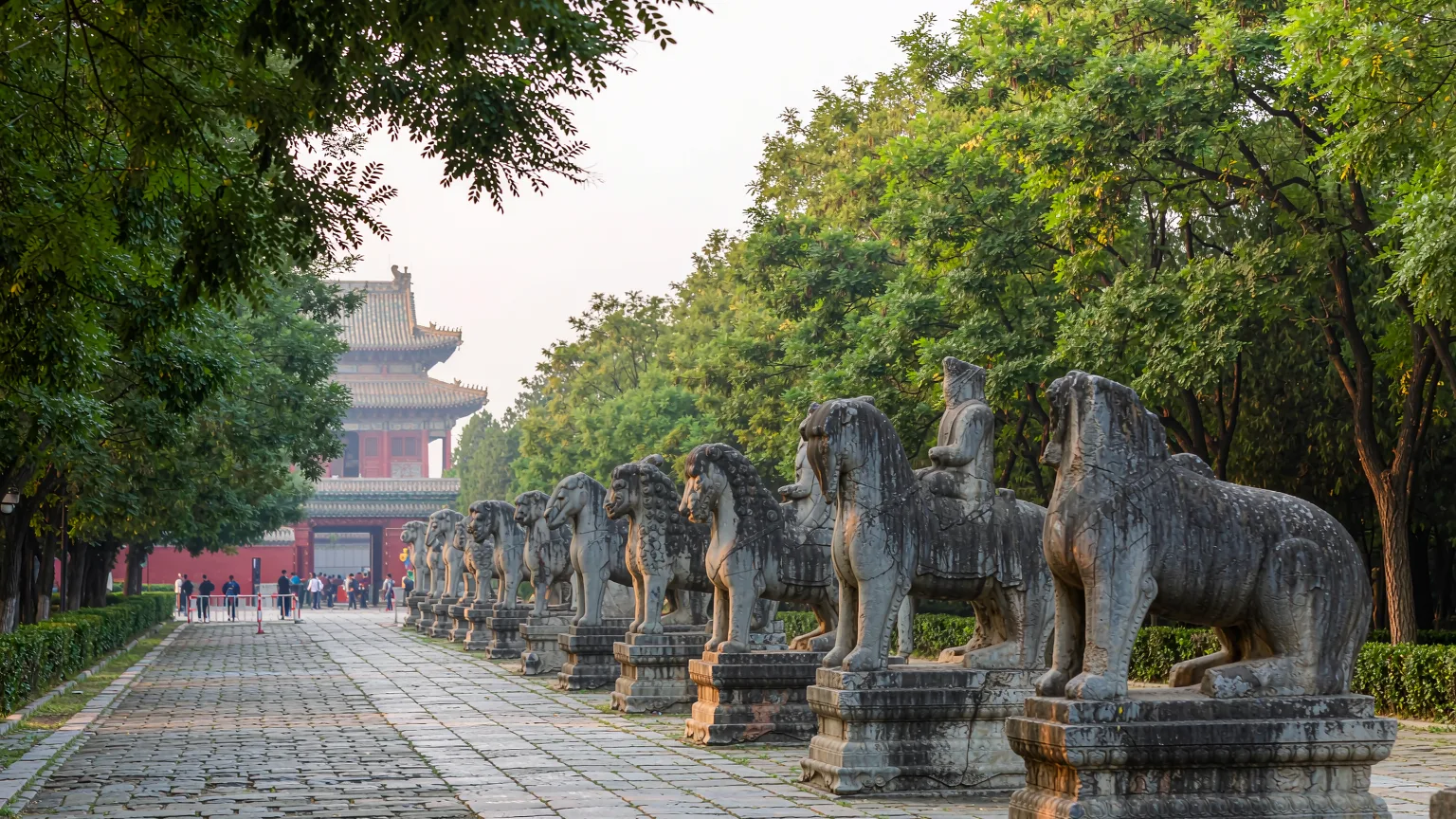
The Ming Dynasty Tombs (Ming Shisan Ling) lie in a valley at the foot of Tianshou Mountain in Changping District, about 50 kilometres northwest of Beijing. Chosen in 1409 by the Yongle Emperor for its geomantic properties, the site became the burial ground for 13 of the 16 Ming emperors, along with their empresses and concubines. The layout follows a central axis, starting with the Sacred Way, a 7-kilometre avenue lined with 18 pairs of stone statues of officials, animals, and mythical beasts. Each tomb is a self-contained complex with a stele pavilion, sacrificial hall, and burial mound. Only three tombs are open to the public: Changling (Yongle), Dingling (Wanli), and Zhaoling (Longqing). The site was inscribed as a UNESCO World Heritage Site in 2003.
The tombs reflect the Ming dynasty's cosmological beliefs, with architecture harmonising with the natural landscape. Changling, the largest and best-preserved, features a massive wooden Hall of Eminent Favour supported by 60 nanmu columns. Dingling is the only tomb with an excavated underground palace, revealing a labyrinth of stone chambers and thousands of artefacts. Zhaoling was restored in the 1980s and offers a quieter experience. The Sacred Way, often visited first, sets the tone with its solemn stone guardians. A visit here pairs well with the nearby Great Wall at Juyongguan or Badaling, as both are on the same route from Beijing.
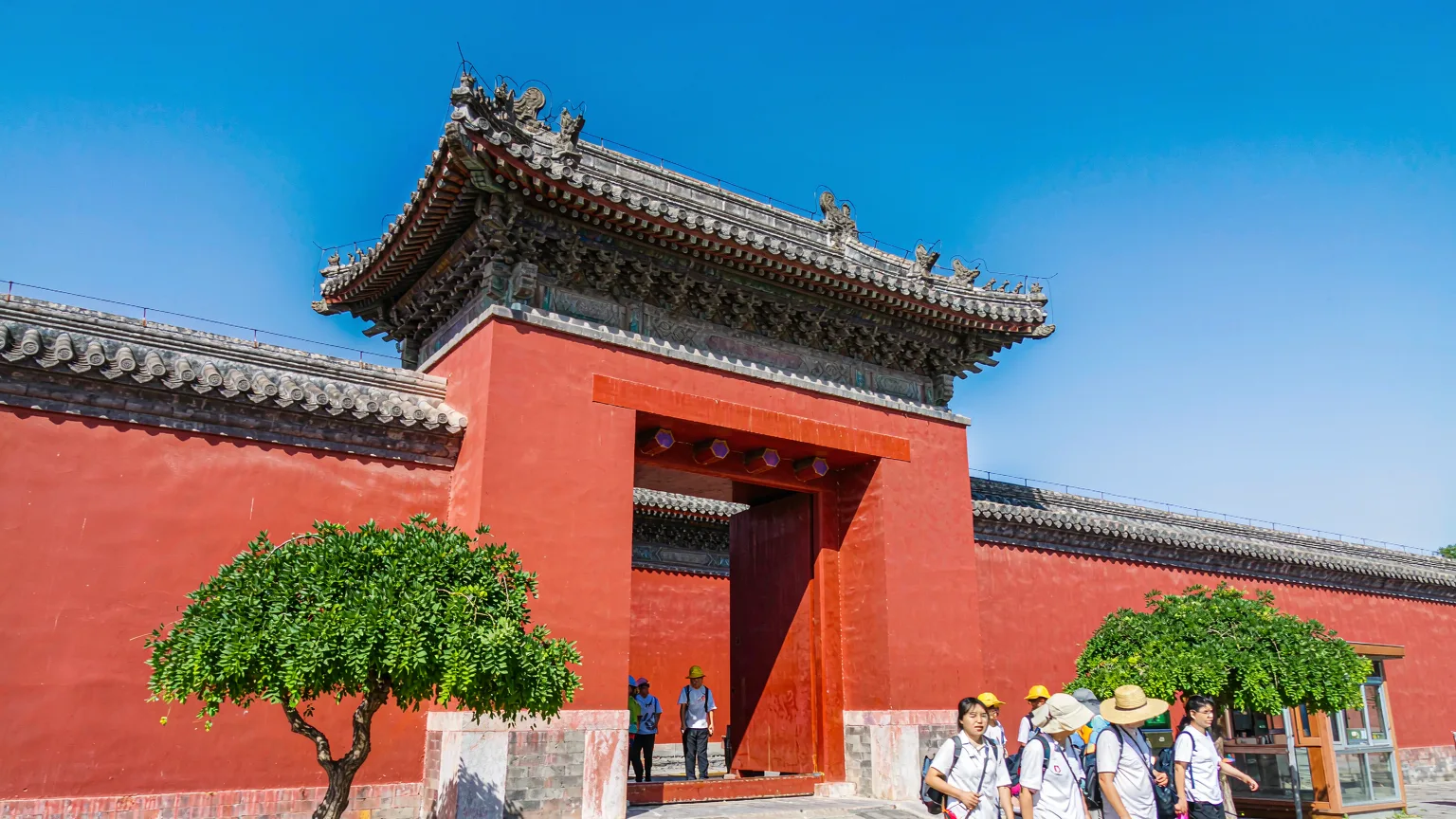
The Ming Tombs are about 50 km northwest of Beijing, typically reached by private car or taxi (1–1.5 hours from downtown). Public transport is possible via metro Line 2 to Jishuitan, then bus 872 to the site, but it's slow and crowded. Many travellers combine a visit with the Great Wall at Badaling or Juyongguan, as they're on the same route. Our private tours include hotel pickup and a driver-guide, making the journey seamless and allowing you to see multiple tombs without hassle.
Ticket prices vary by tomb: Changling ¥45 (peak) / ¥30 (off-peak), Dingling ¥60 / ¥40, Zhaoling ¥30 / ¥20, and the Sacred Way ¥30 / ¥20. A combined ticket for all sites costs ¥130 (peak) / ¥100 (off-peak). Opening hours are typically 8:00–17:30 (peak) and 8:30–17:00 (off-peak). Book via official WeChat or Trip.com; foreign cards are accepted on Trip.com, but at the gate, use WeChat Pay or Alipay linked to an international card.
The best time to visit is during spring (April–May) or autumn (September–October), when the weather is mild and the surrounding hills are lush or golden. Avoid weekends and Chinese public holidays for fewer crowds. Early morning, right at opening, offers the most peaceful experience, especially at the Sacred Way and Changling. Summer can be hot and rainy, while winter is cold but often clear and uncrowded.
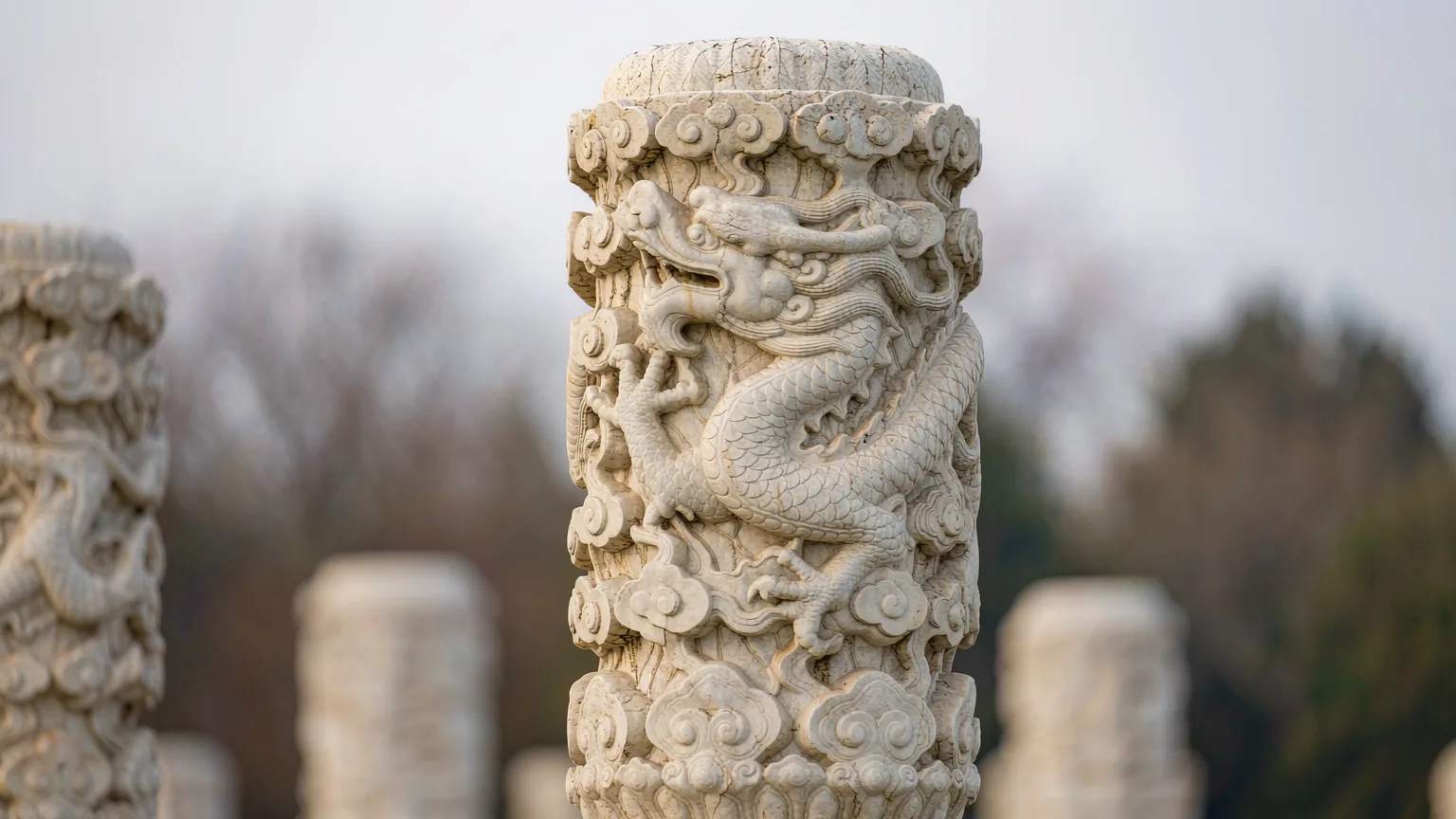
A half-day (3–4 hours) covers the Sacred Way, Changling, and Dingling. If you add Zhaoling, allow 5 hours. Most travellers combine it with the Great Wall for a full-day tour.
The Sacred Way and Changling have paved paths and ramps, but Dingling's underground palace involves steep stairs and narrow passages. Accessibility is limited; our guides can suggest the most suitable route.
On-site ticket offices generally accept cash or Chinese mobile payments. Foreign credit cards are not widely accepted at the gate. We recommend booking online via Trip.com or having your guide purchase tickets in advance.
Changling is the grandest above ground, while Dingling is the only one with an excavated underground palace. For a quieter experience, Zhaoling is a good choice. Most visitors prioritise Changling and Dingling.
Tell us your dates, group size and preferences — a dedicated consultant will reach out within 24 hours.