
Guest — sign in to save your enquiries.
My account
A masterpiece of Chinese garden design, the Lingering Garden is one of Suzhou's four great classical gardens and a UNESCO World Heritage Site. Its ingenious use of space, intricate architecture, and serene courtyards offer a window into the refined world of Ming and Qing dynasty scholars. With our private guide, you'll navigate its labyrinthine layout effortlessly, uncovering the stories and symbolism behind every rock and pavilion.
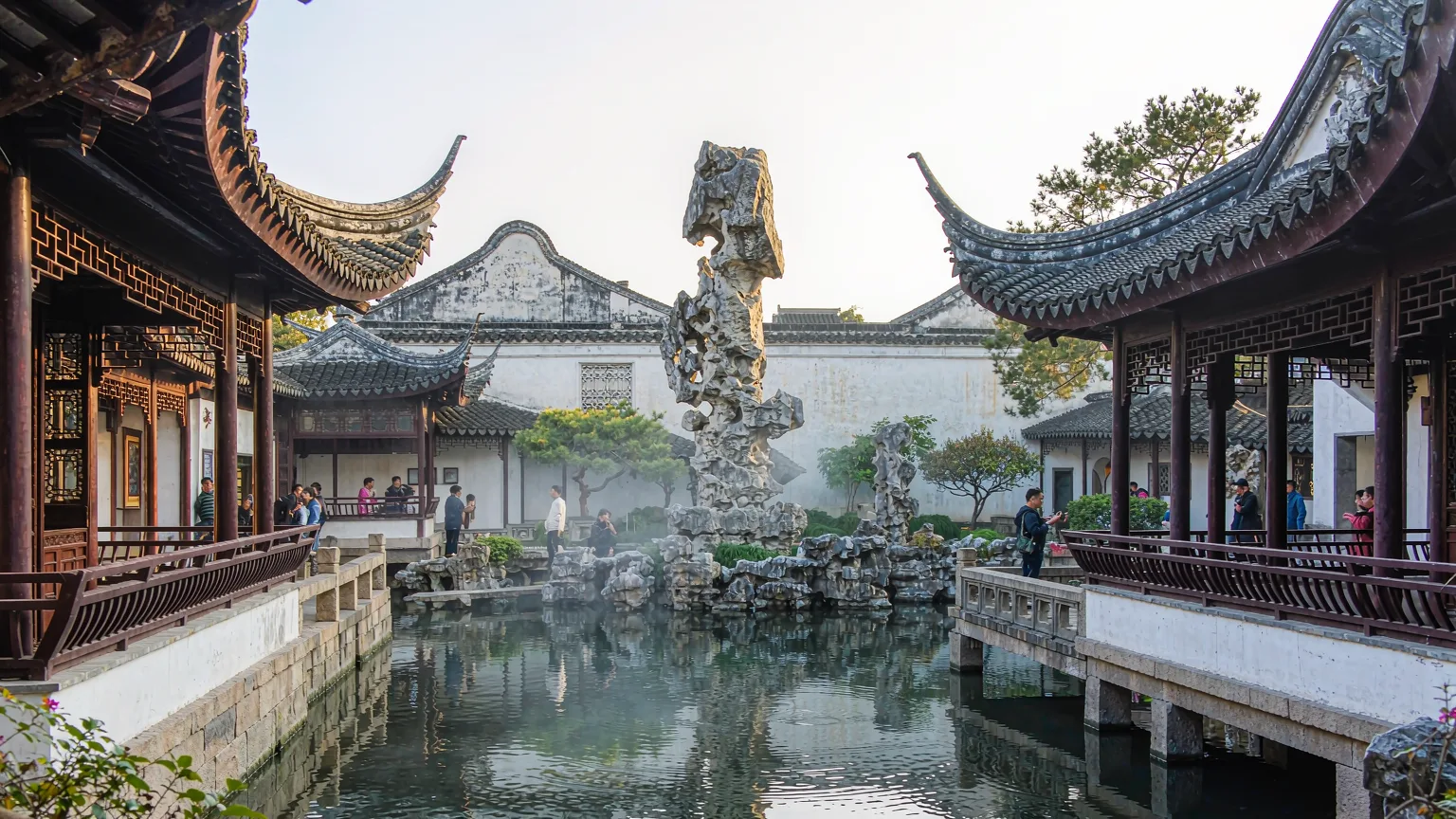
The Lingering Garden (Liuyuan) was first built in 1593 during the Ming Dynasty by Xu Taishi, an official who was dismissed from office. Over centuries, it changed hands multiple times, reaching its peak in the Qing Dynasty under owner Liu Shu. The garden is celebrated for its masterful spatial arrangement, dividing the 2.3-hectare site into four distinct zones: the central garden, eastern garden, western garden, and northern garden. Each area features classical elements like rockeries, ponds, corridors, and pavilions, creating a series of ever-changing vistas that exemplify the art of Chinese garden design.
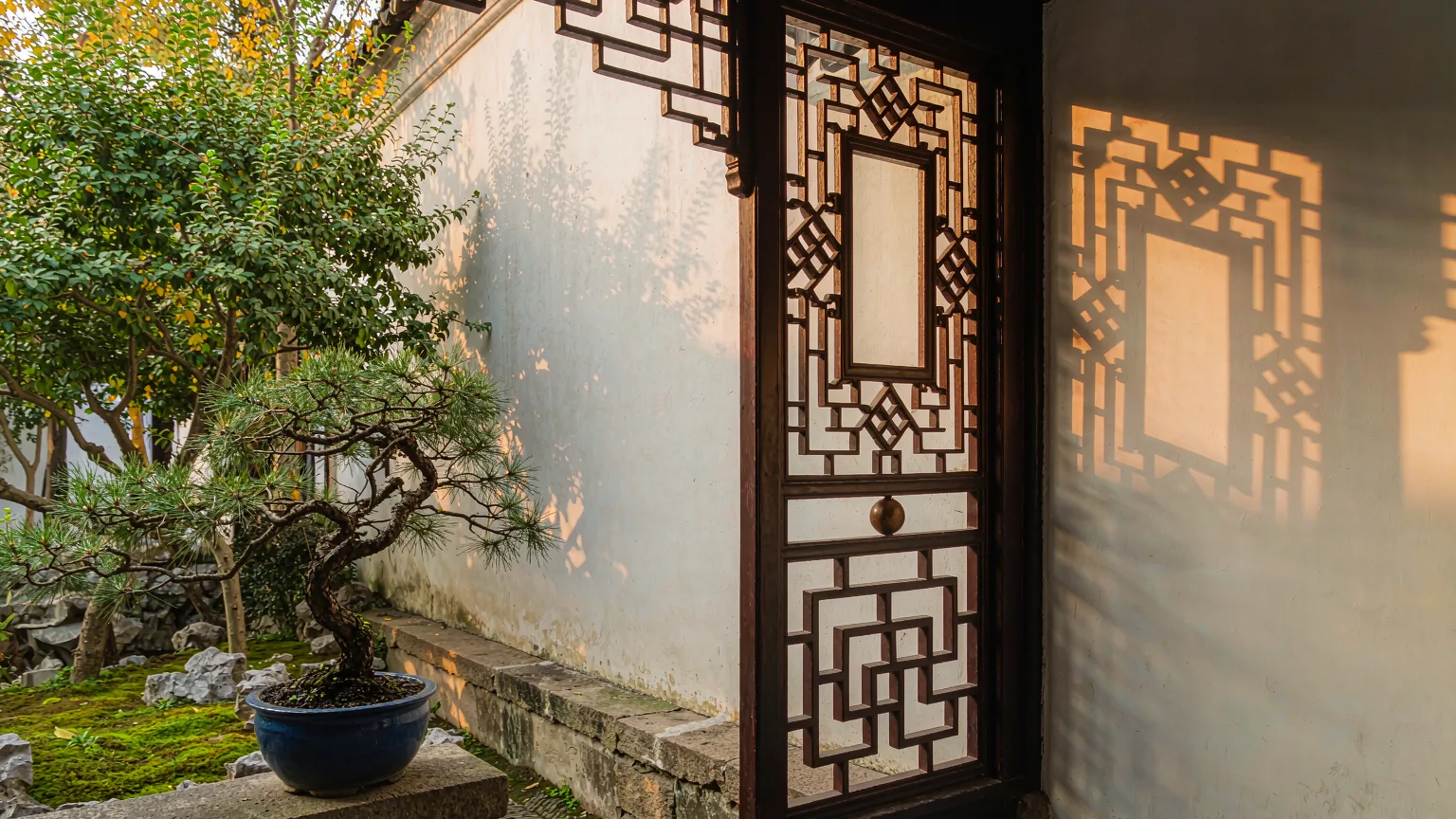
In 1997, the Lingering Garden was inscribed as a UNESCO World Heritage Site as part of the Classical Gardens of Suzhou. It is renowned for its architectural ingenuity, particularly the use of corridors and lattice windows to frame views and create illusions of depth. The famous Cloud-Capped Peak, a 6.5-meter-tall Taihu stone, is a highlight. The garden also houses numerous calligraphy works and antique furniture, reflecting the cultural refinement of its former owners. Today, it stands as a testament to the harmonious blend of nature and human creativity.
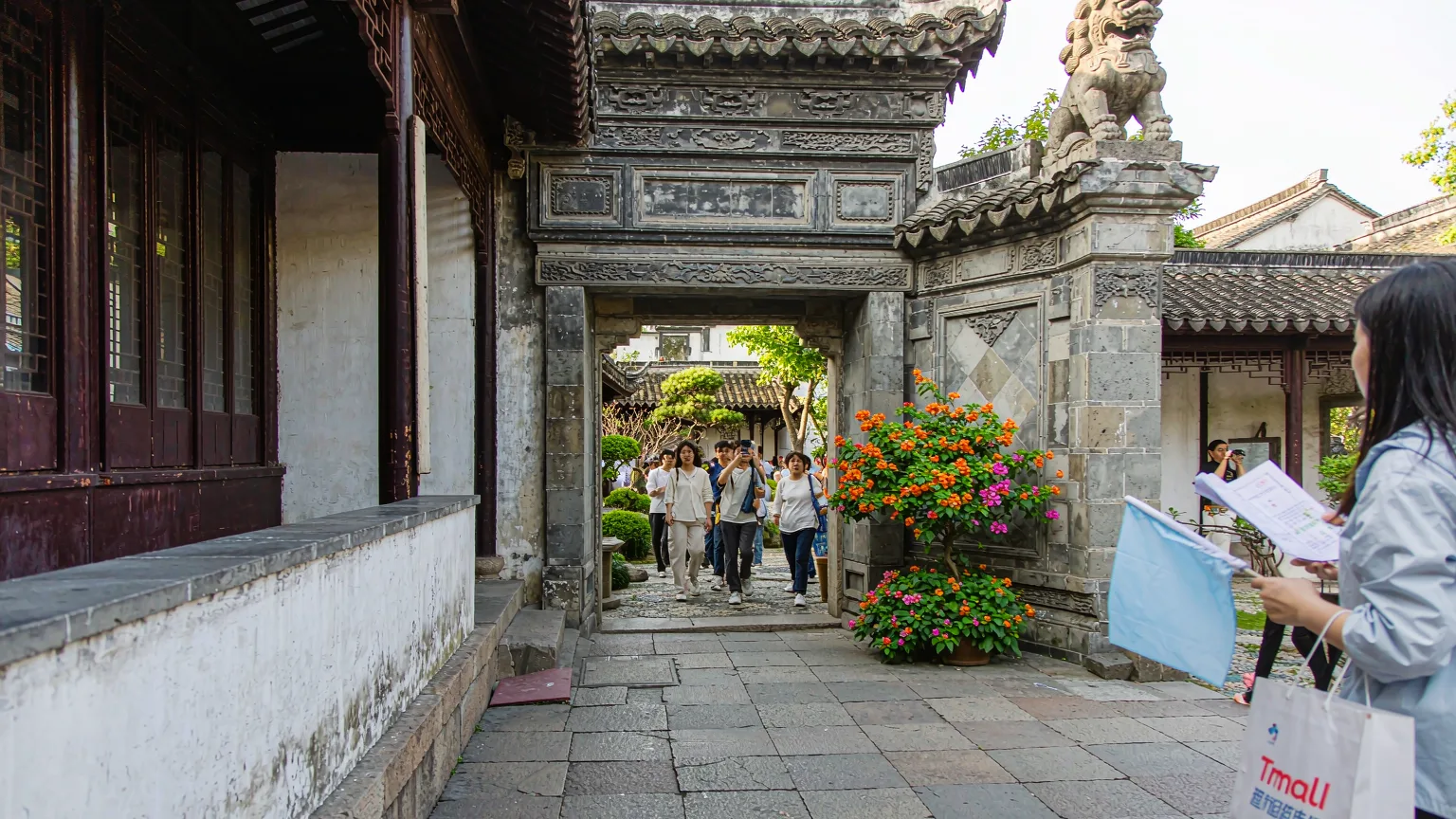
The Lingering Garden is located at 338 Liuyuan Road, about 2 km west of the Old Town. The easiest way is by taxi or Didi (around ¥20 from the city center), or take Metro Line 2 to Shilu Station and transfer to bus 85 or 317. Many travelers combine it with a visit to the nearby Tiger Hill or Hanshan Temple. Our private guide can arrange seamless transfers and tailor the day to your pace.
Peak season (Apr–Oct): ¥55; off-peak (Nov–Mar): ¥45. Opening hours: 7:30–17:30 (last entry 16:50). Book online via the official WeChat account or Trip.com to skip the queue. Foreign credit cards are accepted at the ticket office, but for online bookings, WeChat Pay or Alipay linked to an international card is recommended.
The best time to visit is early morning on a weekday, especially in spring (April–May) or autumn (September–October) when the weather is mild and the garden is less crowded. Avoid Chinese public holidays and weekends, when tour groups flood the site. Late afternoon also offers softer light for photography, but check closing times.
Absolutely. As one of Suzhou's four great gardens, it offers a quintessential classical garden experience with fewer crowds than the Humble Administrator's Garden. Its architectural brilliance and serene atmosphere make it a must-see.
Plan for 1.5 to 2 hours to explore the main areas. If you're a garden enthusiast or want to take photos, allow 2.5 hours. Guided tours typically last about 1.5 hours.
Yes, there are English signs at major points, and audio guides in English are available for rent at the entrance. Our private guides provide in-depth commentary and can tailor the tour to your interests.
Yes, the ticket office accepts international credit cards. However, for online bookings, you'll need WeChat Pay or Alipay linked to an international card. We recommend booking through our service to avoid any hassle.
Tell us your dates, group size and preferences — a dedicated consultant will reach out within 24 hours.