
Guest — sign in to save your enquiries.
My account
Lijiang Old Town is a UNESCO World Heritage site and the heart of the Naxi people, with 800 years of history woven into its cobbled lanes and waterways. Our private guides help you navigate its maze, uncover hidden courtyards, and experience the living culture beyond the crowds.

Lijiang Old Town, also known as Dayan, was built in the late Song Dynasty and flourished as a trading hub on the Tea Horse Road. Its unique layout lacks city walls, and its network of canals, bridges, and wooden buildings reflects Naxi culture and Feng Shui principles. In 1997, UNESCO listed it as a World Heritage Site for its outstanding cultural landscape.
Today, the old town is a lively mix of heritage and tourism, with shops, guesthouses, and cafes. While commercialization is evident, the Naxi people still reside here, and their traditions, like Dongba script and ancient music, endure. Our guides can take you to quieter corners and explain the symbolism behind the architecture.

Lijiang is served by Lijiang Sanyi Airport (LJG) and a high-speed rail station with connections from Kunming (about 3 hours) and Dali (1.5 hours). From the station, take a taxi (¥30-50) or bus to the old town. Our private transfers can meet you and handle luggage, as vehicles cannot enter the pedestrian zone. We recommend spending at least half a day exploring, ideally with a guide to navigate the labyrinth.
Entry to Lijiang Old Town is free, but a maintenance fee of ¥50 is charged at some entrances (often included in tours). Mu Palace costs ¥60, Wangu Tower ¥50, and Black Dragon Pool ¥50 (or free with a valid maintenance fee receipt). Opening hours vary by site, generally 8:00-18:00. Book through our concierge to avoid queues; WeChat Pay and Alipay are widely accepted, but foreign cards may not work everywhere, so carry cash.
The best time to visit is spring (March-May) or autumn (September-November) when the weather is mild and skies are clear. Avoid the rainy summer and cold winter. Early morning is ideal to see the town without crowds, while evening offers a romantic atmosphere with lanterns, but be prepared for more people.
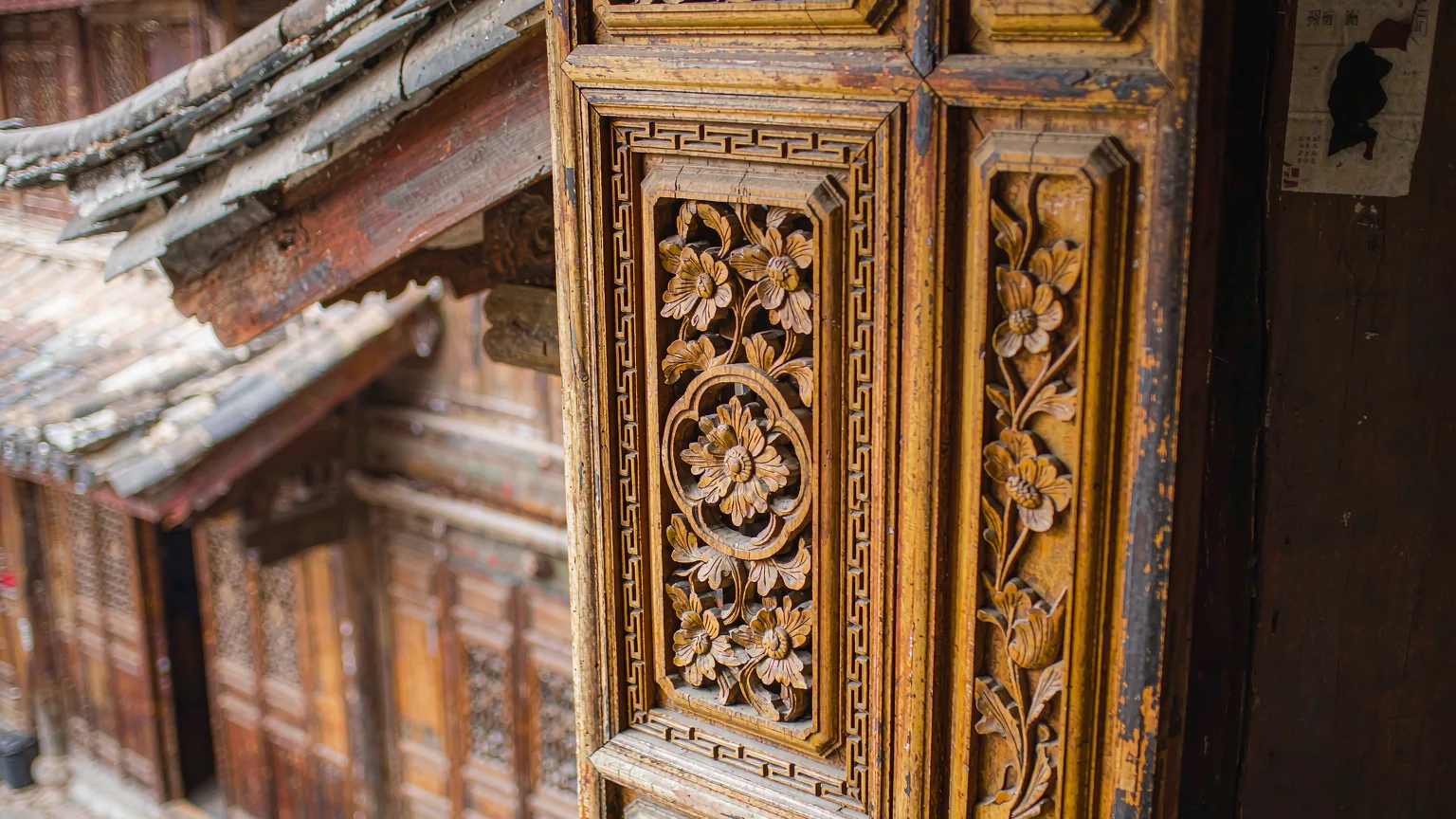
Absolutely. It's a UNESCO site with unique Naxi culture, architecture, and scenery. Our guides help you see beyond the tourist shops to its living heritage.
At least half a day, but we recommend 1-2 days to explore thoroughly and visit nearby attractions like Jade Dragon Snow Mountain.
Many shops and restaurants have English signs, but less so in quieter lanes. Our guides can translate and recommend authentic spots.
Major hotels and some larger shops accept cards, but smaller vendors prefer WeChat Pay, Alipay, or cash. Set up mobile payment before you go.
Tell us your dates, group size and preferences — a dedicated consultant will reach out within 24 hours.