
Guest — sign in to save your enquiries.
My account
Rising straight from the Yellow Sea, Laoshan is the highest coastal mountain range in China and a cradle of Taoist culture. Its granite peaks, ancient temples and sea views have drawn pilgrims and poets for over two thousand years. With our private guide, you skip the confusing bus networks and hike straight to the most spectacular viewpoints.
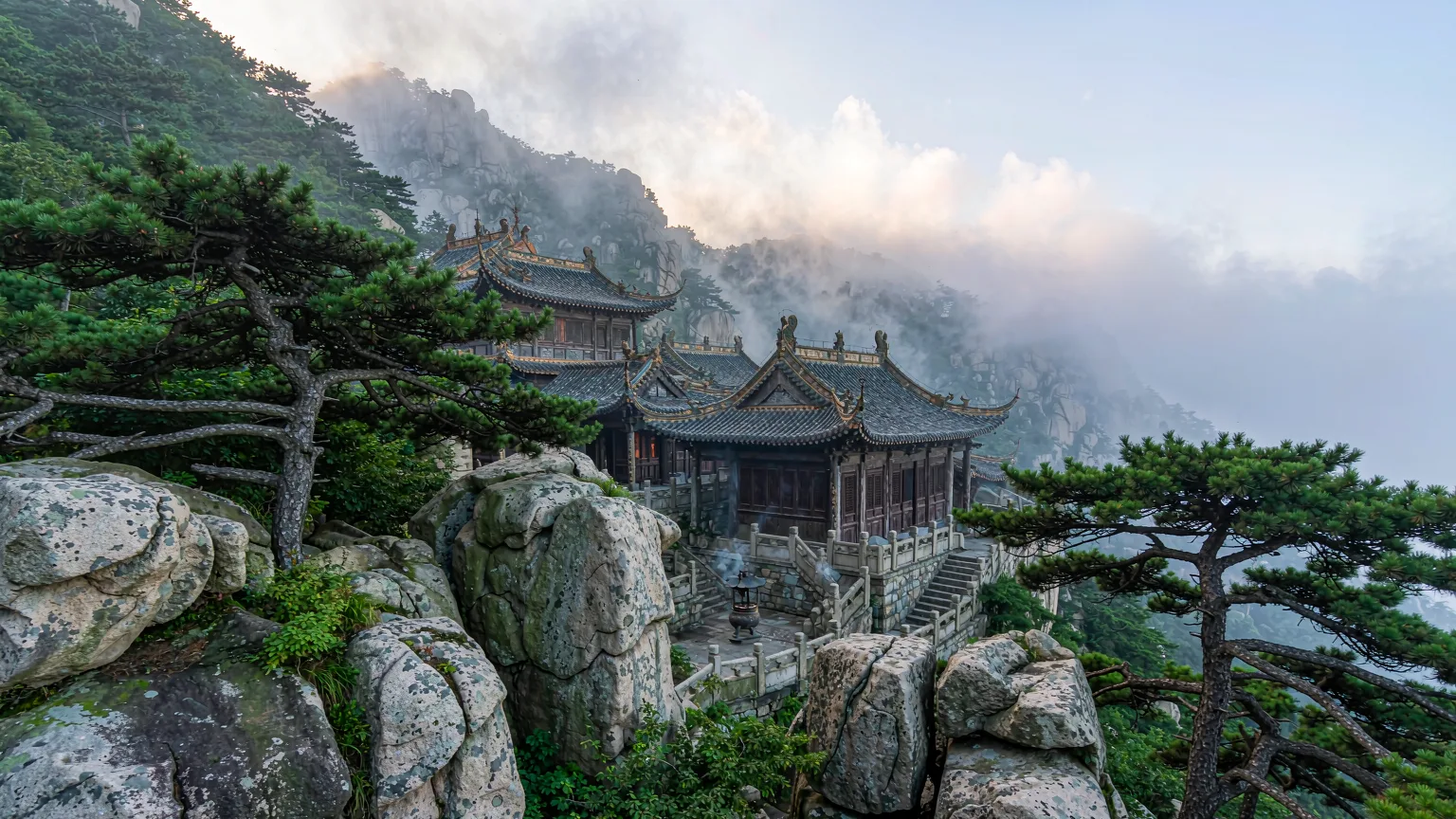
Laoshan has been a sacred site since the Qin Dynasty, when emperors sought immortality here. It became a major Taoist centre, home to the Quanzhen school, and its remoteness preserved many temples. The mountain's name means 'mountain by the sea', and its dramatic landscape of granite boulders, caves and springs has inspired legends of immortals. Today it is a 5A-rated scenic area with several distinct zones, each offering different trails and cultural relics.
The range is divided into several main areas: Taiqing Palace, the largest Taoist temple on the mountain; Beijiushui, famous for its waterfalls and pools; and Jufeng, the highest peak at 1,133 metres. The scenery changes with the seasons, from cherry blossoms in spring to misty sea views in summer. Because the zones are spread out, planning is essential. Our guides know the quietest routes and can arrange transport between entrances, so you spend your time exploring rather than waiting for shuttle buses.
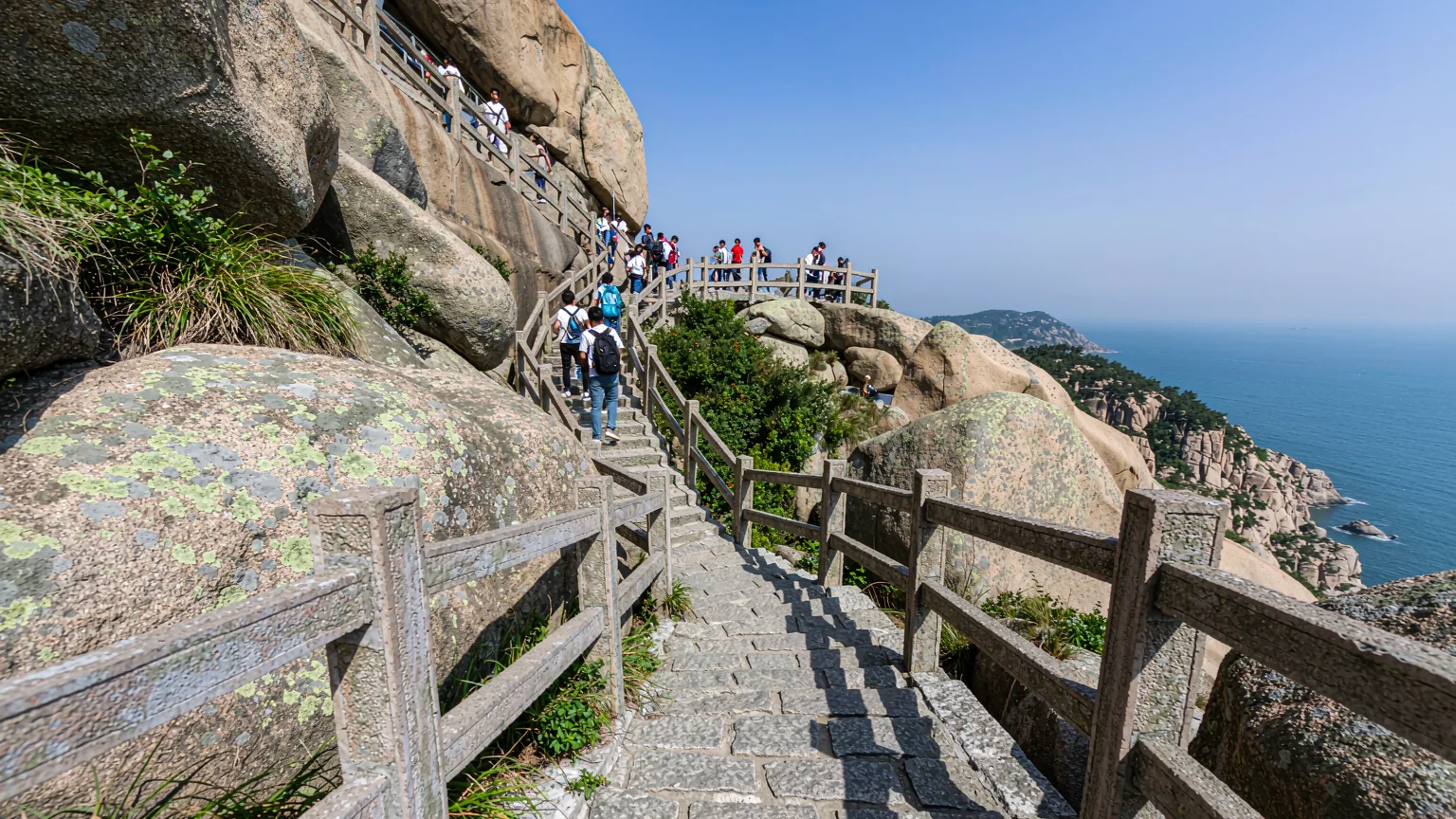
Laoshan is about 40 km east of Qingdao city centre. The easiest way is by taxi or private car (40–60 minutes, ¥100–150), as public buses are slow and crowded. Alternatively, take Metro Line 11 to Puli Station, then a short taxi to the nearest entrance. Our private tours include hotel pickup and drop-off, so you can combine Laoshan with a visit to the coast or return to Qingdao for dinner.
Admission varies by zone: Taiqing Palace ¥27, Beijiushui ¥45, Jufeng ¥80 (peak season). Shuttle buses inside the scenic area cost extra (¥15–30). Opening hours are roughly 7:00–17:30, shorter in winter. Book via the official WeChat account or Trip.com; foreign cards are accepted on Trip.com, but for on-site payments, WeChat Pay or Alipay linked to an international card is best.
The best time to visit is from April to June and September to October, when temperatures are mild and skies clearer. Summer weekends are crowded and humid, while winter can be cold and windy. For fewer crowds and beautiful light, go on a weekday morning, arriving at opening time. Autumn offers crisp air and colourful foliage.
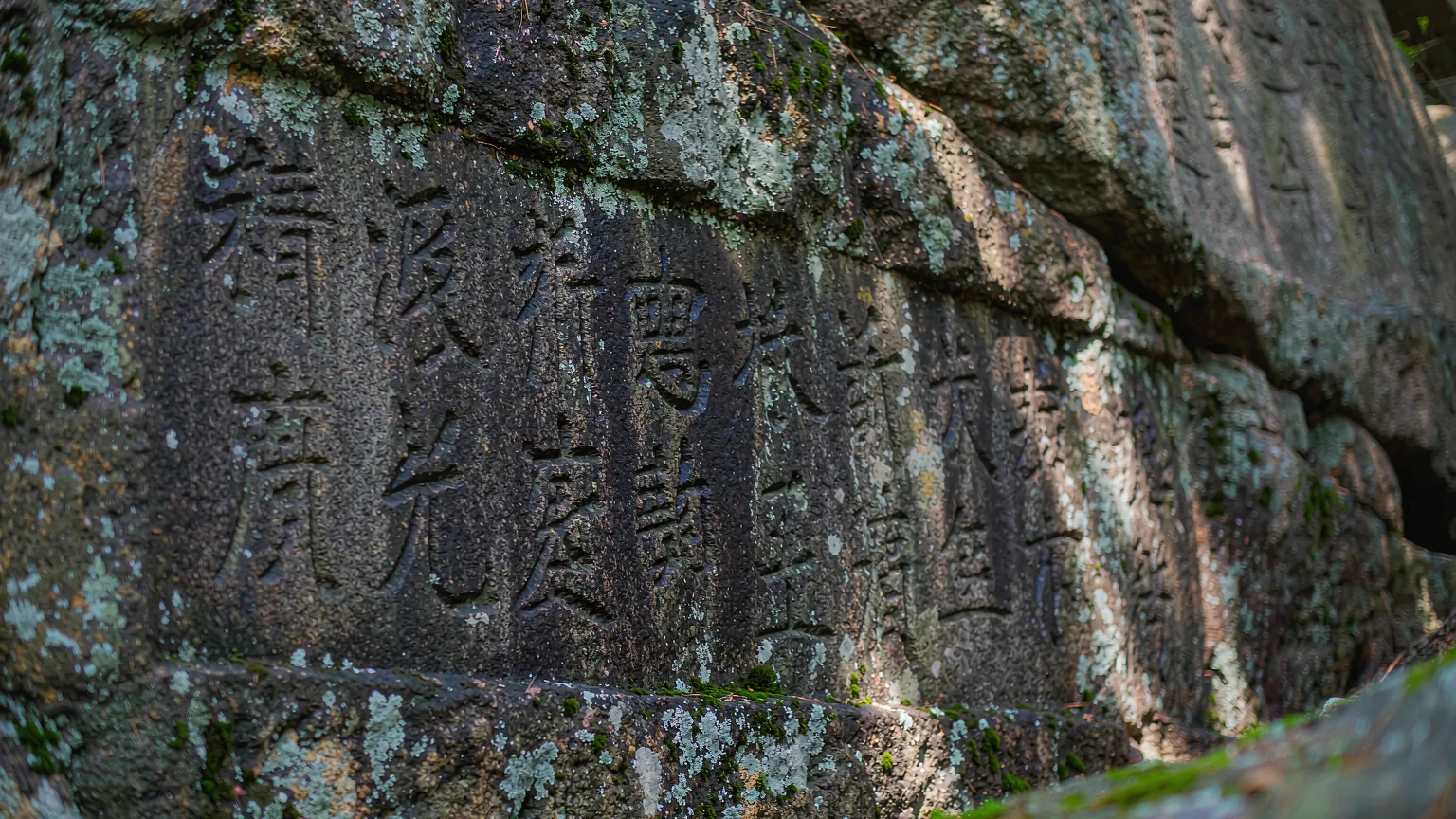
A half-day is enough for one zone, but to see two or three main areas, allow a full day. With private transport, you can cover Taiqing Palace and Beijiushui comfortably in 6–8 hours.
Yes, if you stick to the easier zones like Taiqing Palace and Beijiushui, which have paved paths and shuttle buses. Jufeng is strenuous and not recommended for young children or those with mobility issues.
It's possible, but the scattered entrances, limited English signage and complex shuttle system make it challenging. A guide saves time, explains the culture, and ensures you see the best parts.
Comfortable shoes, weather-appropriate clothing, sunscreen, water, and cash for small fees. A camera is essential for the sea views. In summer, insect repellent is useful.
Tell us your dates, group size and preferences — a dedicated consultant will reach out within 24 hours.