
Guest — sign in to save your enquiries.
My account
Kuanzhai Alley is Chengdu's best-preserved Qing-era quarter, three parallel lanes — Wide, Narrow and Well — where grey-brick courtyards now hold teahouses, Sichuan snack kitchens and craft studios. It is the easiest place to feel old Chengdu without leaving the city centre. With our private guide, you skip the crowds at the right hours, understand what each doorway once was, and taste the street food worth your appetite.
Kuanzhai Alleys (Wide and Narrow Alleys) is a trio of restored Qing-dynasty lanes — Wide Alley, Narrow Alley and Well Alley — preserving classic western-Sichuan courtyard architecture in the heart of Chengdu. It is the city's signature scene for slow living: sipping covered-bowl tea in a courtyard teahouse, watching a Sichuan-opera face-changing show, trying the local ear-cleaning ritual, or browsing craft shops. Entry is free and the lanes never close, though shops mostly run 09:00-22:00. The downside is crowds — weekends and midday are packed — so aim for a weekday morning or early evening. Metro Line 4 to Kuanzhai Alley Station stops right at the entrance. Allow about two hours, longer if you settle into a teahouse. Major signs are bilingual; teahouse staff may not speak English, but picture menus are standard.

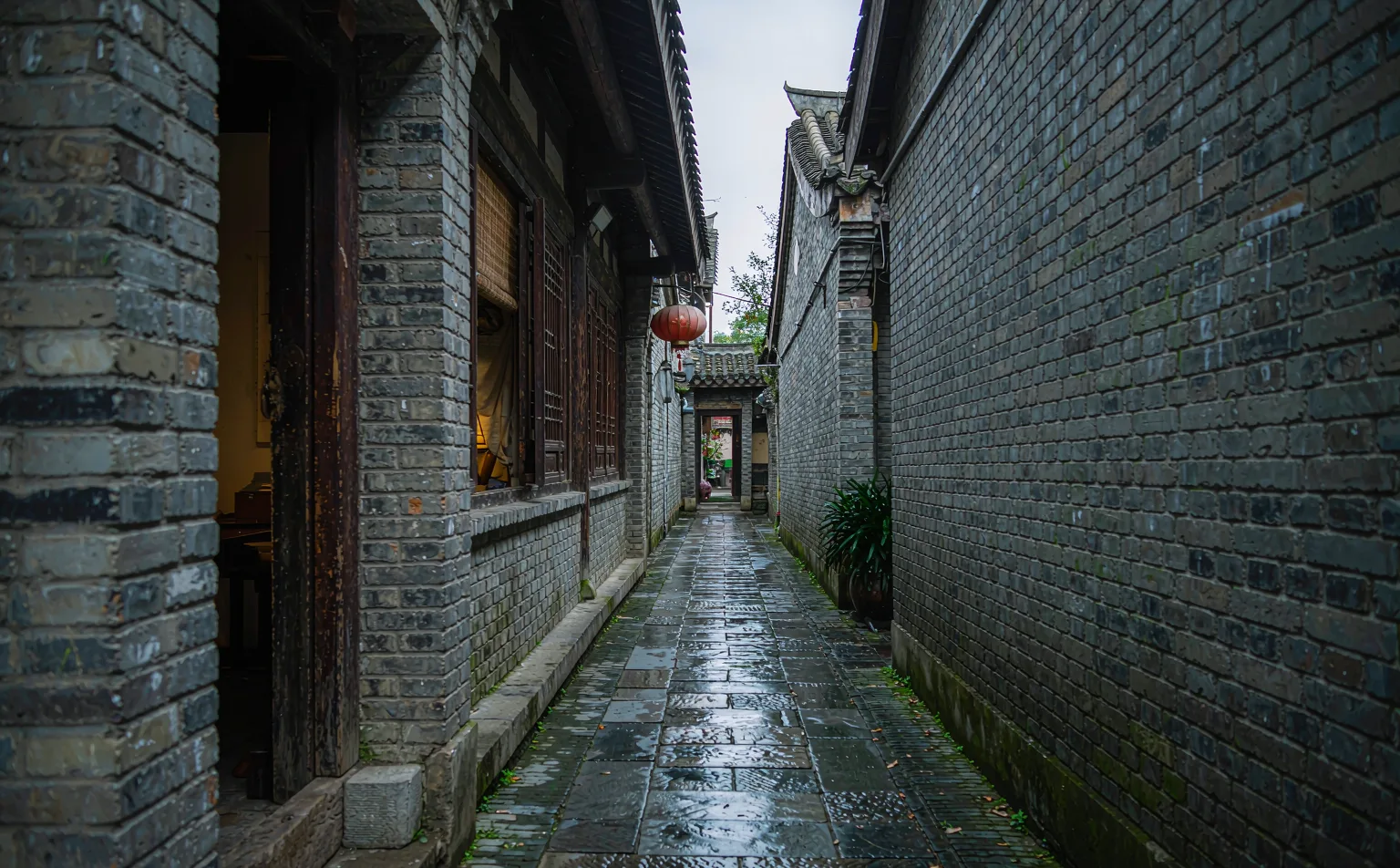
Kuanzhai Alley (宽窄巷子) grew from the Manchu garrison city built in 1718, when Qing troops were stationed in Chengdu after the conquest of Sichuan. The three lanes were laid out as military housing: Wide Alley for officers and officials, Narrow Alley for soldiers and staff, and Well Alley for lower ranks and services. The grey-brick courtyard houses, wooden lattice windows and stone gateways you see today are the survivors of that era, restored after 2003 rather than rebuilt as a theme park. Walking them in order — Wide, then Narrow, then Well — gives you a readable social map of the old garrison.
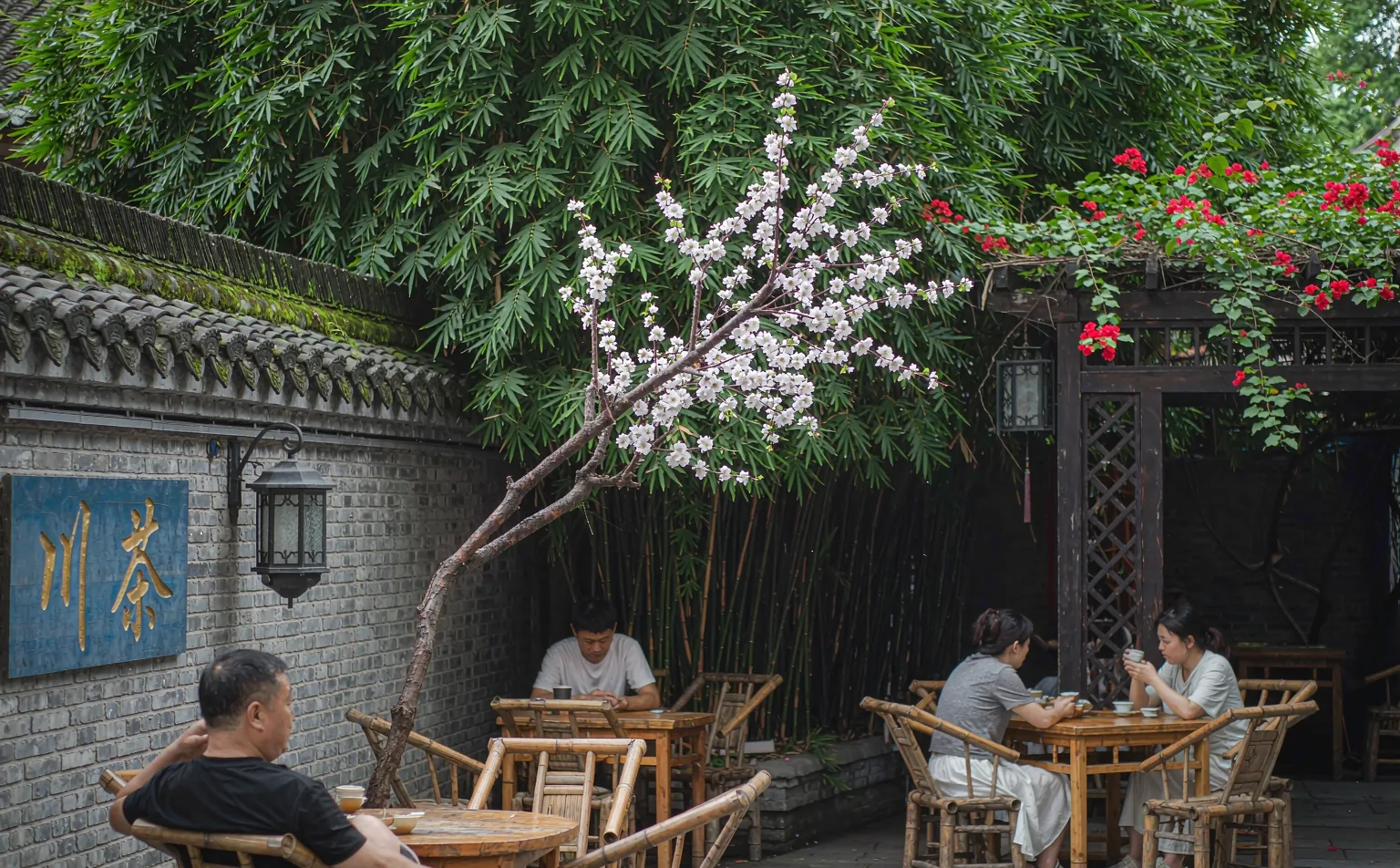
The district sits in Qingyang, a short walk from Tianfu Square and the People's Park, and it is compact: roughly 500 metres end to end. That makes it ideal for a half-day, paired with a teahouse stop or a Sichuan opera face-changing show nearby. Restoration brought chains and souvenir stalls, but the bones are genuine, and side courtyards still hide local life: mahjong, ear-cleaning, bamboo chairs. Our guides point out which gates are original, which craftspeople are worth your time, and where to eat without queuing behind tour groups.
Kuanzhai Alley is at the corner of Changshun Street and Tongren Road in Qingyang District, about 1.5 km from Tianfu Square. The cleanest arrival is Metro Line 4 to Kuanzhai Alley Station (宽窄巷子站), Exit B, which puts you at the south entrance in under two minutes. Line 2 to People's Park Station is a 10-minute walk. Taxis and DiDi from Chunxi Road take 15–25 minutes depending on traffic. We usually slot it into a half-day with the People's Park teahouse and a Sichuan opera show, or as a relaxed first evening after arrival.
Entry to the lanes is free and they are open 24 hours, though most shops run roughly 10:00–22:00. No booking is needed for the street itself; individual teahouses, shows and workshops may require reservations, which we handle for you. Bring small change or set up WeChat Pay or Alipay in advance — foreign cards can be linked to both, and many stalls now prefer QR payment over cash.
Visit on a weekday morning between 8:00 and 10:00, when the lanes are nearly empty, the light is soft on the grey brick, and teahouses are just opening. Avoid weekend afternoons and Chinese public holidays, when the narrow lanes become shoulder-to-shoulder. Spring (March–May) and autumn (September–November) give the most comfortable walking weather; summer is humid and winter is grey but quiet.
Yes, if you pair it with the nearby People's Park and a Sichuan opera show. It is compact, central and gives you a quick, readable taste of old Chengdu without a long detour.
You can walk it alone, but a guide explains which courtyards are original, orders the right snacks, and times your visit to avoid the worst crowds — worth it for a first trip.
Start with dan dan noodles, long chaoshou wontons, san da pao rice balls and sweet ice jelly. Portions are small, so share several dishes rather than committing to one.
Most stalls and teahouses use QR codes. Link your foreign Visa or Mastercard to Alipay or WeChat Pay before you go; cash is accepted but change can be scarce.
Tell us your dates, group size and preferences — a dedicated consultant will reach out within 24 hours.