
Guest — sign in to save your enquiries.
My account
Kashgar Old Town is the beating heart of the Silk Road, a labyrinth of sun-baked mud-brick lanes where Uyghur culture thrives. Wander through its alleys to discover ancient mosques, bustling bazaars, and workshops that have barely changed in centuries. With our private guide, you'll navigate the maze effortlessly, unlocking stories and hidden gems that most visitors miss.
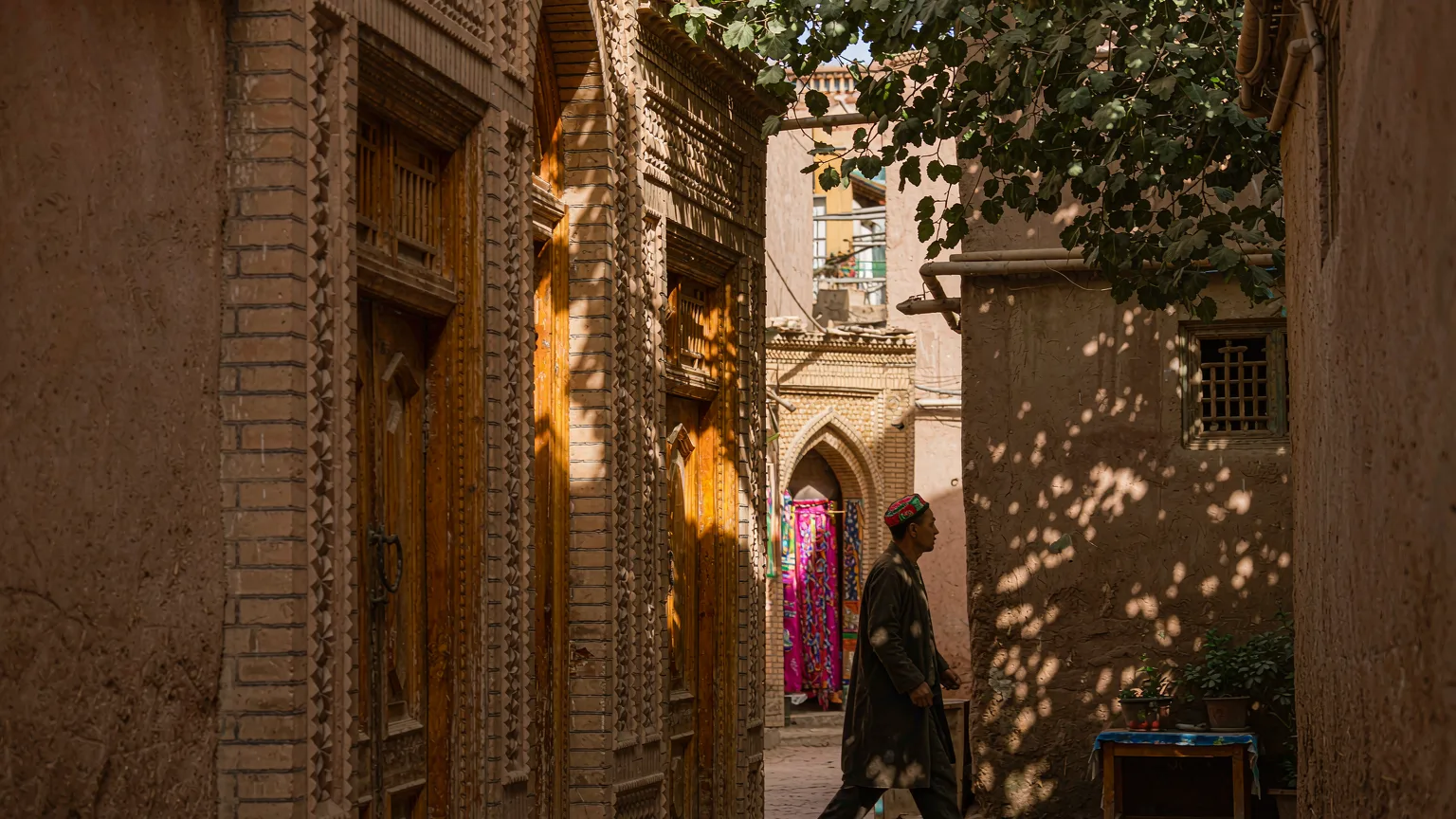
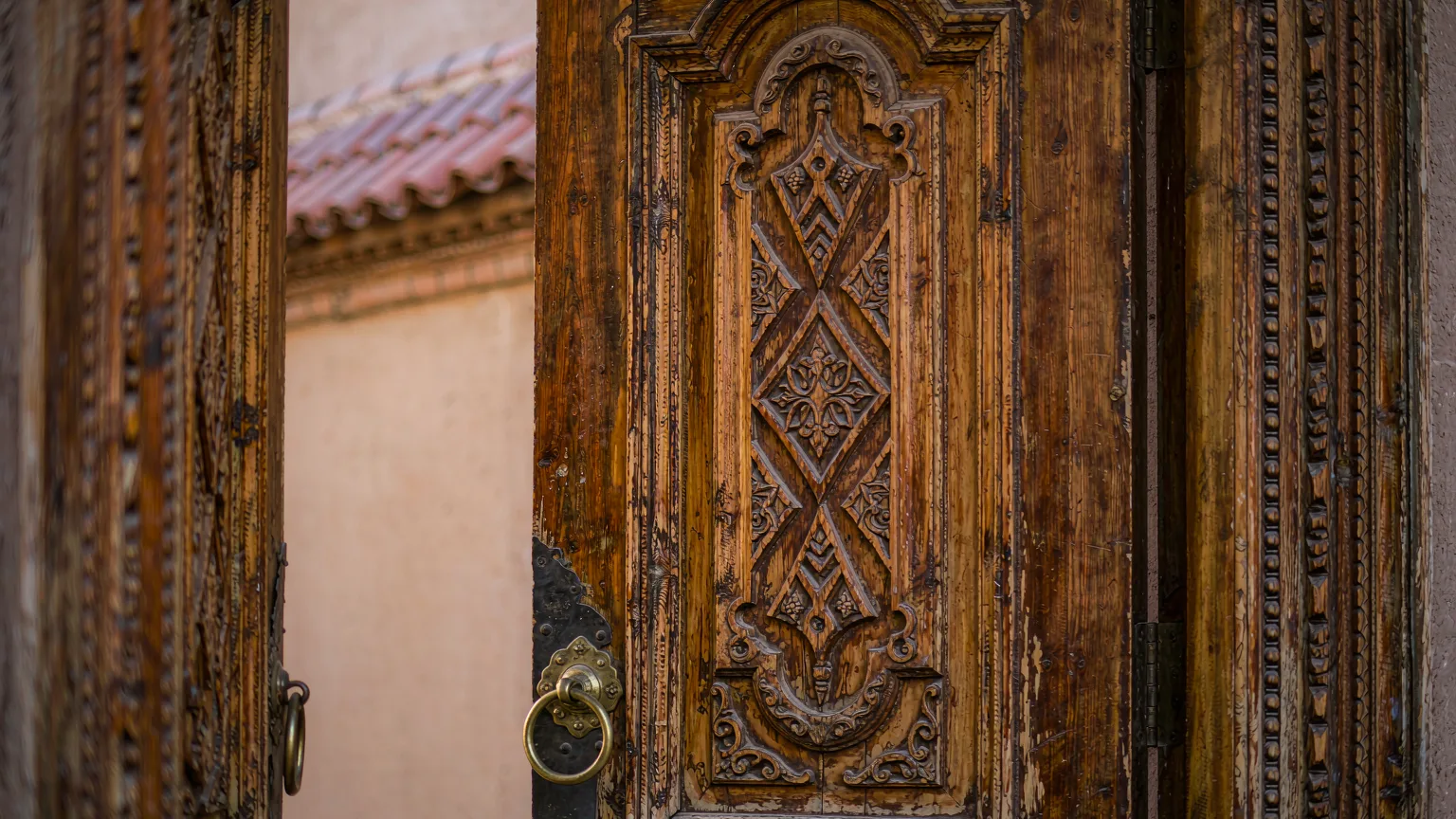
Kashgar Old Town, known locally as Kashgar's ancient city, is one of the largest surviving earthen architectural complexes in the world. Its history stretches back over 2,000 years, when it was a pivotal trading hub on the Silk Road. The town's maze-like layout, with narrow alleys and interconnected rooftops, was designed for both defense and community living. Despite modernization, the old town retains its Uyghur character, with ornate wooden doors, carved pillars, and vibrant markets that echo its storied past.
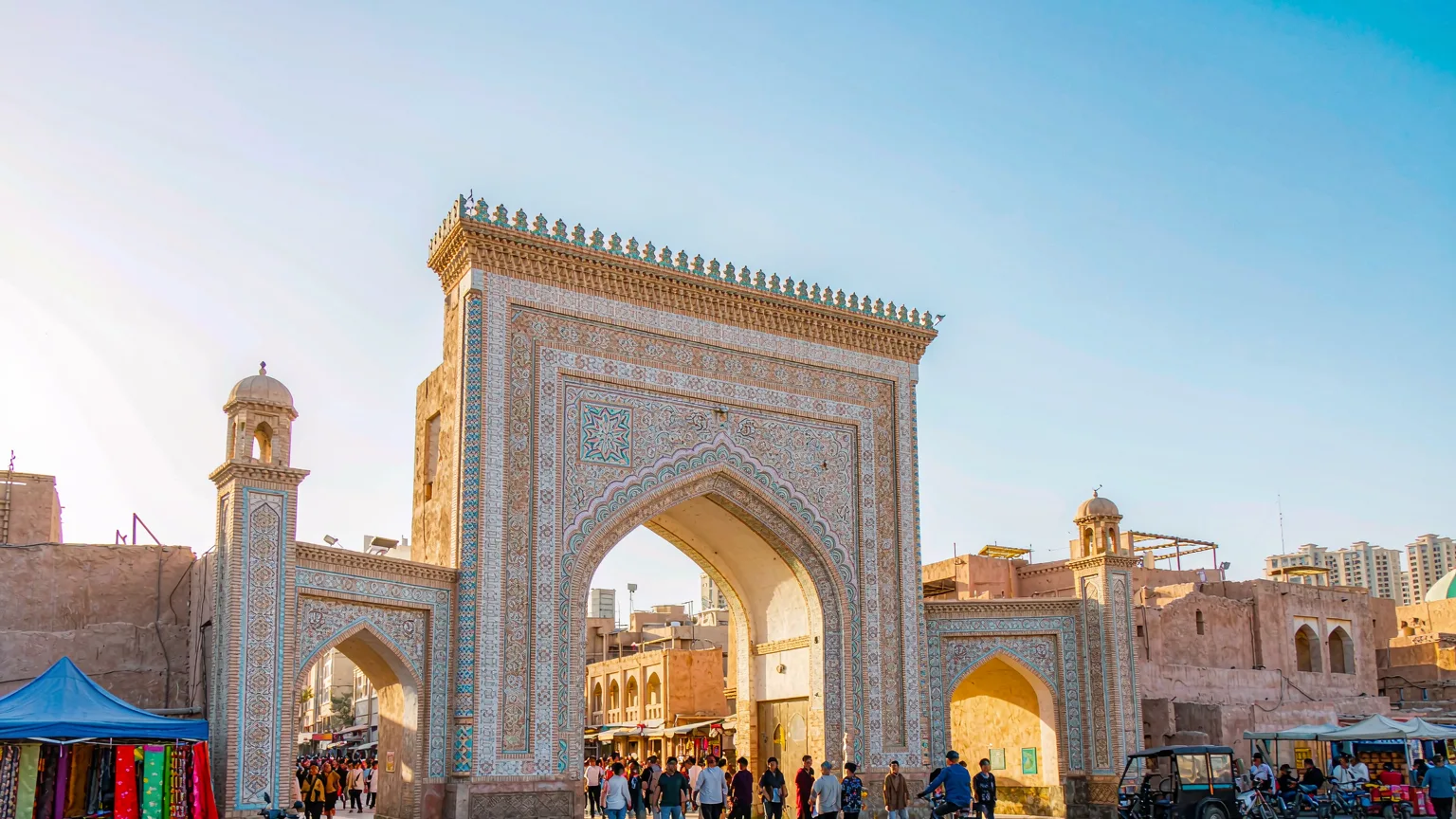
Today, the old town is a living neighborhood where families have resided for generations. The government has invested in restoration, preserving the traditional mud-brick houses while improving infrastructure. Visitors can explore key sites like the Id Kah Mosque, the largest in China, and the Sunday Livestock Market, a spectacle of rural life. The old town also offers a glimpse into traditional crafts, from copper smithing to carpet weaving, making it a cultural treasure trove.
Kashgar is served by Kashgar Airport (KHG) with domestic flights from major cities like Beijing and Urumqi. From the airport, a taxi to the old town takes about 30 minutes and costs around ¥30-50. Alternatively, high-speed trains connect Urumqi to Kashgar in about 5 hours. Once in the city, the old town is walkable, but our guide can arrange private transfers to and from your hotel, ensuring a seamless experience.
Entry to Kashgar Old Town is free, but some individual attractions like the Id Kah Mosque charge a small fee (around ¥20-45). Opening hours vary by site; the old town itself is always accessible. For the mosque, avoid prayer times. Book through our guide to skip queues and get insights. WeChat Pay and Alipay are widely accepted, but foreign cards may not work everywhere; carry some cash (¥) for small vendors.
The best time to visit is from May to October, when the weather is mild and the markets are in full swing. Spring (April-May) and autumn (September-October) offer comfortable temperatures and fewer crowds. Avoid the scorching summer afternoons; instead, explore in the early morning or late afternoon when the light is golden and the locals are out.
Yes, it's generally safe. Petty crime is rare, but keep an eye on your belongings in crowded bazaars. Our guides ensure you feel secure throughout your visit.
Modest clothing is respectful. Women should cover shoulders and knees; men should avoid sleeveless tops. Comfortable walking shoes are essential for the uneven alleys.
Credit cards are rarely accepted. Bring cash (¥) or use WeChat Pay/Alipay linked to a Chinese bank account. ATMs are available but may not accept foreign cards.
A half-day gives a taste, but a full day allows you to delve into the markets, mosques, and crafts. With our guide, you can customize your pace.
Tell us your dates, group size and preferences — a dedicated consultant will reach out within 24 hours.