
Guest — sign in to save your enquiries.
My account
Jiaohe Ancient City is a 2,000-year-old Silk Road ruin, carved from a plateau between two rivers and once the capital of the Jushi Kingdom. Its sun-baked streets, temples and dwellings form one of the best-preserved earthen cities in the world. With our private guide, you'll decode its Buddhist stupas and Tang-era history without the guesswork, and visit comfortably despite Turpan's desert heat.
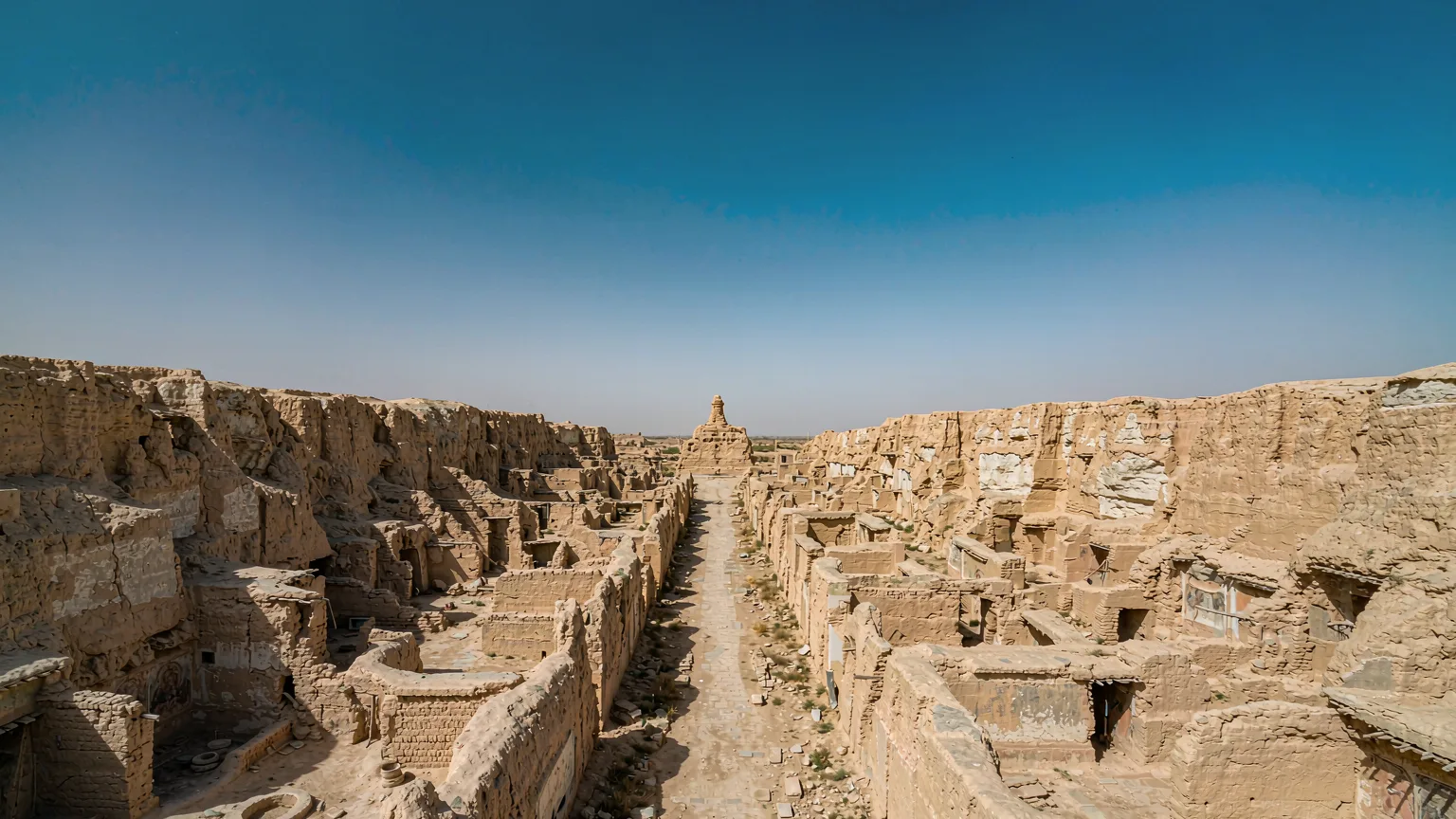
Jiaohe (Yarkhoto) was founded as the capital of the Jushi (Gushi) Kingdom by the 1st century BCE and later became a key Tang dynasty garrison on the Silk Road. The city was built on a 30-meter-high islet between two rivers, with no city walls—the steep cliffs served as natural defenses. At its peak, it housed some 7,000 residents, including Buddhist monks, merchants and soldiers. Abandoned after the 14th century due to warfare and water shortages, it was rediscovered in the 20th century and inscribed as a UNESCO World Heritage Site in 2014 as part of the Silk Roads network.
The ruins cover about 220,000 square meters and are remarkably intact because of the arid climate. You can still walk along the central avenue, see the foundations of government offices, residential blocks, and a large Buddhist monastery with a central stupa. The site is divided into three zones: the Buddhist temple area in the north, the residential and official area in the center, and the burial grounds to the south. Excavations have yielded manuscripts, sculptures and coins that trace cultural exchanges between China, India and Central Asia. For history lovers, Jiaohe offers a tangible link to the Silk Road's golden age.
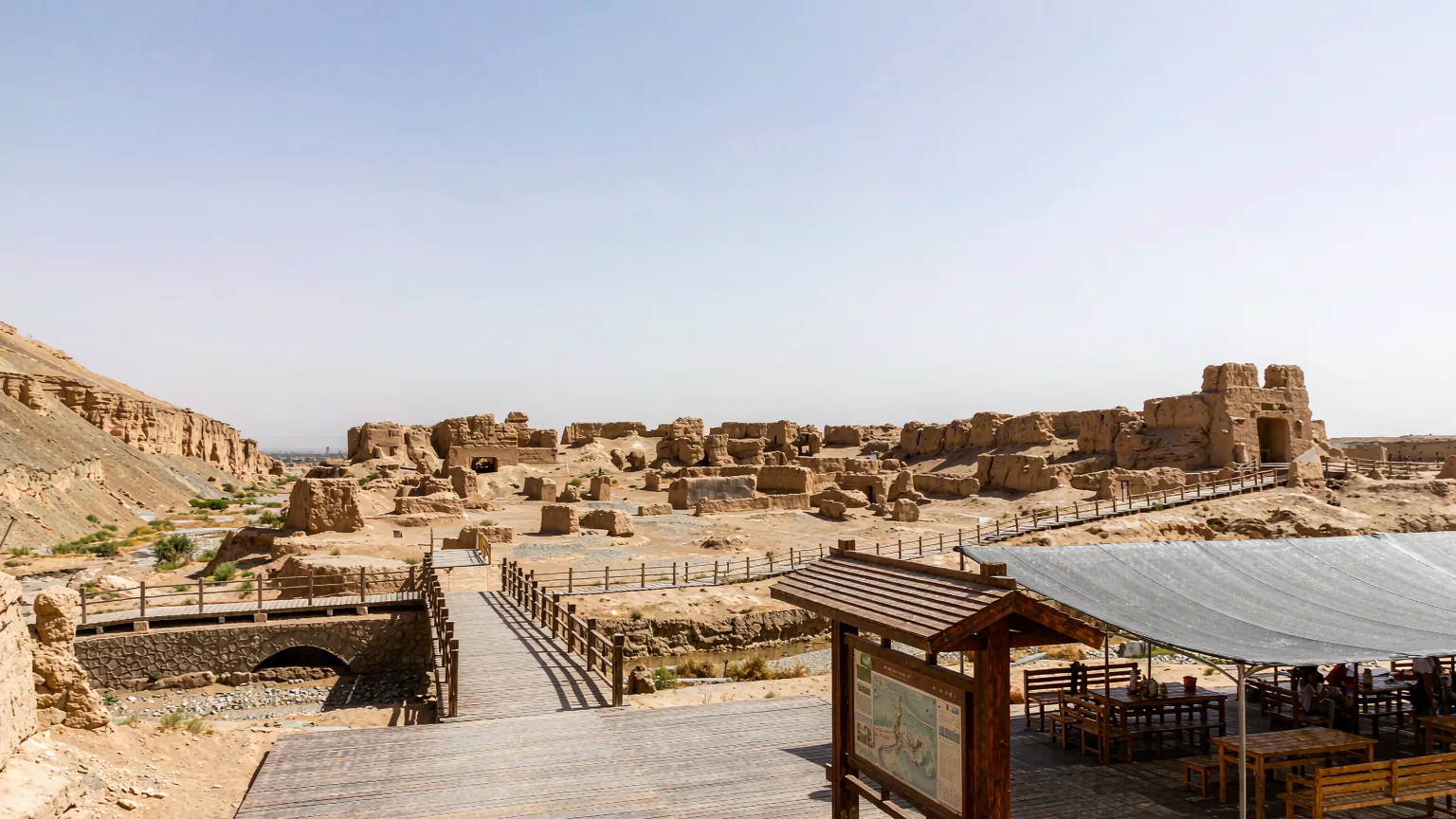
Jiaohe is about 10 km west of Turpan city. The easiest way is a private car or taxi (around ¥50–70 one way, 20 minutes). Alternatively, take bus No. 3 from Turpan's city center to the Jiaohe stop, then walk 15 minutes. Many travelers combine it with the nearby Astana Tombs and Bezeklik Caves for a full day of Silk Road history. Our guide can arrange a comfortable vehicle and time your visit to avoid the midday heat.
Admission: ¥70 (April–October), ¥45 (November–March). Opening hours: 9:00–20:00 (summer), 10:00–18:00 (winter). Tickets can be purchased at the gate or via WeChat/Alipay mini-programs; foreign cards are not accepted, so bring cash or use a local payment app linked to an international card. Our guide can pre-book to skip queues.
Visit in spring (April–May) or autumn (September–October) when temperatures are mild (15–25°C). Summer afternoons can exceed 40°C, so go at opening time (9:00) or after 17:00 for cooler weather and golden-hour photography. Winter is cold but quiet, with clear skies and no crowds.
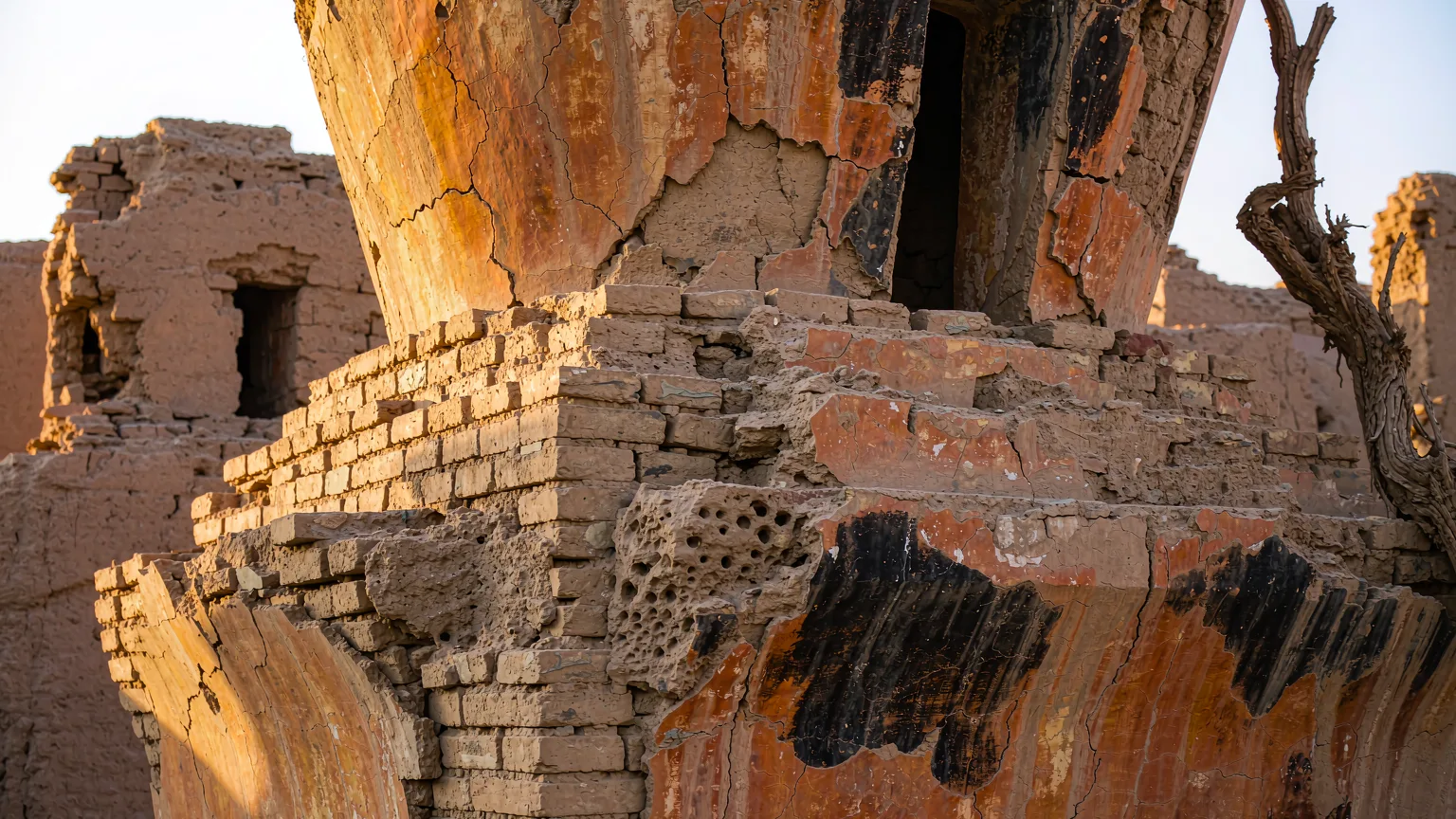
No, the site has uneven dirt paths, steps and no ramps. Visitors with mobility issues may find it challenging. Our guide can suggest alternative viewpoints if needed.
Most visitors spend 1.5 to 2 hours exploring the main areas. History enthusiasts may want 3 hours to fully appreciate the details with a guide.
No, the ticket office only accepts cash (CNY) or Chinese mobile payments. We recommend bringing cash or setting up Alipay/WeChat Pay with an international card in advance.
Yes, major points have English labels, but they are brief. A private guide brings the ruins to life with stories and context that signage lacks.
Tell us your dates, group size and preferences — a dedicated consultant will reach out within 24 hours.