
Guest — sign in to save your enquiries.
My account
The Id Kah Mosque is the beating heart of Kashgar, a vast yellow-tiled complex that has anchored the city's spiritual and social life for nearly six centuries. As China's largest mosque, it draws thousands of worshippers each Friday and offers travellers a rare window into Uyghur culture. With our private guide, you'll navigate respectfully, understand the etiquette, and uncover the stories behind this living monument.
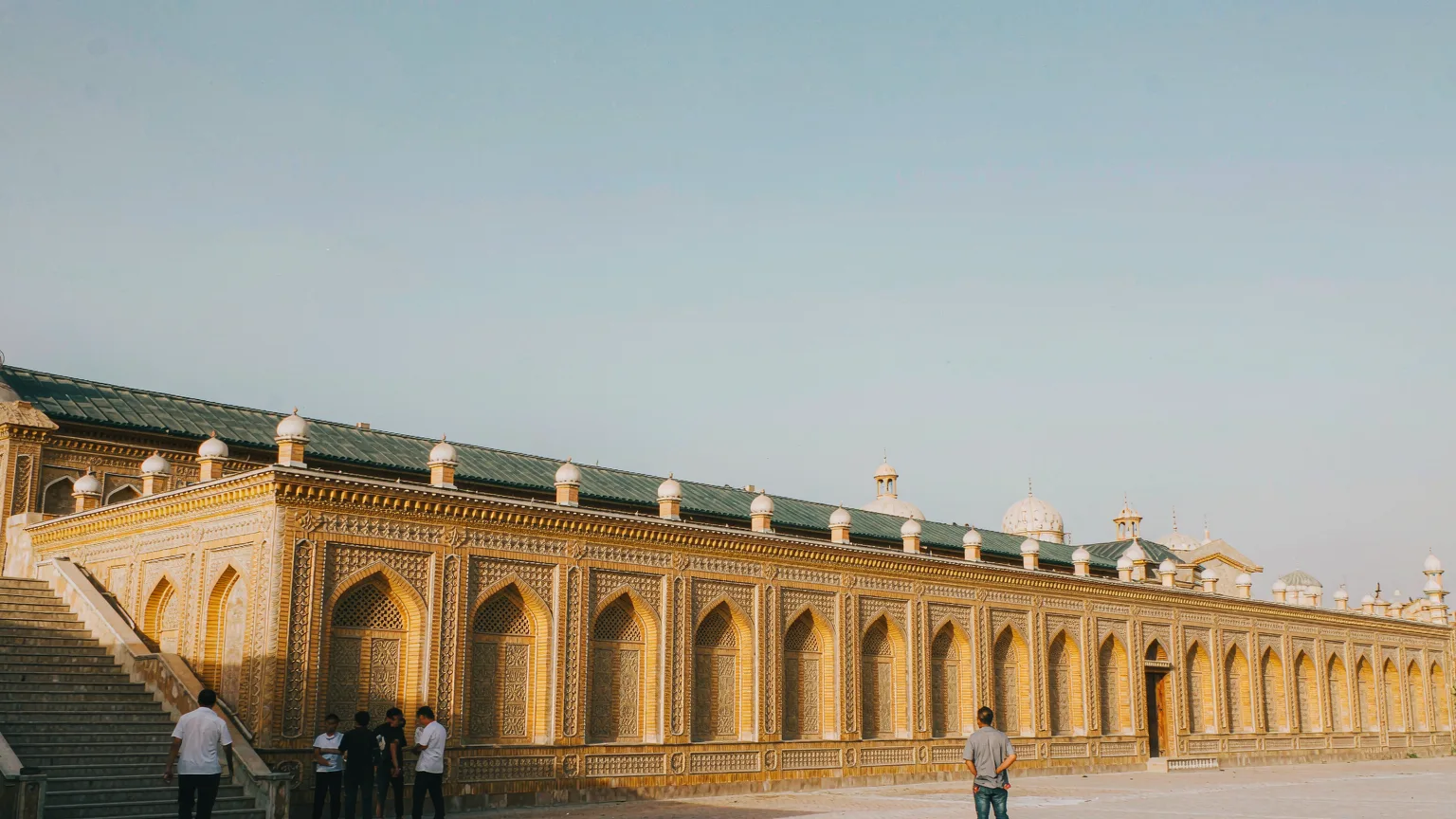
Built in 1442 by Saqsiz Mirza, the ruler of Kashgar, the Id Kah Mosque has been expanded and renovated many times over the centuries, evolving into the sprawling complex we see today. Its name means 'place of festivity' in Uyghur, reflecting its role as a gathering place for celebrations and community events. The mosque covers 16,800 square meters and can accommodate up to 20,000 worshippers, making it the largest in China. Its iconic yellow-tiled facade, ornate wooden pillars, and serene courtyards showcase a blend of Islamic and Central Asian architectural styles. For locals, it remains a vital religious and cultural centre, especially during Friday prayers and the Eid festivals.
The mosque is not just a historical relic but a living place of worship. Non-Muslim visitors are generally allowed to enter the courtyard and gardens outside prayer times, but the main prayer hall is reserved for Muslims. The site includes a madrasa, a library, and a bazaar area that once thrived around its walls. Over the years, it has withstood political upheavals and restoration efforts, standing as a symbol of Uyghur identity. Today, it's a focal point of Kashgar's Old City, where travellers can witness the daily rhythms of local life. Our guides can provide context on the mosque's significance and help you observe respectfully.
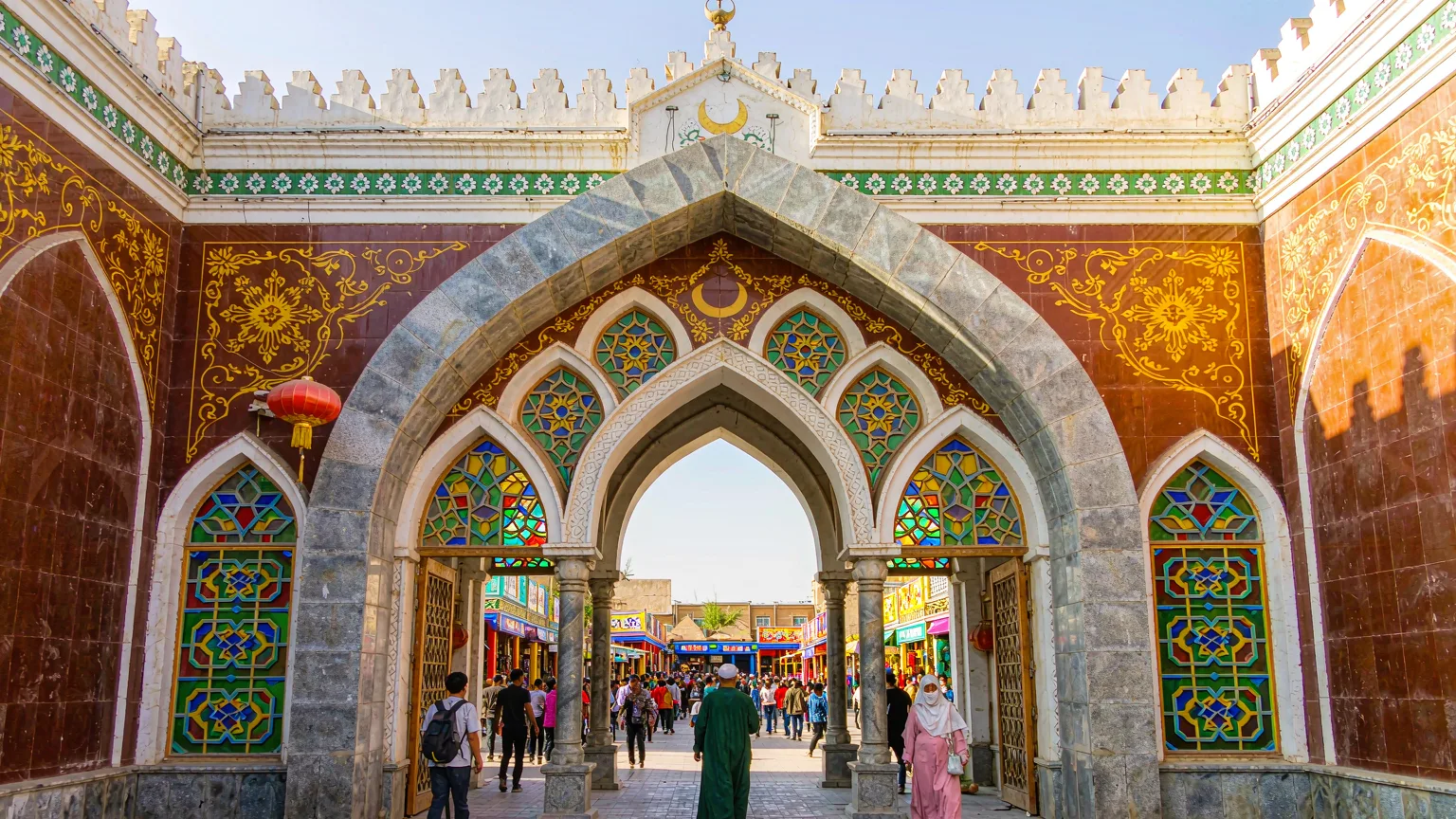
The Id Kah Mosque is located in the heart of Kashgar's Old City, easily accessible on foot from most central hotels. A taxi from the airport or railway station takes about 20-30 minutes and costs around ¥30-50. If you're arriving by high-speed rail from Urumqi, the station is a 15-minute drive away. We recommend combining your visit with a walk through the Old City and the nearby Sunday Bazaar. Our private guide can arrange seamless transfers and timing to avoid the crowds.
Entry to the courtyard is free for non-Muslim visitors outside prayer times, though a donation of ¥20-30 is appreciated. Opening hours are roughly 10:00-18:00, but closed to tourists during Friday prayers (around 12:00-14:00) and Eid festivals. No advance booking is required, but our guide can confirm daily schedules. Bring cash in small bills; WeChat Pay and Alipay are widely accepted in Kashgar, but foreign cards may not work, so carry yuan.
The best time to visit is in the late afternoon, from 16:00 to 18:00, when the light is golden and the crowds thin out. Spring (April-May) and autumn (September-October) offer pleasant weather, avoiding the extreme heat of summer and cold of winter. Avoid Fridays around noon if you want to explore the courtyard, as it's reserved for prayers.
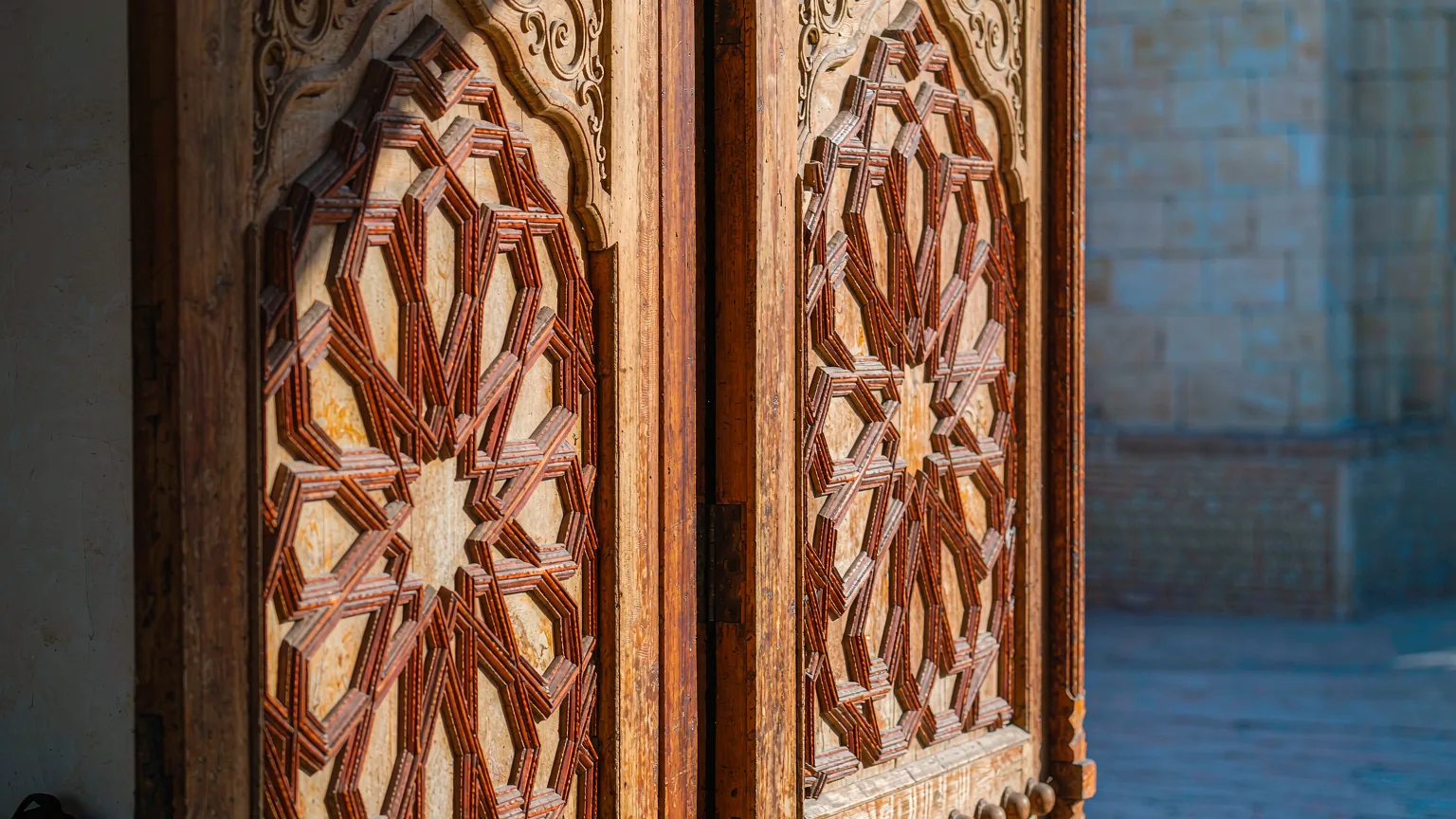
Yes, non-Muslims can enter the courtyard and gardens outside prayer times, but the main prayer hall is off-limits. Dress modestly and behave respectfully.
Entry is generally free, but a donation of ¥20-30 is customary. Some areas may have a small fee during peak times.
The mosque is open to tourists roughly from 10:00 to 18:00, but closed during Friday prayers (around 12:00-14:00) and Eid festivals.
It's in the centre of Kashgar's Old City, walkable from most hotels. Taxis from the airport take 20-30 minutes and cost ¥30-50.
Tell us your dates, group size and preferences — a dedicated consultant will reach out within 24 hours.