
Guest — sign in to save your enquiries.
My account
Hulishan Fortress is a remarkably preserved Qing-dynasty coastal battery guarding the entrance to Xiamen Harbour. Its star attraction is the massive Krupp gun, the largest surviving coastal artillery piece in the world. With our private guide, you'll skip the confusion and dive straight into the fort's layered history, from its 1890s construction to its role in the Second World War.
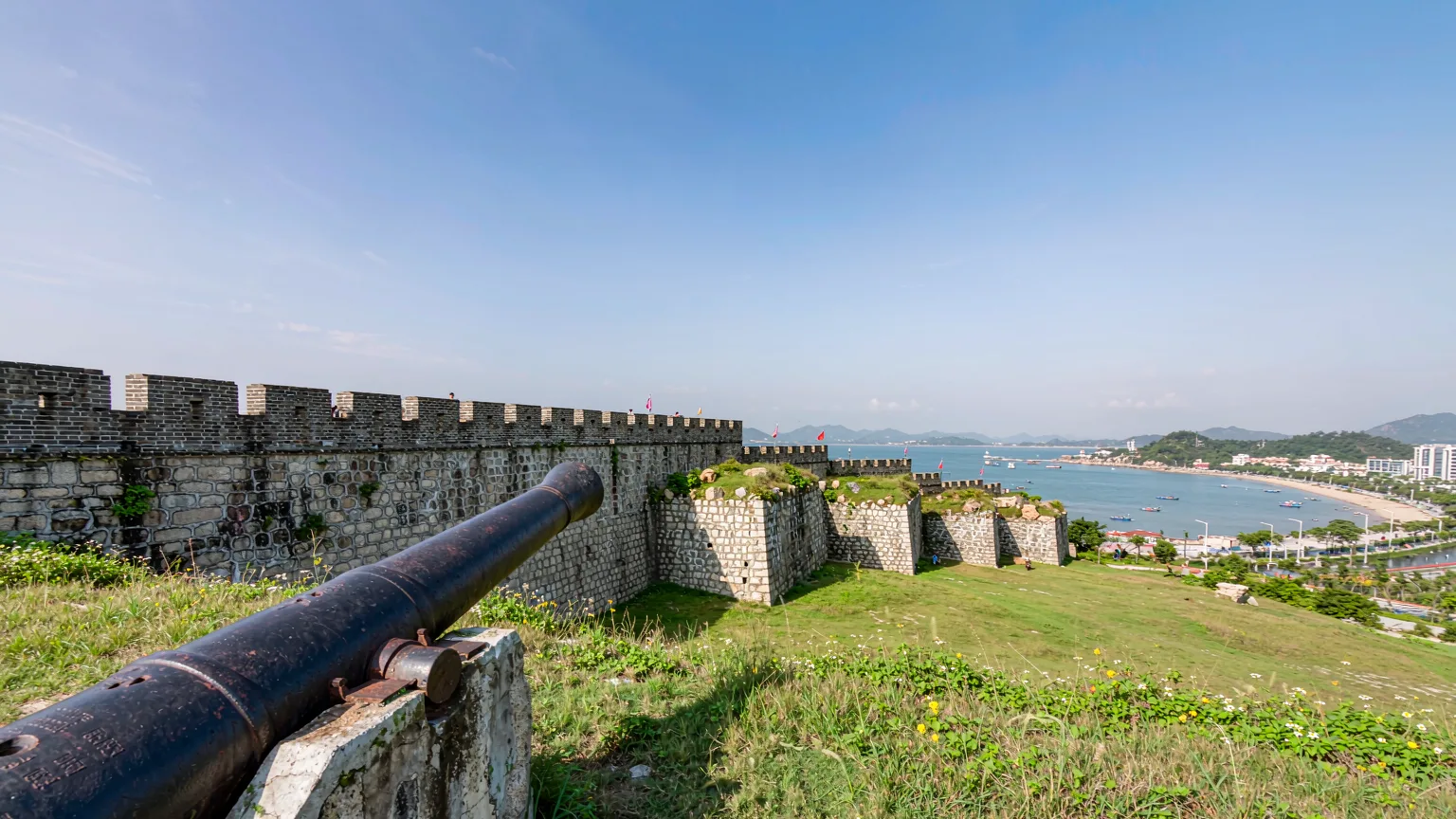
Built in 1894 during the Qing dynasty's self-strengthening movement, Hulishan Fortress was designed to protect Xiamen from foreign naval threats. The fort's engineers incorporated European military technology, including two enormous Krupp guns purchased from Germany. The larger of the two, a 280mm cannon, weighs over 50 tons and could fire a 300kg shell nearly 20 kilometres. Its presence here is a testament to the Qing court's belated but serious attempt to modernise its coastal defences. The fortress saw action in 1937 when it fired on Japanese warships during the Second Sino-Japanese War, and it remains a powerful symbol of China's maritime history.
Today, the fortress is a well-maintained museum and a 4A-rated scenic spot. Visitors can explore the barracks, ammunition depots, and observation posts, all set within a lush, terraced garden overlooking the sea. The site also houses a small museum displaying artefacts and photographs from the fort's operational days. A walk along the ramparts offers panoramic views of the Taiwan Strait and the busy shipping lanes below. It's an easy and rewarding half-day trip from downtown Xiamen, and our guides can bring the stories of the soldiers and the guns to life.

Hulishan Fortress is located on the southern tip of Xiamen Island, about 10 km from the city centre. The easiest way is by taxi or ride-hailing app (around ¥30-40 from Zhongshan Road). Alternatively, take Bus 22, 48, or 96 to Hulishan Station. Many travellers combine it with a visit to Xiamen University and Nanputuo Temple, which are nearby. Our private tours include hotel pickup and drop-off, so you can avoid the hassle of public transport and maximise your time.
Admission: ¥25 per adult (children under 1.2m free). Opening hours: 7:30-18:00 (last entry 17:30). Tickets can be purchased at the gate, but we recommend booking through our guide to skip the queue, especially on weekends and holidays. Foreign credit cards are not accepted at the ticket office; bring cash (CNY) or use WeChat Pay/Alipay if you have a Chinese bank account linked.
The best time to visit is during the shoulder seasons (March-May and September-November) when the weather is mild and the crowds are thinner. Early morning (right at opening) or late afternoon (after 15:00) offers cooler temperatures and softer light for photography. Avoid midday during summer, as the fort has limited shade and can get very hot.
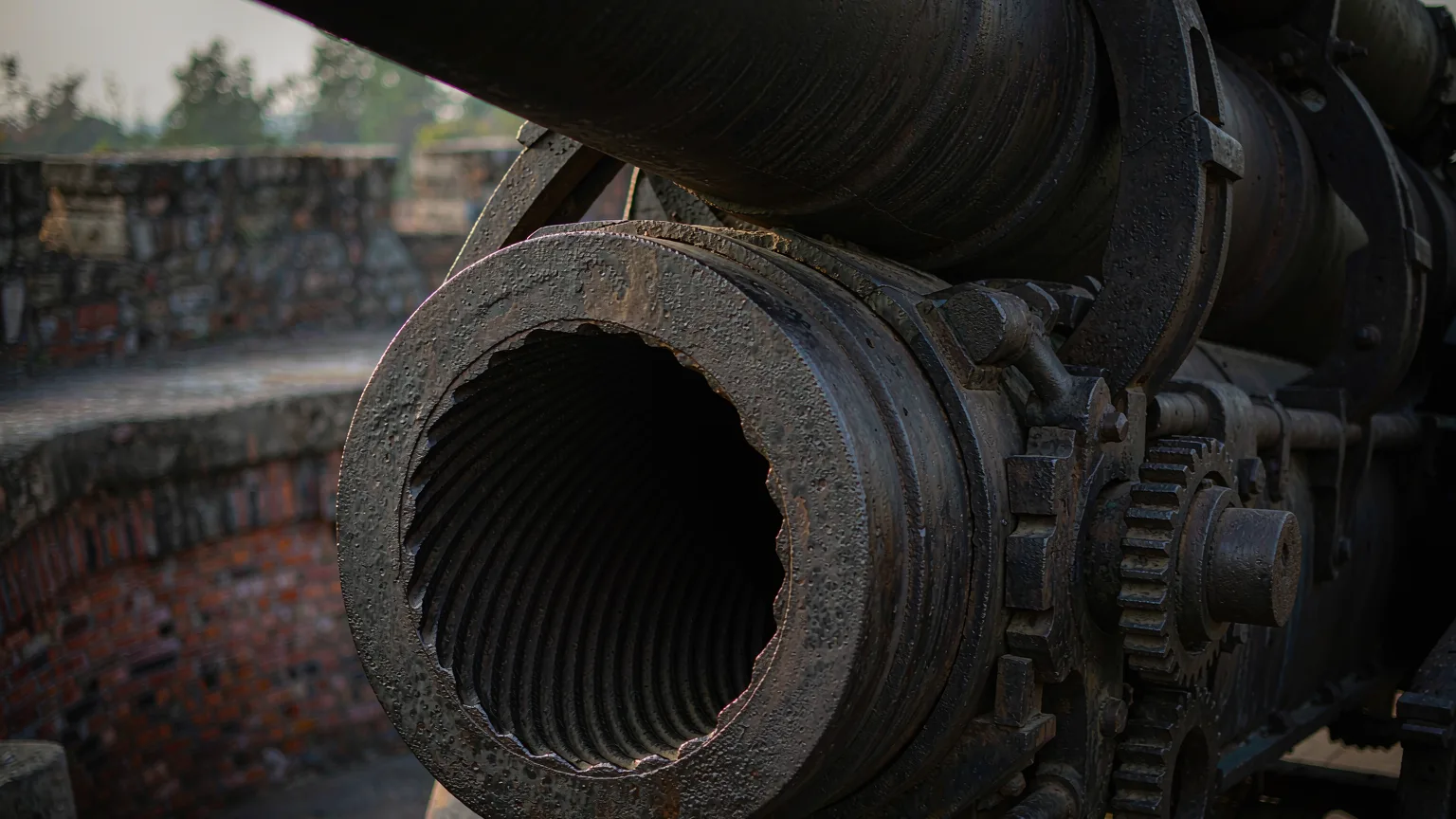
Most visitors spend 1.5 to 2 hours exploring the fort, including the museum and the ramparts. If you watch the sound and light show, allow an extra 30 minutes.
The site has steep slopes and stairs, so wheelchair access is limited. The main viewing platform can be reached via a paved path, but some areas are not accessible.
No, the ticket office only accepts cash (CNY) or Chinese mobile payments. We recommend bringing cash or booking through us to handle tickets in advance.
A taxi or ride-hailing app is the most convenient, costing around ¥30-40. Alternatively, public buses 22, 48, and 96 stop near the entrance.
Tell us your dates, group size and preferences — a dedicated consultant will reach out within 24 hours.