
Guest — sign in to save your enquiries.
My account
The Hubei Provincial Museum in Wuhan houses two of China's most celebrated archaeological treasures: the 2,500-year-old Sword of Goujian and the massive bronze chime bells of Marquis Yi of Zeng. For history lovers, it's a highlight of any visit to central China. With our private guide, you'll navigate the vast collection effortlessly, understanding the stories behind each masterpiece.
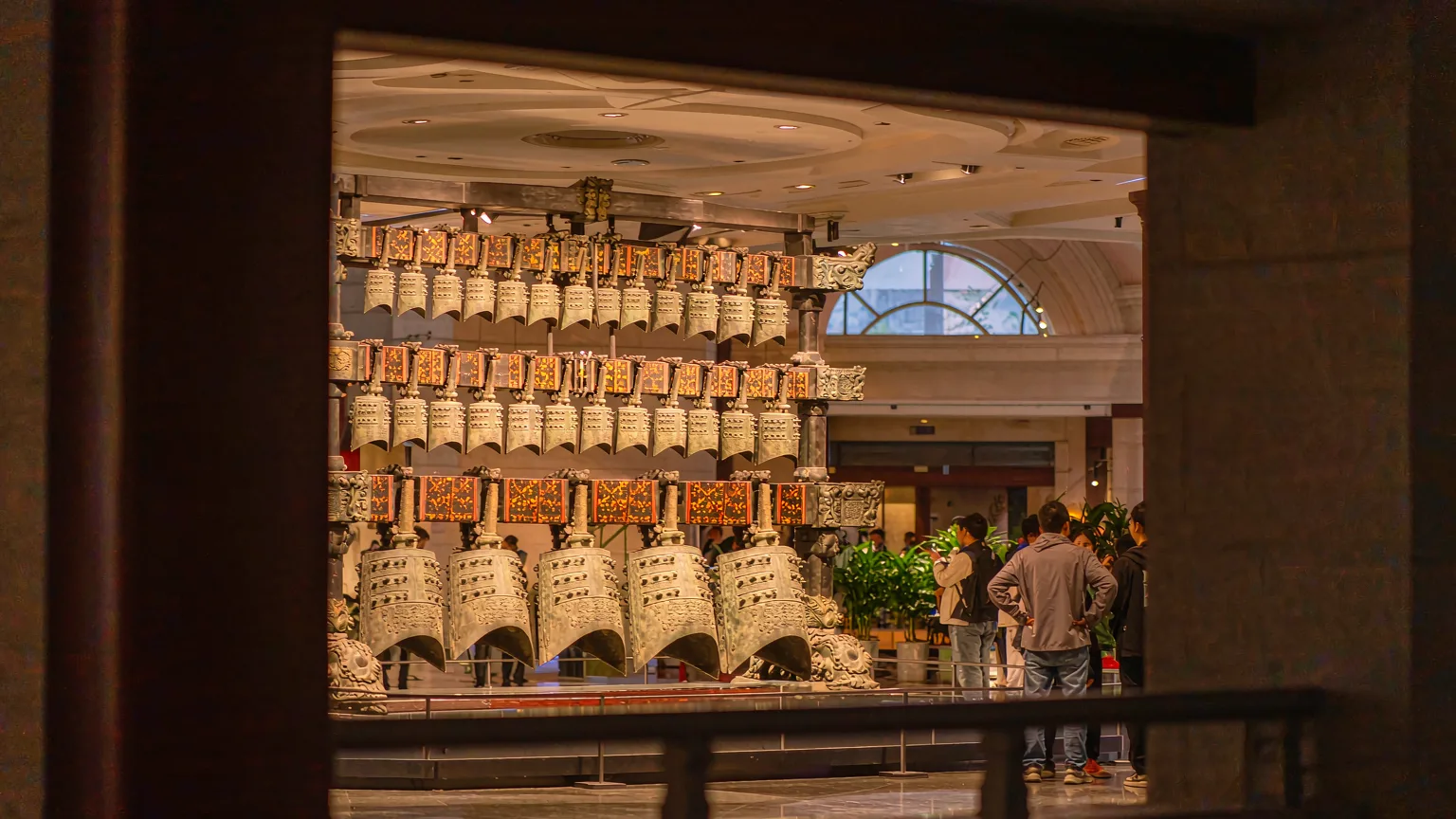
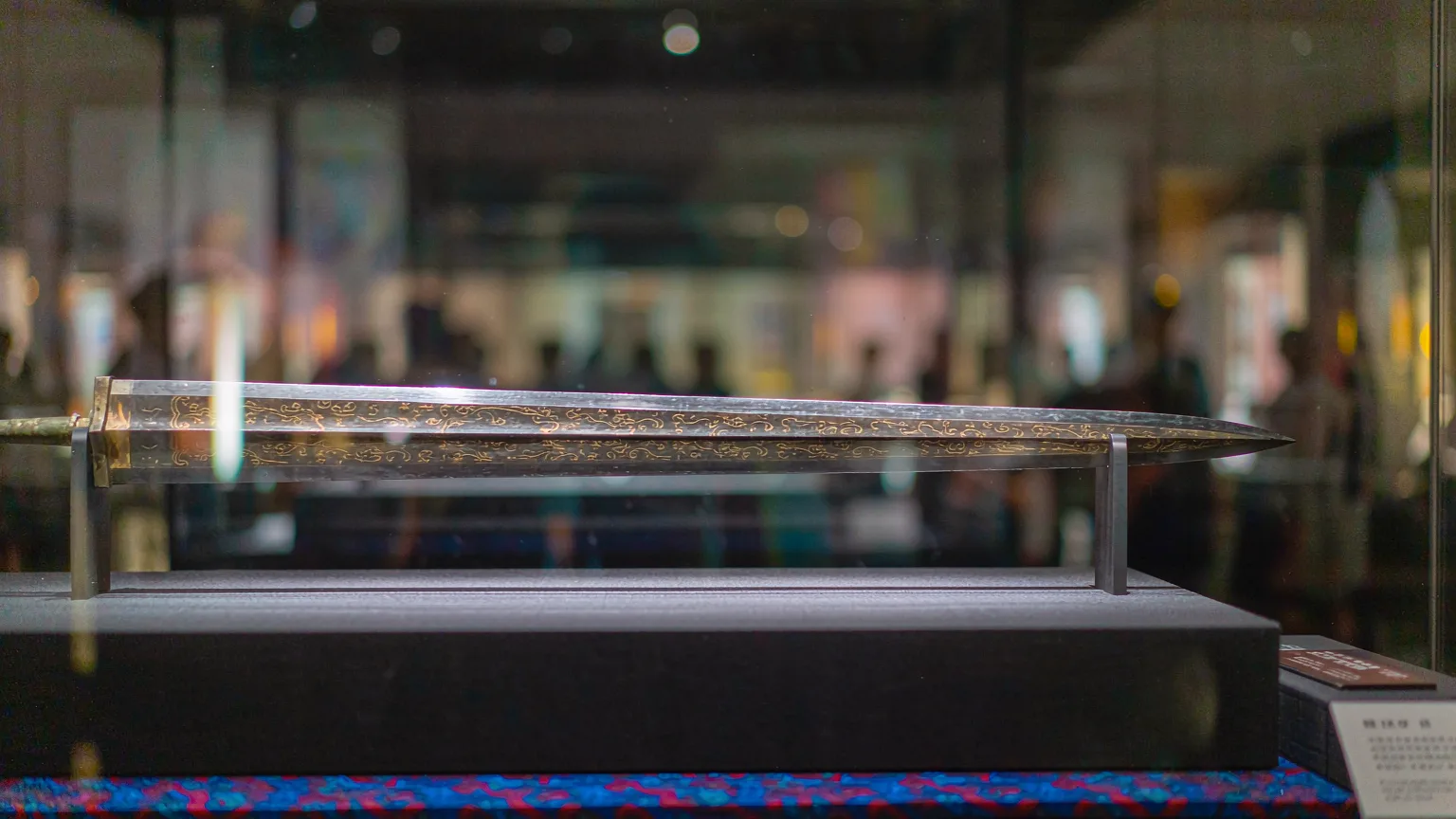
Founded in 1953 and relocated to its current site near East Lake in 1963, the Hubei Provincial Museum has grown into one of China's most important cultural institutions. Its collection spans over 200,000 artifacts, from prehistoric pottery to Ming dynasty porcelain, but the stars are the finds from the Tomb of Marquis Yi of Zeng, discovered in 1978 in Suizhou. This 5th-century BC tomb yielded an astonishing 15,000 objects, including the world's largest set of bronze chime bells and the legendary Sword of Goujian, a bronze weapon that remained virtually rust-free after millennia.
The museum's modern main building, completed in 1999, features four main exhibition halls. The Chime Bells Hall showcases the 65-piece bianzhong ensemble, which still produces perfect pitches and is played in daily performances. The Goujian Sword is displayed in the Chu Culture Hall, alongside intricate lacquerware and silk textiles. Other highlights include the Tomb of Marquis Yi exhibition, which recreates the burial chamber, and the Liangzhu Culture section with ancient jade. Temporary exhibitions often bring in treasures from other provinces, so there's always something new.
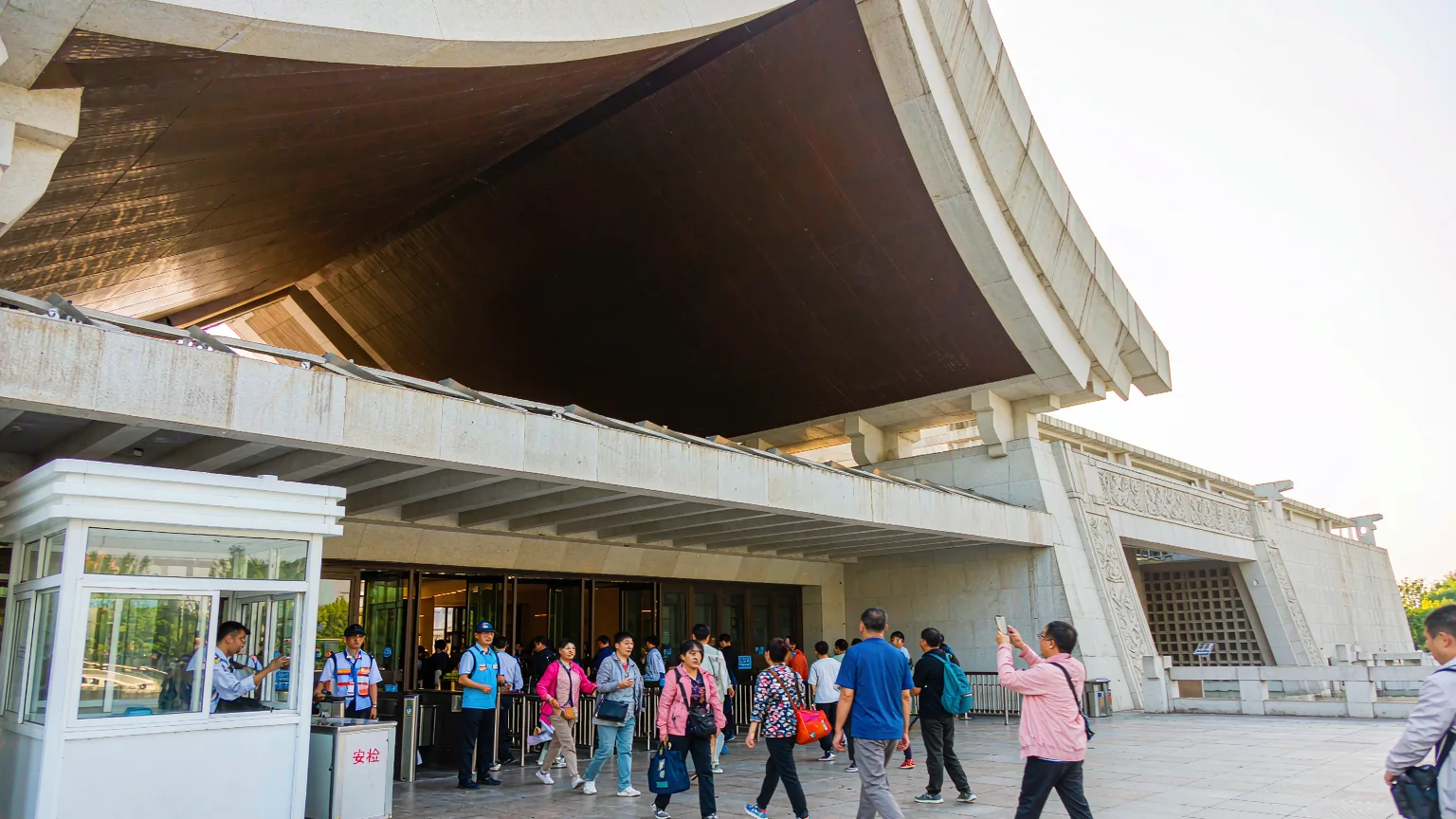
The museum is located at 156 Donghu Road, Wuchang District, on the south shore of East Lake. The easiest way is by metro: take Line 8 to Hubei Provincial Museum Station (Exit A), which puts you right at the entrance. Alternatively, a taxi from downtown Wuhan (e.g., Yellow Crane Tower) takes about 20 minutes and costs ¥20–30. Many of our travellers combine a morning here with an afternoon at East Lake or the nearby Wuhan University. We can arrange a private car to pick you up from your hotel and drop you back after your visit.
Admission is free, but you must reserve a time slot online in advance (usually via the museum's WeChat account). Bring your passport for entry. The chime bell performance costs ¥30 per person and can be booked at the museum or through us. The museum is open Tuesday to Sunday, 9:00–17:00 (last entry 16:00), closed on Mondays except public holidays. Payment for performances and souvenirs can be made via WeChat Pay or Alipay linked to a foreign card, or in cash.
The best time to visit is on a weekday morning, ideally right at opening (9:00), to avoid crowds and secure a spot for the first chime bell performance. Spring (March–May) and autumn (September–November) offer pleasant weather for combining the museum with a stroll around East Lake. Avoid Chinese public holidays, when queues can be long and the atmosphere hectic.
Yes, general admission is free, but you must reserve a time slot online in advance. Bring your passport for verification. Special exhibitions or performances may charge a small fee.
Plan for at least 2–3 hours to see the highlights. If you're a history enthusiast, allow 4 hours to explore all halls and attend a chime bell performance.
Major exhibits have English labels, but they are brief. We recommend hiring our guide or renting an audio guide for deeper understanding.
Yes, it is on permanent display in the Chu Culture Hall. It's occasionally rotated for conservation, but usually visible. Check with us before your visit.
Tell us your dates, group size and preferences — a dedicated consultant will reach out within 24 hours.