
Guest — sign in to save your enquiries.
My account
Hongshan Park is Urumqi's green heart, a 4A-rated hilltop escape crowned by a red rock peak that offers the city's finest panorama. Locals come to stroll, sing and sip tea beneath the pagoda, while travellers gain instant orientation of this vast, fascinating city. With our private guide, you'll navigate the park's winding paths effortlessly and hear the stories behind the landmarks.
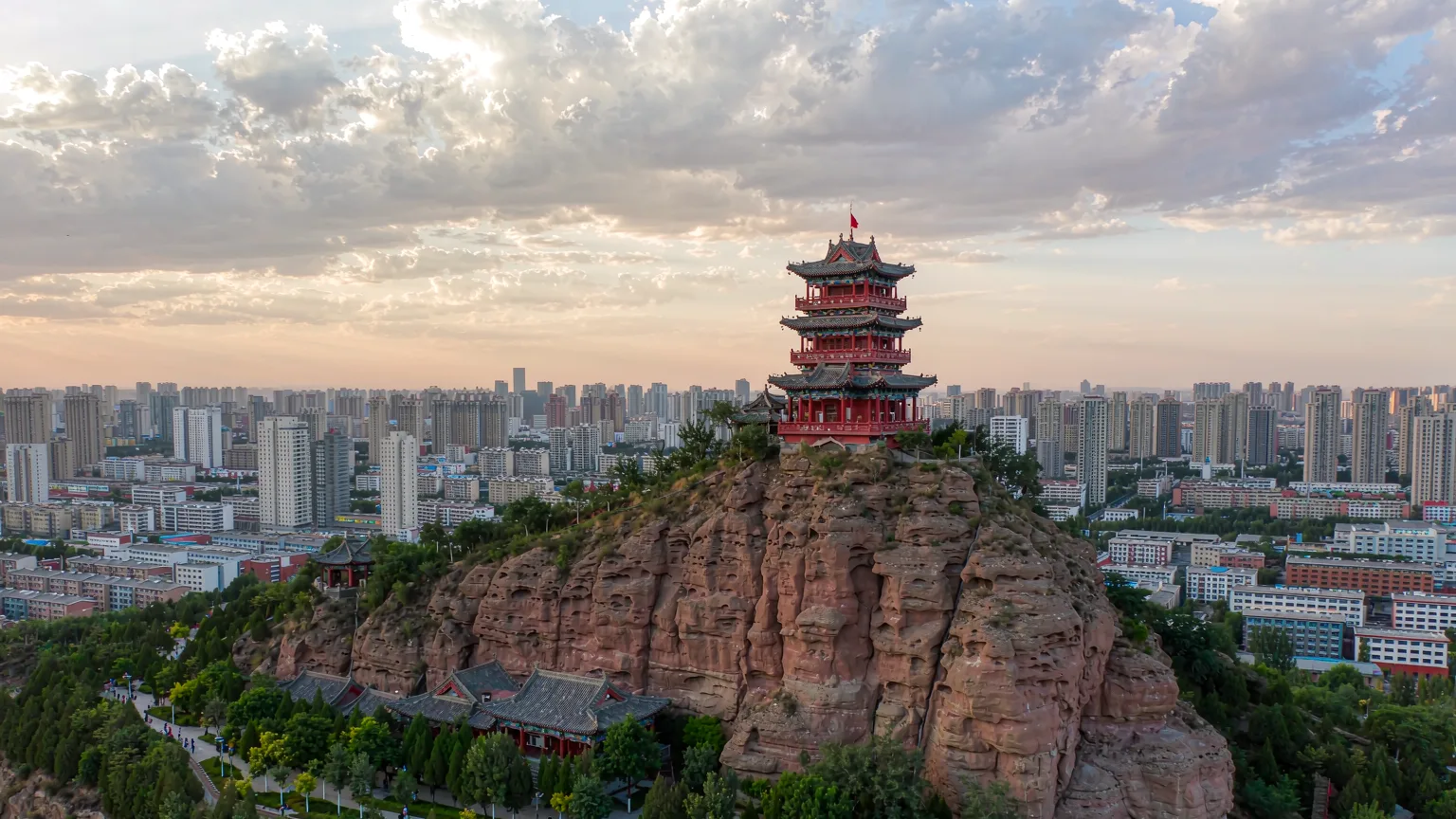
Hongshan Park (Red Mountain Park) takes its name from the crimson-tinged rock outcrop that rises abruptly from the northern edge of central Urumqi. Legend tells of a dragon that was cut in two by the gods, its severed body forming the red and green hills that now flank the city. Historically, the hill was a sacred site for local nomads and later became a lookout point along the Silk Road. In the 18th century, a small temple was built here; today's landmark, the nine-storey Zhenlong Pagoda (also called the Red Mountain Pagoda), dates from 1788 and was erected to pacify the dragon spirit and bring prosperity to the region.
The park itself was established in 1956 and has since grown into a 4A-rated scenic area covering over 400 hectares. It is a beloved recreational space for Urumqi residents, who come to hike the paved trails, practice tai chi, and enjoy views of the snow-capped Tianshan mountains on clear days. The summit, at 910 meters above sea level, provides a 360-degree vista of the city's modern skyline juxtaposed with the rugged beauty of Xinjiang's landscapes. For foreign visitors, Hongshan Park offers a refreshing break from urban bustle and a chance to observe local life up close.
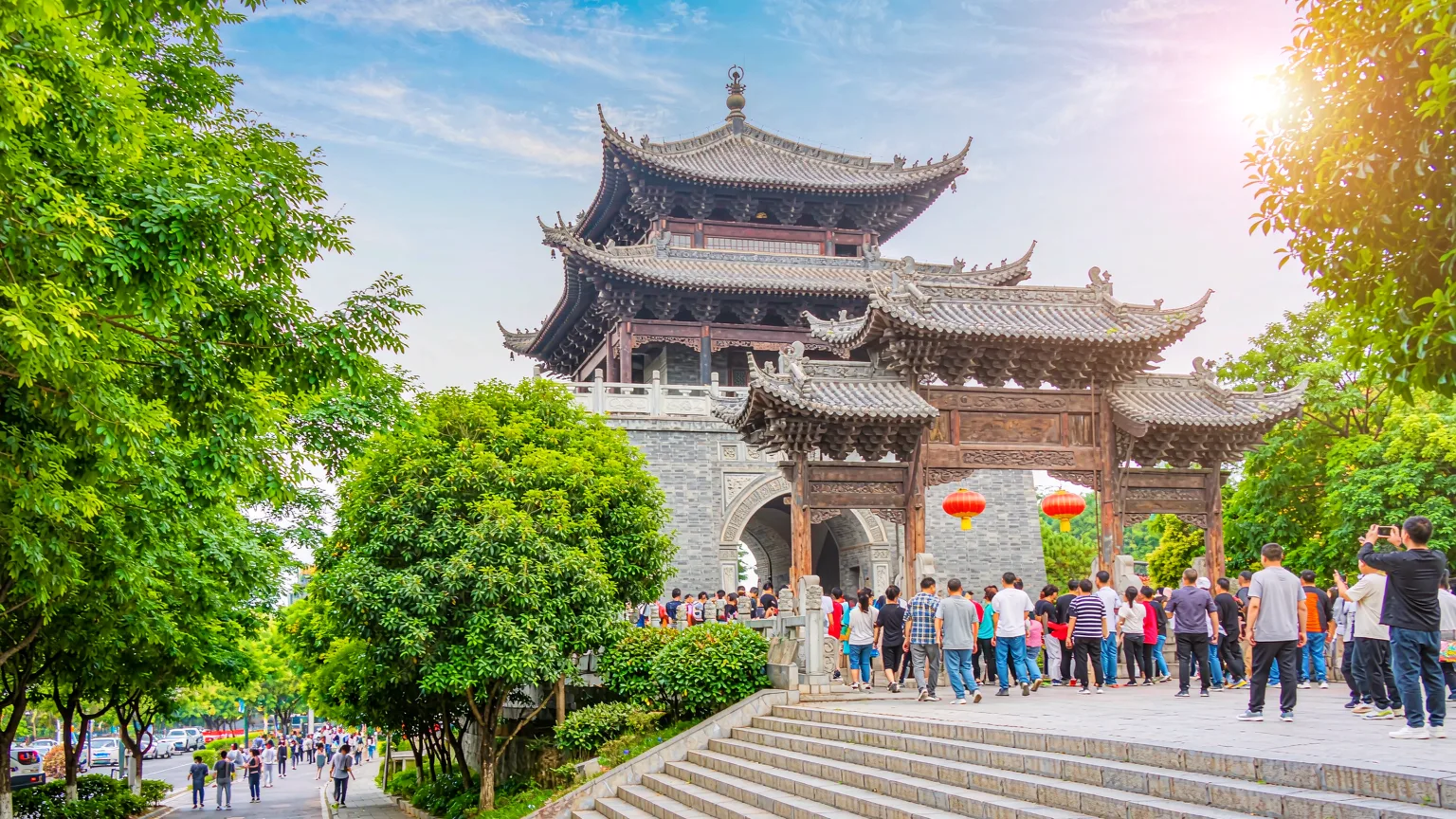
Hongshan Park is located at No. 40 North Xinhua Road, about 2 km north of the city center. The easiest way is by taxi or ride-hailing app (Didi), which takes 10–15 minutes from downtown hotels and costs around ¥15–20. Alternatively, take the metro Line 1 to 'Hongshan' station (Exit B) and walk 10 minutes to the main gate. Our guide can arrange a private transfer and combine the visit with nearby attractions like the Xinjiang Regional Museum for a seamless day.
Admission is free for the park; however, the small amusement rides and the pagoda entry may charge separate fees (¥10–30). The park is open daily from 7:00 to 22:00 (summer) and 7:30 to 21:00 (winter). No advance booking is required, but for guided tours, we recommend reserving at least a day ahead. Foreign credit cards are not accepted at ticket booths; use WeChat Pay or Alipay linked to an international card, or bring cash in CNY.
The best time to visit is from May to October, when the weather is mild and the park is lush. Early morning (7:00–9:00) offers cooler temperatures, fewer crowds, and a chance to see locals practicing tai chi. Late afternoon (17:00–19:00) is ideal for photography, as the setting sun casts a golden glow on the red rocks and the city skyline. Avoid weekends and Chinese public holidays if you prefer a quieter experience.
Yes, but be prepared for uphill walking. Paved paths and a cable car (¥30 one-way) make access easier; strollers are manageable on main routes but not on stairs.
Not strictly, but a guide enriches the experience with historical context, helps navigate the park's layout, and can translate signs and local interactions, making your visit more meaningful.
There are clean public restrooms, small shops selling snacks and drinks, tea houses, and seating areas. Most vendors accept cash and mobile payments, but not foreign cards.
Plan for 1.5 to 2 hours to stroll the main paths, visit the pagoda, and enjoy the summit views. Add extra time if you want to relax at a tea house or try the amusement rides.
Tell us your dates, group size and preferences — a dedicated consultant will reach out within 24 hours.